Statutory Bail Denied for Commercial Quantity of Methamphetamine | NDPS Act : Delhi HC
Delhi High Court dismisses statutory bail petition, holding that commercial quantity of methamphetamine precludes bail under the NDPS Act.

Topic
Under Indian law, 'commercial quantity' refers to the minimum weight of narcotics that triggers stricter penalties under the NDPS Act, distinguishing minor possession from serious trafficking offenses.

Delhi High Court dismisses statutory bail petition, holding that commercial quantity of methamphetamine precludes bail under the NDPS Act.

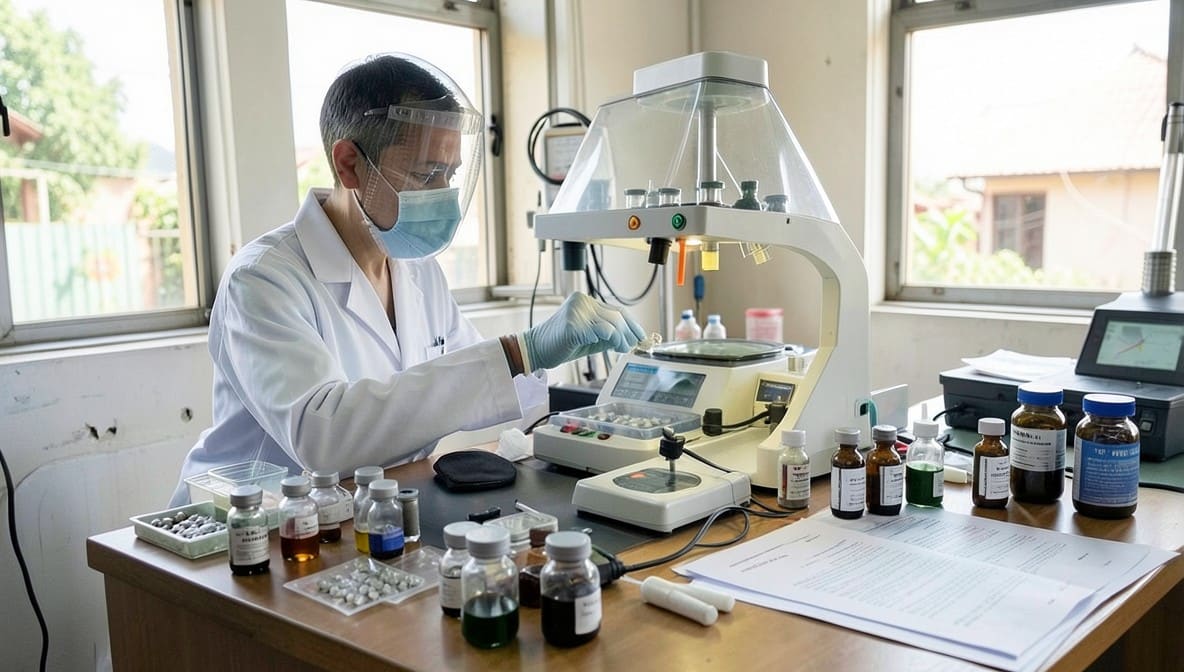
The Rajasthan High Court granted bail after finding that the net weight of mephedrone, excluding polythene packaging, fell below the 50-gram commercial quantity threshold. This clarifies that forensic weight must be measured without container material - a critical precedent for NDPS bail applications where packaging inflates seized weight.

The Rajasthan High Court granted bail to three accused after forensic analysis revealed the seized substance was MDA, not MDMA, bringing the total quantity below the 50-gram commercial threshold. This ruling reinforces that accurate forensic identification is critical to determining bail eligibility under the NDPS Act, especially when misclassification alters the legal severity of the offense.

Rajasthan High Court rules that immediate police action under the NDPS Act, based on prior information, does not require written compliance under Section 42 if the contraband is recovered on the spot. The ruling dismisses the suspension of sentence application, reinforcing that procedural non-compliance does not vitiate search and seizure when action is prompt.

The Allahabad High Court ruled that when contraband is jointly possessed, its weight must be divided equally among co-accused to assess whether the commercial quantity threshold under the NDPS Act is crossed. This clarifies a critical bail criterion for joint possession cases, ensuring fairer application of statutory thresholds and protecting individuals from disproportionate detention where individual shares fall below the limit.

The Jharkhand High Court denied bail under the NDPS Act, holding that recovery of commercial quantities (49 kg of Ganja) and corroborative prosecution witness testimony prevail over the accused's prolonged detention under Article 21. The ruling underscores that statutory embargoes under Section 37 cannot be automatically overridden by humanitarian considerations alone.

Bombay High Court reaffirms that bail under Section 37 of the NDPS Act for commercial quantity offences is nearly impossible to secure, even where procedural lapses like improper seizure panchanama or weight discrepancies are alleged. The ruling underscores the stringent threshold for bail in drug trafficking cases, prioritizing public interest over individual liberty.

Bombay High Court grants bail in an NDPS case, emphasizing that procedural lapses-such as delayed seizure recording and failure to comply with Section 50 CrPC-undermine the prosecution's case. The ruling reinforces that strict adherence to procedural safeguards is critical for denying bail in drug offences.

The Allahabad High Court granted bail in an NDPS case where 1.2 kg charas just crossed the commercial quantity limit, emphasizing that procedural failures in recovery and excessive pre-trial detention outweigh the gravity of the offense. This reinforces that mechanical application of quantity thresholds cannot override Article 21 rights when investigative integrity is compromised.

The Rajasthan High Court granted bail to an accused under the NDPS Act who had no direct possession of 24.8 kg of Doda Post, with recovery made solely from co-accused. The ruling reinforces that mere association through uncorroborated statements, without physical control or commercial-scale involvement, cannot justify continued judicial custody when the quantity falls below the statutory threshold. This clarifies the evidentiary bar for bail in indirect NDPS cases.

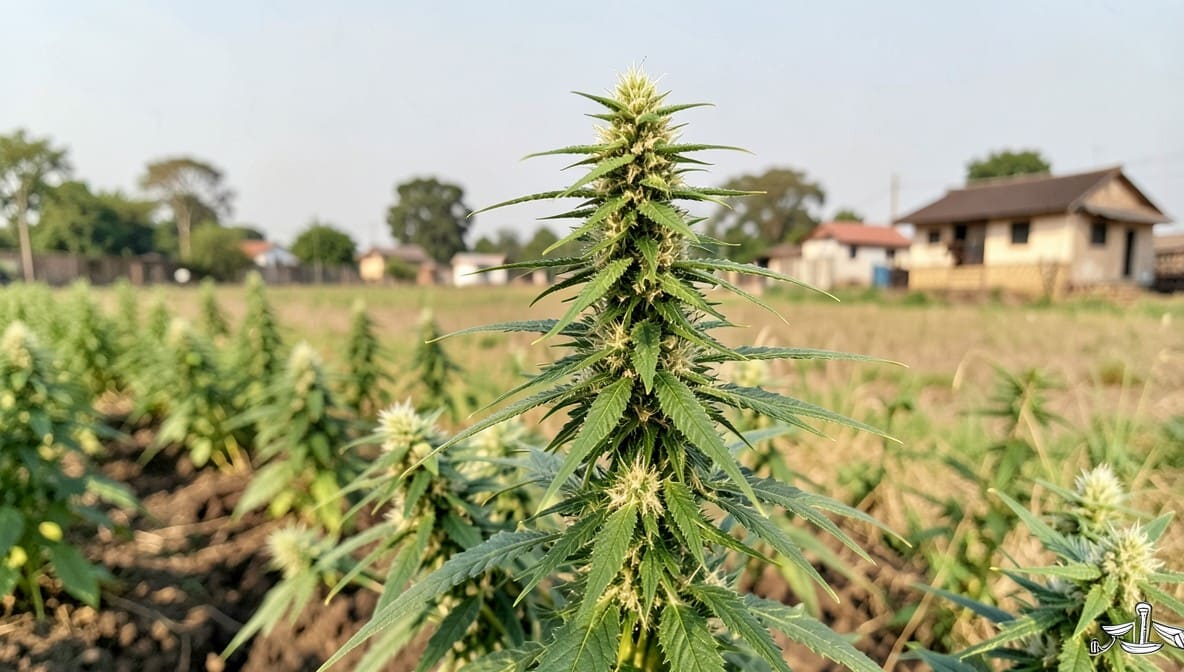
Rajasthan High Court clarifies that under the NDPS Act, only the flowering or fruiting tops of cannabis plants-not the entire plant-are considered for determining commercial quantity. The ruling grants bail to accused where the prosecution weighed whole plants, potentially reducing the contraband below the commercial threshold and impacting future drug offence prosecutions.

The Andhra Pradesh High Court held that 201 days of judicial custody without custodial interrogation, combined with fixed residences and no flight risk, overrides the presumption against bail under NDPS Act for commercial quantities and prior antecedents. This reinforces that prolonged pre-trial detention without investigative necessity triggers Article 21 protections, setting a critical precedent for accused persons in drug cases facing extended pre-trial incarceration.

The Rajasthan High Court granted bail in an NDPS case where opium recovered was just 165 grams over the commercial threshold, emphasizing that minor excesses do not automatically negate bail when there are no prior records and trial delays risk violating Article 21. This reinforces that proportionality and custodial fairness must override rigid quantity thresholds in bail decisions.

The Bombay High Court granted bail to NESCO executives accused in a drug-related death at a music concert, holding that supplying a single pill without evidence of distribution network, intent to profit, or conspiracy does not satisfy the threshold for denial of bail under Section 22 of the NDPS Act. This clarifies that commercial scale allegations require more than isolated, non-commercial acts to justify pre-trial detention.

The Bombay High Court held that for a contraband seizure to constitute 'commercial quantity' under the NDPS Act, only the flowering or fruiting tops of cannabis qualify as 'ganja' - seeds, stems, and leaves must be excluded from the weight calculation. This ruling forces investigators and prosecutors to conduct precise forensic segregation, significantly raising the evidentiary bar in NDPS cases involving mixed plant material.