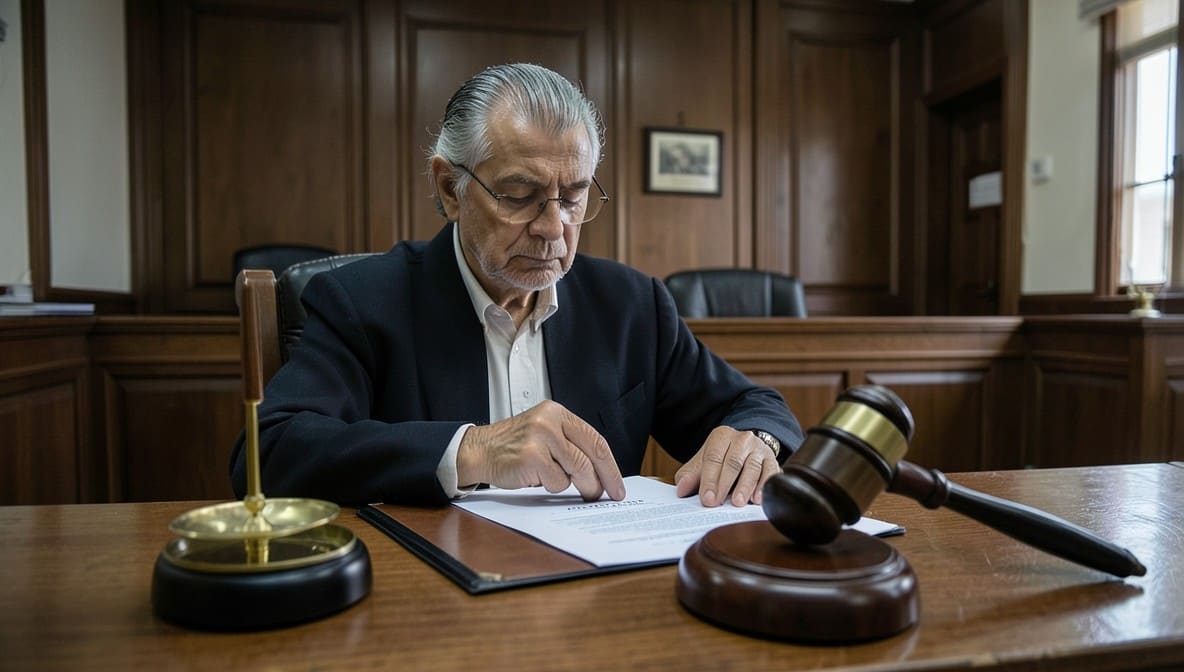
The Bombay High Court has granted bail to two senior executives of NESCO in a high-profile NDPS case involving two deaths and multiple injuries linked to ecstasy consumption at a music concert. The judgment underscores the necessity of concrete, prima facie evidence to invoke the stringent bail bar under Section 37 of the NDPS Act, particularly where the accused hold no direct role in drug distribution.
Background & Facts
The Dispute
A music concert held on 11.04.2026 at NESCO Exhibition Centre, Goregaon (E), Mumbai, resulted in the death of two attendees - Bismat Singh Amarjit Singh Bhasin and Shreya Rai - and serious injury to Sheetal Salvi after they consumed ecstasy pills. The incident triggered the registration of C.R. No. 228 of 2026 at Vanrai Police Station, Mumbai, against multiple accused, including the Applicants - Sunny Vinod Jain and Balakrishnan Balram Kurup - who were employed by NESCO as Senior Manager and Vice President respectively.
Key Facts
- The concert was organized jointly by NESCO and co-accused Akash Samal under a 50-50 partnership agreement.
- The Applicants’ roles were limited to securing permissions, managing logistics, and overseeing security arrangements.
- Sunny Vinod Jain had joined NESCO only in February 2026.
- The event, permitted for 400 - 500 attendees, drew 3,000 - 3,500 people.
- Alcohol was served to attendees below the legal age of 25, including the deceased Shreya Rai (24 years).
- The concert continued beyond the permitted time of 10:00 p.m. until 12:30 a.m. on 12.04.2026.
- Ecstasy pills (MDMA) were distributed by co-accused Raunak Khandelwal, Ayush Sathiya, and Vineet Garelani.
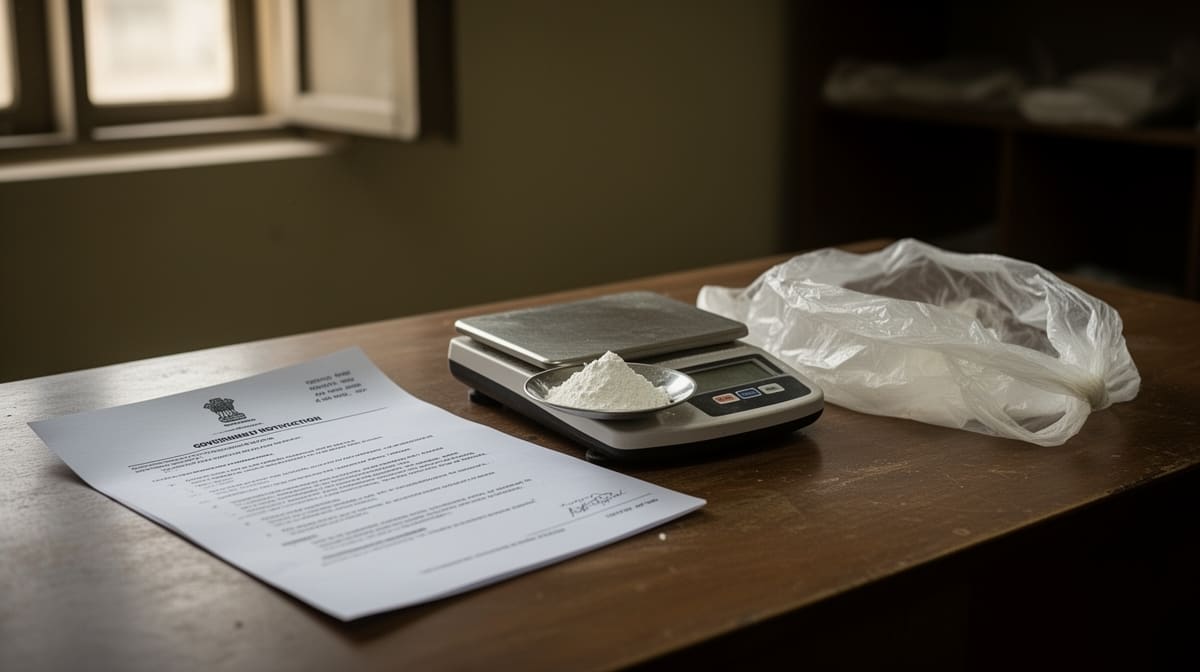
- 933 ecstasy pills (435 grams) were seized from Ayush Sathiya, classified as a commercial quantity under the NDPS Act.
- No contraband was recovered from either Applicant.
- Sheetal Salvi testified she had consumed a similar pill at a prior concert in October 2025 at JIO World, BKC.
Procedural History
- 11.04.2026: Music concert held at NESCO, Goregaon.
- 12.04.2026: Shreya Rai died at Bombay Hospital; Bismat Singh died at Lifeline Medicare Hospital.
- 12.04.2026: Accidental Death Reports Nos. 20 and 21 of 2026 registered.
- 13.04.2026: Applicants arrested by NCB.
- 15.04.2026: Bail applications filed before NDPS Special Judge, Sessions Court, Mumbai.
- 28.04.2026: Bail applications rejected by the Special Judge.
- 10.06.2026: Bail applications reserved before the Bombay High Court.
- 12.06.2026: Judgment pronounced granting bail.
The Parties' Positions
Applicants (Sunny Jain and Balakrishnan Kurup): Argued they had no knowledge of, or involvement in, drug distribution. They were not present during the sale or consumption of pills. No evidence linked them to the peddlers. The allegations against them emerged only after bail rejection, through newly examined security guards. Their roles were administrative, not operational.
Respondent (State/NCB): Contended the Applicants knowingly permitted drug peddlers to enter through emergency gates, ignored warnings from security staff, and profited from the illicit activity. They were present in VIP areas during drug consumption and failed to act. The scale of the event and the commercial quantity of drugs indicated a larger conspiracy.
Relief Sought
The Applicants sought bail on grounds of lack of prima facie evidence, absence of criminal antecedents, medical vulnerability (Kurup is a cancer survivor), and parity with co-accused Akash Samal, who had already been granted bail. They also challenged the legality of their arrest and the timing of witness statements.
The Legal Issue
Whether the Applicants, who held administrative roles in organizing a music concert where drugs were consumed resulting in deaths, can be denied bail under Section 37(1)(b) of the NDPS Act in the absence of any prima facie evidence linking them to the distribution, conspiracy, or facilitation of narcotics.
Arguments Presented
For the Appellant/Petitioner
Mr. Girish Godbole, Senior Advocate, argued that the prosecution’s case against the Applicants was speculative and lacked direct evidence. No contraband was recovered from them. The allegations that security guards alerted them to drug consumption were introduced only after bail rejection, suggesting fabrication. The Applicants had no contact with the peddlers. The NCB itself had conceded in Akash Samal’s bail hearing that NESCO and Samal were equal partners, undermining the claim that the Applicants were primary organizers. Reliance was placed on Union of India v. Rattan Malik to argue that mere presence or association does not equate to abetment.
For the Respondent/State
Mr. Shishir Hiray, Special Public Prosecutor, contended that the Applicants’ failure to act despite being alerted by security personnel amounted to connivance. The unauthorized entry of peddlers through emergency gates, the overcapacity event, and the extended timing indicated deliberate negligence amounting to abetment. The commercial quantity of drugs seized and the resulting deaths made the case grave. He relied on State of Punjab v. Balraj Singh to argue that the stringent bail conditions under Section 37 NDPS Act must be strictly applied, and the Applicants had failed to discharge the burden of proving reasonable grounds for believing they were not guilty.
The Court's Analysis
The Court undertook a meticulous review of the prosecution’s evidence and found no prima facie link between the Applicants and the actual distribution or facilitation of narcotics. The judgment emphasized that Section 37(1)(b) of the NDPS Act imposes a heavy burden on the accused seeking bail, but this burden is not absolute - it requires a threshold of credible, material evidence to establish guilt.
"There is no sufficient material to prima facie conclude that the Applicants have conspired with and abetted the alleged drug peddlers to allow them free entry at the event for the purpose of selling the contraband."
The Court noted that the security guards’ statements, which formed the core of the prosecution’s case, were recorded only after the bail applications were rejected. The timing raised serious doubts about their veracity. Furthermore, none of the guards approached the police despite allegedly witnessing illegal activity, which was inconsistent with normal conduct.
The Court also observed that the Applicants’ roles were clearly defined in the agreement with Akash Samal and were limited to logistical and administrative functions. The permissions granted by authorities were based on this agreement and did not raise any red flags. The fact that the NCB had previously accepted the 50-50 partnership model in Akash Samal’s bail proceedings further weakened the claim that the Applicants were primary organizers.
The Court distinguished between negligence or administrative lapse - which may attract civil or regulatory liability - and criminal abetment under the NDPS Act. The absence of any recovery from the Applicants, their lack of contact with the peddlers, and the fact that drug distribution occurred independently of their control were decisive factors.
The Court also rejected the argument that the scale of the event or the commercial quantity of drugs alone justified denial of bail. It held that Section 37 NDPS Act requires a direct nexus between the accused and the offence - not mere association or opportunity.
The Verdict
The Applicants succeeded. The Bombay High Court allowed both bail applications. Sunny Vinod Jain and Balakrishnan Balram Kurup are released on bail in C.R. No. 228/2026 for offences under the Bhartiya Nyaya Sanhita, 2023, Maharashtra Prohibition Act, and NDPS Act. Each Applicant must execute a personal bond of Rs. 1,00,000 with one or two sureties of like amount. They must report to Vanrai Police Station on the first day of every month between 11:00 a.m. and 2:00 p.m., attend all court proceedings, not tamper with evidence or influence witnesses, and update the Investigating Officer of any change in address or contact. A four-week grace period is granted to furnish sureties; during this time, they may deposit Rs. 1,00,000 each in lieu of surety, which will be refunded upon furnishing the bond.
What This Means For Similar Cases
Bail Cannot Be Denied Solely on Gravity of Outcome
- Practitioners must argue that Section 37 NDPS Act requires a direct, material link between the accused and the drug offence - not just the tragic consequences.
- Deaths or commercial quantities alone do not automatically trigger the bail bar; the prosecution must establish a prima facie case of active participation or connivance.
Administrative Roles Do Not Equate to Criminal Liability
- Organizers, venue managers, or logistics personnel cannot be held criminally liable for third-party drug distribution unless there is evidence of prior knowledge, active facilitation, or financial benefit from the illicit activity.
- Mere presence at the scene or failure to prevent an act by others does not constitute abetment under the NDPS Act.
Post-Bail Rejection Witness Statements Are Suspect
-
Witness statements introduced only after bail rejection must be treated with extreme caution and subjected to rigorous scrutiny.
-
Courts will view such evidence as potentially manufactured to justify continued detention.
-
Always challenge the timing and motive behind new witness depositions in NDPS bail hearings.
-
Argue for parity with co-accused granted bail where roles are substantially similar.
-
Medical vulnerability and absence of criminal antecedents remain strong mitigating factors in bail applications under stringent statutes.