Topic

Cenvat Credit Rules

The Cenvat Credit Rules under the Central Excise Act allow manufacturers and service providers to claim credit on taxes paid for input services used in production or provision of taxable goods/services.

21 articlesLatest July 2026
Rule 9(1)(e) Governs Service Tax Paid Under Reverse Charge | CESTAT Hyderabad Sets Aside Rs. 2.42 Crore Refund Denial
Case Law Analysis
|Custom, Excise & Service Tax Tribunal

Rule 9(1)(e) Governs Service Tax Paid Under Reverse Charge | CESTAT Hyderabad Sets Aside Rs. 2.42 Crore Refund Denial

CESTAT Hyderabad rules that Service Tax paid under reverse charge must be governed by Rule 9(1)(e) of Cenvat Credit Rules, not Rule 9(1)(bb). Sets aside denial of Rs. 2.42 crore refund, directing recomputation of refund claims for exporters. Impacts businesses claiming Cenvat credit on reverse charge payments prior to 2011.


Rule 6 CCR 2004 | Bagasse as Agricultural Waste Not an Exempted Good; Cenvat Credit Reversal Not Warranted : CESTAT Ahmedabad
Case Law Analysis
|Custom, Excise & Service Tax Tribunal

Rule 6 CCR 2004 | Bagasse as Agricultural Waste Not an Exempted Good; Cenvat Credit Reversal Not Warranted : CESTAT Ahmedabad

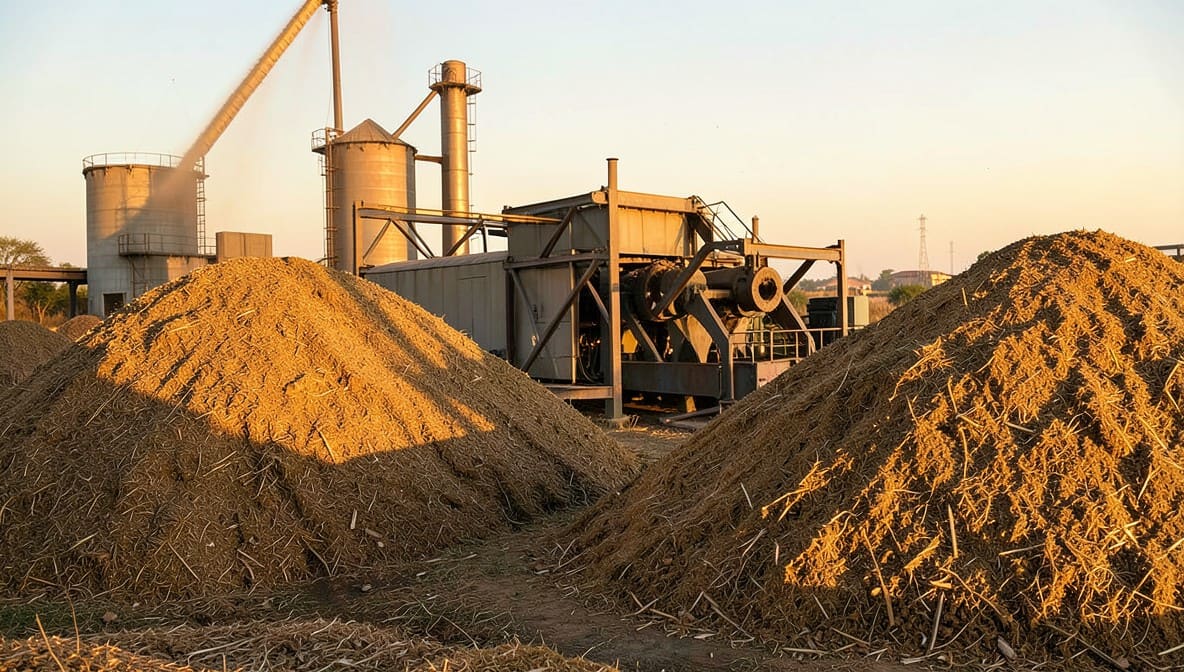
CESTAT Ahmedabad holds that bagasse, generated as agricultural waste during sugar production, cannot be classified as an exempted good under Rule 6 of the Cenvat Credit Rules, 2004, rendering circulars demanding credit reversal unlawful. This clarifies that waste by-products not intentionally manufactured for sale do not trigger input credit reversal obligations, benefiting sugar mills and agro-industries nationwide.

CENVAT Credit Admissible for Ore Processing Services Despite 15% Waste Discard | CESTAT Clarifies 'Incidental to Manufacture' Under CCR
Case Law Analysis
|Custom, Excise & Service Tax Tribunal

CENVAT Credit Admissible for Ore Processing Services Despite 15% Waste Discard | CESTAT Clarifies 'Incidental to Manufacture' Under CCR

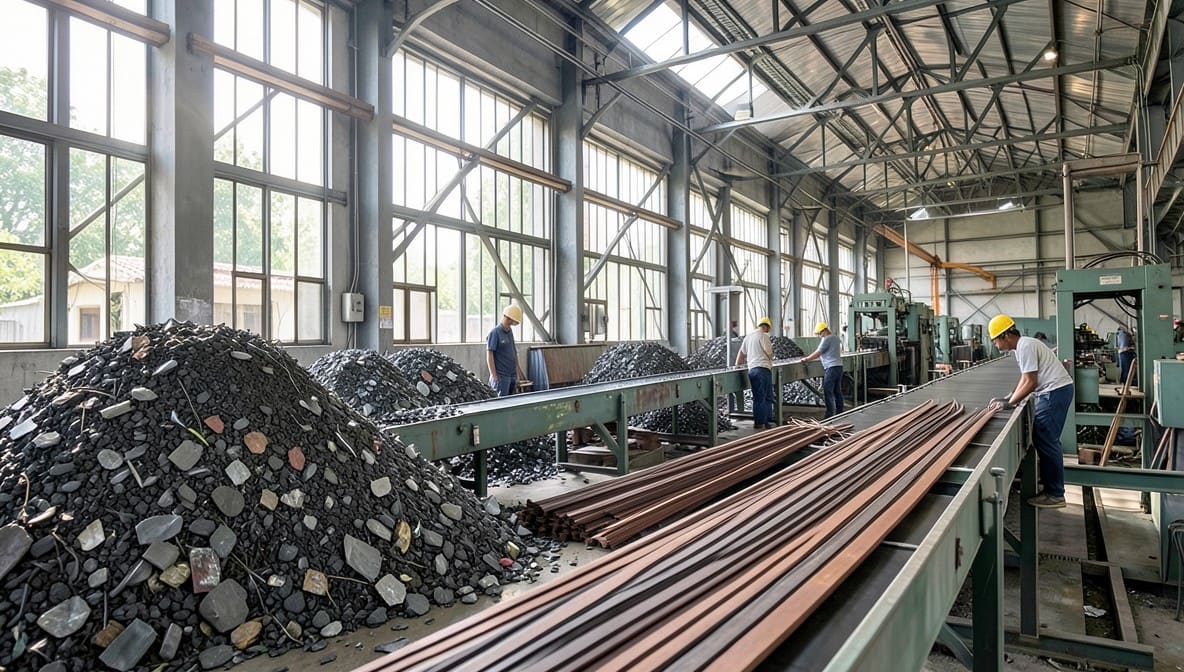
CESTAT rules that CENVAT credit on services like transportation and crushing of ore remains valid even when up to 15% of material is discarded as waste, as long as the services are directly incidental to the manufacture of final goods. This clarifies that the threshold of material yield does not disqualify input service eligibility under Rule 2(l) of CCR, benefiting mining-integrated manufacturers across steel and mineral industries.

CENVAT Credit Not Lapsed Under Rule 11(3) When Only Partial Products Are Exempted; Rule 6(3) Inapplicable to Exports Under Bond : CESTAT
Case Law Analysis
|Custom, Excise & Service Tax Tribunal

CENVAT Credit Not Lapsed Under Rule 11(3) When Only Partial Products Are Exempted; Rule 6(3) Inapplicable to Exports Under Bond : CESTAT

CESTAT rules that manufacturers retaining CENVAT credit on inputs used to produce both dutiable and exempted goods need not reverse credit merely because some final products are exempt - provided exports are made under bond. This clarifies that Rule 6(3) liability does not trigger for bonded exports, offering critical relief to export-oriented manufacturers with mixed product lines.

CENVAT Credit Rule 2(l) | Repair & Maintenance of Plant & Machinery Qualifies as Input Service : CESTAT
Case Law Analysis
|Custom, Excise & Service Tax Tribunal

CENVAT Credit Rule 2(l) | Repair & Maintenance of Plant & Machinery Qualifies as Input Service : CESTAT

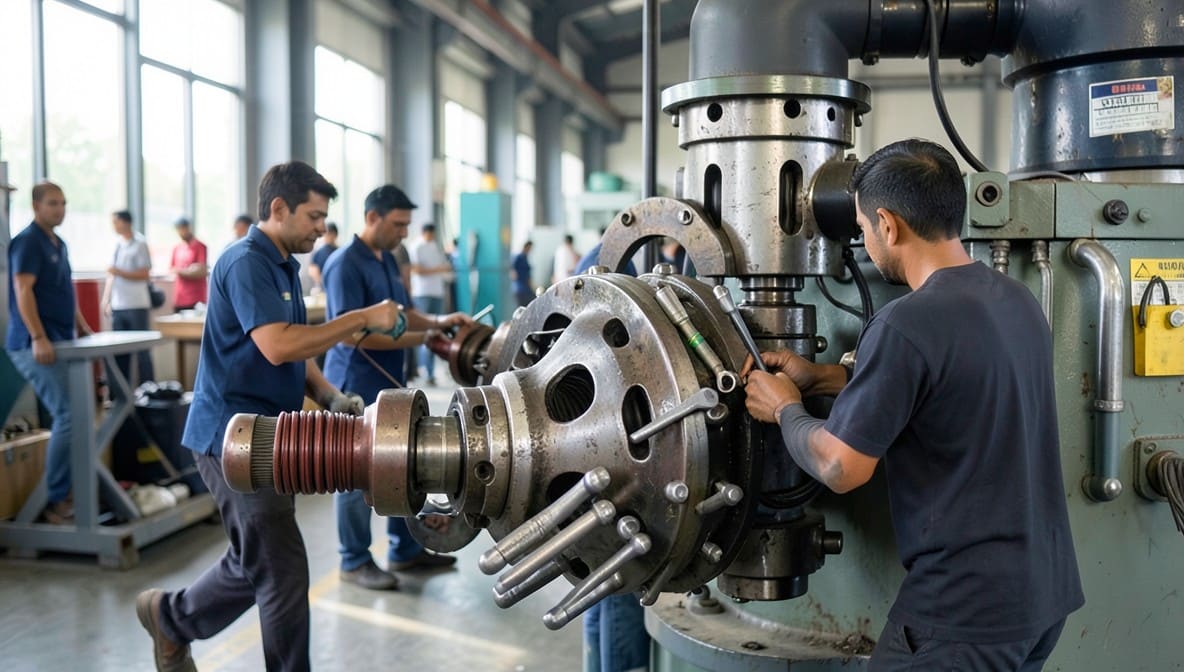
CESTAT upholds that expenditure on repair and maintenance of plant and machinery qualifies as an input service under Rule 2(l) of the CENVAT Credit Rules, 2004, entitling manufacturers to claim credit even when services are not directly linked to production. This clarifies a critical compliance gray area for capital-intensive industries and reverses arbitrary disallowances totaling over Rs. 20 lakh.

Rule 6 CENVAT Credit Rules | Proportionate Reversal of Input Credit on Exempted Electricity Sales Does Not Constitute Non-Availment : CESTAT
Case Law Analysis
|Custom, Excise & Service Tax Tribunal

Rule 6 CENVAT Credit Rules | Proportionate Reversal of Input Credit on Exempted Electricity Sales Does Not Constitute Non-Availment : CESTAT

CESTAT ruled that reversing CENVAT credit proportionately on inputs used for exempted electricity sales does not amount to non-availment under Rule 6 of the CENVAT Credit Rules. The Tribunal set aside demands totaling ₹7.13 crore, clarifying that separate record-keeping is not mandatory if credit reversal is already effected, offering relief to manufacturers with captive power plants.

Rule 5 Cenvat Credit Rules | One-Year Limitation for Service Tax Refund Runs from Foreign Exchange Receipt Date, Not Quarter-End: CESTAT Hyderabad
Case Law Analysis
|Custom, Excise & Service Tax Tribunal

Rule 5 Cenvat Credit Rules | One-Year Limitation for Service Tax Refund Runs from Foreign Exchange Receipt Date, Not Quarter-End: CESTAT Hyderabad

CESTAT Hyderabad clarifies that the one-year limitation period for refund claims under Rule 5 of the Cenvat Credit Rules begins from the date of foreign exchange receipt, not the quarter-end. The ruling mandates strict adherence to the Foreign Inward Remittance Certificate (FIRC) and invoice correlation, impacting exporters filing refund claims.

Cenvat Credit Rules 2004 | Insurance, Forex Hedging Fees & HR Training Services Are Input Services for Manufacturers : CESTAT
Case Law Analysis
|Custom, Excise & Service Tax Tribunal

Cenvat Credit Rules 2004 | Insurance, Forex Hedging Fees & HR Training Services Are Input Services for Manufacturers : CESTAT

CESTAT rules that insurance, professional fees for forex hedging, and HR training services qualify as input services under Rule 2(l) of the Cenvat Credit Rules, 2004, entitling manufacturers to credit. The decision clarifies the scope of 'input service' for indirect tax credit eligibility, impacting manufacturers availing such services.

Rule 3(1)(vii) CENVAT Credit Rules | Concessional CVD Eligible for Credit Regardless of Rate: CESTAT Chennai
Case Law Analysis
|Custom, Excise & Service Tax Tribunal

Rule 3(1)(vii) CENVAT Credit Rules | Concessional CVD Eligible for Credit Regardless of Rate: CESTAT Chennai

CESTAT Chennai rules that CENVAT credit on concessional Countervailing Duty (CVD) paid on imported goods is admissible under Rule 3(1)(vii) of the CENVAT Credit Rules, 2004, irrespective of the rate applied. The decision clarifies that credit eligibility depends on the nature of the levy, not the quantum or rate, impacting manufacturers availing concessional duty benefits.

CENVAT Credit Rules | Non-Availment of Input Credit on Non-Excisable Goods Exempts Rule 6(3) Payment : CESTAT
Case Law Analysis
|Custom, Excise & Service Tax Tribunal

CENVAT Credit Rules | Non-Availment of Input Credit on Non-Excisable Goods Exempts Rule 6(3) Payment : CESTAT

CESTAT ruled that manufacturers who do not avail CENVAT credit on inputs used for non-excisable goods are not liable to pay 5-6% of their value under Rule 6(3) of the CENVAT Credit Rules. The decision clarifies that non-excisable goods do not qualify as 'exempted goods' unless explicitly defined, offering relief to manufacturers dealing with by-products.

CENVAT Credit Admissible for Factory Expansion Post-01.04.2011 | Deletion of 'Setting Up' from Definition Clarified : CESTAT Chennai
Case Law Analysis
|Custom, Excise & Service Tax Tribunal

CENVAT Credit Admissible for Factory Expansion Post-01.04.2011 | Deletion of 'Setting Up' from Definition Clarified : CESTAT Chennai

CESTAT Chennai rules that CENVAT credit on input services for expanding an existing manufacturing facility remains admissible even after the deletion of 'setting up' from the definition post-April 2011. The ruling clarifies that expansion does not constitute a new establishment, ensuring continuity in credit eligibility for manufacturers.