The Customs, Excise and Service Tax Appellate Tribunal has clarified a critical ambiguity in the application of CENVAT Credit Rules, 2004, by holding that incidental waste and scrap generated during manufacturing cannot be treated as 'exempted goods' attracting a 6% payment obligation under Rule 6(3). This decision resolves a long-standing dispute between manufacturers and tax authorities over the scope of 'manufacture' and has significant implications for compliance in industrial sectors.
Background & Facts
The Dispute
M/s. Tata Bluescope Steel (P) Ltd., a manufacturer of steel products, faced three separate demands from the Commissioner of CGST, Jaipur, under Rule 6(3)(i) of the CENVAT Credit Rules, 2004. The demands arose from two distinct activities: (1) job work performed for Pro-tech Enterprises, and (2) clearance of waste and scrap generated during manufacturing. The department contended that both activities constituted 'exempted services' and 'exempted goods' respectively, triggering a payment obligation of 7% and 6% of their value.
Key Facts
- The appellant engaged in job work for Pro-tech Enterprises, manufacturing goods under Notification No. 214/86-CE, which permitted duty-free clearance provided the principal undertook liability for duty.
- The appellant received job work charges for these services but did not pay service tax, as the activity was not taxable.
- The appellant did not claim CENVAT credit on inputs or input services exclusively used for the job work.
- For common input services, the appellant reversed credit under Rule 6(3A) of the CENVAT Credit Rules, 2004.
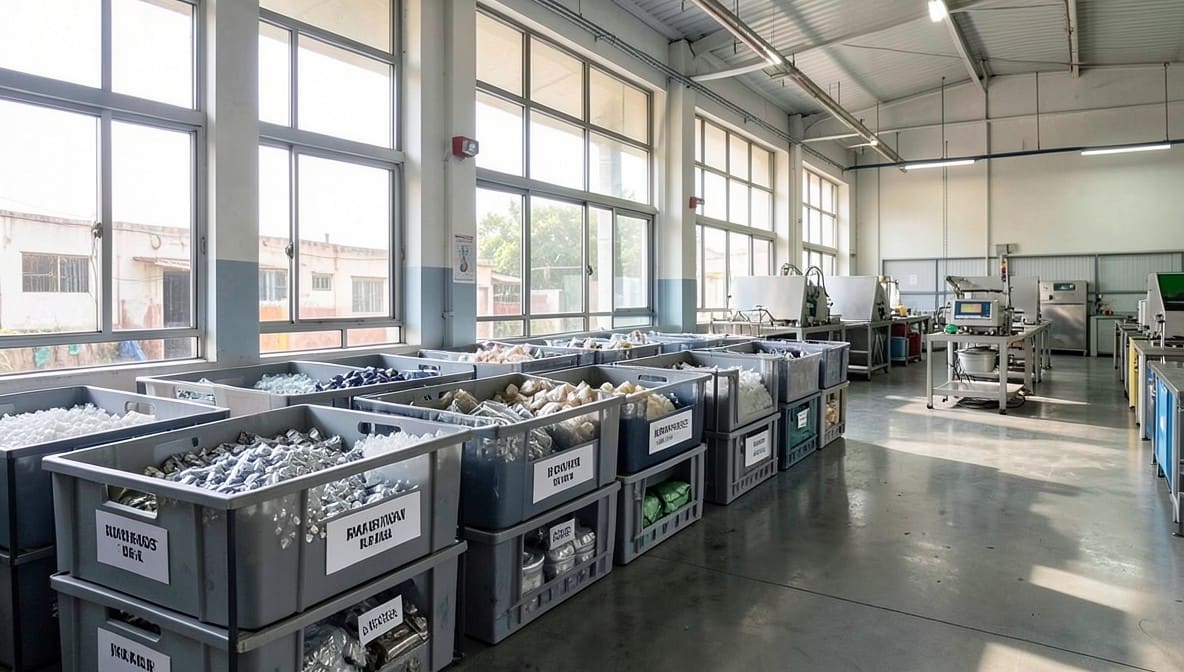
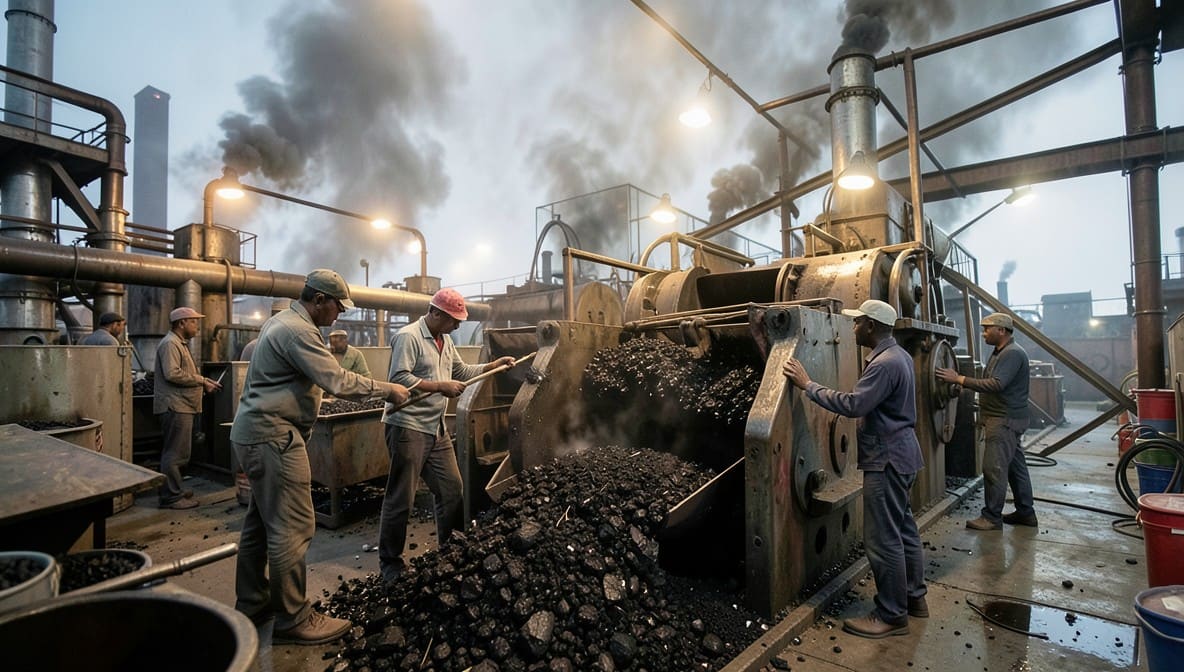
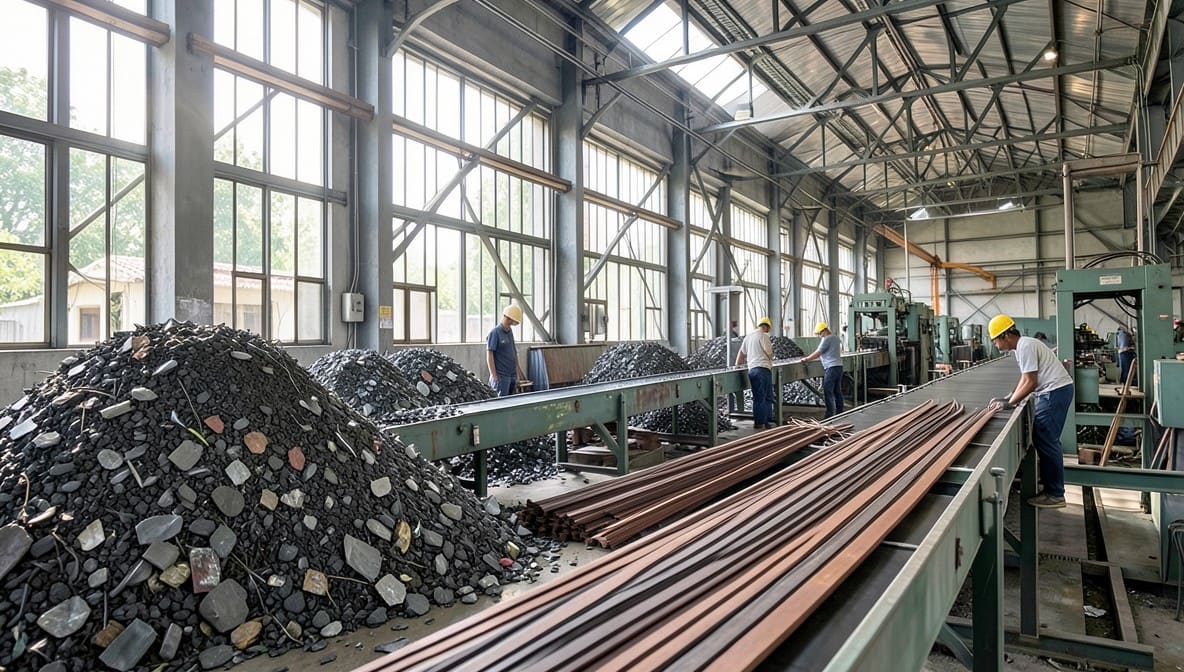
- Waste and scrap - including wooden pallets, PVC pipes, iron strips, and HDPE sheets - were generated incidentally during the manufacturing process of final steel products.
- These materials were not intentionally produced, had no independent commercial design, and were cleared without payment of excise duty.
- The department assessed demands of 7% of job work charges (Excise Appeal No. 50001/2026) and 6% of waste and scrap value (Excise Appeals No. 50002/2026 and 50003/2026).
- The Assistant Commissioner issued demands on 15.06.2025.
- The Commissioner (Appeals) upheld the demands via orders dated 21.08.2025, 25.08.2025, and 28.08.2025.
- The appellant filed appeals before the CESTAT on 10.09.2025.
Procedural History
- 15.06.2025: Demand notices issued by Assistant Commissioner, CGST, Jaipur.
- 21.08.2025: Order-in-Appeal No. 110(GS) CE/JPR/2025 upholding demand for waste and scrap.
- 25.08.2025: Order-in-Appeal No. 109(GS) CE/JPR/2025 upholding demand for job work charges.
- 28.08.2025: Order-in-Appeal No. 117(GS) CE/JPR/2025 upholding demand for waste and scrap.
- 10.09.2025: Three appeals filed before CESTAT.
- 29.05.2026: Hearing conducted before CESTAT.
- 01.07.2026: Final order pronounced.
The Parties' Positions
Appellant (M/s. Tata Bluescope Steel P. Ltd.):
- Argued that the same activity treated as 'manufacture' under Notification No. 214/86-CE cannot be reclassified as an 'exempted service' under Rule 6(3).
- Contended that waste and scrap are not 'manufactured goods' but incidental by-products arising during production.
- Stated that credit reversal under Rule 6(3A) had been made for common inputs, rendering Rule 6(3) inapplicable.
Respondent (Commissioner of CGST):
- Maintained that Rule 6(3) applies whenever exempted goods or non-taxable services are cleared without maintaining separate accounts.
- Relied on Explanation 1 to Rule 6, which defines 'exempted goods' to include non-excisable goods cleared for consideration.
- Argued that failure to opt for Rule 6(3A) or maintain separate accounts triggered the 6% payment obligation.
Relief Sought
The appellant sought:
- Setting aside of all three impugned orders.
- Cancellation of the 7% demand on job work charges.
- Cancellation of the 6% demand on waste and scrap.
- Refund of any amounts paid under protest.
The Legal Issue
The central question was whether waste and scrap generated incidentally during manufacturing qualify as 'exempted goods' under Rule 6(3)(i) of the CENVAT Credit Rules, 2004, thereby attracting a 6% payment obligation, and whether the same activity treated as 'manufacture' under a duty exemption notification can simultaneously be treated as an 'exempted service' under Rule 6(3).
Arguments Presented
For the Appellant
The appellant relied on the principle of consistent classification: if the department treated the job work as 'manufacture' to grant duty-free clearance under Notification No. 214/86-CE, it could not later treat the same activity as an 'exempted service' to impose a service tax liability under Rule 6(3). The appellant further argued that waste and scrap are not 'manufactured' but are residual materials arising unintentionally during production. Citing State of Maharashtra v. M/s. Raja Ram Industries, the appellant emphasized that 'manufacture' implies intentional transformation, which does not apply to waste. The reversal of credit under Rule 6(3A) was submitted as sufficient compliance, making the additional demand under Rule 6(3) redundant.
For the Respondent
The Revenue contended that Rule 6(3) operates independently of the nature of the activity under other notifications. It argued that Explanation 1 to Rule 6 explicitly includes non-excisable goods cleared for consideration as 'exempted goods', and waste and scrap fell squarely within this definition. The Revenue further asserted that the appellant had not formally opted for Rule 6(3A) by intimating the department, thereby triggering the default 6% payment obligation under Rule 6(3). The Commissioner (Appeals) had already rejected the appellant’s claim of compliance with Rule 6(3A) on procedural grounds, and the Revenue urged the Tribunal to uphold this finding.
The Court's Analysis
The Tribunal undertook a rigorous textual and contextual analysis of Rule 6(3)(i) and its explanatory provisions. It first addressed the job work issue, noting that the department had consistently treated the activity as 'manufacture' under Notification No. 214/86-CE, which allowed duty-free clearance contingent on the principal’s bond. The Tribunal held that it would be legally inconsistent to now treat the same activity as an 'exempted service' under Rule 6(3). As the appellant had not taken CENVAT credit on exclusive inputs and had reversed credit on common inputs under Rule 6(3A), the department’s demand under Rule 6(3) was unjustified.
"The same activity which is treated as a manufacture cannot also be treated as an exempted service to demand an amount of 7% of the job charges under Rule 6(3)(i)."
On the issue of waste and scrap, the Tribunal examined the definition of 'manufacture' under the Central Excise Act and the intent behind Rule 6(1). It distinguished between intentional production and incidental generation. The Tribunal drew an analogy to waste water in a household - unintended, unavoidable, and not a product of design. It held that for Rule 6(1) to apply, the goods must be both exempted and manufactured. Waste and scrap, by their very nature, are not manufactured; they are residuals.
"Waste and scrap are not manufactured by any factory but they simply arise in the course of manufacture of the final product. Waste and scrap cannot even be called by-products or joint products."
The Tribunal rejected the Revenue’s reliance on Explanation 1, noting that while it broadens the definition of 'exempted goods' to include non-excisable items, it does not transform incidental by-products into 'manufactured goods'. The requirement of 'manufacture' remains a sine qua non for Rule 6(1) and, by extension, Rule 6(3). Since no manufacture of waste or scrap occurred, the 6% demand was unsustainable.
The Verdict
The appellant succeeded on all three appeals. The Tribunal set aside the impugned orders dated 21.08.2025, 25.08.2025, and 28.08.2025. The demand of 7% of job work charges and 6% of waste and scrap value under Rule 6(3)(i) was quashed in full. The Tribunal directed the Revenue to refund any amounts collected under protest within 6 weeks of the order. No costs were awarded.
What This Means For Similar Cases
Waste and Scrap Are Not Manufactured Goods
- Practitioners can now confidently argue that incidental waste, scrap, or by-products arising during manufacturing do not attract CENVAT credit reversal obligations under Rule 6(3).
- Tax authorities cannot impose 6% payments on materials that lack intentional production.
- Audit teams must distinguish between 'manufactured exempted goods' and 'incidental residues' during compliance reviews.
Consistency in Classification Is Mandatory
- If a transaction is treated as 'manufacture' under one provision (e.g., duty exemption notification), it cannot be reclassified as an 'exempted service' under another (e.g., Rule 6(3)) to impose a tax liability.
- This principle prevents double taxation and ensures doctrinal coherence in indirect tax administration.
- Taxpayers should document the nature of activities consistently across filings and notices.
Rule 6(3A) Reversal Is Sufficient Compliance
- A taxpayer who reverses CENVAT credit under Rule 6(3A), even without formal intimation, satisfies the obligation under Rule 6.
- Technical non-compliance with procedural formalities cannot override substantive compliance.
- Practitioners should retain records of credit reversals as conclusive evidence of compliance.