Topic

CCTV evidence

CCTV evidence in Indian law refers to video footage used in criminal proceedings to establish or refute facts, such as presence, actions, or intent, and is admissible under the Indian Evidence Act, 1872.

10 articlesLatest June 2026
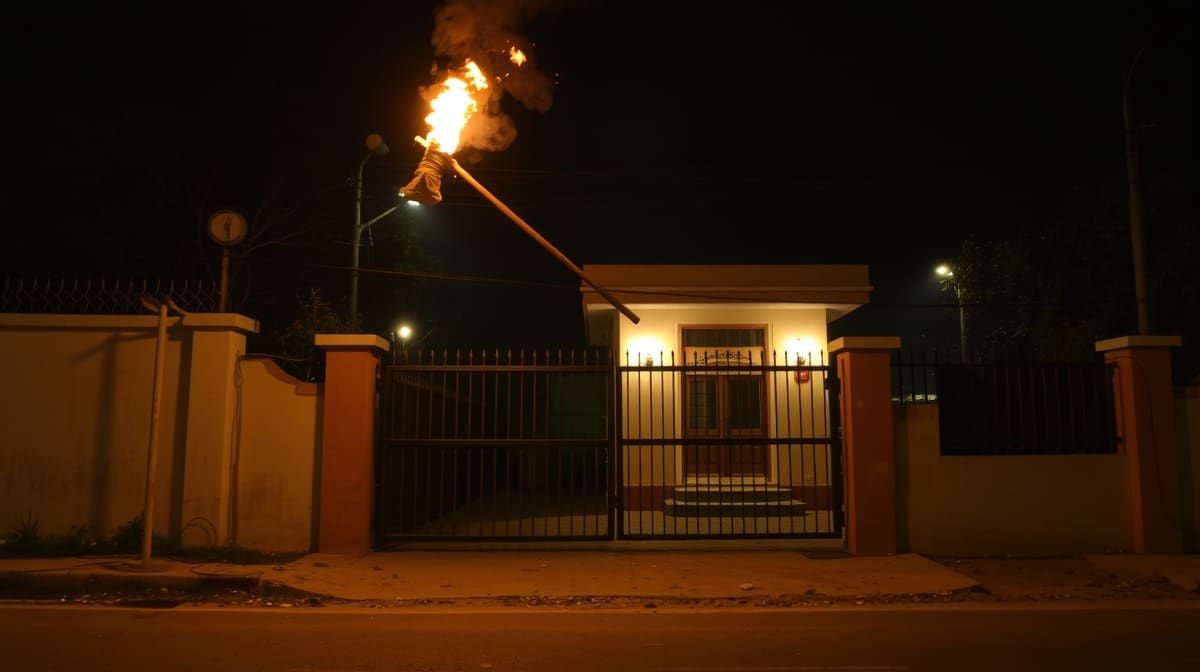
Section 307 IPC | Throwing Burning Effigy at Security Room with Occupants Constitutes Attempt to Murder, Even Without Injury or Weapon: Delhi HC
Case Law Analysis
|Delhi High Court

Section 307 IPC | Throwing Burning Effigy at Security Room with Occupants Constitutes Attempt to Murder, Even Without Injury or Weapon: Delhi HC

The Delhi High Court ruled that deliberately hurling a burning effigy at a guarded security room, knowing occupants are inside, amounts to attempt to murder under Section 307 IPC - protest intent cannot shield intentional acts likely to cause death. This sets a critical precedent for distinguishing legitimate dissent from lethal aggression in public demonstrations.

BNS Section 103(1) | CCTV Evidence Absolving Instigation Mandates Bail Even in Murder Cases : Bombay HC
Case Law Analysis
|Bombay High Court

BNS Section 103(1) | CCTV Evidence Absolving Instigation Mandates Bail Even in Murder Cases : Bombay HC

The Bombay High Court granted bail to an accused in a murder case after CCTV footage conclusively showed no instigation, establishing that mere presence at the scene cannot substitute for active encouragement under BNS Section 103(1). This ruling sharpens the evidentiary standard for abetment, protecting individuals from pre-trial detention based on speculative allegations rather than visual proof.

Section 483 BNSS | Bail Granted in Homicide Case Where CCTV Fails to Place Accused at Scene and No Weapon Recovered : Rajasthan HC
Case Law Analysis
|Rajasthan High Court

Section 483 BNSS | Bail Granted in Homicide Case Where CCTV Fails to Place Accused at Scene and No Weapon Recovered : Rajasthan HC

The Rajasthan High Court granted bail in a murder case despite the gravity of the charge, emphasizing that absence of conclusive CCTV evidence placing the accused at the scene, combined with no recovery of the alleged weapon, undermines the prosecution’s case. The ruling reinforces that judicial custody alone, without flight or tampering risk, cannot justify prolonged detention when evidentiary gaps persist - a critical precedent for accused in serious offences with circumstantial evidence.

Arms Act Section 25 | Bail Granted When CCTV Contradicts Case Diary’s Claim of Armed Firing : Allahabad HC
Case Law Analysis
|Allahabad High Court

Arms Act Section 25 | Bail Granted When CCTV Contradicts Case Diary’s Claim of Armed Firing : Allahabad HC

The Allahabad High Court granted bail to Pawan Kumar after CCTV footage disproved the case diary’s assertion that he fired a firearm, underscoring that speculative allegations cannot justify pre-trial detention. This ruling reinforces the primacy of digital evidence over investigative narratives and pressures law enforcement to align official records with objective footage, especially in overcrowded jail contexts.

Section 482 CrPC | CCTV Footage Disproving Accused's Presence Justifies Quashing of Proceedings : SC
Case Law Analysis
|Supreme Court of India

Section 482 CrPC | CCTV Footage Disproving Accused's Presence Justifies Quashing of Proceedings : SC

The Supreme Court quashed criminal proceedings against three accused after CCTV footage conclusively proved their absence from the crime scene, reinforcing that independent evidence negating allegations warrants quashing under Section 482 CrPC to prevent abuse of process. The ruling sets a precedent for dismissing cases where technological evidence disproves participation.