Topic

revenue jurisdiction

Revenue jurisdiction in Indian law refers to the authority of revenue courts and officers to handle land revenue, tenancy, and mutation matters under state land codes, excluding title disputes resolved by civil courts.

11 articlesLatest July 2026
Section 257 Maharashtra Land Revenue Code | Executive Instructions Cannot Retrospectively Invalidate Occupancy Class-I Conversion Order : Bombay HC
Case Law Analysis
|Bombay High Court

Section 257 Maharashtra Land Revenue Code | Executive Instructions Cannot Retrospectively Invalidate Occupancy Class-I Conversion Order : Bombay HC

Bombay High Court holds that executive instructions under the Maharashtra Land Revenue Code cannot override a valid conversion order granting Occupancy Class-I rights, even retrospectively. The ruling underscores the limited jurisdiction of revenue authorities in contractual disputes and reinforces the finality of duly issued conversion orders, protecting landowners from arbitrary administrative reversals.
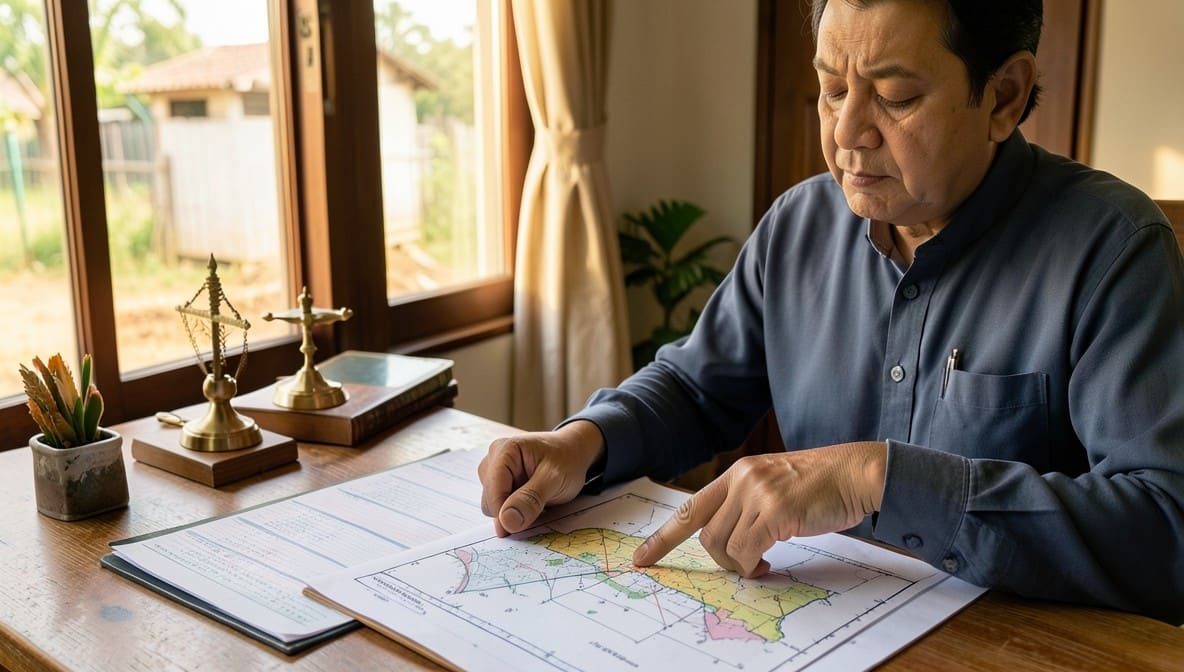

Section 31A Bombay Prevention of Fragmentation Act | Finality of Consolidation Scheme Cannot Be Reopened for Substantive Errors: Bombay HC
Case Law Analysis
|Bombay High Court

Section 31A Bombay Prevention of Fragmentation Act | Finality of Consolidation Scheme Cannot Be Reopened for Substantive Errors: Bombay HC

Bombay High Court holds that Section 31A of the Bombay Prevention of Fragmentation and Consolidation of Holdings Act, 1947, is confined to correcting clerical errors and does not empower authorities to reopen consolidation schemes for substantive mistakes. The ruling reinforces the finality of revenue records post-consolidation, impacting landowners and revenue authorities in property disputes.

MP Land Revenue Code | Revenue Authorities Cannot Quash Registered Sale Deeds Without Reasoned Order : MP HC Gwalior
Case Law Analysis
|Madhya Pradesh High Court

MP Land Revenue Code | Revenue Authorities Cannot Quash Registered Sale Deeds Without Reasoned Order : MP HC Gwalior

The Madhya Pradesh High Court ruled that revenue authorities lack jurisdiction to adjudicate the validity of registered sale deeds or nullify mutations without a reasoned order. The decision reinforces that quasi-judicial bodies must follow due process, protecting bona fide purchasers from arbitrary cancellations of property rights.

Section 250 Chhattisgarh Land Revenue Code | Revenue Authorities Lack Jurisdiction Over Title Disputes When Civil Suit Pending : CGHC
Case Law Analysis
|Chhattisgarh High Court

Section 250 Chhattisgarh Land Revenue Code | Revenue Authorities Lack Jurisdiction Over Title Disputes When Civil Suit Pending : CGHC

Chhattisgarh High Court reinforces that revenue authorities cannot adjudicate title disputes under Section 250 of the Chhattisgarh Land Revenue Code when a civil suit is already pending. The ruling clarifies that revenue authorities' powers are limited to summary possession remedies, preserving civil court jurisdiction over substantive title disputes.

Revenue Courts Lacking Jurisdiction to Grant Injunctions in Private Land Title Disputes | Chhattisgarh HC
Case Law Analysis
|Chhattisgarh High Court

Revenue Courts Lacking Jurisdiction to Grant Injunctions in Private Land Title Disputes | Chhattisgarh HC

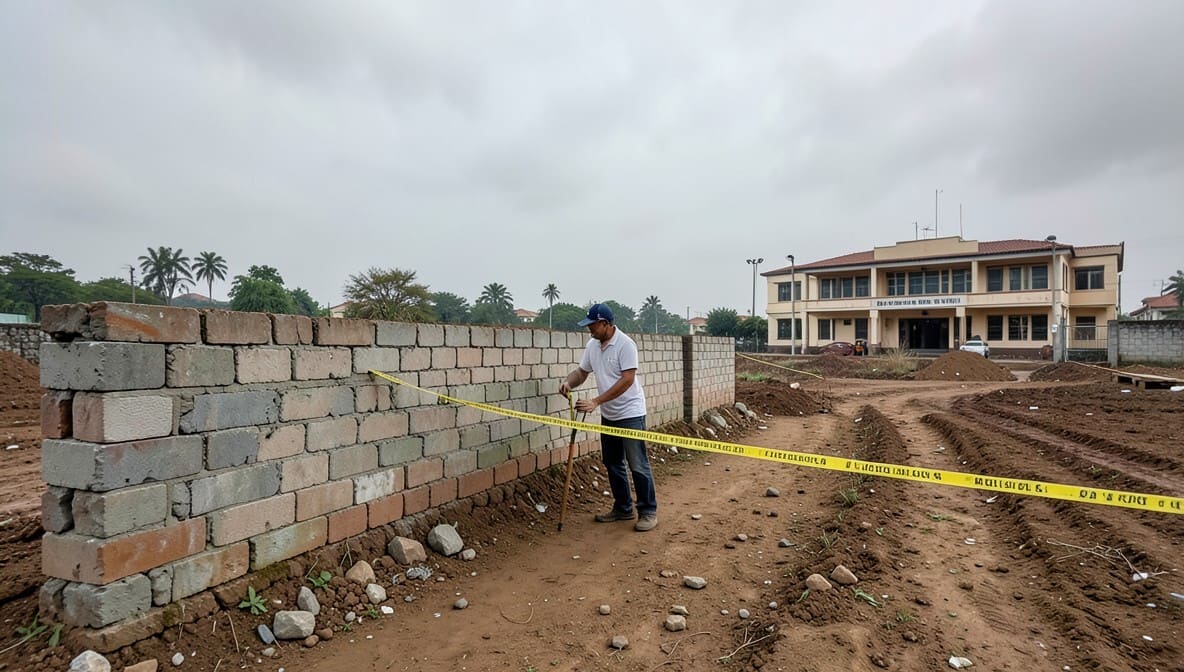
The Chhattisgarh High Court has ruled that revenue officers cannot issue injunctions to halt construction in private land title disputes, reinforcing that only civil courts have the authority to adjudicate ownership claims and grant equitable relief. This clarifies a critical boundary in property law, protecting landowners from unauthorized interference by revenue authorities in civil matters.

Section 61 West Bengal Land Reforms Act | Pendency of Civil Suits Does Not Deprive Revenue Authorities of Jurisdiction : Calcutta HC
Case Law Analysis
|Calcutta High Court

Section 61 West Bengal Land Reforms Act | Pendency of Civil Suits Does Not Deprive Revenue Authorities of Jurisdiction : Calcutta HC

The Calcutta High Court has ruled that pending civil litigation cannot be used to bar revenue tribunals from deciding tenancy and land rights under Section 61 of the West Bengal Land Reforms Act, 1955. This clarifies the statutory separation between civil and revenue jurisdictions, empowering land reform authorities to act even when civil suits over the same land are ongoing - a critical precedent for thousands of pending land disputes in West Bengal.

Res Judicata Bars Revenue Authorities from Reopening Civil Court-Decided Title Disputes | Maharashtra Land Revenue Code Section 149 : Bombay HC
Case Law Analysis
|Bombay High Court

Res Judicata Bars Revenue Authorities from Reopening Civil Court-Decided Title Disputes | Maharashtra Land Revenue Code Section 149 : Bombay HC

Once a civil court conclusively determines ownership of property, revenue authorities cannot revisit the title issue under the Maharashtra Land Revenue Code, even if procedural irregularities occurred in mutation proceedings. This ruling reinforces the finality of civil decrees and prevents endless litigation by revenue departments, protecting property owners from administrative harassment after judicial resolution.