The Chhattisgarh High Court has reaffirmed a foundational principle of civil procedure: revenue officers lack jurisdiction to issue injunctions in private title disputes. This ruling resolves a recurring conflict between administrative revenue authorities and civil litigants, offering immediate clarity to property practitioners navigating unauthorized stays on construction.
Background & Facts
The Dispute
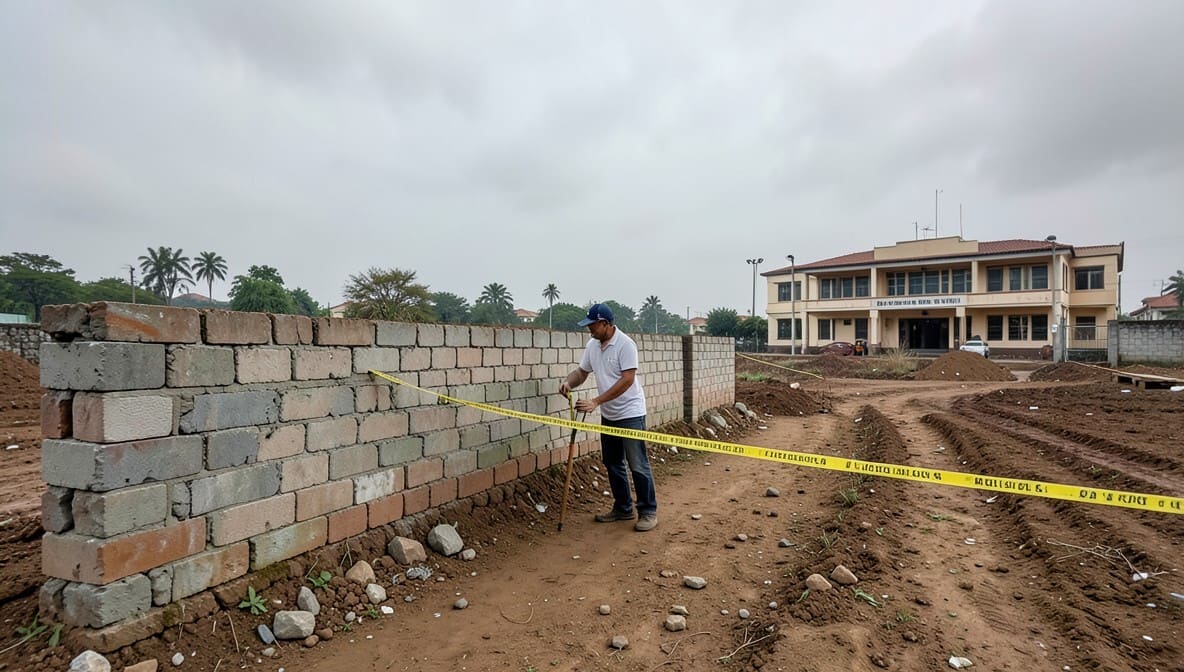
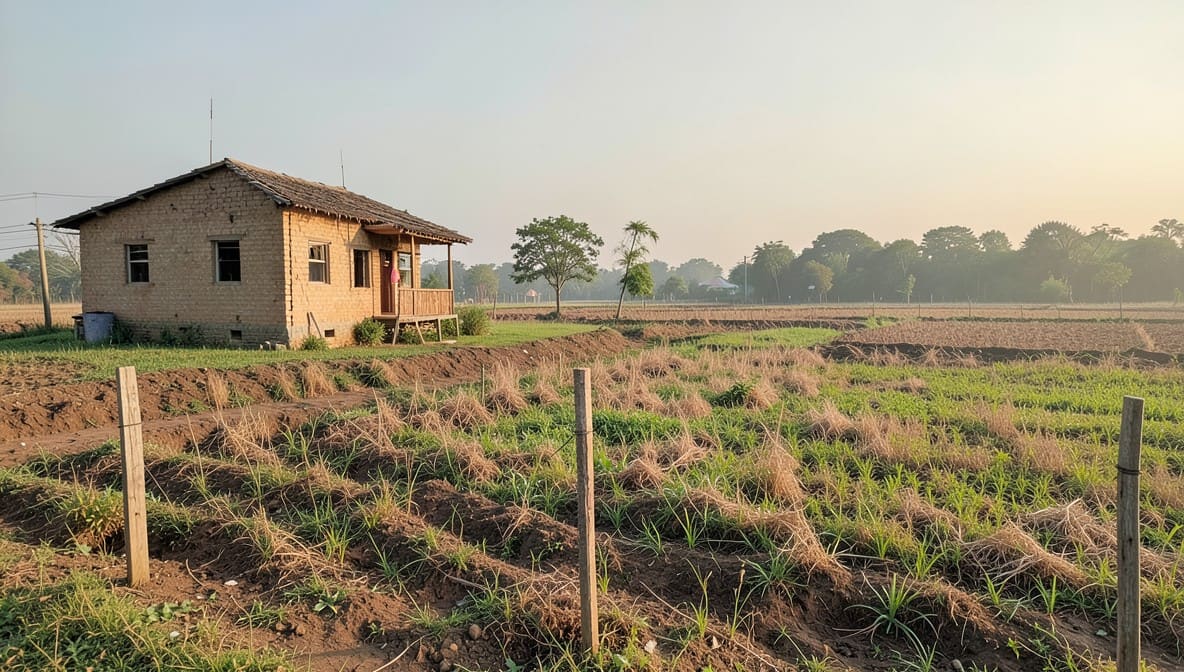
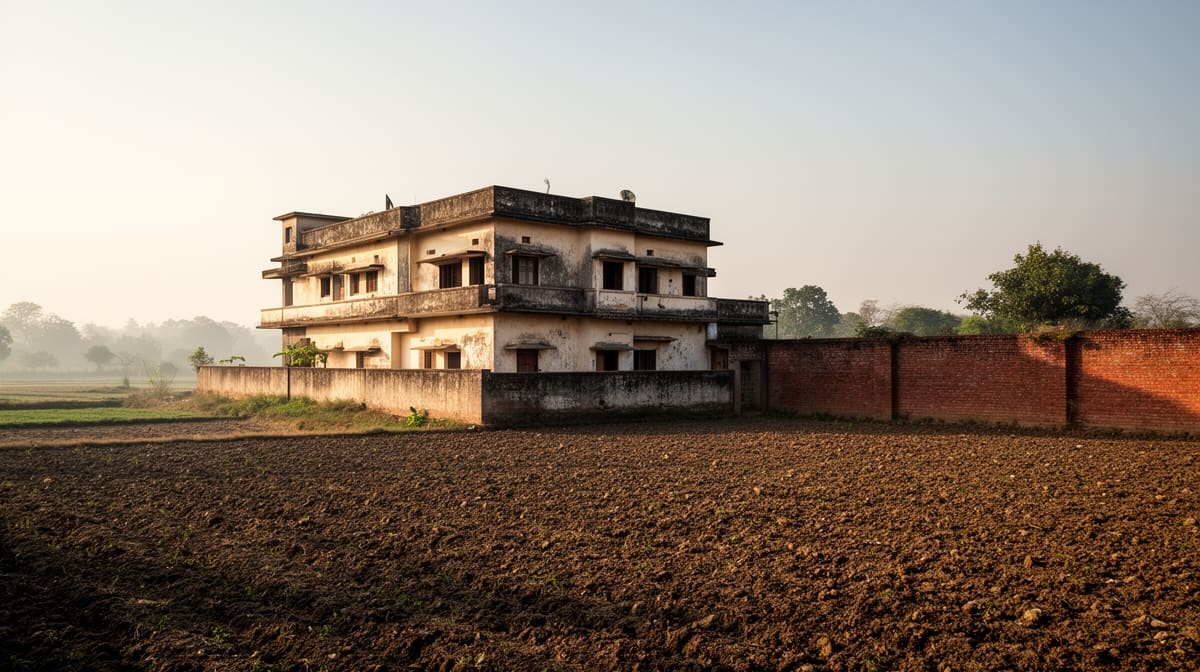
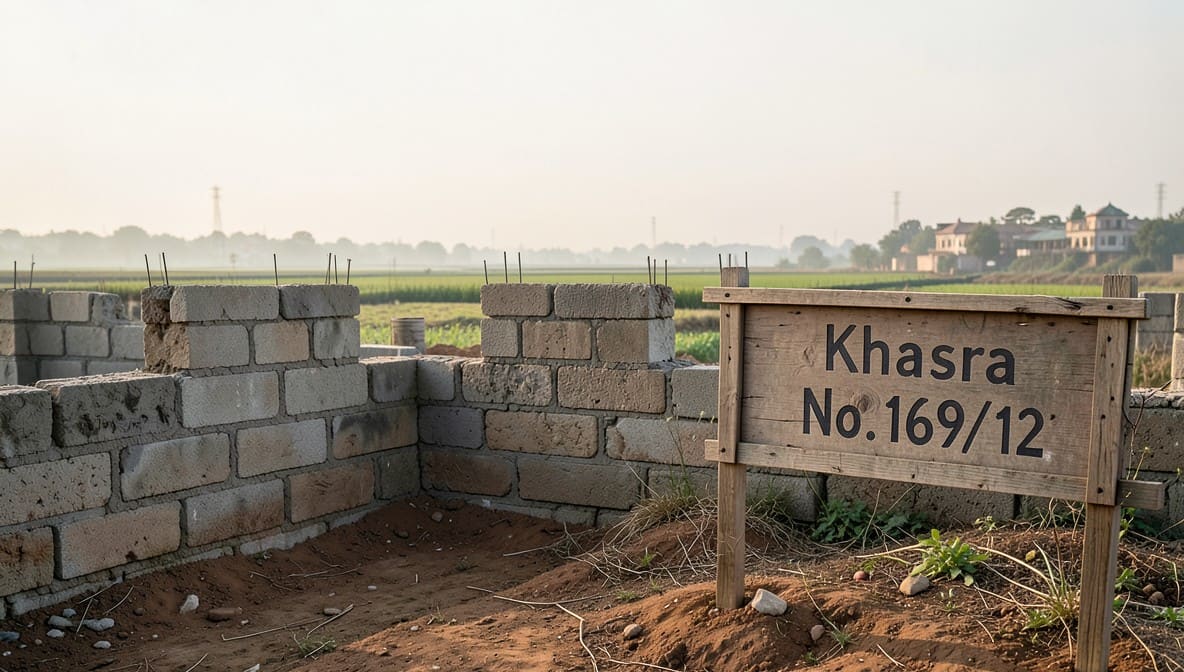
The petitioners - Kholbahra, Lila Ram, and Sahorik - are family members residing in Village Junwani, Tehsil Pachpedi, District Bilaspur, Chhattisgarh. They are engaged in a private civil dispute over ownership of land bearing Khasra No.169/12, measuring 0.073 hectares. The petitioners claim that a prior family partition allocated this land to Sahorik, their father, and that subsequent purchases further solidified their title. They commenced construction on the land in question.
Respondent No.5, Boharic, a brother of Sahorik, contested this claim, asserting his own share in the same land. He filed an application before the Additional Tahsildar, Pachpedi, seeking to restrain the petitioners from construction.
Key Facts
- The disputed land is Khasra No.169/12, area 0.073 hectares, located in Village Junwani, Tehsil Pachpedi
- The petitioners assert title based on a family partition and subsequent purchase of adjacent land from Adhorik
- Construction activities began on the subject land in early 2025
- Respondent No.5 filed an application before the Additional Tahsildar on or before 19.09.2025
- The Additional Tahsildar issued an injunction order on 19.09.2025 (Annexure-P/1) restraining the petitioners from construction
- No civil suit for declaration of title or injunction had been filed in any civil court
Procedural History
- Early 2025: Petitioners commenced construction on Khasra No.169/12
- Before 19.09.2025: Respondent No.5 filed application before Additional Tahsildar, Pachpedi
- 19.09.2025: Additional Tahsildar passed injunction order restraining construction (Annexure-P/1)
- 2026: Writ Petition No.1335 of 2026 filed before the High Court of Chhattisgarh under Article 226
- 01.04.2026: Hearing before Justice Naresh Kumar Chandravanshi
The Parties' Positions
Petitioners: Argued that the dispute is purely civil and pertains to title and possession, which falls exclusively within the jurisdiction of civil courts. They cited binding precedents holding that revenue officers have no power to grant injunctions.
Respondents (State): Did not contest the jurisdictional argument substantively. The State counsel merely submitted that "appropriate order may be passed," indicating no defense of the revenue officer’s action.
Relief Sought
The petitioners sought quashing of the injunction order dated 19.09.2025 and restoration of their right to proceed with construction on their claimed land.
The Legal Issue
Can a Naib Tahsildar or Additional Tahsildar, acting under revenue laws, issue an injunction restraining construction in a private civil dispute over land title?
Arguments Presented
For the Petitioner
The petitioner’s counsel relied on two binding decisions of the Chhattisgarh High Court: Baisahu Ram (died) through LRs v. Khelawan Singh and others (WP No.771/2013, decided on 24.07.2017) and Smt. Vandana Gupta v. State of Chhattisgarh and others (WPC No.235/2020, decided on 16.09.2021). Both judgments held that the power to grant injunctions is exclusively vested in civil courts under the Code of Civil Procedure, and revenue courts, including Tahsildars, lack such jurisdiction. The counsel emphasized that the dispute was not about revenue records or land revenue assessment, but about ownership and possession - a civil cause of action.
For the Respondent/State
The State did not advance any substantive legal argument in defense of the impugned order. The learned counsel for the State merely stated that an appropriate order may be passed, effectively conceding the lack of jurisdiction.
The Court's Analysis
The Court undertook a clear doctrinal analysis grounded in the separation of jurisdiction between civil and revenue courts. It observed that the impugned order dated 19.09.2025 was passed in response to a claim of title and possession, which is quintessentially a civil dispute. The Court noted that the Additional Tahsildar, despite being a revenue officer, attempted to exercise powers akin to a civil court by issuing a stay on construction.
"Order to grant injunction is surely vested in the jurisdictional civil court, revenue courts cannot grant order of injunction."
The Court reaffirmed this principle from Baisahu Ram and Vandana Gupta, both of which had extensively examined the statutory framework under the Chhattisgarh Land Revenue Code and the Code of Civil Procedure. The Court emphasized that revenue officers are empowered to maintain land records, assess revenue, and resolve disputes concerning revenue liability or mutation of names - but not to adjudicate title or grant injunctions.
The Court further held that even if a revenue officer were to entertain a claim of title, the remedy lies in filing a civil suit, not in issuing an ex parte injunction that effectively freezes property rights without due process. The impugned order, therefore, was not merely erroneous - it was ultra vires.
The Verdict
The writ petition succeeded. The High Court quashed the injunction order dated 19.09.2025 passed by the Additional Tahsildar, Pachpedi. The petitioners are restored to their right to proceed with construction on Khasra No.169/12 without interference from revenue authorities. No costs were awarded.
What This Means For Similar Cases
Revenue Officers Cannot Act as Civil Judges
- Practitioners must immediately challenge any injunction order issued by Tahsildars, Naib Tahsildars, or other revenue officers in title or possession disputes
- Such orders are void ab initio and subject to immediate quashing under Article 226
- Filing a civil suit remains the only lawful route to obtain an injunction in private land disputes
Civil Courts Remain the Sole Forum for Injunctions
- Any application seeking restraint on construction, demolition, or possession must be filed in the appropriate civil court under Order XXXIX of the CPC
- Revenue authorities may record statements or maintain records, but cannot issue binding prohibitory orders
- Lawyers should cite Baisahu Ram and Vandana Gupta as binding precedent in all such challenges
Procedural Safeguards Are Non-Negotiable
- Ex parte injunctions by revenue officers violate principles of natural justice
- Parties must be heard before any restraint on property rights is imposed
- Courts will not tolerate administrative overreach disguised as revenue administration