Topic

Summary Proceedings

Summary proceedings in Indian law refer to expedited judicial processes under specific statutes like CrPC, Motor Vehicles Act, or municipal laws, designed for quick resolution of limited disputes without full trial formalities.

10 articlesLatest July 2026
Sections 7 and 9, Mamlatdar's Courts Act | Non-Compliant Pleadings Must Be Remanded for Amendment, Not Dismissed : Bombay HC
Case Law Analysis
|Bombay High Court

Sections 7 and 9, Mamlatdar's Courts Act | Non-Compliant Pleadings Must Be Remanded for Amendment, Not Dismissed : Bombay HC

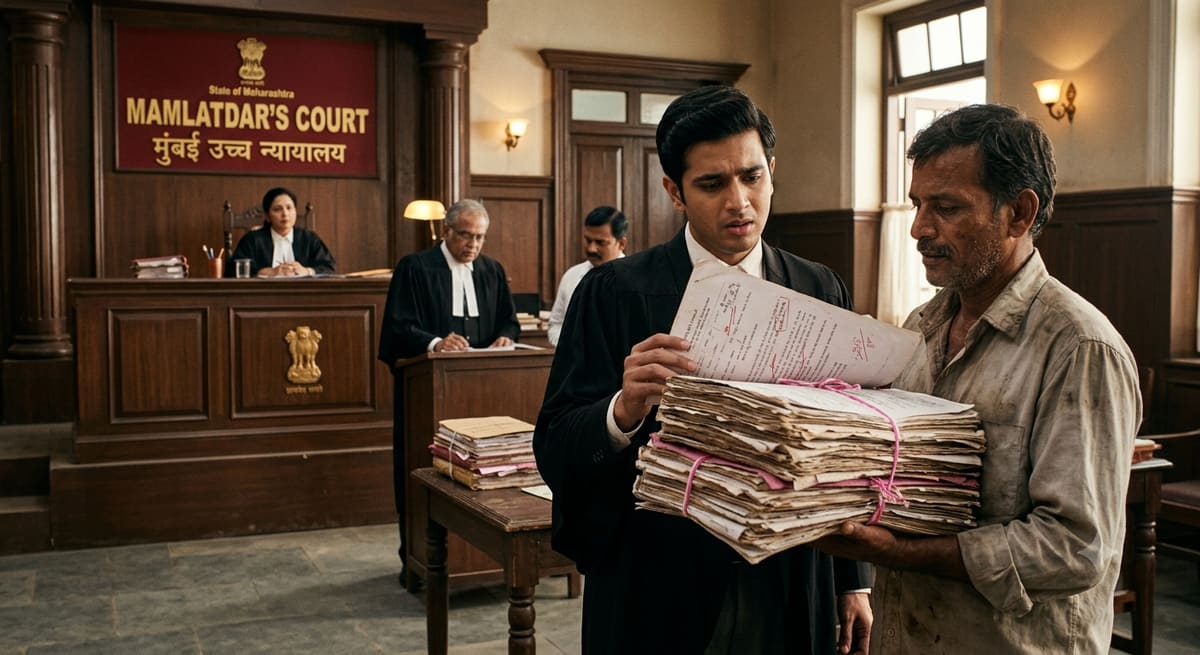
The Bombay High Court has ruled that defects in pleadings under Sections 7 and 9 of the Mamlatdar's Courts Act, such as lack of verification or missing cause of action date, do not warrant outright dismissal. Instead, authorities must allow amendment and remand for fresh adjudication, preserving access to summary revenue remedies while upholding procedural fairness for litigants in property and land disputes.
Section 250 Chhattisgarh Land Revenue Code | Revenue Authorities Lack Jurisdiction Over Title Disputes When Civil Suit Pending : CGHC
Case Law Analysis
|Chhattisgarh High Court

Section 250 Chhattisgarh Land Revenue Code | Revenue Authorities Lack Jurisdiction Over Title Disputes When Civil Suit Pending : CGHC

Chhattisgarh High Court reinforces that revenue authorities cannot adjudicate title disputes under Section 250 of the Chhattisgarh Land Revenue Code when a civil suit is already pending. The ruling clarifies that revenue authorities' powers are limited to summary possession remedies, preserving civil court jurisdiction over substantive title disputes.

Section 169 Motor Vehicles Act | Final Opportunity to Add Evidence in Summary Proceedings Upheld on Natural Justice Grounds : MP HC Gwalior
Case Law Analysis
|Madhya Pradesh High Court

Section 169 Motor Vehicles Act | Final Opportunity to Add Evidence in Summary Proceedings Upheld on Natural Justice Grounds : MP HC Gwalior

The Madhya Pradesh High Court has ruled that even in summary proceedings under the Motor Vehicles Act, denying a claimant a final chance to examine an independent witness violates natural justice. This sets a critical precedent for tribunals to balance procedural efficiency with the right to a fair hearing, especially when claimants are economically vulnerable and the evidence could substantially affect compensation outcomes.

Section 26 Chhattisgarh Municipalities Act | Minor Counting Errors Insufficient to Overturn Election; Gross Illegality Required: Chhattisgarh HC
Case Law Analysis
|Chhattisgarh High Court

Section 26 Chhattisgarh Municipalities Act | Minor Counting Errors Insufficient to Overturn Election; Gross Illegality Required: Chhattisgarh HC

Chhattisgarh High Court upholds the sanctity of voter mandate, ruling that election results can only be set aside for gross illegality, not minor discrepancies or procedural lapses. The judgment reinforces that objections must be raised during the counting process to be valid, protecting municipal election outcomes from frivolous challenges.