The Bombay High Court has set a critical precedent on the scope of Section 105 of the Bharatiya Nyaya Sanhita, 2023, clarifying that criminal liability for culpable homicide not amounting to murder cannot be imposed vicariously on a corporate representative merely for outsourcing work to a contractor. The judgment underscores that knowledge of the likelihood of death is a mandatory ingredient for attracting Section 105, and absent such knowledge, no liability can be fastened on a managerial employee for the acts of an independent contractor.
Background & Facts
The Incident
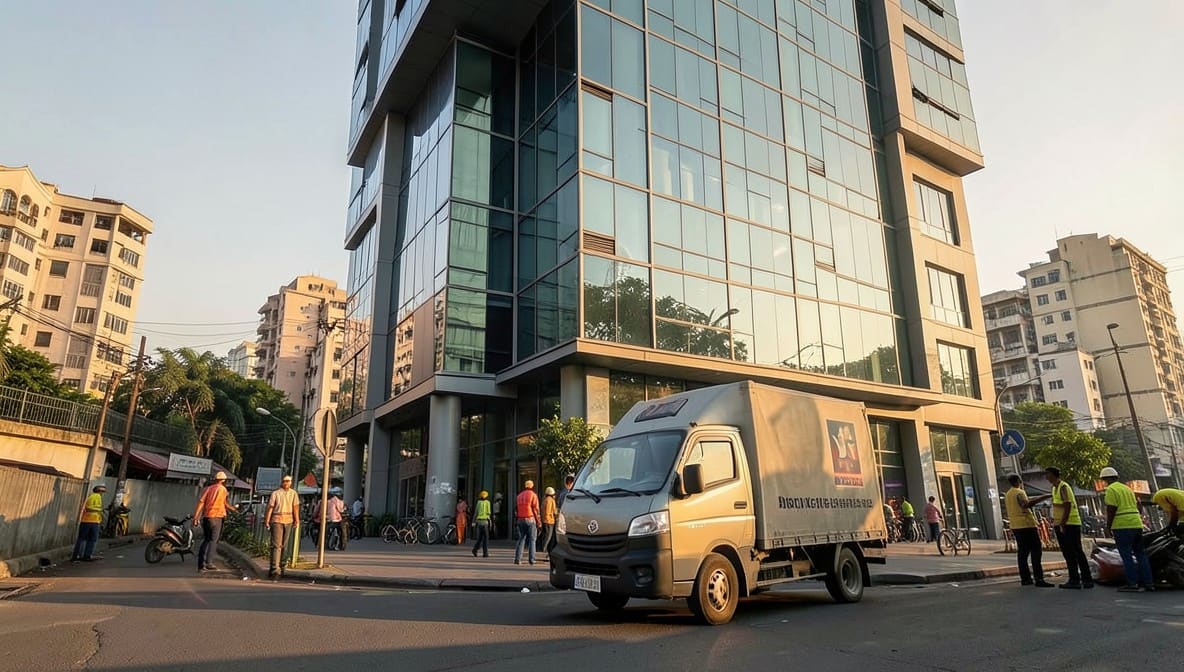
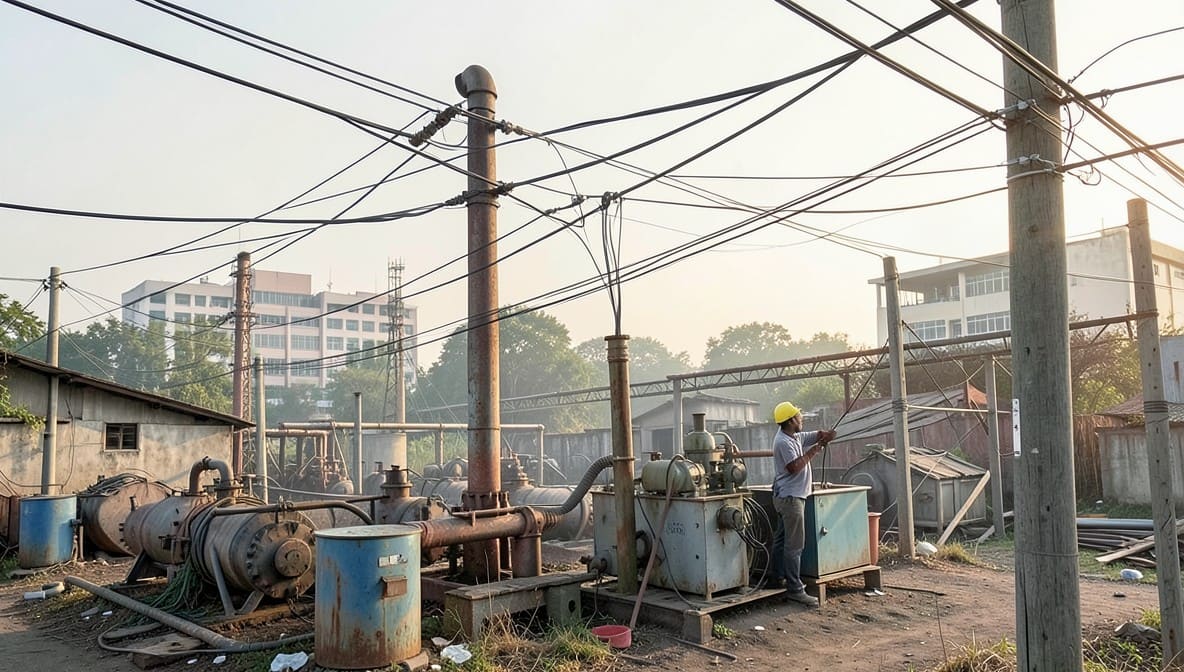
On 13.06.2025, between 16.00 and 18.00 hours, an air-conditioner installed at the "Cloud Kitchen" owned by M/s Rebel Foods Pvt. Ltd., located at Plot No. 38, Veer Savarkar Marg, Mahim, Mumbai, malfunctioned due to a gas leak. The company engaged Ashok Naik, proprietor of M/s Crystal Aircon, to repair the air-conditioner. Ashok Naik deployed four workers - Noor Alam Ahmed Ali Sheikh, Pravin Kumar Pujari, Mukesh B. Gupta, and Shivmohan Pal - to carry out the repairs without any safety equipment. During the repair, the compressor exploded, resulting in the death of Noor Alam Ahmed Ali Sheikh and injuries to the other workers.
The Impugned FIR
- 13.06.2025: FIR Crime No. I-0282/2025 registered at Mahim Police Station under Sections 105, 125(a), 125(b), 288, 289, and 324(5) of the Bharatiya Nyaya Sanhita, 2023 (BNS 2023).
- The complaint was lodged by Police Constable Vikas A. Mali.
- Ashok Naik (Accused No. 1) and the Petitioner, Pramod Nivrutt Ghuge (General Manager of Rebel Foods Pvt. Ltd., Accused No. 2), were implicated in the FIR.
Procedural History
- 13.06.2025: FIR registered.
- Sessions Case No. 1345 of 2025: Charge-sheet filed, pending before the 10th Sessions Judge, Mumbai.
- Criminal Writ Petition No. 1065 of 2026: Filed under Article 226 of the Constitution of India read with Section 528 of the Bharatiya Nagarik Suraksha Sanhita, 2023 (BNSS 2023), seeking quashing of the FIR and charge-sheet.
- 22.06.2026: Judgment pronounced by the Bombay High Court.
Relief Sought
The Petitioner sought quashing of the impugned FIR and the charge-sheet qua the Petitioner, arguing that no criminal liability could be fastened on him for the acts of Accused No. 1.
The Legal Issue
The central question before the Court was whether Section 105 of the BNS 2023 could be invoked against the Petitioner, who merely outsourced the repair work to an independent contractor, without any knowledge or intention that the contractor’s acts were likely to cause death or grievous injury.
Arguments Presented
For the Petitioner
- The Petitioner, as the General Manager of Rebel Foods Pvt. Ltd., merely awarded the contract for air-conditioner repair to Accused No. 1.
- The entire responsibility for the repair work, including safety measures, lay with Accused No. 1.
- The ingredients of Section 105 BNS 2023 were absent against the Petitioner, as he had no knowledge or intention regarding the likelihood of death or injury.
- No allegations were made that the Petitioner was required to supervise the repair work or possessed technical expertise to do so.
For the Respondent-State
- The ingredients of Section 105 BNS 2023 were made out against the Petitioner, as he engaged Accused No. 1 for the repair work.
- The Petitioner could not shirk responsibility for ensuring that the repair work was carried out with due care and caution.
The Court's Analysis
The Court examined the essential ingredients of Section 105 BNS 2023, which mirrors Section 304 Part II of the Indian Penal Code (IPC). The Court relied on the Supreme Court’s judgment in Yuvraj Laxmilal Kanther v. State of Maharashtra (2025 SCC OnLine SC 520), which held that:
"The basic ingredient of Section 304 Part II IPC is the presence of knowledge and absence of intention. The doer must have the knowledge that the act performed by him would likely cause death etc., but there should not be any intention to cause death."
The Court further cited its own decision in Pavneet Singh Sethi v. State of Maharashtra (2017 SCC OnLine Bom 9108), which emphasized that:
"Commission of the offence of culpable homicide under Section 304(II) IPC requires some positive act on the part of the accused as distinguished from silence, inaction, or mere lapses."
Applying these principles, the Court observed:
- The Petitioner’s role was limited to outsourcing the repair work to Accused No. 1, an independent entity with exclusive control over its employees.
- There were no allegations that the Petitioner was required to supervise the repair work or possessed technical knowledge to do so.
- The absence of knowledge on the Petitioner’s part regarding the likelihood of death or injury precluded the application of Section 105 BNS 2023.
- The impugned FIR and charge-sheet, taken at face value, did not disclose the ingredients of Sections 125(a), 125(b), 288, 289, or 324(5) BNS 2023 against the Petitioner.
The Court invoked the guidelines laid down in State of Haryana v. Bhajan Lal (1992 Supp (1) SCC 335) to prevent abuse of the process of justice.
The Verdict
The Petition was allowed in terms of prayer clause (B). The Court quashed and set aside the impugned FIR (Crime No. I-0282/2025) and the charge-sheet qua the Petitioner. Rule was made absolute, and there was no order as to costs.
What This Means For Similar Cases
Knowledge Is the Key Ingredient Under Section 105 BNS
- No vicarious liability can be imposed on a corporate representative merely for outsourcing work to an independent contractor.
- Section 105 BNS 2023 requires proof of knowledge that the act was likely to cause death or grievous injury. Absent such knowledge, no liability can be fastened.
- The judgment reinforces that criminal liability cannot be presumed based on a managerial role alone.
No Liability Without Positive Act or Supervision
- The Court distinguished between positive acts (which attract liability) and mere inaction or lapses (which do not).
- Where the accused had no supervisory role or technical expertise, and the work was entrusted to an independent contractor, no criminal liability arises under Section 105 BNS.
Safeguards Against Abuse of Criminal Process
- The judgment aligns with the guidelines in Bhajan Lal, emphasizing that FIRs cannot be used as tools for harassment where no prima facie case is made out.
- Practitioners can rely on this judgment to challenge FIRs where corporate representatives are implicated without specific allegations of knowledge or intention.