Topic

Accidental Death

Accidental death in Indian law refers to unintentional fatalities arising from unforeseen events, excluding criminal intent or negligence, and are governed by statutes like the BNS, IPC, and Employees' Compensation Act.

5 articlesLatest May 2026
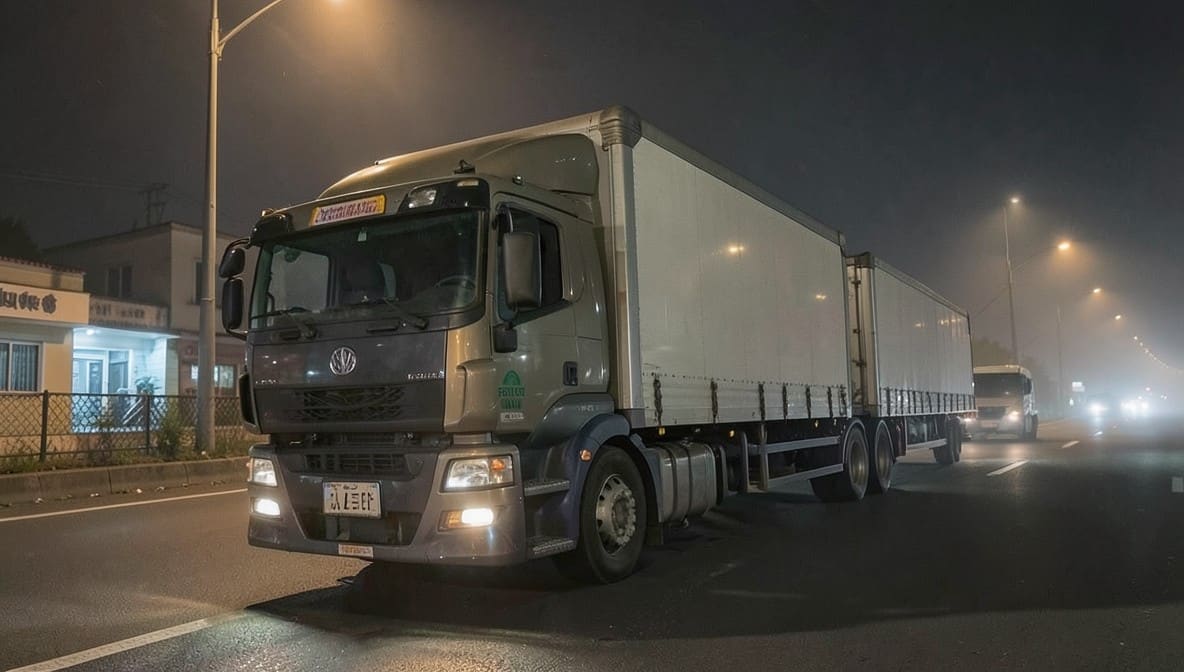
Employees' Compensation Act | Cardiac Death Due to Work Stress During Long-Haul Driving Constitutes Accidental Death : MP HC
Case Law Analysis
|Madhya Pradesh High Court

Employees' Compensation Act | Cardiac Death Due to Work Stress During Long-Haul Driving Constitutes Accidental Death : MP HC

MP High Court rules that cardiac arrest triggered by employment-related stress and fatigue during long-distance driving qualifies as an 'accidental death' under the Employees' Compensation Act, 1923. The judgment reinforces that employers are liable for compensation where a causal nexus exists between work conditions and fatal health events, even in the absence of external injury.


Section 103(1) & 61(2) BNS | Bail Granted in Accidental Death Due to Mechanical Failure, No Custodial Interrogation Needed: Allahabad HC
Case Law Analysis
|Allahabad High Court

Section 103(1) & 61(2) BNS | Bail Granted in Accidental Death Due to Mechanical Failure, No Custodial Interrogation Needed: Allahabad HC

The Allahabad High Court granted bail in an accidental death case under BNS, holding that where death results from unforeseen mechanical failure during agricultural work - with no motive, no criminal history, and no need for custodial interrogation - pre-trial detention violates proportionality and Article 21. This reinforces that bail must be the norm even in non-bailable offences when facts point to accident, not intent.

IPC 302 & 498A | Accidental Death Evidence and Lack of Custodial Need Justify Bail Despite Dowry Death Allegations : Allahabad HC
Case Law Analysis
|Allahabad High Court

IPC 302 & 498A | Accidental Death Evidence and Lack of Custodial Need Justify Bail Despite Dowry Death Allegations : Allahabad HC

Allahabad HC grants bail in a dowry death case under IPC 302 and 498A, emphasizing accidental death evidence from postmortem reports and witness statements, absence of custodial interrogation need, and jail overcrowding. The ruling underscores that bail may be granted even in serious offences if prosecution fails to establish prima facie culpability beyond accidental circumstances.

Section 106 BNS | Accidental Electrocution During Voluntary Technical Work Not Per Se Rash or Negligent: Chhattisgarh HC
Case Law Analysis
|Chhattisgarh High Court

Section 106 BNS | Accidental Electrocution During Voluntary Technical Work Not Per Se Rash or Negligent: Chhattisgarh HC

The Chhattisgarh High Court held that when a qualified electrician dies in an accident while performing voluntary technical work, the employer’s role in providing illegal wiring does not automatically amount to rash or negligent conduct under Section 106 of the Bhartiya Nyay Sanhita. This clarifies the boundary between criminal liability and assumed occupational risk, protecting homeowners and contractors from overcriminalization of workplace accidents.

Section 124A Railways Act | Accidental Fall from Train by Bonafide Passenger is 'Untoward Incident' Entitling Heirs to Compensation : Bombay HC
Case Law Analysis
|Bombay High Court

Section 124A Railways Act | Accidental Fall from Train by Bonafide Passenger is 'Untoward Incident' Entitling Heirs to Compensation : Bombay HC

Bombay High Court clarifies that an accidental fall from a train by a valid ticket-holding passenger qualifies as an 'untoward incident' under Section 124A of the Railways Act, 1989, overturning the Tribunal’s reliance on speculative inferences. The ruling mandates compensation for heirs, reinforcing strict liability in railway accidents regardless of fault.