The Himachal Pradesh High Court has reaffirmed that a chance recovery of narcotics by patrolling police officers, without the association of independent witnesses, does not invalidate a prosecution case under the NDPS Act, provided the chain of custody and evidentiary integrity are established. The judgment also significantly modifies the sentence imposed, emphasizing proportionality in sentencing for small quantities of heroin.
Background & Facts
The Dispute
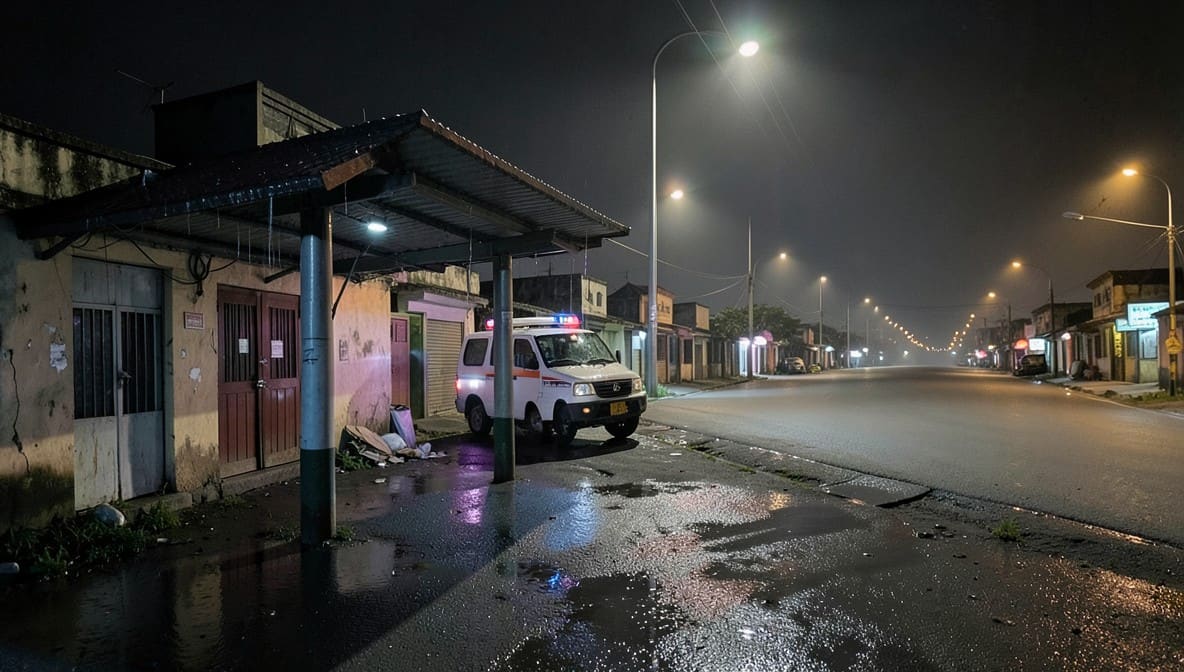
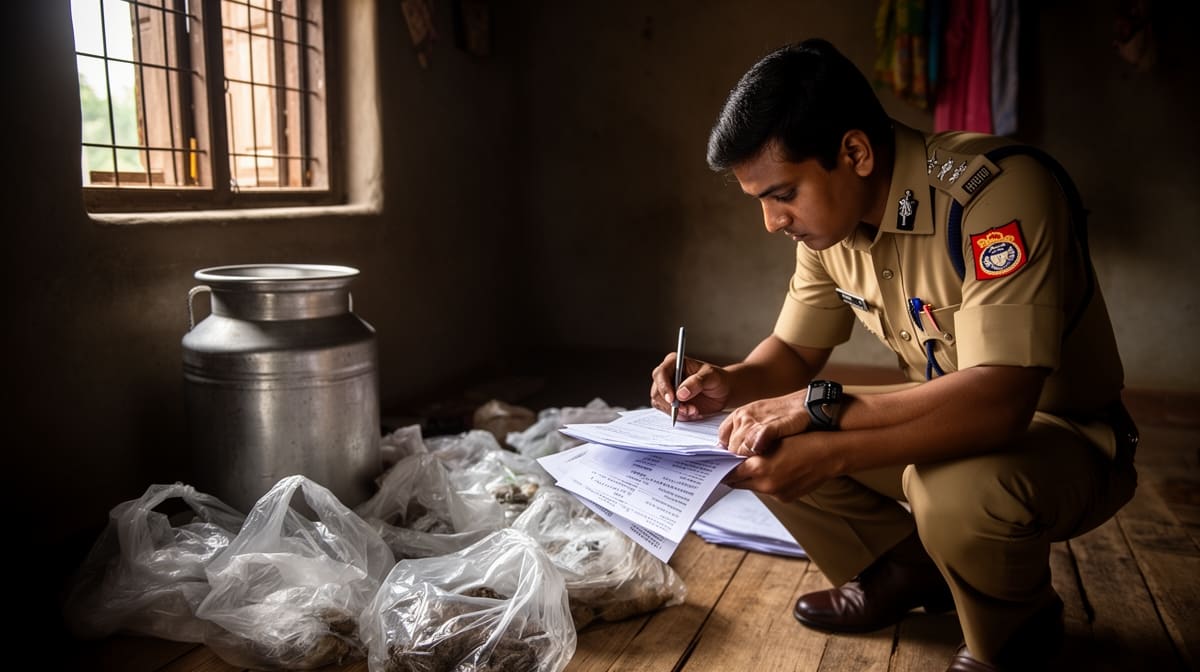
The appellant, Karan Kumar, was convicted under Section 21 of the Narcotic Drugs and Psychotropic Substances Act, 1985, for possession of 6.18 grams of heroin. The prosecution alleged that on 11.07.2019, while on patrolling duty near Indora Curve in District Kangra, police personnel observed the appellant acting suspiciously, attempting to flee upon seeing them, and discarding a packet containing heroin into nearby bushes. The police recovered the packet, conducted a personal search of the appellant, and followed prescribed procedures for sealing, documentation, and forensic analysis.
Key Facts
- The incident occurred on 11.07.2019 at approximately 2:45 PM near Indora Curve, Kangra.
- The recovery was made by Head Constable Deepak (PW13), Constable Amit Kumar (PW11), and Head Constable Rocky (PW10) during routine patrolling.
- The appellant was apprehended after running approximately 10-15 steps.
- A transparent polythene packet containing a light-yellow substance was recovered from the bushes.
- The substance was weighed at 6.18 grams, including the polythene packet.
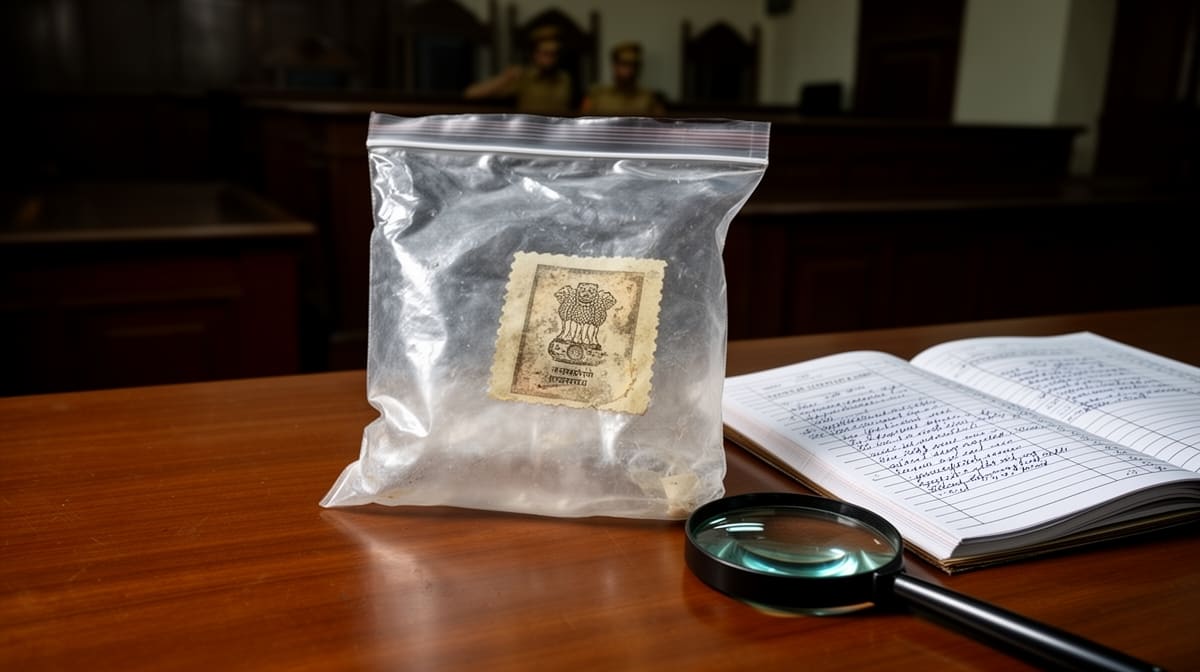
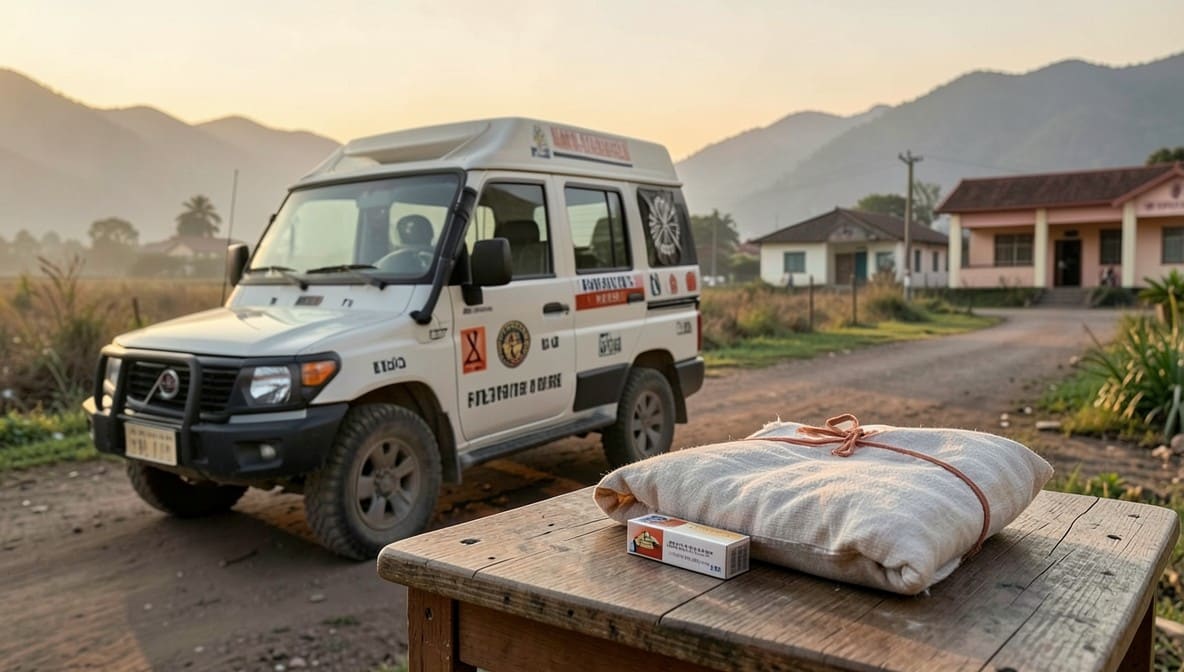
- The packet was placed in an empty matchbox (Ext.MO2), then sealed inside a cloth parcel (Ext.MO1) with six seal impressions of seal ‘S’.
- The NCB-1 Form (Ext.P29/PW9) was completed and sealed with the same seal ‘S’.
- A sample seal impression (Ext.P33/PW11) was taken on a separate cloth and handed to Nikhil Mehra (PW12), an independent witness.
- The appellant was offered and consented to a personal search before a Gazetted Officer (Ext.P35/PW11).
- Tehsildar Gian Chand (PW7) conducted the personal search at 4:30 PM; no contraband was found on his person.
- A rukka (Ext.P36/PW13) was prepared and sent to the police station by Constable Amit Kumar (PW11).
- FIR (Ext.P27/PW9) was registered by Ajeet Kumar (PW9) on 11.07.2019.
- The case property was handed over to SI Kuldeep Chand (PW14) on 11.07.2019.
- The parcel was resealed by SI Kuldeep Chand (PW14) with seal ‘T’ at three places on 11.07.2019.
- A re-sealing certificate (Ext.P30/PW9) was issued.
- The property was deposited in Malkhana at S. No. 68/19 on 11.07.2019.
- On 14.07.2019, the case property and sample seal were handed over to LHC Kuljeet (PW4) for forwarding to the State Forensic Science Laboratory (SFSL), Junga, under RC No. 55/21.
- The SFSL report (Ext.PX) dated 17.07.2019 confirmed the substance as diacetylmorphine (heroin) weighing 5.875 grams (excluding the polythene packet).
- The appellant was charged on 06.09.2025 and pleaded not guilty.
- The Trial Court convicted him on 06.09.2025 and sentenced him to five years rigorous imprisonment, a fine of ₹1 lakh, and one year simple imprisonment in default of fine.
Procedural History
- 11.07.2019: Incident and recovery.
- 11.07.2019: FIR registered.
- 17.07.2019: SFSL report issued.
- 06.09.2025: Conviction and sentencing by the H.P. State Waqf Tribunal (acting as Special Judge).
- 04.05.2026: Judgment delivered by the Himachal Pradesh High Court on appeal.
The Parties' Positions
Appellant (Karan Kumar): Claimed false implication. Argued that no independent witness from the nearby factory or school was associated despite proximity. Contended that the seal was not produced in court for comparison, rendering the chain of custody suspect. Asserted contradictions in witness statements on timing and presence of the Tehsildar’s driver.
Respondent (State of H.P.): Maintained that the recovery was a chance occurrence during patrolling, and no legal obligation existed to involve independent witnesses. Emphasized that specimen seal impressions were exhibited and the SFSL report confirmed seal integrity. Argued that minor inconsistencies in time estimates were trivial and did not affect the core of the case.
Relief Sought
The appellant sought setting aside of the conviction and sentence, and acquittal. Alternatively, he sought reduction of the sentence as disproportionate to the quantity of heroin recovered.
The Legal Issue
The central questions were: (1) Whether the failure to associate independent witnesses during a chance recovery by patrolling police renders the prosecution case invalid under the NDPS Act; and (2) Whether the non-production of the physical seal in court, in the presence of specimen seal impressions and an intact SFSL report, is fatal to the prosecution’s case; and (3) Whether a five-year sentence for possession of 5.875 grams of heroin is proportionate under the NDPS Act.
Arguments Presented
For the Appellant
The appellant’s counsel argued that the recovery was not credible due to the absence of independent witnesses from nearby locations - a factory and a school - both within 150-300 meters. He contended that the police deliberately avoided associating bystanders, raising suspicion of fabrication. He further argued that the physical seal used to secure the parcel was not produced in court, making verification impossible. He cited contradictions in witness statements regarding the arrival time of the Tehsildar, the time of rukka preparation, and the presence of the Tehsildar’s driver as material inconsistencies that undermined the prosecution’s version. He submitted that the five-year sentence was excessive for a small quantity and violated the principle of proportionality.
For the Respondent
The Additional Advocate General contended that the recovery was a spontaneous, chance event during routine patrolling, and the police were under no legal obligation to carry independent witnesses. He relied on Kashmira Singh v. State of Punjab and Raveen Kumar v. State of H.P. to assert that non-association of independent witnesses is not fatal. He emphasized that specimen seal impressions (Ext.P33/PW11 and Ext.P42/PW14) were exhibited and matched the seal on the parcel, and the SFSL report confirmed the seals remained intact. He argued that minor discrepancies in time estimates were inevitable due to human memory and did not affect the core narrative of the recovery. He maintained that the sentence was justified under the deterrent purpose of the NDPS Act.
The Court's Analysis
The Court undertook a meticulous review of the evidence, applying established precedents on police testimony, seal integrity, and sentencing proportionality.
The Court first addressed the issue of independent witnesses. It held that the recovery was a chance occurrence during patrolling, and the police were under no obligation to carry independent witnesses. Citing Kashmira Singh v. State of Punjab and Raveen Kumar v. State of H.P., the Court observed:
"The police party is under no obligation to join independent witnesses while going on patrolling duty, and the association of any person after effecting the recovery would be meaningless."
It further noted that Nikhil Mehra (PW12), though not a bystander from the locality, was approached after the recovery and corroborated key aspects - the recovery of the packet, its contents, the weighing, and the signing of documents. The Court relied on State of Uttar Pradesh v. Nahar Singh to hold that unchallenged admissions in cross-examination are binding:
"Where the testimony of a witness is not challenged in the cross-examination, the same cannot be challenged during the arguments."
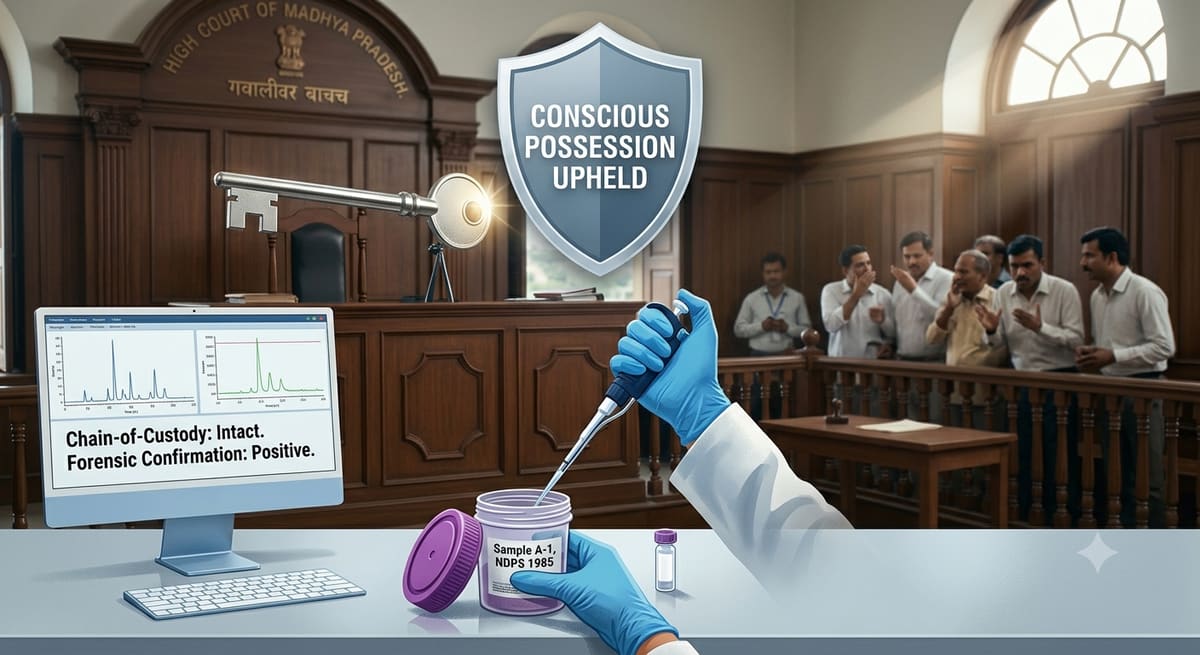
The Court then examined the seal issue. It rejected the appellant’s contention that non-production of the physical seal was fatal. It noted that specimen seal impressions (Ext.P33/PW11 and Ext.P42/PW14) were exhibited and matched the seal impressions on the NCB-1 Form and the parcel. The SFSL report explicitly confirmed that the seals on the parcel received were intact and tallied with the specimen seals. Citing Varinder Kumar v. State of H.P. and Hardeep Singh v. State of Punjab, the Court held:
"Failure to produce the seal in court is not fatal if specimen seal impressions are exhibited and the integrity of the chain of custody is established."
Regarding contradictions in witness statements - on the time of arrival of the Tehsildar, the time of rukka preparation, and the presence of the driver - the Court applied the principle from Rajan v. State of Haryana and Karan Singh v. State of U.P.:
"Minor discrepancies on trivial matters not touching the core of the case... would not ordinarily permit rejection of the evidence as a whole."
It held that time estimates are inherently approximate and subject to human error, and the presence of a driver with the Tehsildar was a natural assumption, not a contradiction.
On the credibility of police testimony, the Court reiterated that police officers are not inherently untrustworthy. Citing State (NCT of Delhi) v. Sunil and Sathyan v. State of Kerala, it held:
"The court cannot start with the presumption that the police records are untrustworthy. As a proposition of law, the presumption should be the other way around."
Finally, the Court turned to sentencing. It noted that the Central Government has notified 5 grams of heroin as a small quantity and 250 grams as a commercial quantity. The actual quantity of heroin recovered was 5.875 grams, just above the threshold for small quantity. The Court applied the principle of proportionality from Uggarsain v. State of Haryana and Ahmed Hussein Vali Mohammed Saiyed v. State of Gujarat, observing:
"The sentence should deter the criminal from achieving the avowed object to break the law, and the endeavour should be to impose an appropriate sentence."
It held that a five-year sentence for possession of 5.875 grams of heroin was disproportionate and excessive, particularly in the absence of any aggravating circumstances such as trafficking, weapon possession, or prior record.
The Verdict
The appeal was partly allowed. The conviction under Section 21 of the NDPS Act was upheld, but the sentence was modified. The appellant is sentenced to undergo rigorous imprisonment for one year, pay a fine of ₹10,000, and in default of payment, undergo simple imprisonment for one month. He is entitled to set off the period of imprisonment already undergone during trial. Modified jail warrants are to be prepared. The judgment is to be sent back to the Trial Court forthwith.
What This Means For Similar Cases
Chance Recovery Does Not Require Independent Witnesses
- Practitioners must argue that when recovery occurs during routine patrolling without prior information, the absence of independent witnesses is not a ground for acquittal.
- The focus must shift to the credibility of the recovery narrative, the integrity of the chain of custody, and the reliability of specimen seals.
- Courts will not permit acquittal based on the mere absence of bystanders from nearby locations.
Seal Integrity Is Proven Through Specimen Impressions, Not Physical Production
- The non-production of the physical seal is not fatal if specimen seal impressions are exhibited and matched with those on the NCB-1 Form or parcel.
- SFSL reports confirming intact seals and matching impressions are conclusive proof of integrity.
- Defence arguments based on seal non-production must be countered with documentary and forensic evidence, not mere speculation.
Sentencing Must Be Proportionate to Quantity and Circumstances
-
For small quantities of narcotics (e.g., 5 - 10 grams of heroin), sentences exceeding one year are likely to be viewed as disproportionate.
-
Courts must apply the principle of proportionality, considering the quantity, absence of aggravating factors, and deterrent intent.
-
A five-year sentence for possession of 5.875 grams of heroin is now legally untenable unless accompanied by aggravating circumstances.
-
Practitioners should routinely request reduction of sentences under Section 21 for small quantities, citing Uggarsain and Ahmed Hussein.
-
Sentencing arguments must be grounded in the notified thresholds under the NDPS Act and judicial precedents on proportionality.