Karnataka High Court judgments

570 Karnataka High Court judgments explained in plain English: what was decided, the law applied and why it matters. Page 4 of 24.

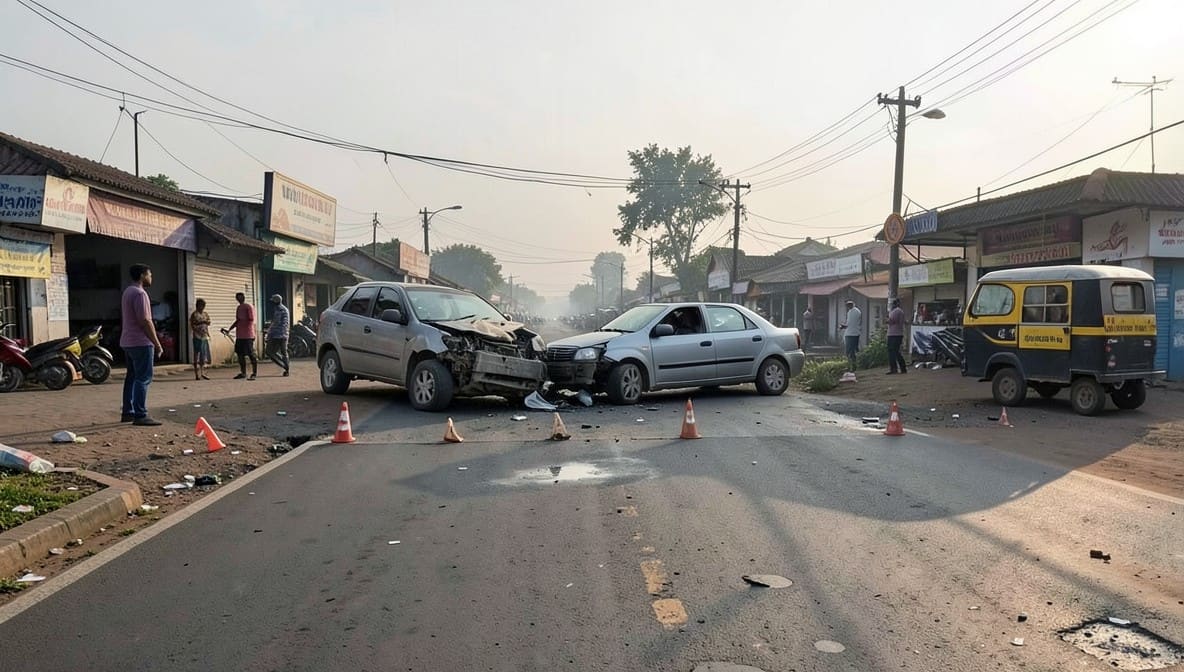
Motor Vehicles Act Section 147 | Insurer Liable to Third Party Even for Unlicensed Driver, But Entitled to Recover from Owner: Karnataka HC
Case Law Analysis
|Karnataka High Court

Motor Vehicles Act Section 147 | Insurer Liable to Third Party Even for Unlicensed Driver, But Entitled to Recover from Owner: Karnataka HC

The Karnataka High Court has ruled that insurers cannot avoid third-party liability merely because the driver was unlicensed, affirming the statutory mandate of Section 147. However, the insurer retains a right of recovery against the vehicle owner, reinforcing the dual framework of public protection and private accountability in motor insurance. The ruling also corrects disability assessment and applies a 15x multiplier for a child claimant, setting a precedent for fair compensation in minor injury cases.
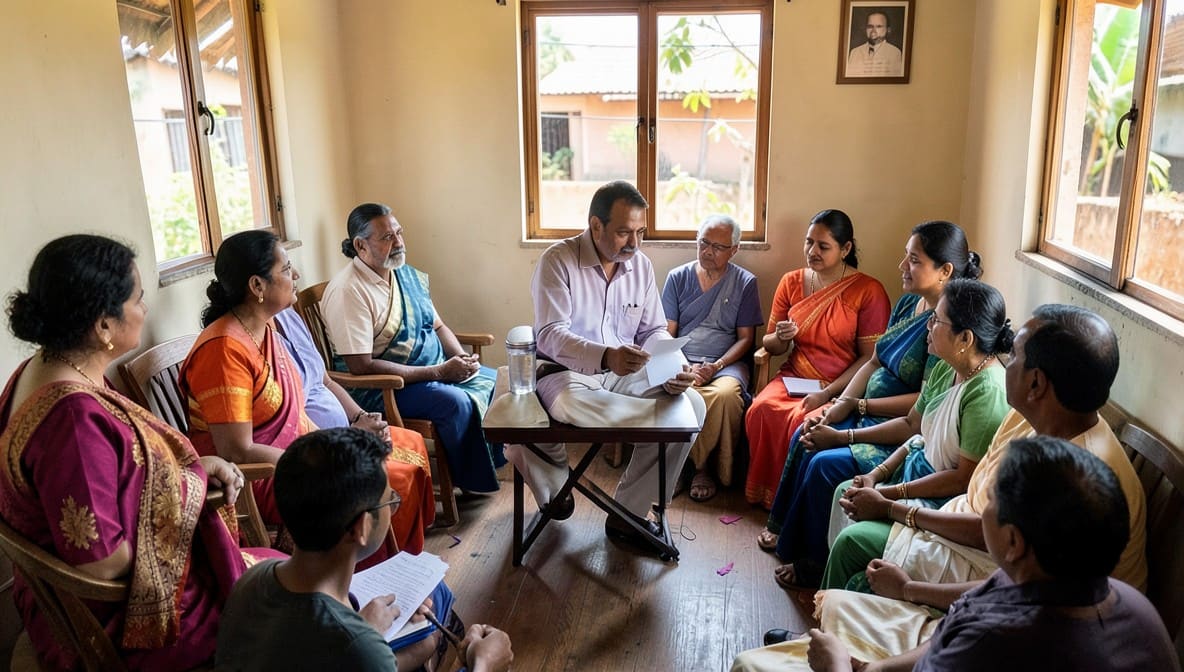
Natural Drainage Rights | Revenue Authority Must Conduct Enquiry Before Upholding Obstruction Claims: Karnataka HC
Case Law Analysis
|Karnataka High Court

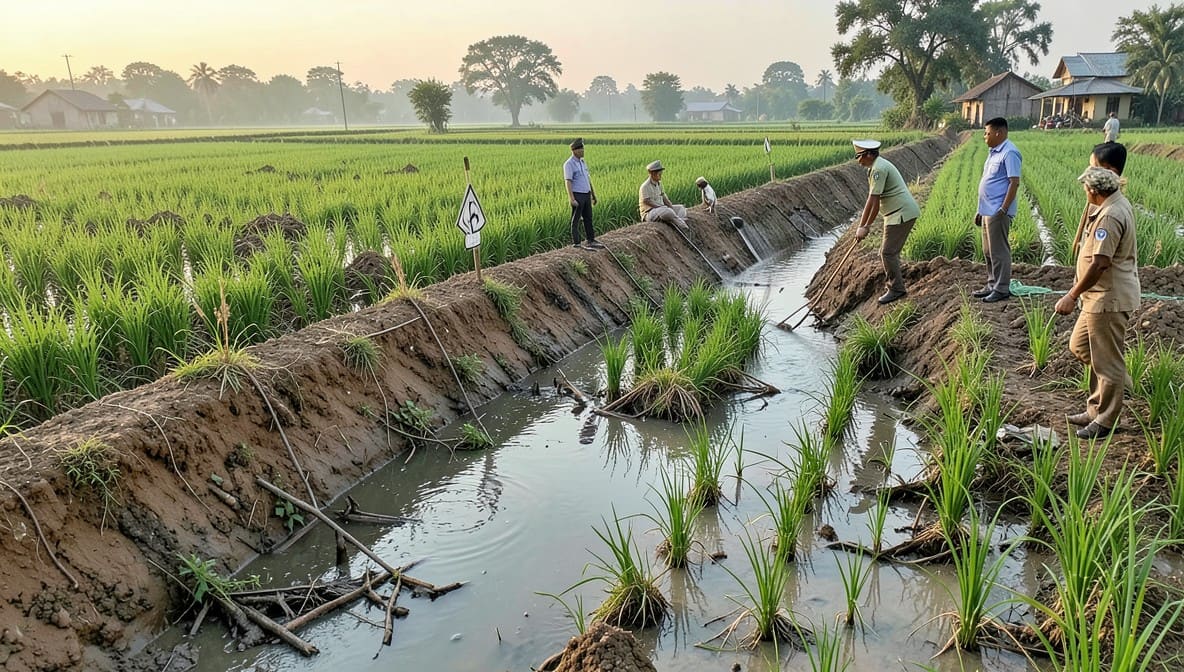
Natural Drainage Rights | Revenue Authority Must Conduct Enquiry Before Upholding Obstruction Claims: Karnataka HC

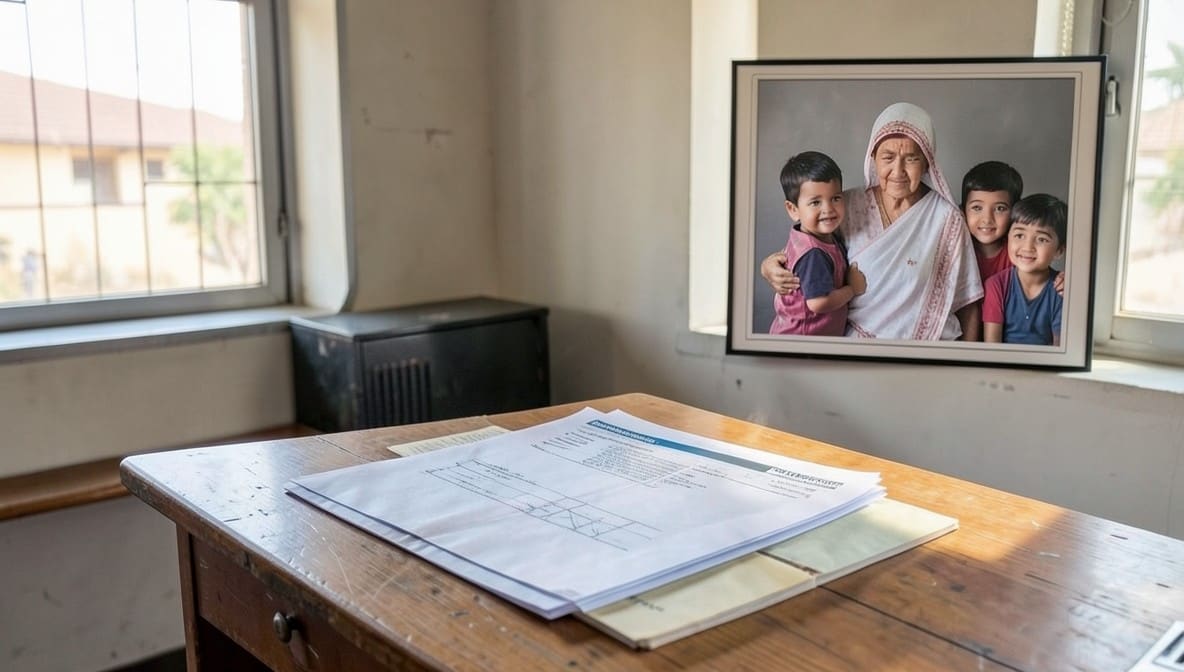
Karnataka High Court mandates that revenue authorities must conduct a formal enquiry into alleged obstructions of natural watercourses, ensuring affected landowners receive due process. The ruling reinforces that private disputes over drainage rights cannot be dismissed without factual verification, protecting agricultural land from arbitrary damage.

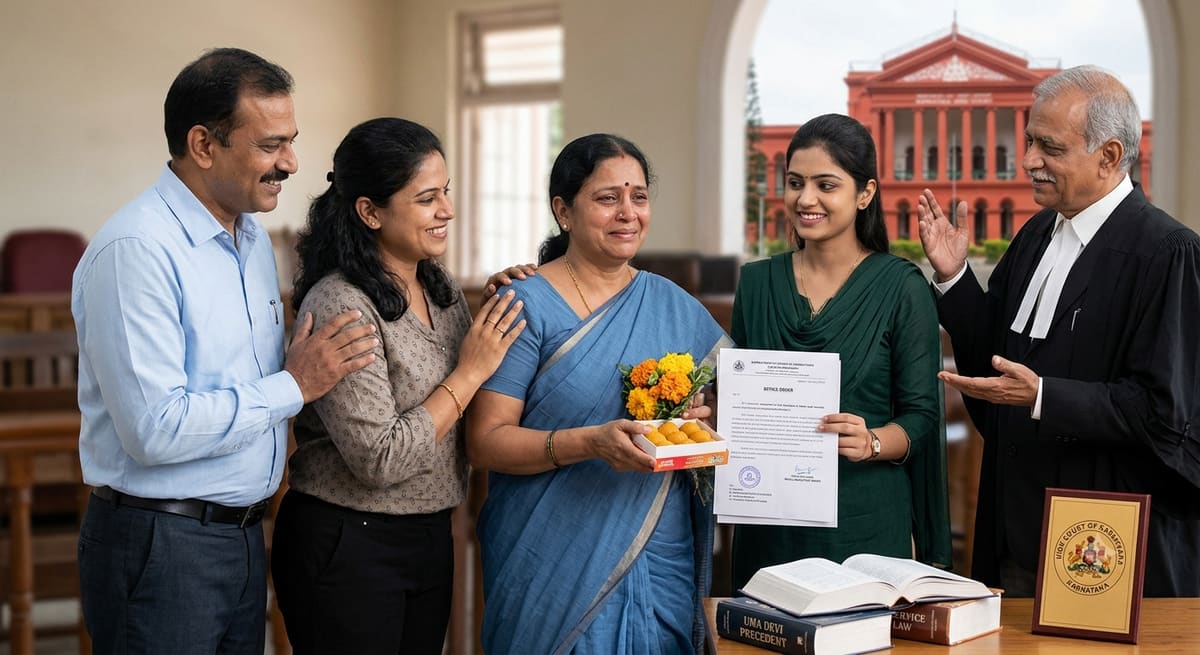
Compassionate Appointment | Unverified Second Marriage Cannot Justify Denial of Benefit Under Natural Justice : Karnataka HC
Case Law Analysis
|Karnataka High Court

Compassionate Appointment | Unverified Second Marriage Cannot Justify Denial of Benefit Under Natural Justice : Karnataka HC

The Karnataka High Court has ruled that denying compassionate appointment to legal heirs based solely on an unverified claim of the deceased's second marriage violates natural justice and administrative fairness. This sets a critical precedent for public employers: procedural due process, not speculative allegations, must govern eligibility decisions in welfare-based appointments.

Motor Vehicles Act Section 173 | Right to Cross-Examine Witnesses Cannot Be Denied Due to COVID-19 Lockdown Delays: Karnataka HC
Case Law Analysis
|Karnataka High Court

Motor Vehicles Act Section 173 | Right to Cross-Examine Witnesses Cannot Be Denied Due to COVID-19 Lockdown Delays: Karnataka HC

The Karnataka High Court has ruled that denying cross-examination of witnesses in a Motor Accident Claims Tribunal proceeding due to pandemic-related delays violates natural justice and renders the award void. This sets a critical precedent: procedural fairness in compensation cases cannot be sacrificed for administrative convenience, even during emergencies, affecting claimants, insurers, and tribunals nationwide.

Consent as Defense to BNS Section 64 + IT Act 66E | Bail Granted When Physical Contact Lacks Coercion and No Criminal Antecedents: Karnataka HC
Case Law Analysis
|Karnataka High Court

Consent as Defense to BNS Section 64 + IT Act 66E | Bail Granted When Physical Contact Lacks Coercion and No Criminal Antecedents: Karnataka HC

The Karnataka High Court granted bail in a case under BNS Section 64 and IT Act Section 66E, holding that voluntary physical contact between consenting adults, without coercion or corroboration of non-consent, does not establish rape or digital voyeurism. The ruling reinforces that absence of criminal antecedents and completed investigation weigh heavily in bail decisions, even for non-bailable offences, when the core allegation hinges on disputed consent.

Order VI Rule 17 CPC | Costs Imposed for Four-Year Delay in Amending Pleadings in Divorce Case : Karnataka HC
Case Law Analysis
|Karnataka High Court

Order VI Rule 17 CPC | Costs Imposed for Four-Year Delay in Amending Pleadings in Divorce Case : Karnataka HC

The Karnataka High Court has imposed ₹10,000 costs on a husband for filing a delayed amendment to his divorce petition, four years after the case began, emphasizing that procedural delays cannot be compensated by substantive relief alone. This ruling reinforces judicial discipline in matrimonial litigation and warns against tactical use of amendment provisions to reframe allegations at a late stage.

Electricity Rebate Scheme | Clubbing LT Installations for HT Conversion Requires Uniform Consumer Registration: Karnataka HC
Case Law Analysis
|Karnataka High Court

Electricity Rebate Scheme | Clubbing LT Installations for HT Conversion Requires Uniform Consumer Registration: Karnataka HC

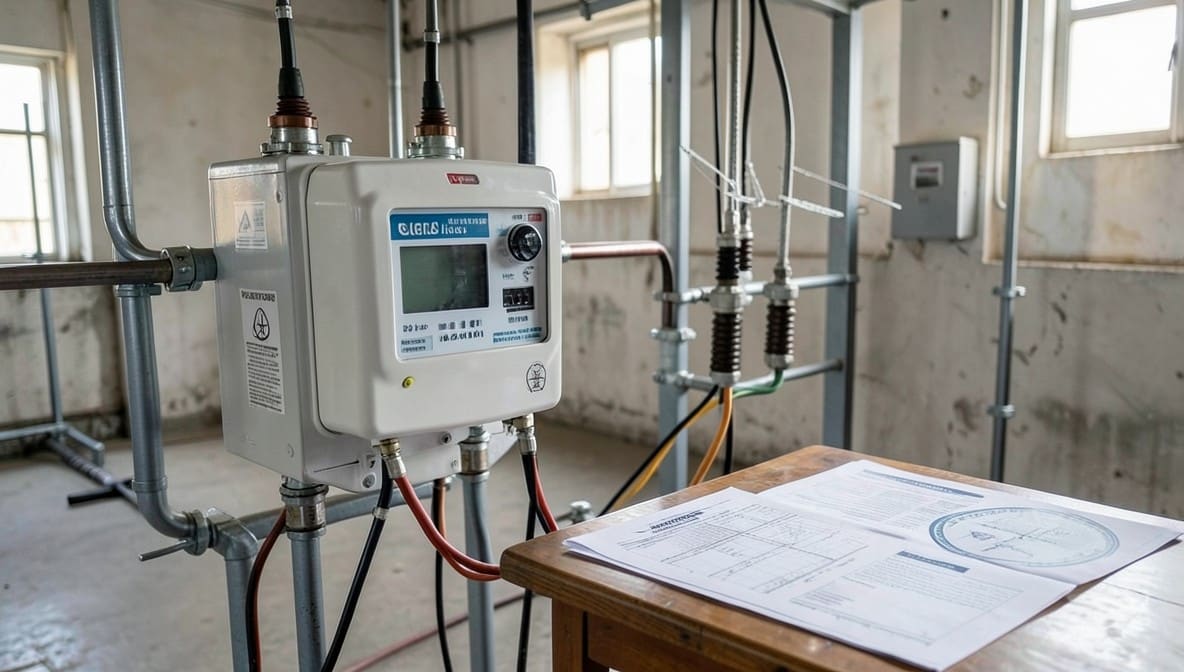
The Karnataka High Court has ruled that to qualify for electricity rebates under LT-to-HT conversion schemes, all linked low-tension installations must be registered under a single consumer’s name. This clarifies a critical compliance requirement for industrial users seeking fiscal incentives, preventing fragmented claims and reinforcing administrative accountability in utility subsidy regimes.

NDPS Act Sections 42 & 50 | Fleeing Accused Forfeits Right to Procedural Safeguards: Karnataka HC Upholds Conviction
Case Law Analysis
|Karnataka High Court

NDPS Act Sections 42 & 50 | Fleeing Accused Forfeits Right to Procedural Safeguards: Karnataka HC Upholds Conviction

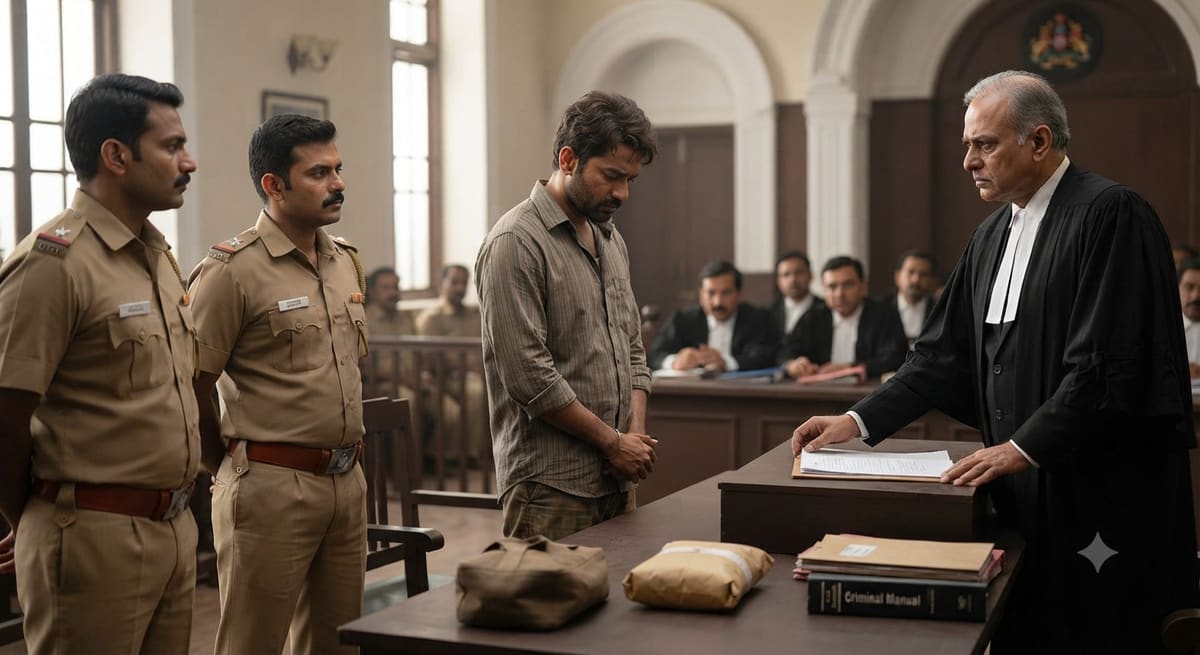
Karnataka High Court rules that an accused who flees before a personal search under the NDPS Act waives mandatory compliance with Sections 42 and 50, reinforcing that procedural safeguards are not absolute when evasion occurs. The ruling upholds a 4-year sentence for possession of 7 kg ganja, clarifying that flight negates statutory protections designed to prevent arbitrary searches.

Section 144(2) BNSS | Wife’s Waiver of Maintenance in Mutual Divorce Bars Interim Maintenance Claim : Karnataka HC
Case Law Analysis
|Karnataka High Court

Section 144(2) BNSS | Wife’s Waiver of Maintenance in Mutual Divorce Bars Interim Maintenance Claim : Karnataka HC

Karnataka High Court holds that a wife’s explicit waiver of maintenance in mutual divorce proceedings estops her from claiming interim maintenance under Section 144(2) BNSS, while affirming the minor child’s independent right to Rs. 5,000 per month. The ruling clarifies the binding nature of mutual divorce agreements on future maintenance claims.

Section 304A IPC | Prosecution Must Prove Culpable Negligence Beyond Reasonable Doubt: Karnataka HC Acquits in Rash Driving Death Case
|Karnataka High Court

Section 304A IPC | Prosecution Must Prove Culpable Negligence Beyond Reasonable Doubt: Karnataka HC Acquits in Rash Driving Death Case

Karnataka High Court upholds acquittal under Sections 279, 337, 338, and 304A IPC, ruling that unreliable eyewitness testimony and lack of independent corroboration fail to establish culpable negligence. The judgment reinforces that mere rash driving allegations are insufficient without conclusive proof of criminal intent or recklessness.

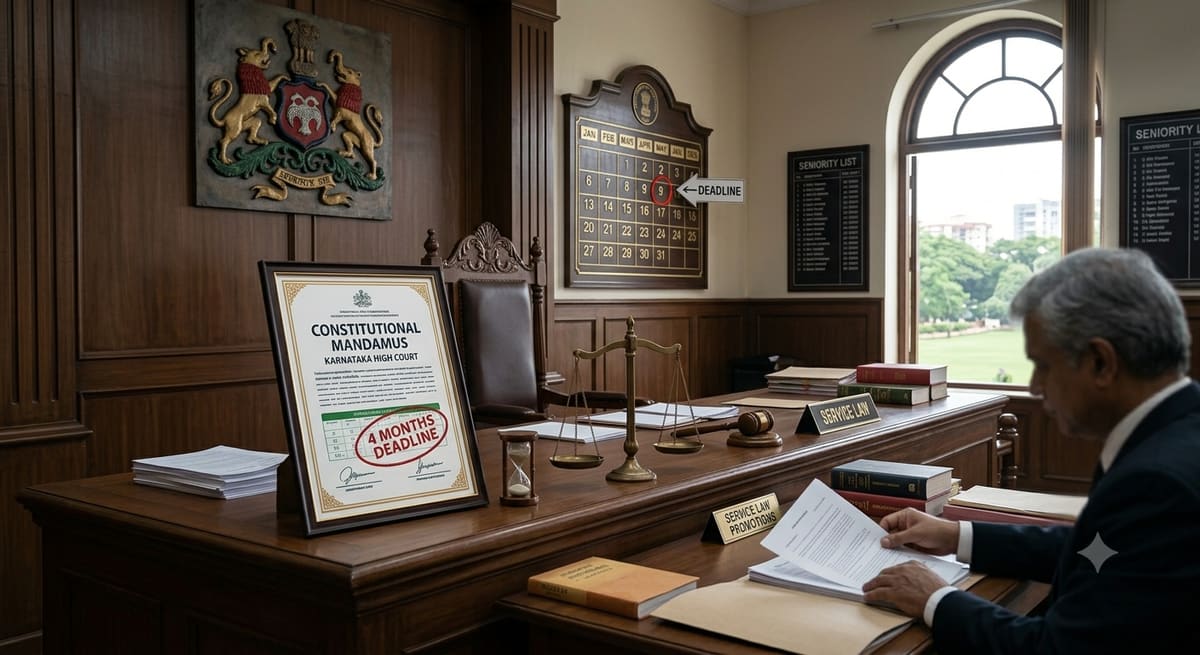
Constitutional Mandamus | Karnataka HC Directs 4-Month Deadline for Seniority List Finalization and Promotions Under Service Law : Karnataka HC
Case Law Analysis
|Karnataka High Court

Constitutional Mandamus | Karnataka HC Directs 4-Month Deadline for Seniority List Finalization and Promotions Under Service Law : Karnataka HC

Karnataka High Court invokes Article 226 to enforce a strict 4-month timeline for finalizing the seniority list of Assistant Executive Engineers, emphasizing that arbitrary delays by public employers violate constitutional rights. The ruling mandates promotions based on merit-cum-seniority, setting a precedent for government employees facing similar procedural lapses.

Section 37 Arbitration Act | Unsubstantiated Loss of Profit Claims Cannot Sustain Arbitral Award: Karnataka HC
Case Law Analysis
|Karnataka High Court

Section 37 Arbitration Act | Unsubstantiated Loss of Profit Claims Cannot Sustain Arbitral Award: Karnataka HC

The Karnataka High Court ruled that arbitral tribunals cannot award loss of profits without concrete evidence, even if contract foreclosure was unlawful. The decision underscores that findings of fact in arbitration are binding unless perverse, rejecting a Rs. 4.38 crore claim for lack of proof. Contractors and businesses must now ensure robust documentation to sustain damages claims in arbitration.

Article 14 & Hereditary Temple Rights | Non-Contagious Vitiligo Cannot Disqualify Sannidhi Paricharaka Duties : Karnataka HC
Case Law Analysis
|Karnataka High Court

Article 14 & Hereditary Temple Rights | Non-Contagious Vitiligo Cannot Disqualify Sannidhi Paricharaka Duties : Karnataka HC

Karnataka High Court rules that hereditary temple servants (Sannidhi Paricharaka) cannot be barred from performing religious duties due to non-contagious vitiligo, reinforcing constitutional equality under Article 14. The court permits regulated delegation of duties while prohibiting discrimination based on medical conditions unrelated to ritual competence.

Article 14 & Tender Arbitrariness | Karnataka HC Strikes Down Dual Experience Requirement, Upholds Three-Year Cap Under Limited Judicial Review : Karnataka HC
Case Law Analysis
|Karnataka High Court

Article 14 & Tender Arbitrariness | Karnataka HC Strikes Down Dual Experience Requirement, Upholds Three-Year Cap Under Limited Judicial Review : Karnataka HC

Karnataka High Court ruled that requiring experience in both entry and parking fee collection under a tender is arbitrary and violates Article 14, though it upheld a three-year experience requirement as a valid policy decision. The judgment underscores that while courts defer to administrative discretion, unreasonable or discriminatory tender conditions will be struck down.

Promotion Quota Under Service Law | Seniority-Cum-Merit Must Precede Compassionate Appointments Under Karnataka Electricity Board Regulations : Karnataka HC
Case Law Analysis
|Karnataka High Court

Promotion Quota Under Service Law | Seniority-Cum-Merit Must Precede Compassionate Appointments Under Karnataka Electricity Board Regulations : Karnataka HC

Karnataka High Court mandates that promotions under the 75% seniority-cum-merit quota must be exhausted before filling vacancies through compassionate appointments, reinforcing compliance with service regulations. This ruling protects the rights of existing employees and sets a precedent for prioritizing merit-based promotions in public employment.

Order VII Rule 14 CPC | Trial Courts Must Allow Post-Evidence Document Production in Partition Suits on Payment of Costs : Karnataka HC
|Karnataka High Court

Order VII Rule 14 CPC | Trial Courts Must Allow Post-Evidence Document Production in Partition Suits on Payment of Costs : Karnataka HC

Karnataka High Court rules that trial courts must permit production of material documents even after evidence closure in partition suits under Order VII Rule 14 CPC, provided costs are imposed and strict timelines are adhered to. This ensures substantive justice prevails over procedural rigidities, particularly in family property disputes where delayed document discovery may occur.