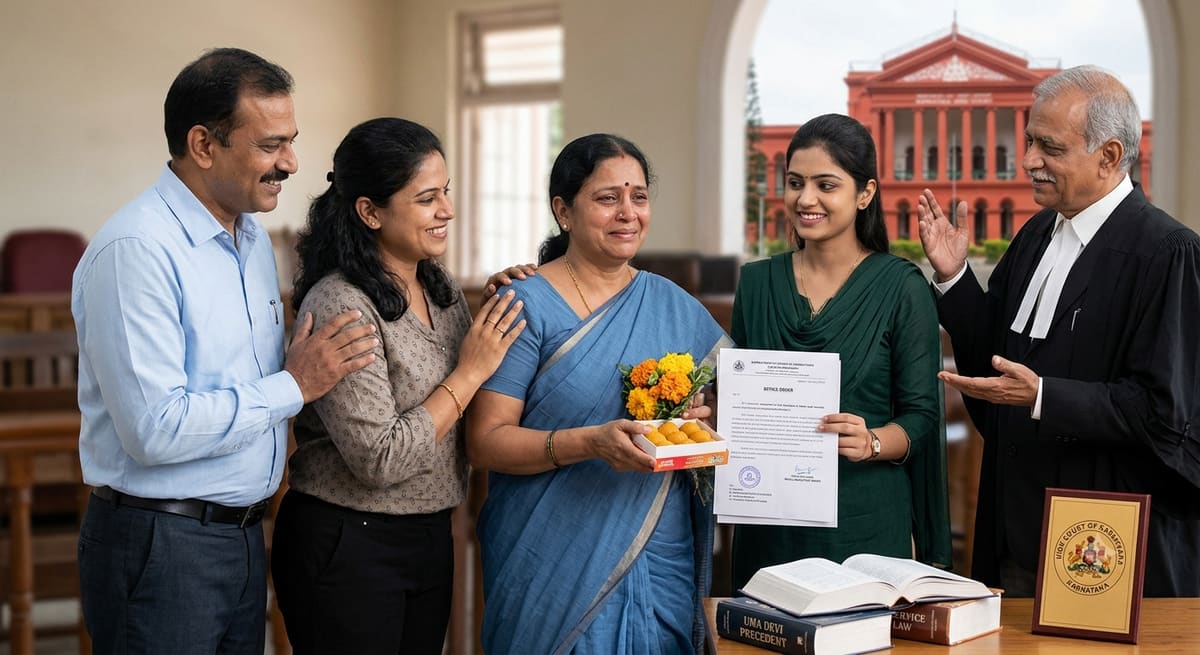
The Karnataka High Court's Division Bench has reaffirmed the principle that long-term project employees cannot be left in limbo after decades of service, directing the State to reconsider their regularisation. The judgment underscores that mere enhancement of honorarium - without addressing regularisation - fails to meet constitutional standards of fairness, particularly when employees have served for 24 years under a government scheme. The Court's ruling clarifies that the Uma Devi precedent does not preclude later regularisation for similarly situated employees, rejecting the State's contention that regularisation is a one-time measure.
Background & Facts
The Dispute
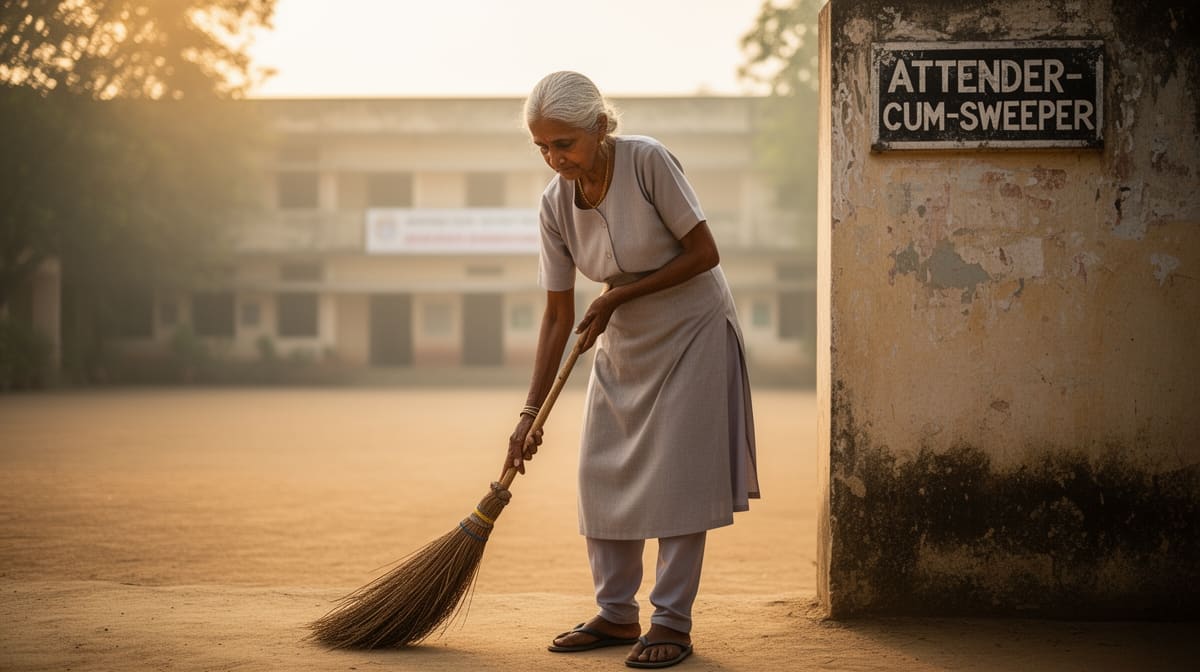
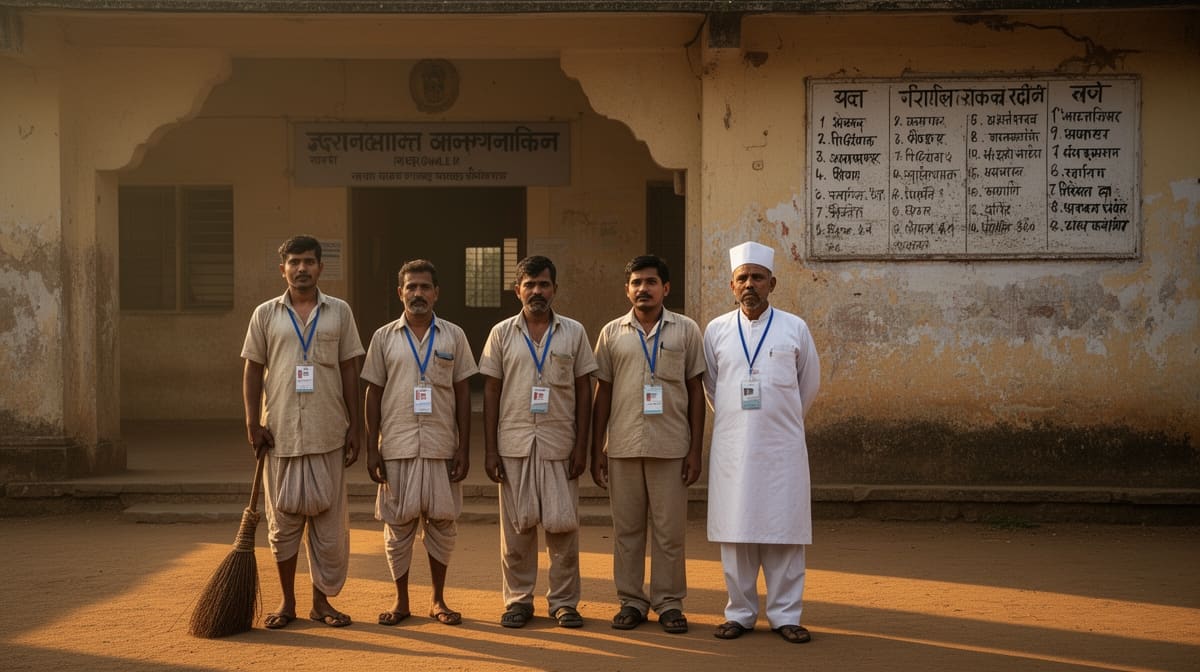
The case involves 27 employees, including Primary Health Workers and Junior Health Assistants, who have been working under the Government of Karnataka Population Control Project (IPP-8) since 2001. Despite their prolonged service, the State issued an endorsement on 15.02.2023, rejecting their request for regularisation or merger with the Department of Health and Family Welfare. The endorsement cited the absence of enabling rules for regularisation of Junior Women Health Assistants and instead increased their honorarium from Rs. 6,000 to Rs. 15,000 - an amount the Court noted was below minimum wage standards.
Key Facts
The employees were engaged under the IPP-8 Project starting in 2001
The Directorate of Health and Family Welfare Department issued an endorsement on 15.02.2023, rejecting regularisation and permitting only an honorarium hike
The employees filed Writ Petitions (including WP No. 103618/2023) challenging the endorsement
The Single Judge allowed the petitions on 21.02.2025, setting aside the endorsement and directing reconsideration of regularisation
The State filed Writ Appeals (including WA No. 100829/2025) and Civil Contempt Petitions (CCC No. 100375/2025 and others) against the Single Judge's order
Procedural History
2001: Employees engaged under IPP-8 Project
15.02.2023: State issues endorsement rejecting regularisation
2023: Employees file Writ Petitions (e.g., WP No. 103618/2023)
21.02.2025: Single Judge allows petitions, directs reconsideration
2025: State files Writ Appeals (WA No. 100829/2025, WA No. 100801/2025, WA No. 100815/2025) and Contempt Petitions (CCC No. 100375/2025, CCC No. 100377/2025)
01.07.2026: Division Bench delivers judgment, rejecting appeals and dropping contempt proceedings
Relief Sought
The employees sought:
Setting aside of the 15.02.2023 endorsement
Regularisation of their services under the Department of Health and Family Welfare
Reconsideration of their cases in light of the Uma Devi judgment and subsequent precedents
Compliance with the Single Judge's order within a specified timeline
The State, in its appeals, sought to overturn the Single Judge's order and resist contempt proceedings for non-compliance.
The Legal Issue
The central question was whether long-term project employees, who have served for 24 years under a government scheme, are entitled to regularisation despite the State's contention that:
The rules do not provide for regularisation of their cadre (Junior Women Health Assistants)
Regularisation under Uma Devi is a one-time measure, precluding later consideration
The enhancement of honorarium (from Rs. 6,000 to Rs. 15,000) suffices as a remedy
Arguments Presented
For the Employees
Relied on Uma Devi v. State of Karnataka (AIR 2006 SC 1806) to argue that continuity of service for over two decades justifies regularisation
Contended that the 15.02.2023 endorsement failed to address regularisation in a fair and constitutional manner, leaving them in a precarious position
Argued that the enhancement of honorarium to Rs. 15,000 (below minimum wage) was inadequate and did not reflect the continuing need for their services
Cited Shripal v. Nagar Nigam (2025 SCC OnLine SC 221) to emphasise that long-term employees cannot be abandoned after decades of service
Distinguished the State's reliance on Uma Devi by pointing to M.L. Kesari v. State of Karnataka, which held that regularisation is not a one-time measure and later consideration is permissible
For the State
Contended that the rules do not permit regularisation of Junior Women Health Assistants under the Department
Argued that Uma Devi established regularisation as a one-time measure, and employees not regularised at that time cannot claim it later
Submitted that the enhancement of honorarium from Rs. 6,000 to Rs. 15,000 was a sufficient remedy and reflected the State's recognition of their services
Opposed the contempt petitions, arguing that non-compliance with the Single Judge's order was not wilful and required further deliberation
The Court's Analysis
The Division Bench conducted a two-pronged analysis, examining both the merits of the regularisation claim and the State's resistance to compliance:
Continuity of Service and Constitutional FairnessThe Court emphasised that the employees' 24 years of service under the IPP-8 Project created a legitimate expectation of regularisation. Relying on Shripal v. Nagar Nigam, the Bench held that long-term employees cannot be left in the lurch after decades of service, particularly when the State continued to utilise their services and enhanced their honorarium. The Court observed:
"The endorsement does not whisper about the claim for regularization, but observes that the salary of rupees six thousand that was paid for the last 22 years would now be increased to rupees fifteen thousand, which is not even the minimum wage. Therefore, it is a clear case that the services of the petitioners are continued for 24 years, they be left in the lurch today."
The Bench rejected the State's argument that the honorarium hike was adequate, noting that Rs. 15,000 is below minimum wage and fails to address the constitutional mandate of fair treatment for long-serving employees.
Interpretation of Uma Devi and Subsequent PrecedentsThe Court distinguished the State's reliance on Uma Devi, which held that regularisation is not a right and is subject to rules and vacancies. However, the Bench clarified that Uma Devi did not foreclose later regularisation for employees who were not considered earlier. Citing M.L. Kesari v. State of Karnataka, the Court held:
"The subsequent judgments that have been considered by this Court supra would steer clear the issue. Therefore, the cases of these petitioners should merit consideration bearing in mind the observations made in the course of this order."
The Bench thus rejected the State's contention that regularisation is a one-time measure, affirming that later consideration is permissible for similarly situated employees.
Contempt Proceedings and ComplianceThe Court dropped the contempt petitions, noting that the disposal of the Writ Appeals rendered them infructuous. However, it reserved liberty for the employees to take appropriate action if the State failed to comply with the Single Judge's directions within the stipulated timeline.
The Verdict
The Division Bench rejected the Writ Appeals filed by the State, upholding the Single Judge's order dated 21.02.2025 in WP No. 103618/2023 and connected matters. The Court directed:
Reconsideration of the employees' cases for regularisation within three months
Compliance with the Single Judge's directions as ordered
Disposal of all pending interim applications
Dropping of the contempt petitions, with liberty to the employees to initiate fresh proceedings if necessary
What This Means For Similar Cases
Long-Term Project Employees Have a Strong Case for Regularisation
Continuity of service for two decades or more creates a legitimate expectation of regularisation, even if the initial engagement was under a project or scheme
Enhancement of honorarium - particularly if below minimum wage - does not suffice as a remedy and may be viewed as constitutionally inadequate
Employees can rely on Shripal v. Nagar Nigam to argue that abandoning long-term workers violates principles of fairness and natural justice
Uma Devi Does Not Preclude Later Regularisation
The judgment clarifies that Uma Devi is not an absolute bar to later regularisation for employees not considered earlier
Subsequent precedents like M.L. Kesari permit reconsideration of regularisation claims, even if the initial opportunity was missed
Practitioners should distinguish Uma Devi by emphasising changed circumstances (e.g., prolonged service, continuing need for employees)
Compliance Timelines Are Strictly Enforceable
Courts may direct compliance within a fixed timeline (e.g., three months) and reserve liberty for contempt proceedings if orders are not followed
Non-compliance with regularisation directions can lead to contempt actions, even if the State argues procedural or rule-based constraints
Employees should monitor compliance and be prepared to initiate contempt proceedings if the State fails to act within the stipulated period