Andhra Pradesh High Court judgments

392 Andhra Pradesh High Court judgments explained in plain English: what was decided, the law applied and why it matters. Page 13 of 17.

Section 90 Evidence Act | 30-Year-Old Registered Sale Deed Raises Conclusive Presumption of Title : Andhra Pradesh HC
Case Law Analysis
|Andhra Pradesh High Court

Section 90 Evidence Act | 30-Year-Old Registered Sale Deed Raises Conclusive Presumption of Title : Andhra Pradesh HC

The Andhra Pradesh High Court ruled that a registered sale deed over 30 years old under Section 90 of the Indian Evidence Act creates a conclusive presumption of title, dismissing the second appeal for lack of a substantial question of law. The court directed defendants to deliver vacant possession within three months, reinforcing the evidentiary weight of long-standing registered documents in property disputes.

Market Value Must Reflect Genuine Sales & Reject Belated Evidence | Coconut & Palm Tree Compensation: AP HC
Case Law Analysis
|Andhra Pradesh High Court

Market Value Must Reflect Genuine Sales & Reject Belated Evidence | Coconut & Palm Tree Compensation: AP HC

The Andhra Pradesh High Court upheld that land compensation for coconut and palm oil trees must be based on verifiable market transactions, not speculative yield estimates, and barred the submission of new evidence after the reference court’s decision under Order 41 Rule 27 CPC. This sets a critical precedent for landowners and acquisition authorities across states relying on the Land Acquisition Act, 1894, ensuring compensation is grounded in actual market data, not conjecture.

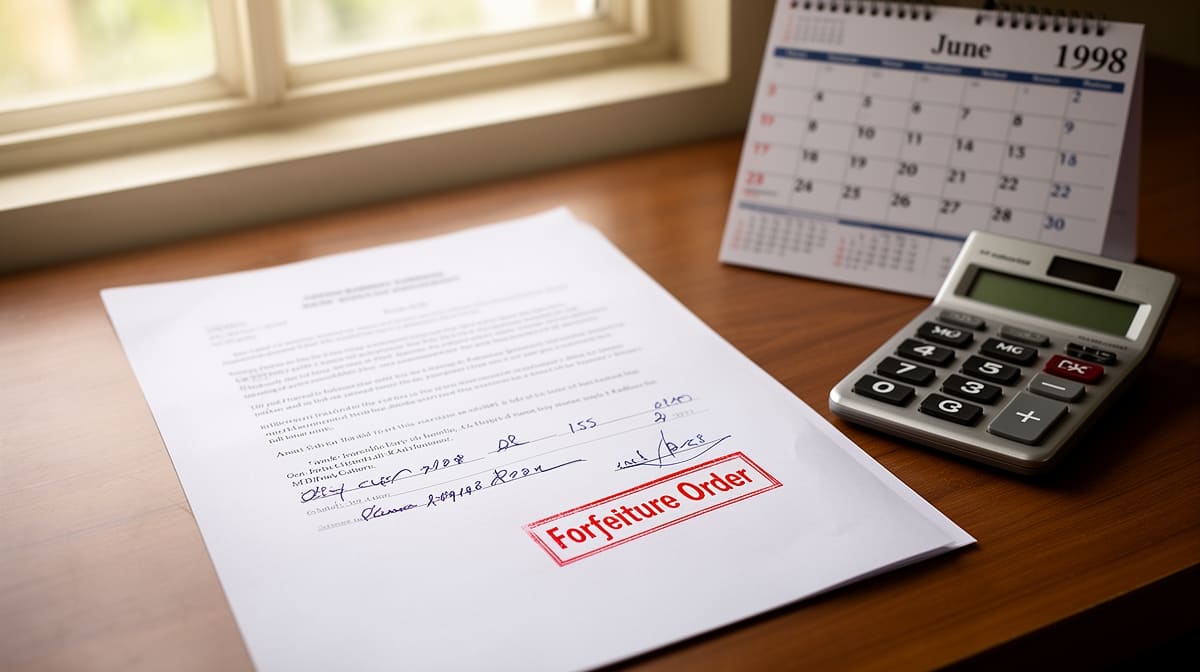
Section 30-C(2) APGST Act | Forfeiture Order Barred if Passed More Than Three Years After Tax Collection : AP HC
Case Law Analysis
|Andhra Pradesh High Court

Section 30-C(2) APGST Act | Forfeiture Order Barred if Passed More Than Three Years After Tax Collection : AP HC

The Andhra Pradesh High Court struck down a tax forfeiture order issued in 1999 because it exceeded the three-year statutory limit under Section 30-C(2) APGST Act, which begins from the date tax was collected in 1995. This ruling reinforces strict compliance with limitation periods in tax forfeiture proceedings, protecting businesses from delayed punitive actions by revenue authorities.

PC Act | Conviction Under Sections 7 & 13(2) Requires Corroborative Evidence of Bribe Demand - Andhra Pradesh HC Acquits Due to Complainant’s Death and Contradictory Records
Case Law Analysis
|Andhra Pradesh High Court

PC Act | Conviction Under Sections 7 & 13(2) Requires Corroborative Evidence of Bribe Demand - Andhra Pradesh HC Acquits Due to Complainant’s Death and Contradictory Records

The Andhra Pradesh High Court acquitted a public servant under the Prevention of Corruption Act not because demand and receipt of bribe are both legally required, but because the prosecution failed to prove the demand beyond reasonable doubt amid contradictory documents and the complainant’s death. This ruling reinforces that trap proceedings must be supported by credible, consistent evidence - not just allegations.

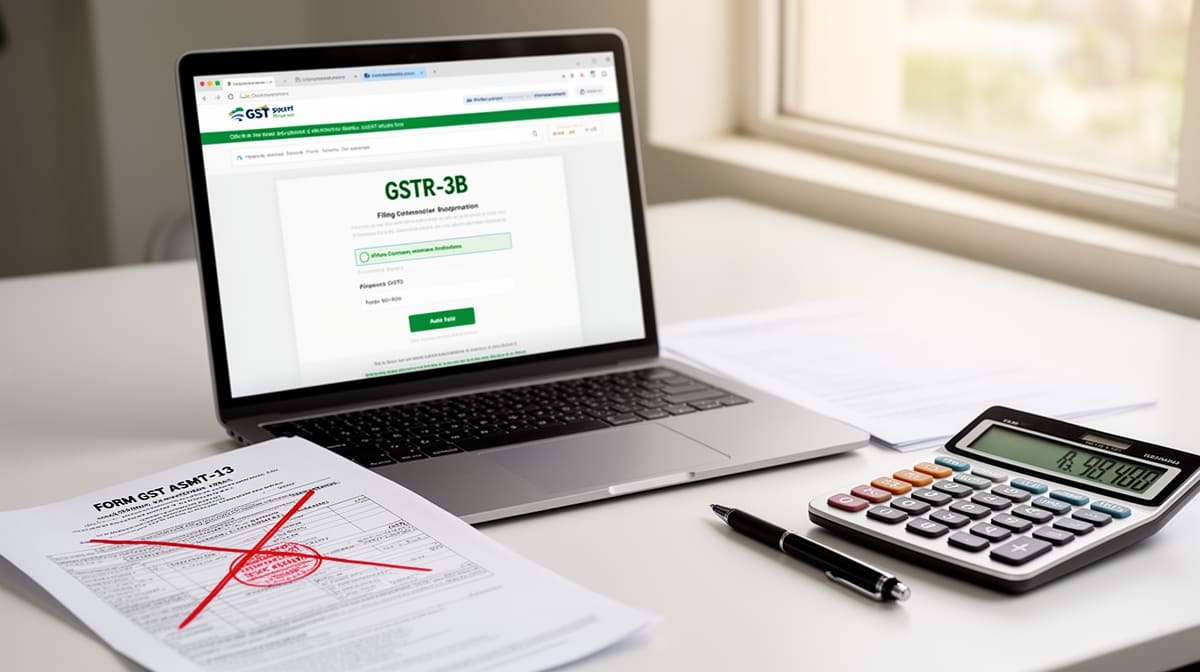
Section 62 GST Act | Assessment Void if Late Return Filed Before Order Issued : Andhra Pradesh HC
Case Law Analysis
|Andhra Pradesh High Court

Section 62 GST Act | Assessment Void if Late Return Filed Before Order Issued : Andhra Pradesh HC

The Andhra Pradesh High Court has ruled that a GST assessment under Section 62 is void if the taxpayer files the pending GSTR-3B return before the assessment order is served, rendering any bank attachments or recovery actions unlawful. This protects compliant taxpayers from coercive enforcement when they cure defaults proactively, establishing a vital procedural safeguard against arbitrary tax recovery.

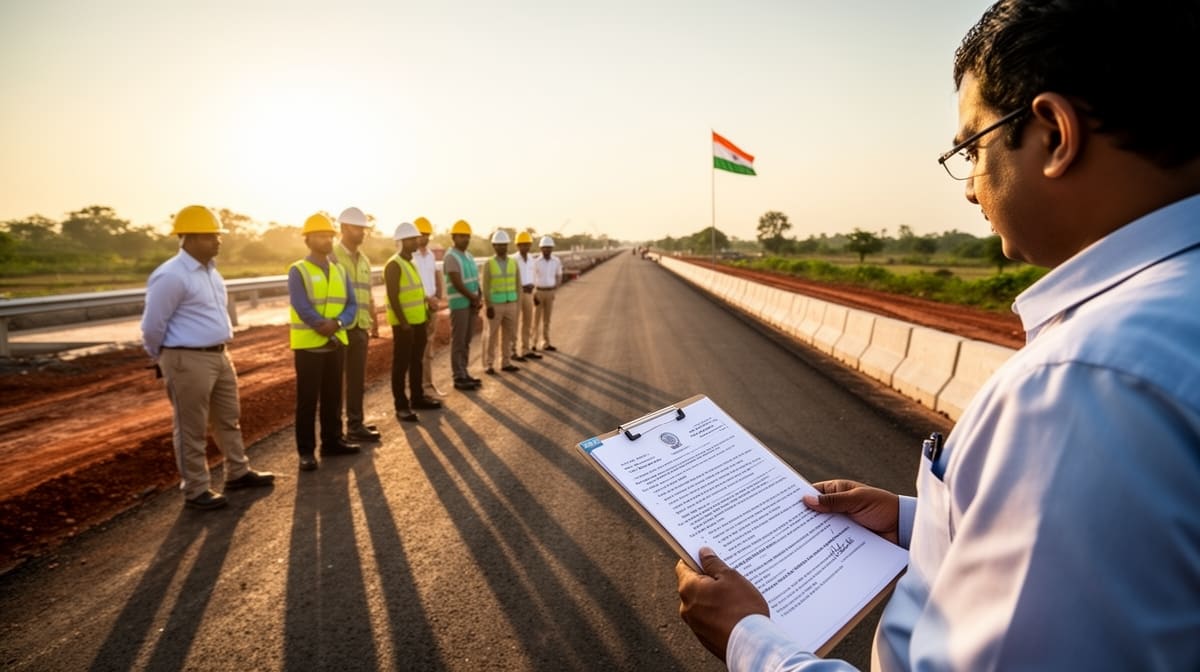
Article 226 Writ Jurisdiction | Administrative Delay in Public Contract Payments Violates Contractual Rights : Andhra Pradesh HC Sets 14-Week Deadline
Case Law Analysis
|Andhra Pradesh High Court

Article 226 Writ Jurisdiction | Administrative Delay in Public Contract Payments Violates Contractual Rights : Andhra Pradesh HC Sets 14-Week Deadline

Andhra Pradesh High Court mandates completion of administrative processes within 10 weeks and payment of dues within 4 weeks thereafter for certified public works, holding bureaucratic delay cannot justify non-payment. Contractors are entitled to timely remuneration as a matter of contractual right, enforceable under writ jurisdiction.

Financial Constraints Cannot Justify Pension Delay | State Must Complete Administrative Process Within 14 Weeks: Andhra Pradesh HC
Case Law Analysis
|Andhra Pradesh High Court

Financial Constraints Cannot Justify Pension Delay | State Must Complete Administrative Process Within 14 Weeks: Andhra Pradesh HC

The Andhra Pradesh High Court has ruled that the state cannot delay pension payments due to funding shortages, ordering completion of all administrative steps within 14 weeks and payment within four weeks thereafter. This sets a binding precedent for all government departments handling pension liabilities, affirming that constitutional rights to timely social security override bureaucratic fiscal excuses.

Contempt of Court | Delay in Compliance Not Willful If Unconditional Apology Tendered : Andhra Pradesh HC Sets Aside Conviction
Case Law Analysis
|Andhra Pradesh High Court

Contempt of Court | Delay in Compliance Not Willful If Unconditional Apology Tendered : Andhra Pradesh HC Sets Aside Conviction

The Andhra Pradesh High Court ruled that a four-month delay in complying with a court order does not constitute contempt if an unconditional apology is tendered, emphasizing that negligence without willful disobedience is insufficient for conviction. This judgment clarifies the threshold for contempt proceedings against government officials and reinforces procedural fairness in judicial compliance.

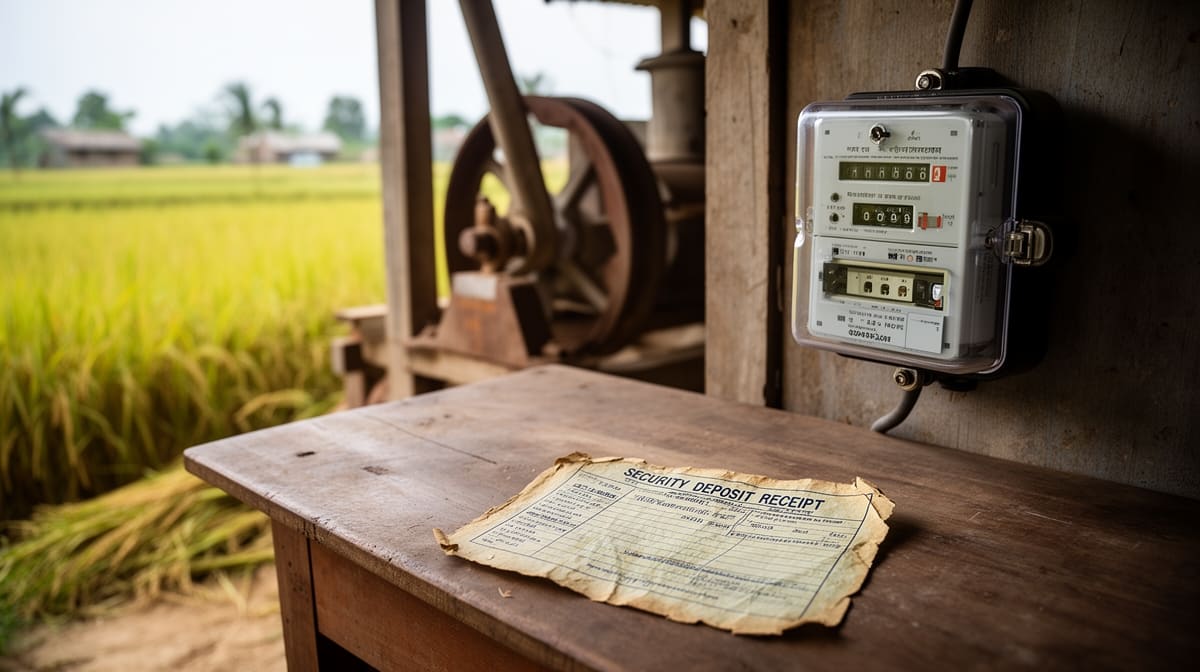
Section 22A(b) Legal Services Authorities Act | Electricity Deposit Disputes Qualify as Public Utility Services : Andhra Pradesh HC Upholds Permanent Lok Adalat Jurisdiction
Case Law Analysis
|Andhra Pradesh High Court

Section 22A(b) Legal Services Authorities Act | Electricity Deposit Disputes Qualify as Public Utility Services : Andhra Pradesh HC Upholds Permanent Lok Adalat Jurisdiction

The Andhra Pradesh High Court ruled that disputes over electricity security deposits fall under 'public utility services' as defined under Section 22A(b) of the Legal Services Authorities Act, 1987, affirming the jurisdiction of Permanent Lok Adalats. The Court upheld an award directing refund of Rs. 1,14,310 with interest and compensation, setting a precedent for consumer disputes involving public utilities.

Contempt of Court | Willful Disobedience of Court Orders Unjustifiable Under MGNREGS: Andhra Pradesh HC Upholds Conviction
Case Law Analysis
|Andhra Pradesh High Court

Contempt of Court | Willful Disobedience of Court Orders Unjustifiable Under MGNREGS: Andhra Pradesh HC Upholds Conviction

Andhra Pradesh HC reaffirms that disputing the merits of a court order does not excuse willful disobedience, upholding contempt conviction against a former Sarpanch for diverting Rs. 9 lakh meant for a contractor under MGNREGS. The ruling underscores judicial authority and the binding nature of court directives, irrespective of perceived flaws in the order.

Motor Accident Compensation | Liberal Assessment of Non-Pecuniary Damages Permissible Without Medical Bills Under MV Act : Andhra Pradesh HC
Case Law Analysis
|Andhra Pradesh High Court

Motor Accident Compensation | Liberal Assessment of Non-Pecuniary Damages Permissible Without Medical Bills Under MV Act : Andhra Pradesh HC

Andhra Pradesh High Court rules that compensation for pain, suffering, attendant charges, and medical expenses under the Motor Vehicles Act cannot be denied merely due to lack of medical bills if grievous injuries are medically proven. The Court enhanced compensation from Rs. 20,000 to Rs. 1.5 lakh, reinforcing a victim-centric approach in tort law for accident claims.

CPC Order XXIII Rule 1A | Insurer Cannot Withdraw Appeal to Evade Costs in Motor Accident Claims : Andhra Pradesh HC
Case Law Analysis
|Andhra Pradesh High Court

CPC Order XXIII Rule 1A | Insurer Cannot Withdraw Appeal to Evade Costs in Motor Accident Claims : Andhra Pradesh HC

Andhra Pradesh High Court holds that insurers cannot unilaterally withdraw appeals under CPC Order XXIII Rule 1A without paying costs to claimants, even in the absence of cross-objections. The ruling mandates Rs. 5,000 costs with 6% interest from the date of appearance, reinforcing procedural fairness in motor accident compensation disputes.

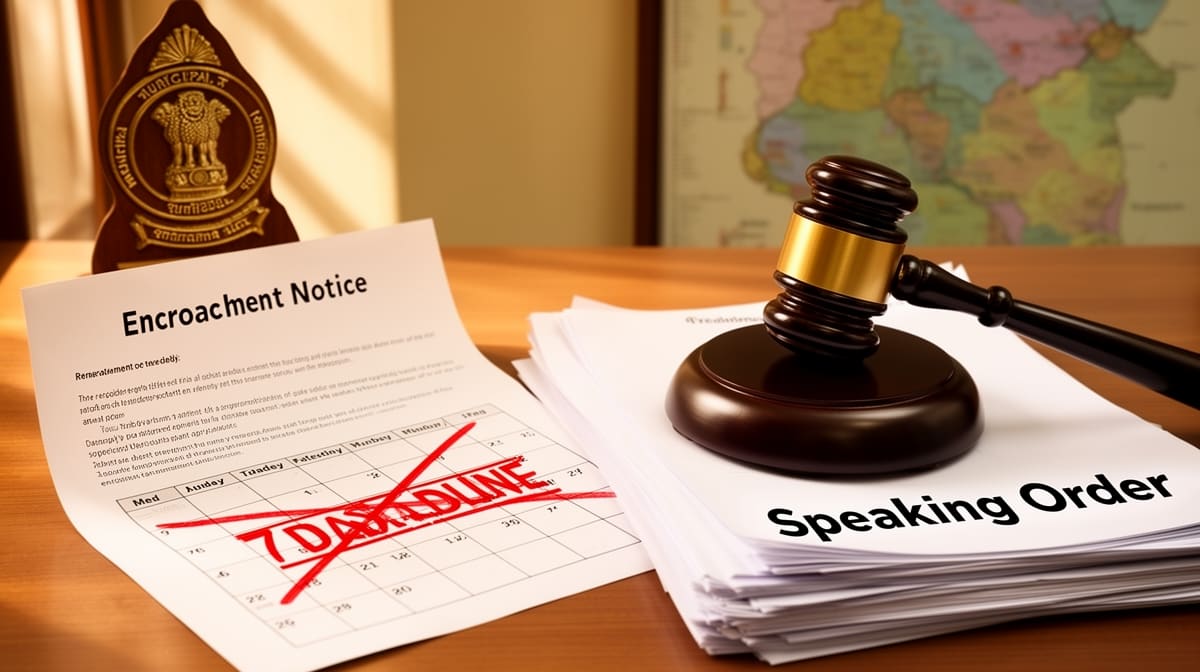
Natural Justice in Municipal Encroachment Cases | Seven-Day Reply Period Violates Article 14, AP HC Mandates Three Weeks for Explanation : AP High Court
Case Law Analysis
|Andhra Pradesh High Court

Natural Justice in Municipal Encroachment Cases | Seven-Day Reply Period Violates Article 14, AP HC Mandates Three Weeks for Explanation : AP High Court

The Andhra Pradesh High Court ruled that a seven-day period to respond to an encroachment notice is arbitrary and violates principles of natural justice under Article 14. The court directed municipal authorities to grant three weeks for explanation and issue a speaking order, reinforcing procedural fairness in administrative actions affecting property rights.

Article 21 & Noise Pollution Rules | State Must Enforce Supreme Court Guidelines via Mandamus : AP High Court
Case Law Analysis
|Andhra Pradesh High Court

Article 21 & Noise Pollution Rules | State Must Enforce Supreme Court Guidelines via Mandamus : AP High Court

The Andhra Pradesh High Court ruled that state authorities must proactively enforce Noise Pollution (Regulation and Control) Rules, 2000 and Supreme Court guidelines, treating non-compliance as a violation of the right to life under Article 21. The judgment makes environmental enforcement a non-discretionary duty, binding on all administrative bodies.

Section 482 CrPC | Concurrent Findings on Maintenance Cannot Be Revisited Unless Manifestly Illegal : AP HC Upholds Child Support in Live-In Relationships
Case Law Analysis
|Andhra Pradesh High Court

Section 482 CrPC | Concurrent Findings on Maintenance Cannot Be Revisited Unless Manifestly Illegal : AP HC Upholds Child Support in Live-In Relationships

The Andhra Pradesh High Court ruled that maintenance orders based on concurrent factual findings cannot be re-examined under Section 482 CrPC unless they are perverse or illegal. The judgment extends maintenance obligations to children born from live-in relationships, reinforcing that inherent powers under Section 482 are not a substitute for appeal.

Order 6 Rule 17 CPC | Amendment for Future Mesne Profits Permissible Even After Trial Commences : Andhra Pradesh HC
Case Law Analysis
|Andhra Pradesh High Court

Order 6 Rule 17 CPC | Amendment for Future Mesne Profits Permissible Even After Trial Commences : Andhra Pradesh HC

The Andhra Pradesh High Court ruled that plaintiffs can amend pleadings under Order 6 Rule 17 CPC to claim future mesne profits even after trial begins, provided the court fee is determined post-judicial inquiry. This holding reinforces procedural flexibility in property disputes, ensuring substantive justice prevails over technical objections.

Section 5 Limitation Act | Professional Negligence by Advocate Bars Delay Condonation : Andhra Pradesh HC
Case Law Analysis
|Andhra Pradesh High Court

Section 5 Limitation Act | Professional Negligence by Advocate Bars Delay Condonation : Andhra Pradesh HC

The Andhra Pradesh High Court ruled that a 277-day delay in filing a second appeal cannot be condoned if caused by an advocate's professional negligence, as equitable relief under Section 5 of the Limitation Act is not available where the delay stems from the litigant's own legal representative's failure. This decision reinforces that litigants cannot shift blame for procedural lapses onto their counsel to seek leniency in delay condonation.

CPC Order 26 Rule 9 | Delay in Appointing Advocate Commissioner Post-Cross-Examination Not Fatal If Localization Needed : Andhra Pradesh HC
Case Law Analysis
|Andhra Pradesh High Court

CPC Order 26 Rule 9 | Delay in Appointing Advocate Commissioner Post-Cross-Examination Not Fatal If Localization Needed : Andhra Pradesh HC

The Andhra Pradesh High Court ruled that a delay in seeking an Advocate Commissioner under Order 26 Rule 9 CPC is not fatal if the necessity arises post-cross-examination, provided the purpose is localization rather than evidence gathering. This clarifies the scope of judicial discretion in procedural timelines for property disputes.

Section 304-A IPC | Minor Evidentiary Discrepancies Do Not Vitiate Conviction for Rash Driving If Core Negligence Proved : Andhra Pradesh HC
Case Law Analysis
|Andhra Pradesh High Court

Section 304-A IPC | Minor Evidentiary Discrepancies Do Not Vitiate Conviction for Rash Driving If Core Negligence Proved : Andhra Pradesh HC

The Andhra Pradesh High Court ruled that minor discrepancies in witness testimonies-such as variations in distance estimates-do not invalidate a conviction under Section 304-A IPC if the core allegation of rash and negligent driving is consistently established. The court reduced the sentence to a fine, emphasizing that prolonged litigation should not unduly burden the accused while upholding accountability for fatal road accidents.

Section 482 CrPC | Compromise in SC/ST (PoA) Act Cases Permits Acquittal Despite Non-Compoundable Offences : APHC
Case Law Analysis
|Andhra Pradesh High Court

Section 482 CrPC | Compromise in SC/ST (PoA) Act Cases Permits Acquittal Despite Non-Compoundable Offences : APHC

The Andhra Pradesh High Court ruled that voluntary compromise between parties in SC/ST (PoA) Act cases, even involving non-compoundable offences under Sections 3(1)(r)(s) and 3(2)(va), justifies acquittal under Section 482 CrPC. This holding reinforces judicial discretion to quash proceedings in the interest of justice, impacting criminal litigation under atrocity laws.

Maintenance and Welfare of Parents Act | Undue Delay in Disposal Violates Article 21 : APHC Directs Two-Month Disposal & Presumes Mala Fide Property Alienation
Case Law Analysis
|Andhra Pradesh High Court

Maintenance and Welfare of Parents Act | Undue Delay in Disposal Violates Article 21 : APHC Directs Two-Month Disposal & Presumes Mala Fide Property Alienation

The Andhra Pradesh High Court ruled that prolonged delays in disposing of maintenance applications under the Maintenance and Welfare of Parents and Senior Citizens Act, 2007, violate constitutional rights under Article 21. The court mandated disposal within two months and held that property transfers during pendency are presumptively mala fide, reinforcing senior citizens' rights to timely justice and protection from financial exploitation.

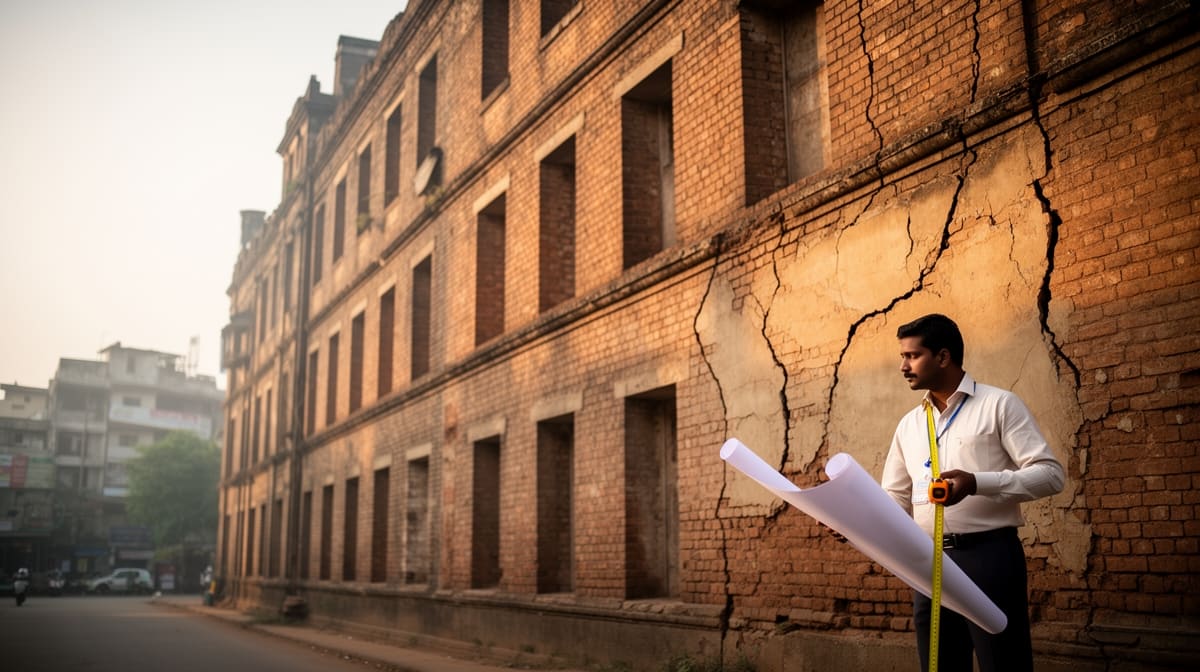
Municipal Demolition Notices | Structural Safety Must Be Evaluated for Entire Building Under Natural Justice : APHC
Case Law Analysis
|Andhra Pradesh High Court

Municipal Demolition Notices | Structural Safety Must Be Evaluated for Entire Building Under Natural Justice : APHC

The Andhra Pradesh High Court has ruled that municipal authorities cannot issue demolition orders based on partial structural assessments, requiring a comprehensive engineering evaluation of the entire building to protect innocent occupants. This sets a critical precedent for procedural fairness in urban enforcement, ensuring due process under Article 21 and the principles of natural justice.