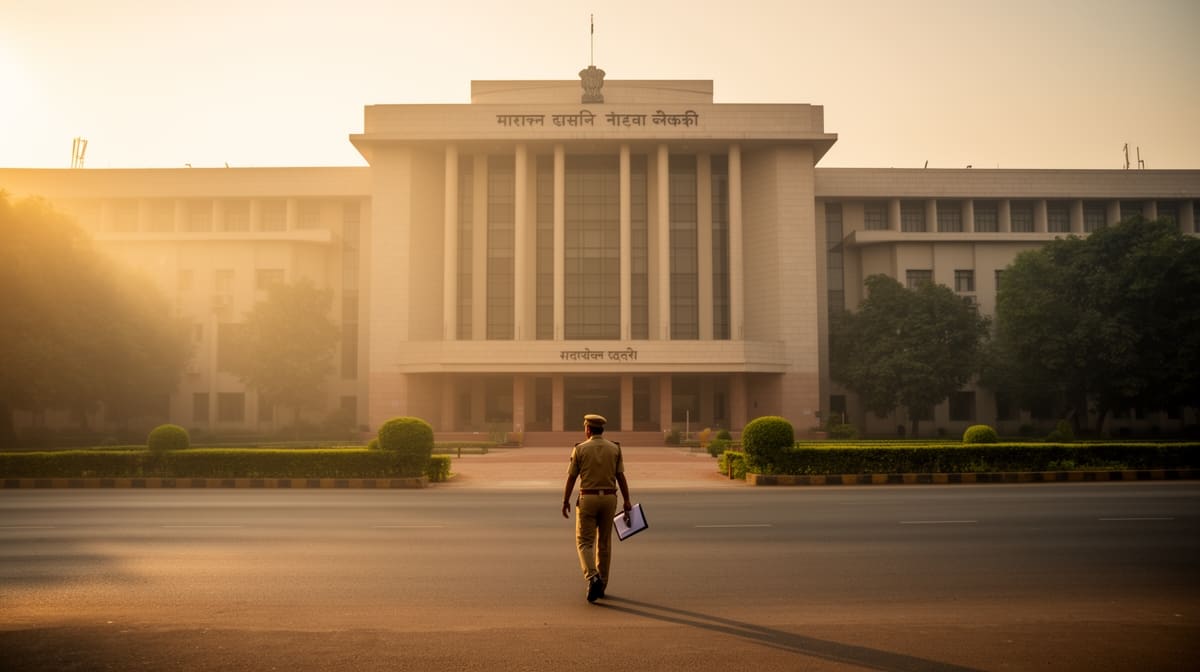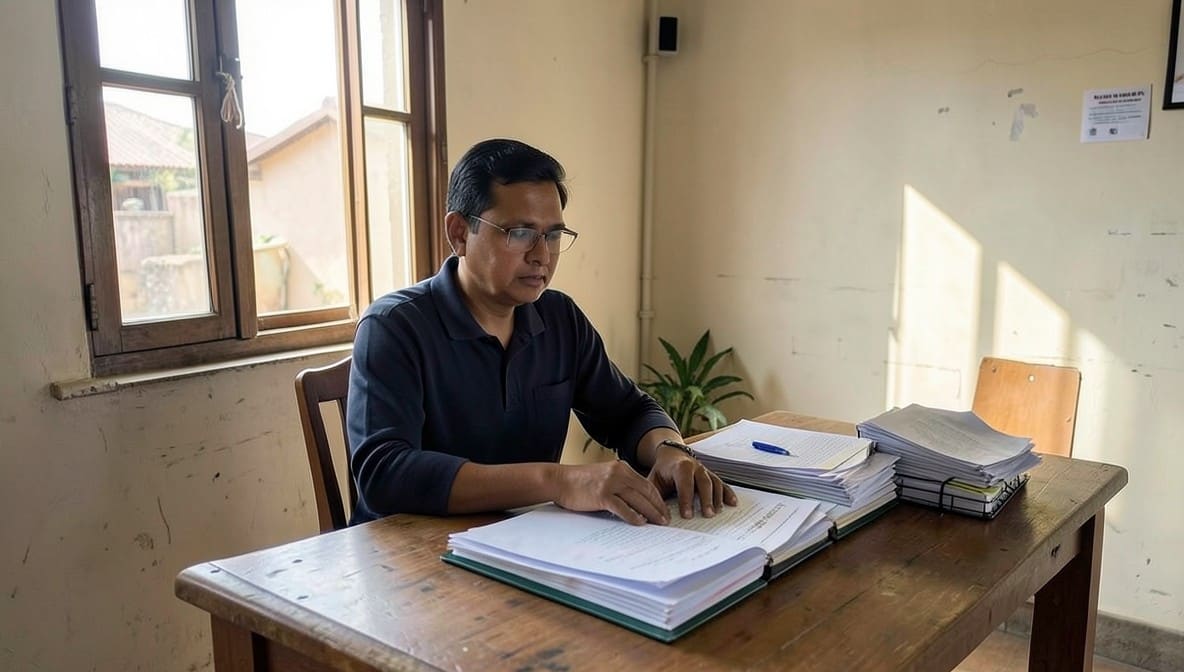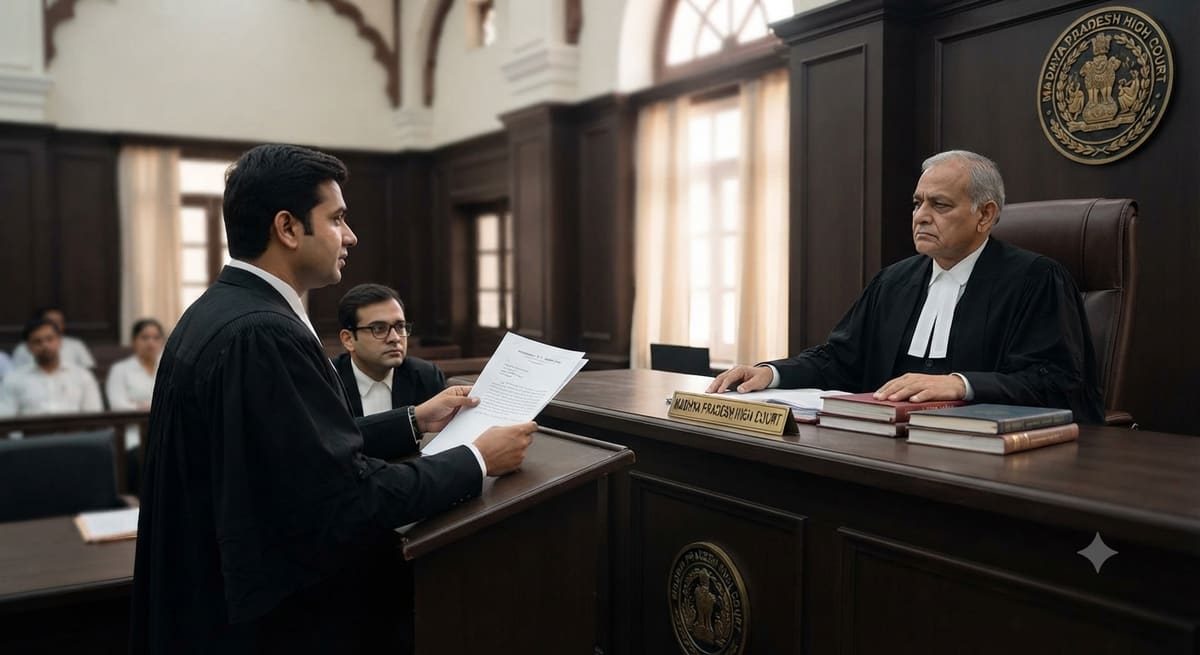
The Andhra Pradesh High Court has reaffirmed that administrative transfers of public officers cannot be justified by political expediency or staff unrest alone. In a significant ruling, the Court struck down a transfer order that circumvented its earlier stay, emphasizing that procedural fairness and statutory guidelines must prevail over executive convenience.
Background & Facts
The Dispute
The petitioner, a District Audit Officer, was transferred from Rajamahendravaram to Gudiwada following an earlier writ petition. The High Court, in W.A.No.713 of 2024, stayed this transfer, finding it premature and in violation of G.O.Ms.No.71 dated 17.5.2023, which mandates that transfers must be based on objective administrative grounds, not political influence. The Court noted the transfer was orchestrated at the behest of a minister unconcerned with departmental norms.
Procedural History
- September 3, 2024: Division Bench of the High Court stayed the petitioner’s transfer, citing violation of service guidelines and political interference.
- June 24, 2025: Government appointed Smt. B.R. Kranthi Kumari as in-charge District Audit Officer, replacing the petitioner without transferring him.
- June 16, 2025: A preliminary enquiry report, conducted behind the petitioner’s back, alleged staff non-cooperation and recommended transfer of all staff except one.
- December 11, 2025: Petitioners challenged the new appointment as a circumvention of the stay order.
Relief Sought
The petitioner sought quashing of the June 2025 appointment order, restoration to his original post, and a direction for a fair, transparent inquiry into the alleged discrepancies.
The Legal Issue
The central question was whether an administrative transfer can be lawfully effected to resolve staff unrest when such unrest stems from a prior unlawful transfer, and whether the government may bypass a court-mandated stay by appointing a replacement without conducting a proper inquiry.
Arguments Presented
For the Petitioner
The petitioner relied on State of U.P. v. Raj Kumar and K. Sankaran v. State of Tamil Nadu to argue that transfers must be based on objective criteria under service rules, not subjective staff complaints. He contended that the preliminary enquiry was conducted ex parte, violating principles of natural justice. He further argued that the government’s action was a direct circumvention of the stay order, rendering it void ab initio.
For the Respondent/State
The State contended that the appointment of Smt. Kranthi Kumari was a temporary administrative measure to ensure continuity of audit functions amid staff non-cooperation. It cited G.O.Ms.No.71 to argue that the government retains discretion to manage public offices during operational crises, and that the petitioner’s continued presence was causing administrative paralysis.
The Court's Analysis
The Court examined the interplay between administrative discretion and judicial restraint. It held that while the government has authority to manage public offices, such power is not absolute and must conform to statutory guidelines and constitutional norms. The Court emphasized that staff unrest, if induced by an unlawful transfer, cannot be used to justify further illegality.
"The fact that a majority of staff are unwilling to work under the petitioner does not ipso facto validate the replacement, especially when the root cause of the unrest is the very transfer that this Court has already found to be violative of service norms."
The Court distinguished the State’s reliance on administrative necessity, noting that the preliminary enquiry was conducted without notice to the petitioner, violating the audi alteram partem principle. It further held that the appointment of a replacement while the petitioner remains in his original post constituted a de facto transfer without due process.
The Court rejected the notion that operational convenience overrides procedural fairness. It held that any inquiry into alleged misconduct must be conducted by an independent authority, with full opportunity for the officer to defend himself.
The Verdict
The petitioner did not regain his original post, but the Court modified its interim order to permit the appointment of Smt. Kranthi Kumari as in-charge, subject to a mandatory, fair, and transparent inquiry to be completed within two weeks. The Court directed the State to submit the inquiry report for judicial review, preserving the petitioner’s right to be heard.
What This Means For Similar Cases
Administrative Necessity Cannot Override Natural Justice
- Practitioners must challenge transfers justified solely by staff unrest if the unrest stems from a prior unlawful order.
- Any inquiry into misconduct must be initiated with notice and opportunity to be heard - ex parte investigations are void.
- Government departments cannot use "operational crisis" as a shield to evade court orders.
Judicial Stay Orders Are Binding Until Vacated
- Appointing a replacement while a stay is in force constitutes contempt unless the court explicitly modifies the order.
- Courts will scrutinize whether such appointments are disguised transfers.
- Lawyers should immediately seek clarification or modification of stay orders if administrative action is taken in contravention.
Independent Inquiry Must Precede Disciplinary Action
- Before initiating any inquiry against a public officer, the authority must be independent, impartial, and procedurally sound.
- Staff complaints alone are insufficient grounds for action; they must be corroborated through a fair process.
- The burden lies on the administration to prove that the officer’s conduct, not political pressure, triggered the inquiry.