The Madras High Court has reaffirmed the primacy of District Collectors in granting permissions for cultural events requiring police protection, setting aside a police station's unilateral prohibition order. This judgment clarifies the procedural hierarchy for event approvals while ensuring timely administrative action for time-sensitive religious functions.
Background & Facts
The Dispute
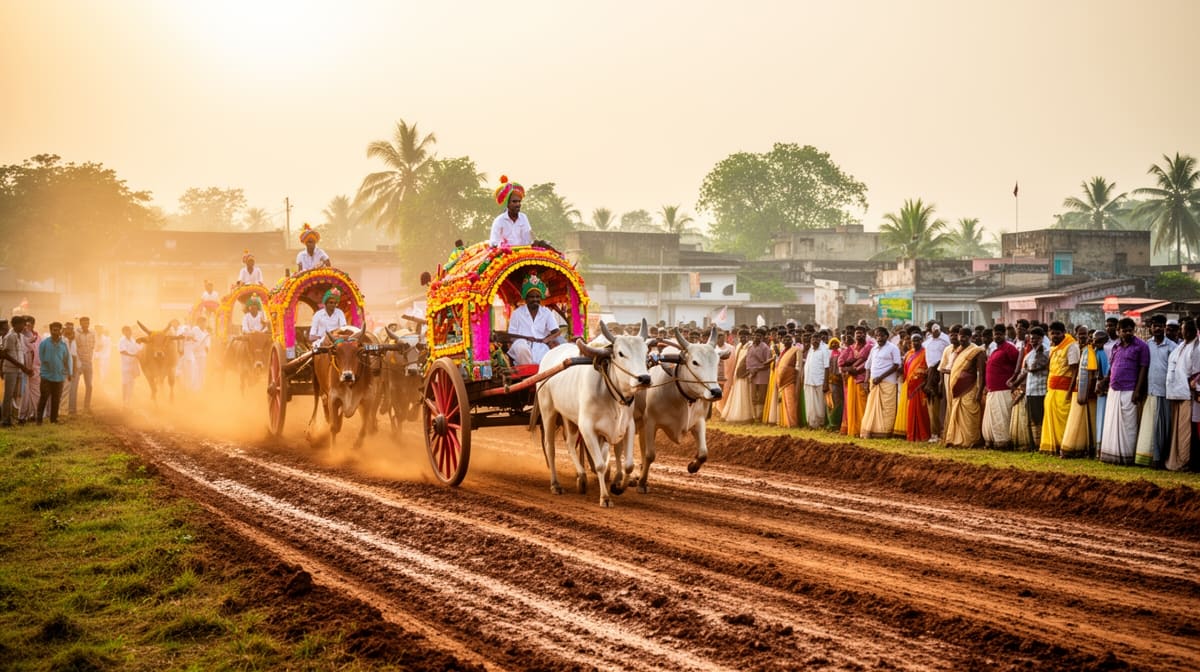
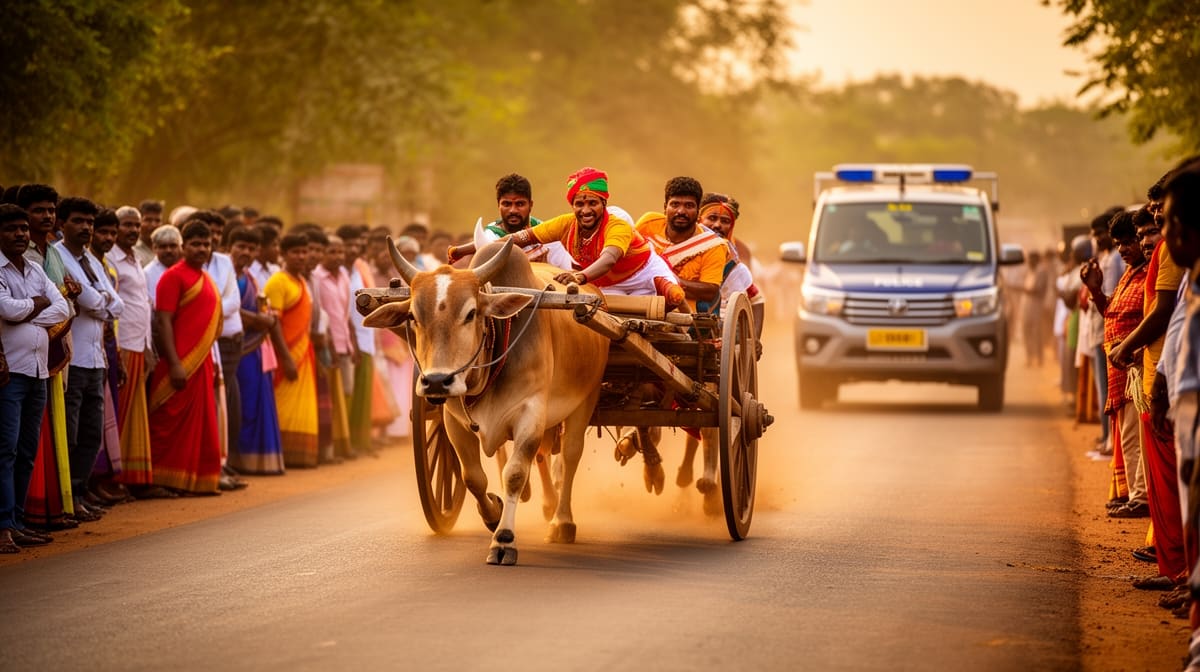
The petitioner, a temple function organizer, sought to conduct a Rekla race (a traditional bullock cart race) on 08.02.2026 as part of the Shri Arulmigu Kanchivanam Swami Alayam temple festival. The route from Kottanathampatti to Kutturavupatti required police protection due to traffic and public safety concerns. The third respondent, the Inspector of Police at Keelavalavu Police Station, passed an order on 01.02.2026 denying permission without referring the matter to higher authorities.
Procedural History
The case progressed through the following stages:
- 27.01.2026: Petitioner submitted a request to the District Collector for permission and police protection
- 01.02.2026: Keelavalavu Police Station unilaterally denied permission via Na.Ka.No.03/Keelavalavu PS/2026
- 06.02.2026: Petitioner filed W.P.Crl.(MD)No.628 of 2026 seeking urgent intervention
Relief Sought
The petitioner prayed for:
- Quashing of the police station's order dated 01.02.2026
- A direction to respondents to grant permission and provide police protection for the event
- Expedited consideration given the event's imminent date
The Legal Issue
The central question was whether a police station possesses the authority to unilaterally prohibit a cultural event requiring police protection, or whether such decisions must be routed through the District Collector as the competent authority under administrative law.
The Court's Analysis
The Court examined the administrative hierarchy and delegation of powers under the Tamil Nadu District Police Act and relevant government orders. Key observations included:
-
Authority Clarification: The judgment emphasized that the District Collector is the designated authority for granting permissions for public events, particularly those requiring police deployment. The police station's unilateral action was held to be ultra vires its jurisdiction.
-
Procedural Safeguards: The Court noted that while police stations may provide initial recommendations, the final decision must rest with the District Collector to ensure:
- Uniform application of law
- Consideration of all relevant factors (public order, safety, cultural significance)
- Accountability in administrative decision-making
-
Time-Sensitive Relief: Given the event's imminent date, the Court invoked its writ jurisdiction under Article 226 to provide urgent relief, directing the District Collector to consider the representation within two days.
"The impugned order dated 01.02.2026 passed by the third respondent is quashed. The petitioner is directed to submit a fresh representation to the first respondent/District Collector forthwith, who shall consider the same and pass appropriate orders within a period of two days."
The Verdict
The petition was allowed. The Court:
- Quashed the police station's order dated 01.02.2026
- Directed the petitioner to submit a fresh representation to the District Collector
- Mandated the District Collector to decide on the representation within two days
- Ordered no costs
What This Means For Similar Cases
District Collector's Primacy in Event Permissions
The judgment reinforces that:
- Police stations cannot unilaterally prohibit cultural or religious events requiring police protection
- District Collectors remain the sole competent authority for such decisions
- Practitioners should directly approach the District Collector for event permissions, bypassing lower police authorities where necessary
Timelines for Administrative Action
- Courts may impose strict deadlines for administrative decisions in time-sensitive matters
- Petitioners must demonstrate urgency and prior attempts at resolution to seek expedited relief
- Two-day timelines may become a benchmark for similar cases involving imminent events
Writ Jurisdiction for Cultural Rights
- Article 226 can be invoked to protect cultural and religious practices where administrative delays threaten their exercise
- The judgment aligns with the Supreme Court's observations in Shri Jagannath Temple Puri Management Committee v. Chintamani Khuntia regarding state intervention in religious events