The Madras High Court has underscored the importance of balancing regulatory circulars with cultural traditions, directing police authorities to reconsider a Rekla race permission request by allowing alternative routes compliant with safety norms. This judgment reinforces that administrative directions cannot arbitrarily override community practices without exploring feasible alternatives.
Background & Facts
The Dispute
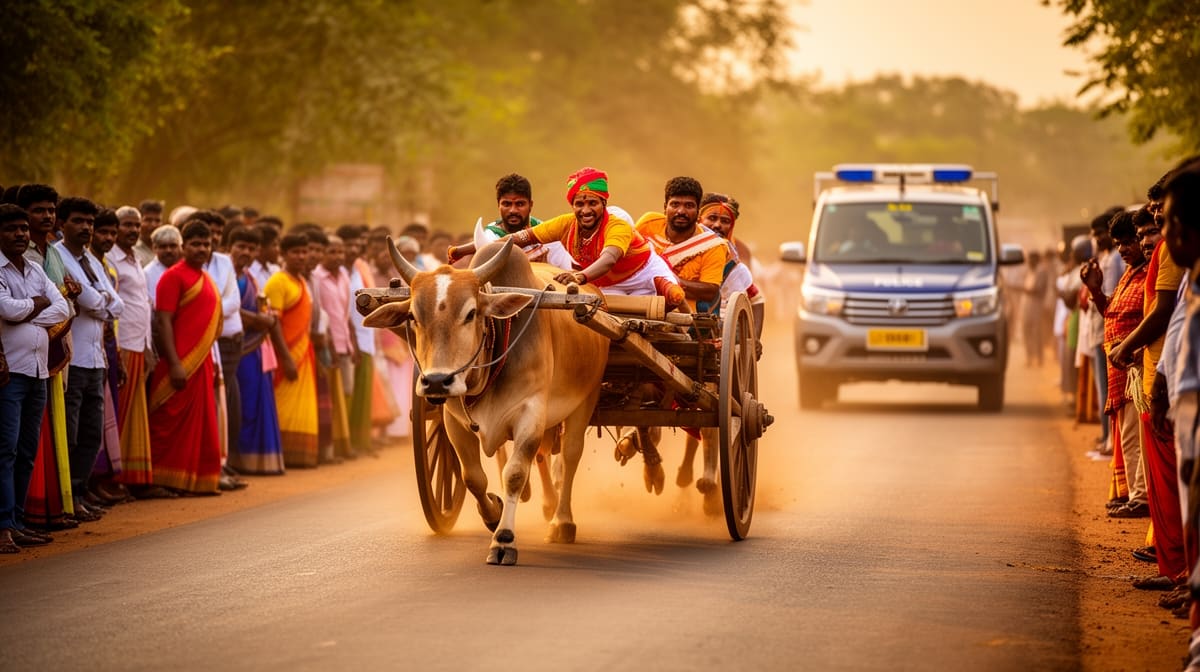
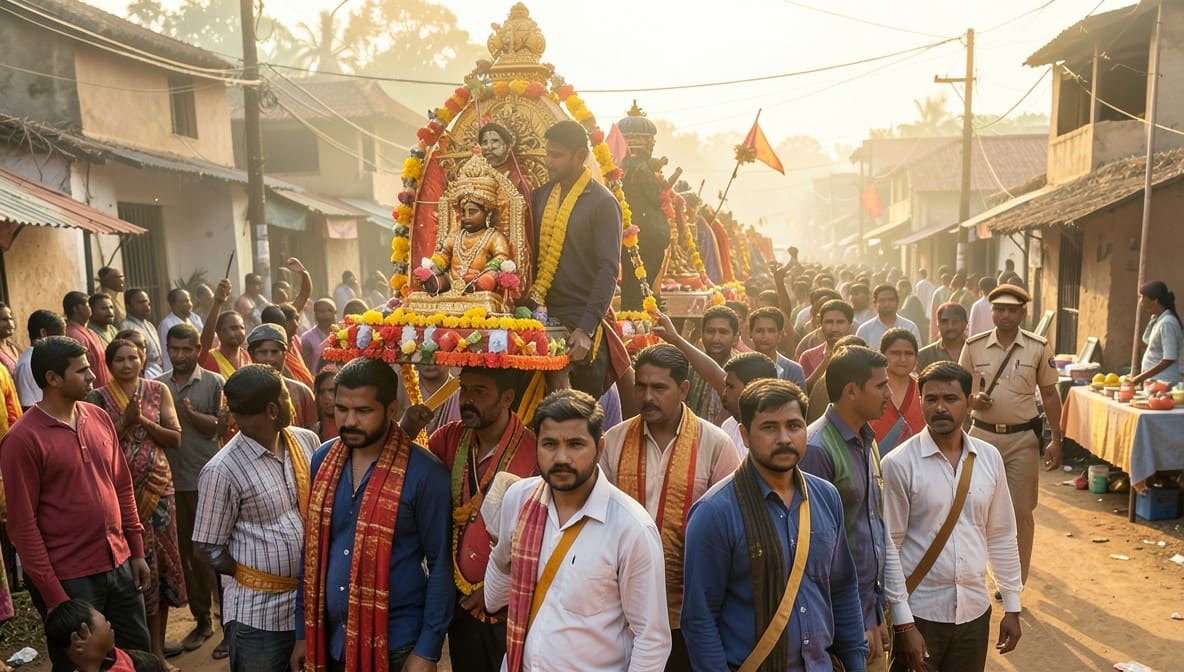
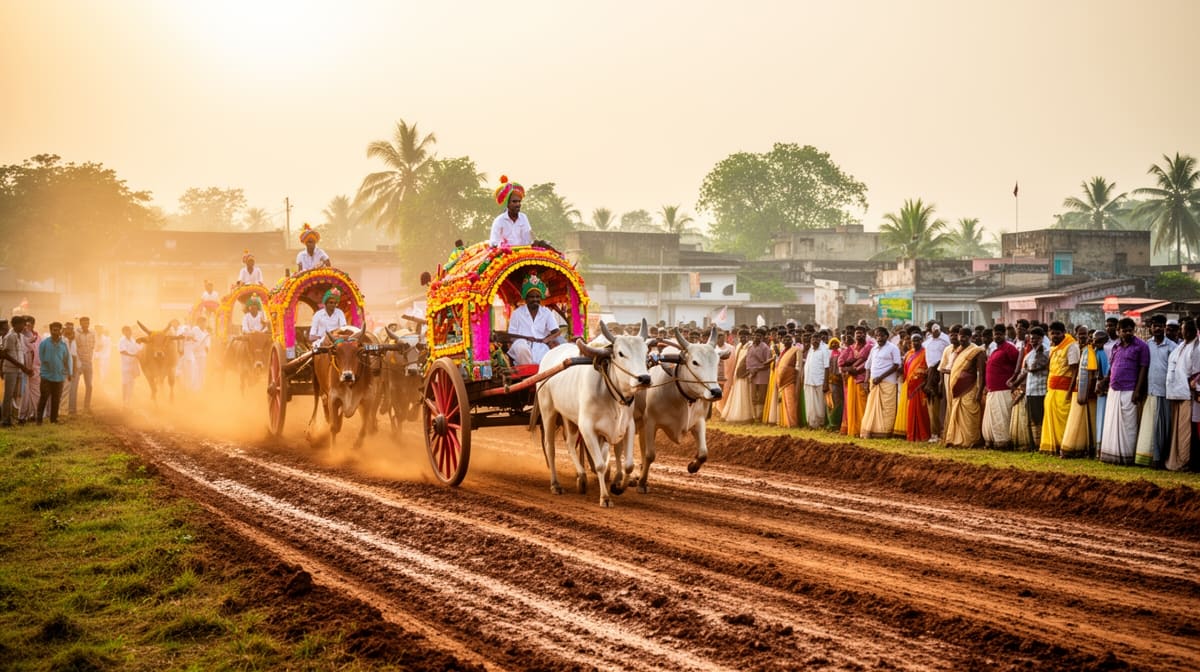
The petitioner, a member of the temple committee organizing the annual Masi Kodai festival at Shri Velladikarar Swami Alayam Temple, sought permission to conduct a Rekla race on 08.03.2026 from Vellalur to Aattukulam. The race, a traditional bullock cart event, was proposed along the Sivagangai-Melur National Highway. The petitioner had submitted a representation to the local police on 16.02.2026, which was rejected on 18.02.2026.
Procedural History
- 16.02.2026: Petitioner submits representation to the 3rd respondent (Inspector of Police) seeking permission for the Rekla race.
- 18.02.2026: 3rd respondent rejects the request citing a Director General of Police (DGP) circular prohibiting races on national or state highways.
- Writ Petition: The petitioner approaches the Madras High Court under Article 226 seeking to quash the impugned order and direct police protection for the event.
Relief Sought
The petitioner prayed for:
- Quashing of the impugned order dated 18.02.2026.
- Permission to conduct the Rekla race on 08.03.2026.
- Police protection to ensure the event’s smooth conduct.
The Legal Issue
The central question was whether the DGP circular could absolutely prohibit the Rekla race without considering alternative routes or whether the police authorities were obliged to explore feasible alternatives to accommodate cultural practices while adhering to safety norms.
Arguments Presented
For the Petitioner
The petitioner’s counsel argued:
- The Rekla race is a traditional cultural event conducted annually during the temple festival.
- The impugned order was arbitrary as it did not consider alternative routes compliant with the DGP circular.
- The petitioner had complied with procedural requirements by submitting a representation well in advance.
For the Respondents
The respondents’ counsel contended:
- The DGP circular dated 07.03.2024 explicitly prohibits races on national or state highways.
- The proposed route fell under this prohibition, leaving no scope for exceptions.
- The circular mandates that such races be conducted on village roads or mud tracks, which the petitioner had not proposed.
The Court's Analysis
The Court examined the DGP circular and its implications, noting that while it prohibited races on highways, it did not outright ban such events. The circular suggested alternative venues like village roads or mud tracks, indicating a flexible approach rather than an absolute prohibition.
"Considering the directions of the circular memorandum as issued by the Director General of Police, Tamil Nadu, the impugned order passed by the 3rd respondent is hereby set aside, and the petitioner is directed to give a fresh representation and thereafter, in consultation with the 3rd respondent, find out a route to conduct the same."
The Court emphasized that administrative directions must not be applied mechanically to stifle cultural practices. Instead, authorities should engage in dialogue with stakeholders to find practical solutions that balance regulatory compliance with community traditions.
The Verdict
The Court allowed the writ petition with the following directions:
- The impugned order dated 18.02.2026 is quashed.
- The petitioner is directed to submit a fresh representation proposing an alternative route compliant with the DGP circular.
- The 3rd respondent must dispose of the representation by 07.03.2026, in consultation with the petitioner, to identify a suitable route.
- The 1st respondent (District Collector) is directed to grant permission upon identifying a compliant route.
What This Means For Similar Cases
Administrative Circulars Must Allow Flexibility
- Regulatory directions cannot be applied rigidly to suppress cultural or religious practices.
- Authorities must explore alternatives to accommodate community traditions while ensuring compliance with safety norms.
Duty to Engage in Dialogue
- Police and administrative authorities must engage with stakeholders to find practical solutions rather than outrightly rejecting requests.
- Fresh representations should be considered with an open mind, especially when alternative compliance is possible.
Timely Disposal of Representations
- Representations involving time-sensitive events (e.g., festivals) must be disposed of expeditiously to avoid last-minute disruptions.
- Courts may intervene if authorities fail to act within a reasonable timeframe, ensuring that procedural fairness is upheld.