SARFAESI Act Section 14 | Police Assistance For Possession Cannot Be Charged : Rajasthan HC
Rajasthan HC holds police must provide assistance for Section 14 SARFAESI orders without levying charges under Section 46 Rajasthan Police Act.

Topic
Police powers in India are limited by constitutional rights and judicial precedents, requiring lawful grounds like cognizable offences before intervention in civil disputes or cultural activities.

Rajasthan HC holds police must provide assistance for Section 14 SARFAESI orders without levying charges under Section 46 Rajasthan Police Act.

The court held that Section 194 BNSS permits police only to ascertain the cause of unnatural death, not to conduct a roving investigation, and directed compliance with the Jacob Mathew safeguards for medical professionals. The ruling protects doctors and hospitals from harassment through excessive police notices during inquest proceedings.

Delhi High Court rules that police cannot conduct further investigation after charge-sheet without prior judicial approval under BNSS Section 193(9), safeguarding against arbitrary executive action. The ruling reinforces judicial oversight in criminal proceedings under the new code.

Karnataka High Court reinforces that externment notices must afford reasonable time for objections, aligning with Deepak v. State of Maharashtra. Failure to provide a one-week window violates Articles 14 and 21, rendering the notice arbitrary and liable to be quashed.

Karnataka High Court holds that police cannot freeze a salary account under Bharatiya Nyaya Sanhita, 2023, without explicit statutory authority, quashing the debit freeze order. The ruling reinforces financial rights of accused persons during investigations and mandates defreezing within three days, setting a precedent for proportional police action under BNS.

Karnataka High Court dismisses writ petition challenging externment orders under Section 56 of the Karnataka Police Act, 1963, ruling that aggrieved parties must first exhaust the statutory appeal remedy under Section 59 unless gross procedural violations are demonstrated. The decision reinforces the principle that constitutional courts should not bypass statutory remedies in the absence of exceptional circumstances.

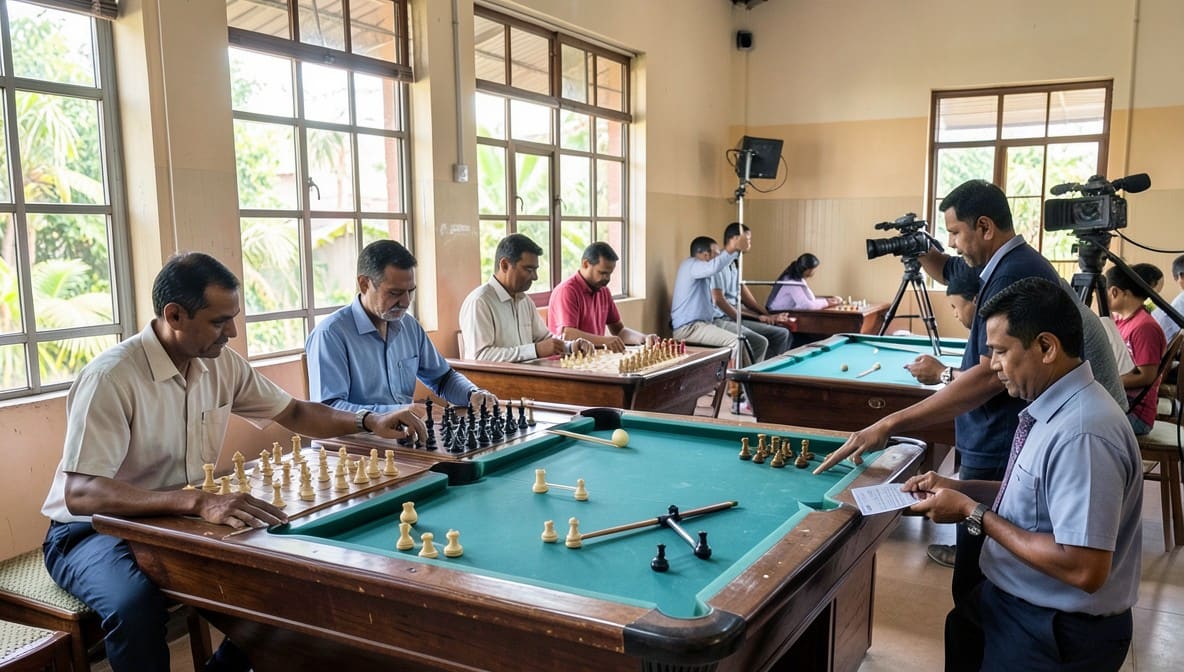
Karnataka High Court holds that registered recreational clubs offering skill-based games (e.g., carom, chess, rummy) are not 'places of public entertainment' under the Karnataka Police Act and cannot be compelled to obtain police licenses. The ruling clarifies that police powers do not extend to lawful recreational activities compliant with CCTV, identity verification, and no-stakes conditions.

The Allahabad High Court has affirmed that state police must strictly adhere to the 2023 circular prohibiting intervention in civil disputes at the request of private parties, reinforcing that such restraint is not a grant of preferential rights but a procedural safeguard to prevent abuse of power. This ruling clarifies the limits of police authority in pending civil litigation and protects citizens from coercive harassment disguised as law enforcement.

The Allahabad High Court has ruled that police have no legal authority to issue status quo directions in private property disputes, as such orders fall exclusively within the domain of civil courts. This decision reinforces that law enforcement must confine itself to maintaining public order, not adjudicating title or possession claims - a critical safeguard for property owners facing coercive administrative interference.

Madras High Court rules that police must issue a formal notice under BNSS Section 35(3) before summoning parties in civil dispute investigations, prohibiting coercive or harassing inquiries. The judgment mandates compliance with procedural fairness, ensuring parties are not subjected to undue police pressure without proper legal intimation.

Andhra Pradesh High Court rules that police cannot pressure parties to settle ongoing civil disputes, holding such coercion infringes fundamental rights under Articles 19 (freedom of trade), 21 (life and liberty), and 300A (right to property). The judgment mandates a writ of mandamus to prevent unlawful police interference, reinforcing judicial primacy in civil adjudication.

The Andhra Pradesh High Court has ruled that seized vehicles must be released immediately upon acquittal, as mere possession or initial seizure without proven use in the offence violates property rights under Article 300A. Authorities must act within three weeks to return vehicles, ensuring due process and preventing arbitrary detention of property after legal exoneration.

Karnataka High Court holds that police cannot rely on a misread interim order to deny permission for a cultural event, reinforcing that administrative actions must align with the actual judicial mandate. The ruling underscores that arbitrary reliance on court orders without proper interpretation violates fundamental rights and due process.

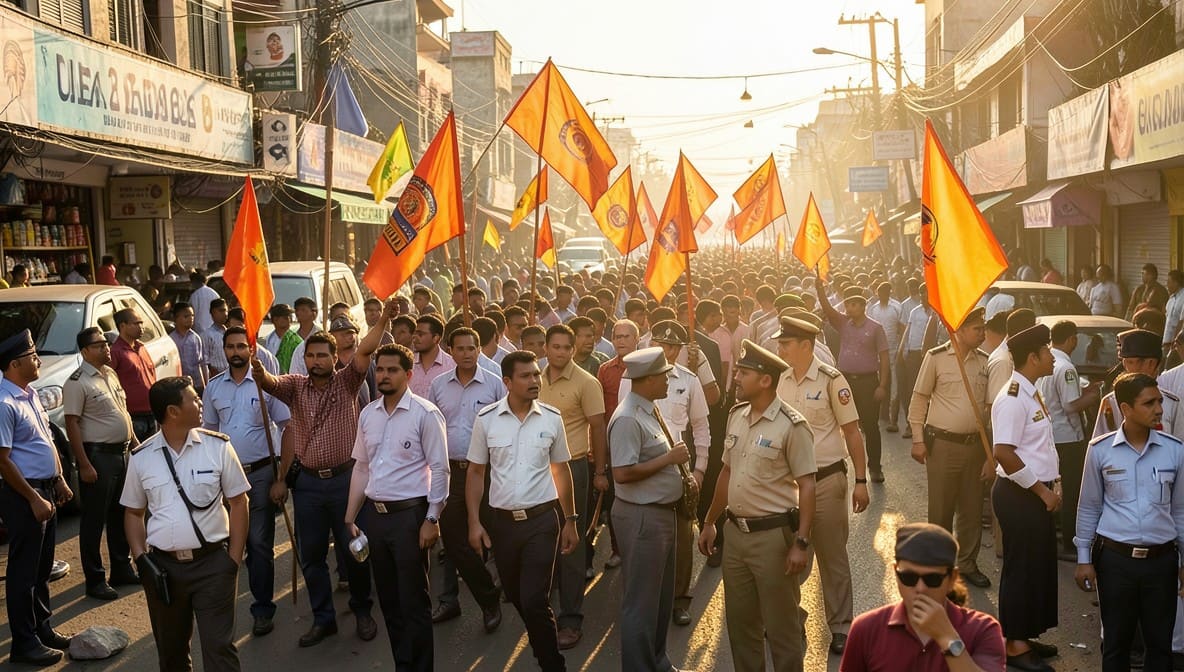
Madurai High Court quashed an arbitrary denial of permission for a temple festival, laying down 14 specific conditions to regulate timing, content, and conduct. The ruling ensures cultural rights under Article 25 are balanced with public order, setting a precedent for police powers in approving religious events.

The Andhra Pradesh High Court has ruled that police cannot summon citizens solely on the basis of unacted-upon PGRS complaints, as this violates personal liberty under Article 21. The ruling reinforces that mere receipt of a complaint, without any active inquiry or legal justification, is insufficient to justify interference with an individual’s freedom - setting a critical boundary on arbitrary police power.