The National Green Tribunal’s suo motu intervention in the felling of over 3,500 trees on university land underscores a critical shift in environmental jurisprudence: procedural compliance is non-negotiable, even when statutory exemptions exist. This judgment reinforces that ecological governance cannot be bypassed under the guise of administrative convenience or species exemption.
Background & Facts
The Dispute
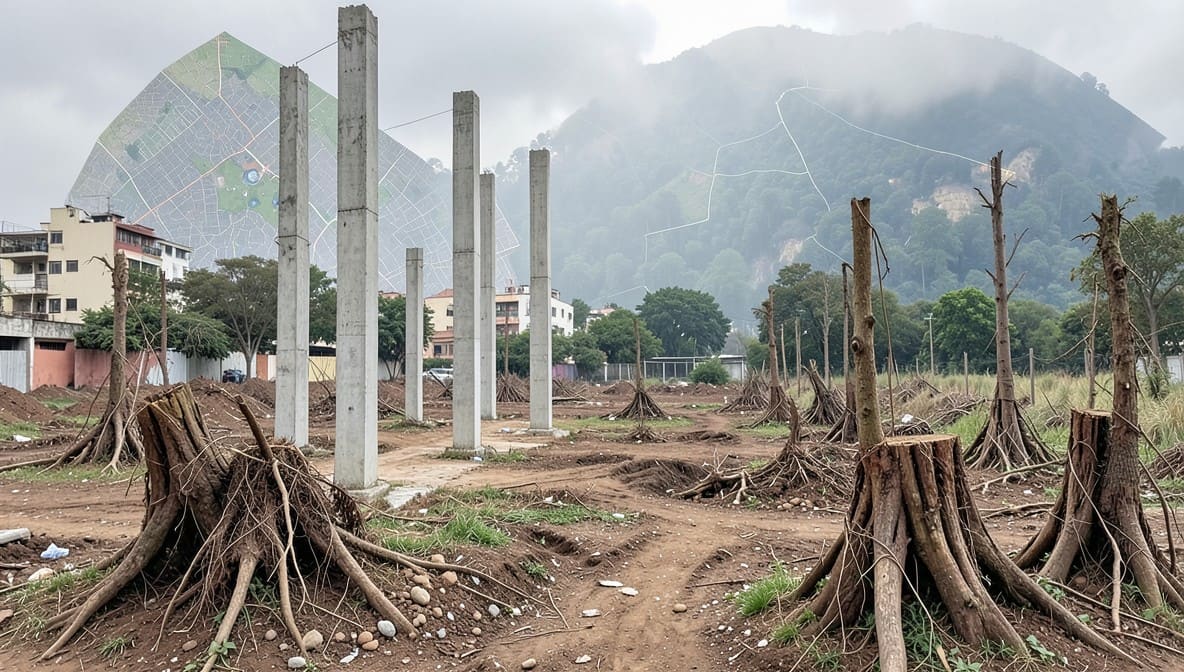
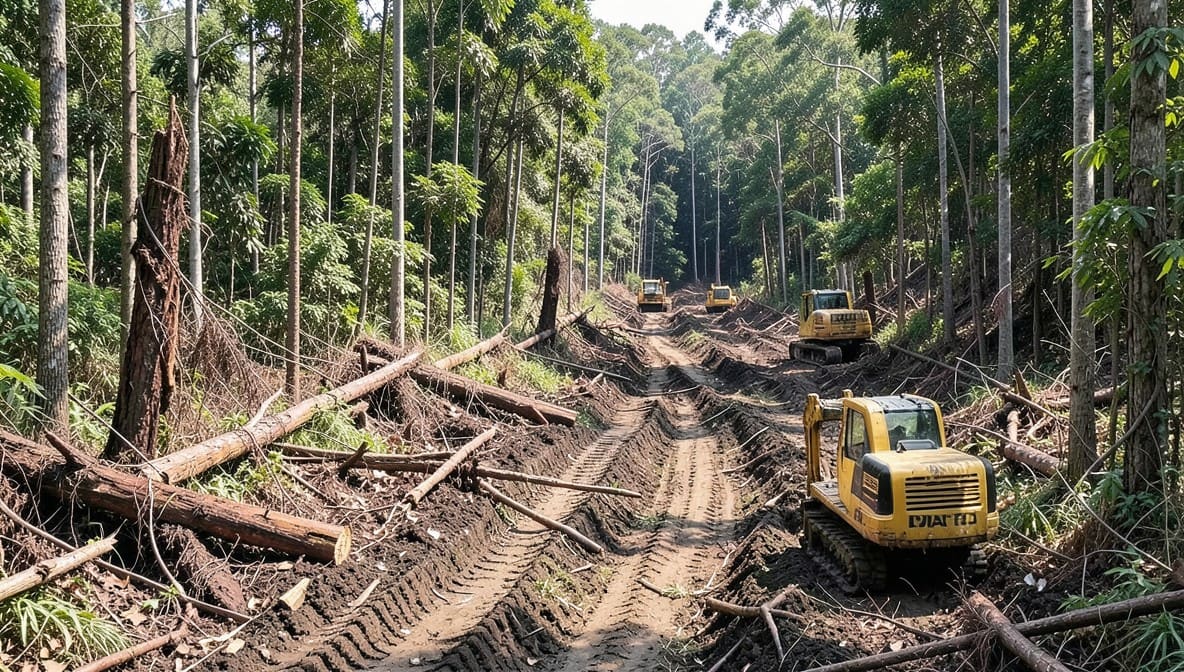
The dispute arose from the large-scale felling of approximately 3,521 trees - primarily Eucalyptus and Subabul - on the campus of Professor Jayashankar Telangana Agricultural University (PJTSAU) in Rajendranagar, Hyderabad. The action, reported in Telangana Today on 06.07.2025, triggered student protests and public concern over unregulated deforestation. Although these species are exempt from formal felling permission under the Wildlife (Protection) Act, 1972 (as amended by WALT Act, 2002), the Tribunal took cognizance due to the scale of removal and lack of transparent process.
Procedural History
- 06.07.2025: News report published triggering public outcry
- 15.11.2025: PJTSAU submits report detailing tree enumeration and removal plan
- 02.02.2026: University clarifies it will retain 114 non-exempt trees
- 03.02.2026: District Forest Officer files affidavit confirming no permission was granted for the 114 trees
- 17.02.2026: NGT closes the matter with binding directions
Relief Sought
The Tribunal, acting suo motu, sought to determine whether the felling of exempted tree species could proceed without procedural safeguards, and whether the university’s actions violated the public trust doctrine and environmental due process.
The Legal Issue
The central question was whether exemption from formal felling permission under the WALT Act, 2002 absolves an entity from complying with procedural norms, including notification, documentation, and environmental impact assessment, particularly when large-scale tree removal affects urban ecology.
Arguments Presented
For the Petitioner (Suo Motu)
The Tribunal, acting as the de facto petitioner, argued that even exempted species are part of the ecological fabric protected under Article 21 and the public trust doctrine. The absence of a formal permission requirement does not negate the duty to maintain transparency, record-keeping, and public accountability. The scale of removal - over 3,500 trees - constituted a significant ecological intervention requiring procedural rigor.
For the Respondent (PJTSAU & Others)
The university contended that since Eucalyptus and Subabul are invasive exotic species exempted under WALT Act, 2002, no statutory permission was required. It emphasized that the removal was part of a scientifically-backed plan to replace them with native species, and that the 114 non-exempt trees were never felled. The respondents argued that imposing additional procedural burdens would stifle ecological restoration efforts.
The Court's Analysis
The Tribunal rejected the notion that statutory exemption equates to procedural impunity. It held that exemption from permission does not equate to exemption from accountability. The Court emphasized that environmental governance requires more than technical compliance - it demands institutional integrity and public trust.
"The WALT Act, 2002, may exempt certain species from the requirement of prior permission, but it does not permit unregulated, unrecorded, and unmonitored destruction of green cover, especially on public land."
The Court noted that the university’s own report acknowledged the need to notify the Forest Department for the 114 non-exempt trees. The fact that permission was never granted - and that the university voluntarily withdrew the proposal - confirmed that the process was never completed. The Forest Department’s affidavit corroborated that the 114 trees remained intact, validating the Tribunal’s intervention.
The judgment anchored its reasoning in the precautionary principle and the polluter pays principle, both integral to India’s environmental jurisprudence since Vellore Citizens Welfare Forum v. Union of India. The Court further invoked the public trust doctrine, holding that public land, even when used for educational purposes, cannot be treated as private property for ecological modification without oversight.
The Verdict
The National Green Tribunal closed the matter with a binding directive: even exempted tree species cannot be removed without procedural documentation, public notice, and environmental justification. The university’s decision to retain the 114 trees was accepted, but the Tribunal made clear that future actions must be preceded by formal records and Forest Department consultation.
What This Means For Similar Cases
Procedural Compliance Is Non-Negotiable
- Practitioners must now argue that exemption from statutory permission does not eliminate the duty to document, notify, and justify tree removal
- Any large-scale vegetation change on public or institutional land requires a transparent audit trail, even if no formal permit is legally mandated
- Failure to maintain records may trigger suo motu intervention under Section 19 of the NGT Act, 2010
Ecological Restoration Must Be Transparent
- Universities, municipalities, and public agencies planning invasive species removal must publish:
- Species enumeration reports
- Ecological rationale for removal
- Plans for replacement with native species
- These documents must be submitted to the State Forest Department and made publicly accessible
- Absence of such documentation may render removal unlawful, regardless of species exemption
Public Trust Doctrine Applies to Institutional Land
- Land owned by public universities, hospitals, or municipal bodies is held in public trust
- Any alteration of green cover on such land requires judicial scrutiny if it impacts urban biodiversity
- Citizens and NGOs may now file environmental PILs based on unrecorded tree felling, even without formal violation of permit rules