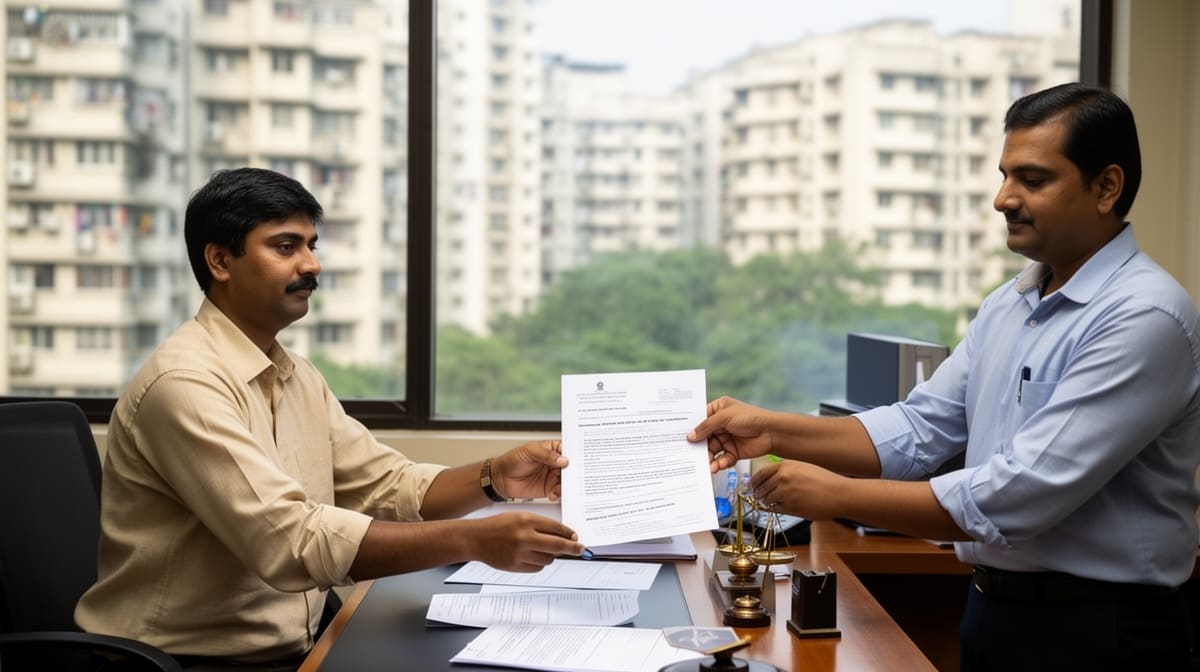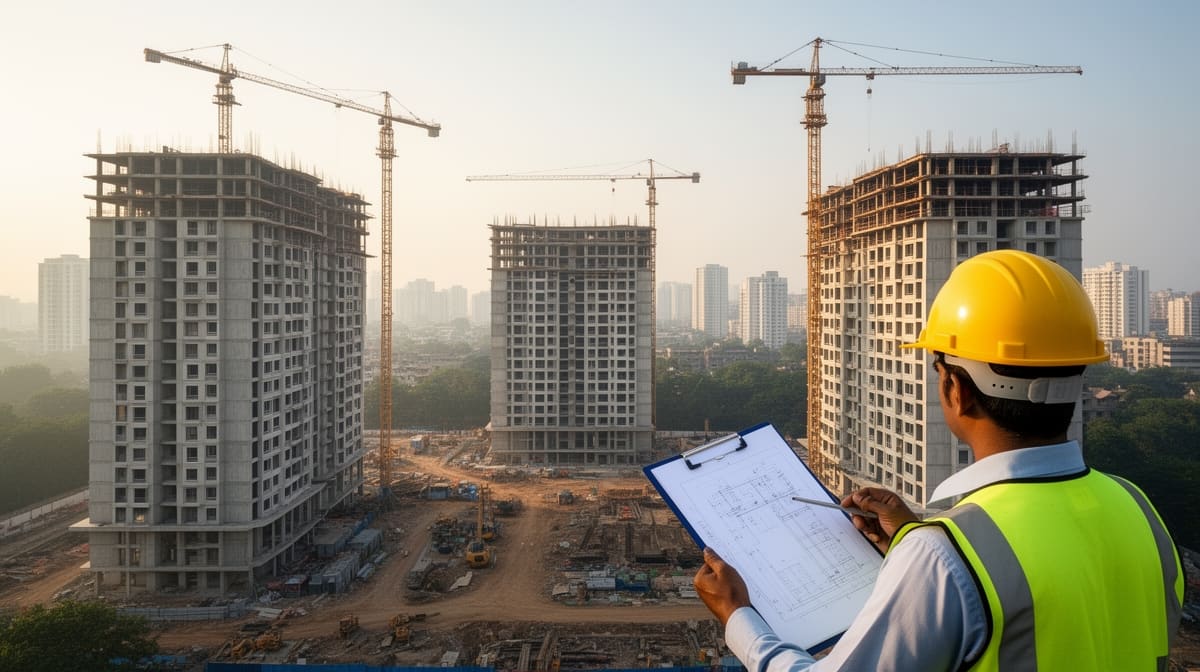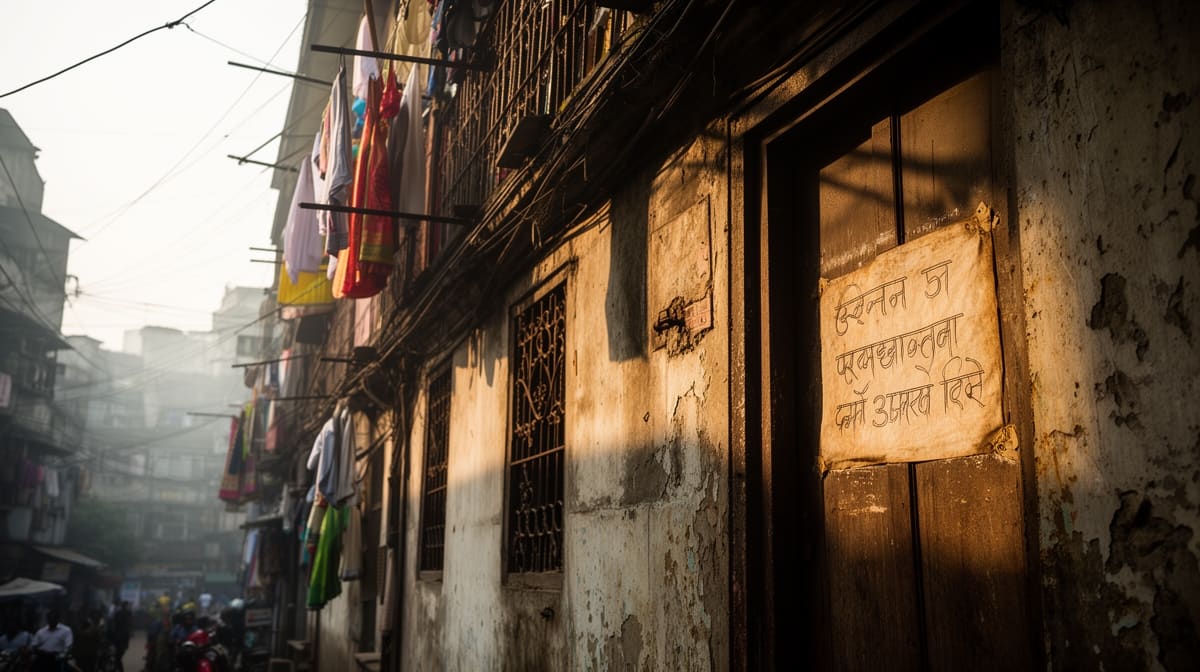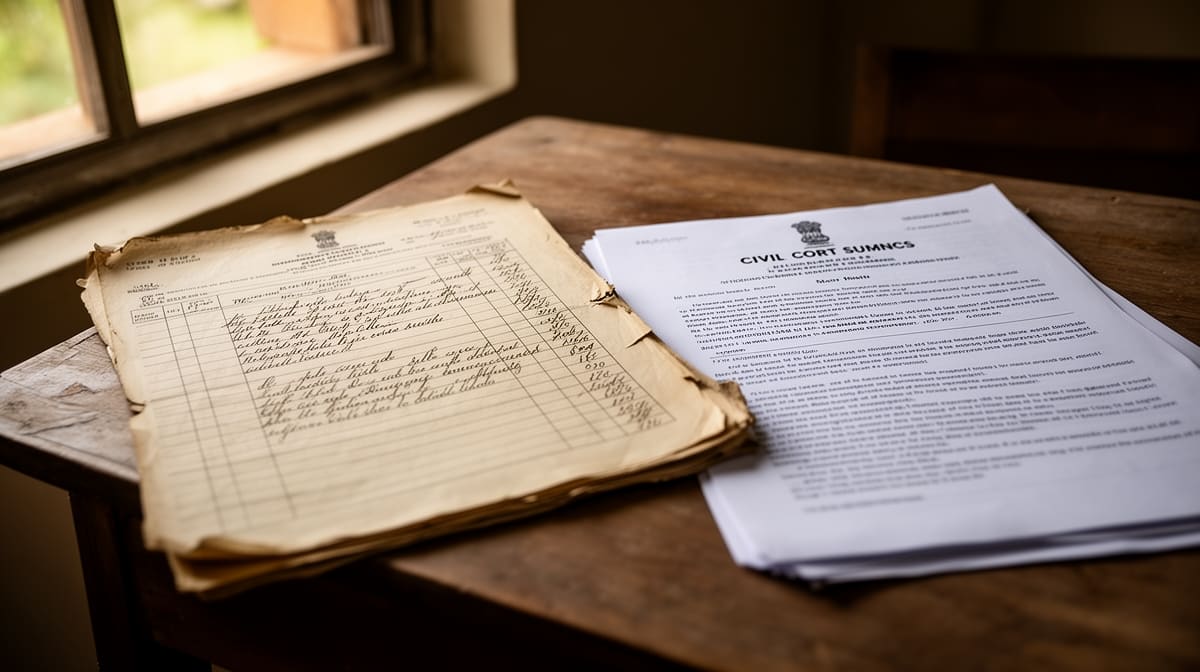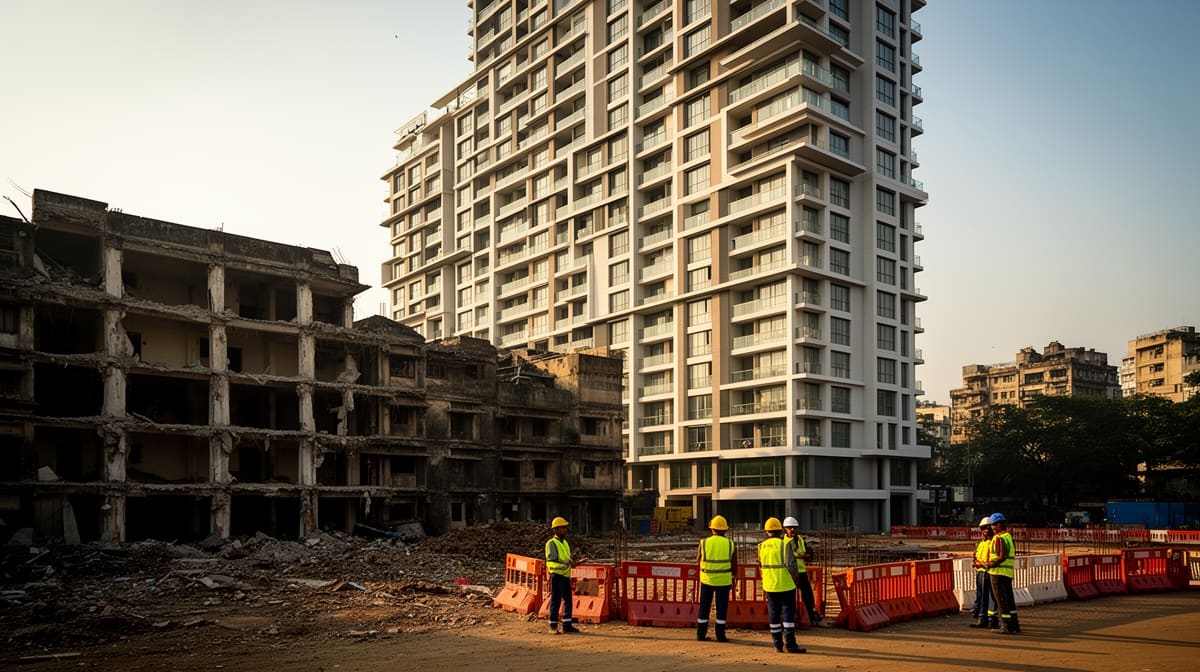
The Bombay High Court has clarified that eviction proceedings under the Maharashtra Slum Areas Act cannot be used to resolve private disputes over ownership or exclusive possession among family members. This judgment reinforces the limited scope of summary remedies in slum redevelopment contexts and directs aggrieved parties to seek relief in civil courts.
Background & Facts
The Dispute
The petitioner, Atul Ganesh Kulkarni, challenged an eviction order issued under Sections 33 and 28 of the Maharashtra Slum Areas (Improvement, Clearance and Redevelopment) Act, 1971. He claimed he was the rightful occupant of a slum dwelling, not his brother Kishorilal, who had been formally allotted a unit in the redeveloped building. The petitioner argued that he had been residing in the original structure and should have been included in Annexure II - the official list of eligible slum dwellers.
Procedural History
- 2006: Deputy Chief Executive Officer’s report found Kishorilal eligible based on occupation as of the cut-off date, noting petitioner resided with him.
- 2014: Competent authority accepted the 2006 report and rejected petitioner’s application for inclusion in Annexure II.
- 2014: Eviction proceedings initiated against petitioner under Section 33.
- 2026: Writ petition filed before Bombay High Court challenging eviction and seeking inclusion in Annexure II.
Relief Sought
The petitioner sought quashing of the eviction order and direct inclusion of his name in Annexure II, asserting his exclusive right to occupation and challenging his brother’s eligibility.
The Legal Issue
The central question was whether eviction proceedings under Sections 33 and 28 of the Maharashtra Slum Areas Act permit adjudication of private title disputes between family members over occupancy rights, or whether such matters must be resolved in a civil court.
Arguments Presented
For the Petitioner
The petitioner relied on the 2006 report acknowledging his residence with his brother, arguing that the authority erred in excluding him from Annexure II. He contended that actual possession, not formal registration, should determine eligibility. He cited principles of natural justice and equitable entitlement, asserting that the authority failed to conduct a proper inquiry.
For the Respondent
The respondents, including MHADA and other allottees, argued that the authority had already conducted a lawful inquiry and accepted the 2006 report. They emphasized that the petitioner’s claim was an inter se dispute between private parties, which fell outside the scope of summary proceedings under the Slum Act. They further noted that redevelopment was complete and third-party rights had crystallised.
The Court's Analysis
The Court examined the nature and purpose of the Maharashtra Slum Areas Act. It held that Sections 33 and 28 are designed for expeditious implementation of redevelopment schemes, not for adjudicating complex questions of title or exclusive possession between private individuals. The Court observed that the authority’s role is confined to verifying eligibility based on occupation as of the cut-off date, not resolving familial disputes.
"The scope of inquiry under these sections is therefore confined. It does not extend to deciding complicated questions of title between private parties."
The Court noted that the 2006 report had been duly considered and accepted by the competent authority. The petitioner’s subsequent claim of exclusive possession raised a factual dispute that could not be resolved in a writ petition under Article 226. The Court distinguished between procedural eligibility under the Act and substantive ownership rights, holding that the latter must be determined in a civil suit.
The Court further emphasized that the physical transformation of the site - demolition of the old structure and completion of new allotments - rendered the original relief sought impractical. Granting the petitioner’s request would disrupt settled rights of third-party allottees.
The Verdict
The petitioner’s writ petition was dismissed. The Court held that eviction proceedings under the Slum Act cannot determine private title disputes, and the petitioner’s remedy, if any, lies in a civil court to establish his claim against his brother. The Court preserved his right to pursue such a claim but declined to interfere with the administrative decision.
What This Means For Similar Cases
Slum Eligibility Is Not a Proxy for Title
- Practitioners must distinguish between eligibility under slum rehabilitation schemes and legal ownership.
- Claims based on actual possession alone, without documentary proof of tenancy or inheritance, cannot override official eligibility lists.
- Writ petitions cannot be used to re-litigate factual disputes that require evidence, cross-examination, and civil procedure.
Civil Court Is the Exclusive Forum for Inter Se Disputes
- Family disputes over occupancy rights in redeveloped slums must be filed as civil suits for declaration of title or injunction.
- Courts will not entertain such claims under Article 226 when administrative authorities have acted within their statutory mandate.
- Delay in filing civil suits after final administrative orders may lead to estoppel or laches.
Finality of Administrative Findings in Redevelopment
- Once an eligibility report is accepted and redevelopment is completed, administrative decisions attain finality.
- Third-party allottees acquire protected rights that cannot be disturbed by collateral challenges in writ petitions.
- Petitioners must exhaust all administrative remedies before approaching courts, and must do so within the limitation period.