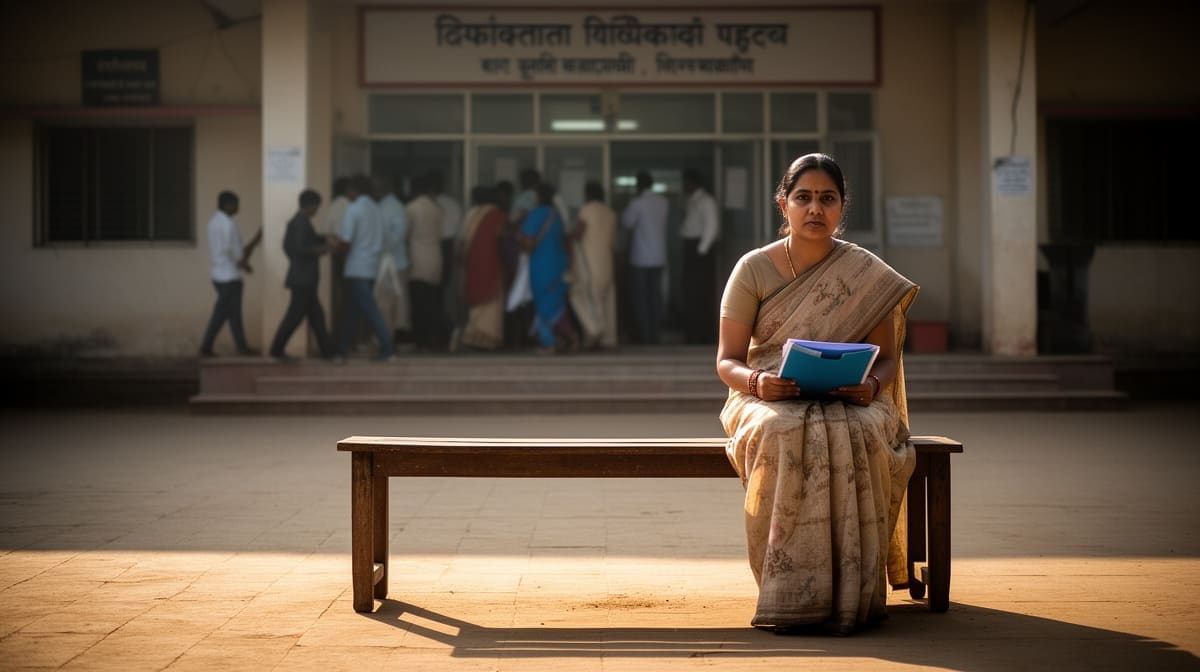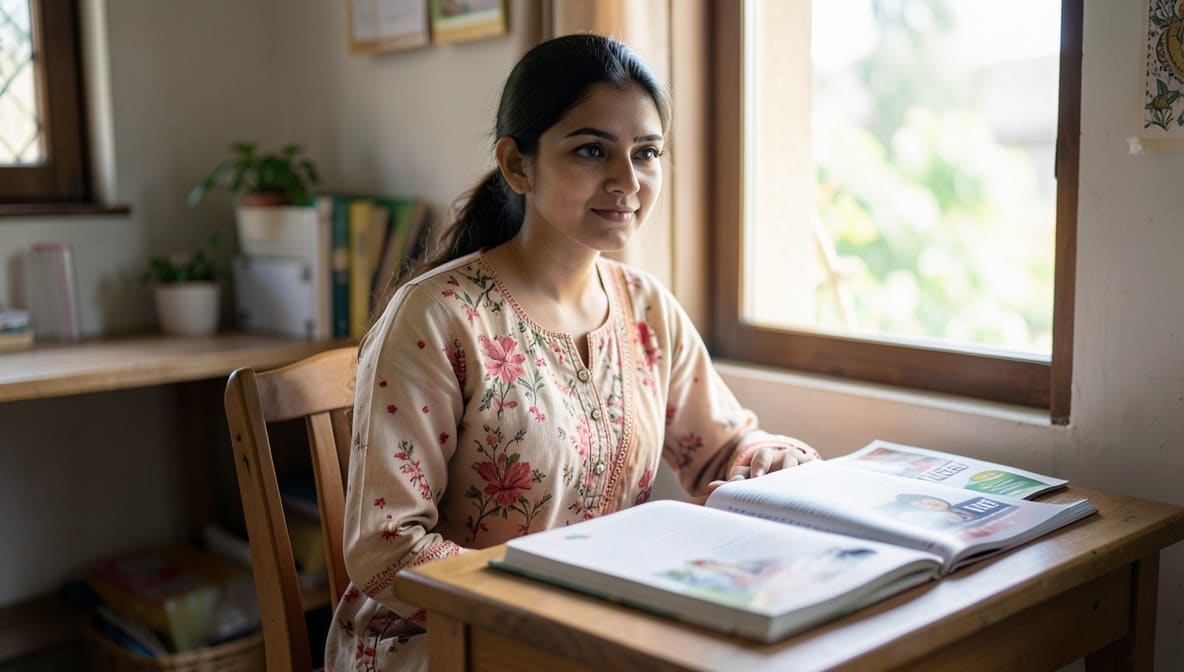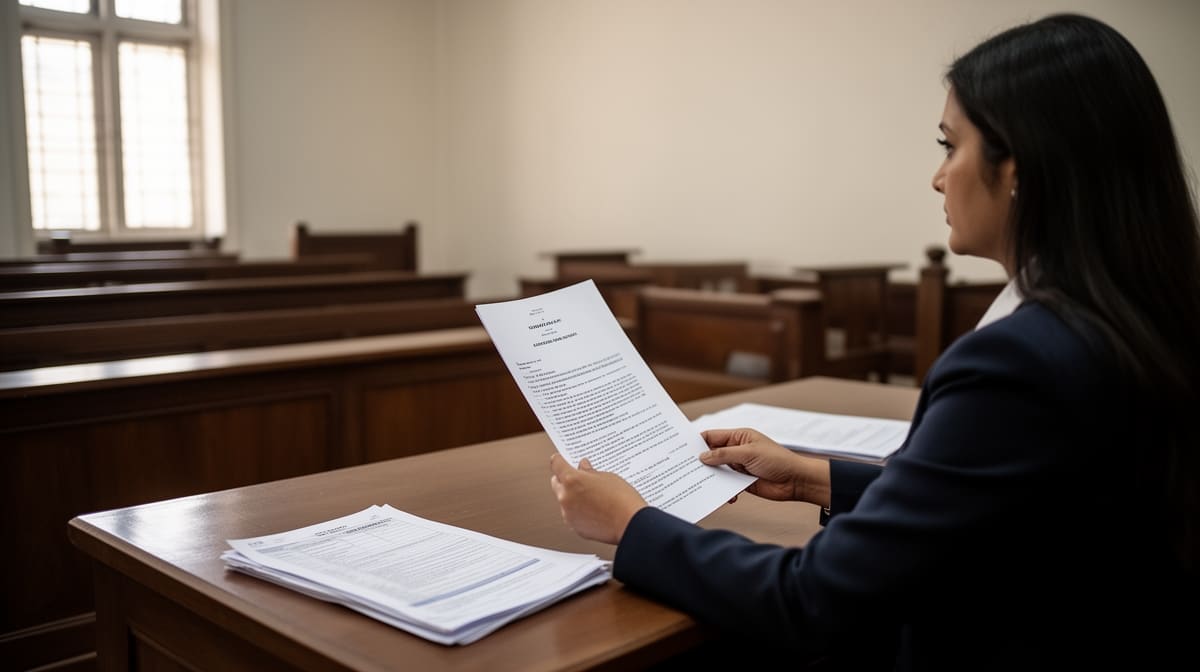
The Madhya Pradesh High Court has clarified that Section 125 of the CrPC provides only summary relief to minor children or those incapacitated by physical or mental disability, excluding major children merely because they are students or lack independent income. This ruling reinforces the statutory limits of criminal maintenance proceedings and directs affected parties to seek remedies under civil statutes.
Background & Facts
The Dispute
The petitioner, Smt. Hermeet Kaur Wadhwa, filed an application under Section 125 of the CrPC, 1973 seeking maintenance for herself and her two adult children - her daughter (Petitioner No.2) and son (Petitioner No.3). The respondent, Saravjeet Singh Wadhwa, challenged their inclusion, arguing that both children had attained majority and were not disabled. The Family Court accepted this contention and deleted their names from the petition.
Procedural History
- 21.11.1998: Marriage between petitioner no.1 and respondent
- 12.12.1999: Birth of petitioner no.2 (daughter)
- 22.11.2004: Birth of petitioner no.3 (son)
- 06.12.2023: Maintenance application filed under Section 125 CrPC seeking Rs.50,000/month for wife, Rs.25,000/month each for children, plus educational and accommodation expenses
- 18.10.2023: Family Court allowed respondent’s application to delete names of petitioner no.2 and 3 on grounds of majority
- 17.02.2026: Criminal revision dismissed by High Court
Relief Sought
The petitioners sought restoration of their names in the maintenance proceeding, arguing that despite majority, they were still pursuing higher education and lacked independent income. They contended that the Family Court erred in applying a rigid age-based criterion without considering their financial dependency.
The Legal Issue
The central question was whether Section 125 of the CrPC, 1973 entitles major children to maintenance solely on the ground of being students without independent income, or whether such entitlement is restricted to minors or those physically or mentally unable to maintain themselves.
Arguments Presented
For the Petitioner
The petitioners relied on Rita Dutta v. Subhendu Dutta, Urvashi Aggarwal v. Inderpaul Aggarwal, Jayvardhan Singh Chapokat v. Ajayveer Chapotkat, and Chaturbhuj v. Sita Bai to argue that courts have recognized maintenance for major children pursuing education, especially when they lack means. They emphasized that Section 125 CrPC is a social welfare provision meant to prevent destitution, and that denying maintenance to students undermines its humanitarian purpose.
For the Respondent
The respondent contended that Section 125 CrPC explicitly limits maintenance to minors or disabled persons. The children were neither physically nor mentally incapacitated. Petitioner no.2 was engaged in legal internship and pursuing LLM, while petitioner no.3 was allegedly avoiding family business. The respondent argued that the Family Court correctly applied the plain language of the statute and that civil remedies under the Hindu Adoption and Maintenance Act, 1956, remained available.
The Court's Analysis
The Court undertook a textual and purposive interpretation of Section 125 CrPC, emphasizing its summary nature. It observed that the provision was designed to provide immediate relief to those unable to support themselves, not to substitute civil litigation for educational expenses. The Court noted that the statute does not mention "students" or "dependency" as qualifying conditions beyond minority or disability.
"That only minor children are entitled for maintenance under the Act except major children who are physically or mentally unable to maintain themselves."
The Court distinguished the cited precedents, noting that Rita Dutta and others involved children who became major during the pendency of proceedings, whereas here, the children were already major at the time of filing. The Court further clarified that Section 20 of the Hindu Adoption and Maintenance Act, 1956 provides a broader, civil remedy for unmarried daughters unable to maintain themselves, and that Section 125 CrPC cannot be stretched to cover such claims.
The Court also highlighted the jurisdictional distinction: Family Courts exercise both civil and criminal jurisdiction, but Section 125 CrPC remains a criminal summary remedy. Where the claim exceeds its statutory scope, petitioners must file a separate civil suit under the 1956 Act.
The Verdict
The revision petition was dismissed. The Court held that Section 125 CrPC does not extend maintenance to major children merely because they are students or financially dependent. The Family Court’s order was legally sound, and petitioners must seek relief under civil law.
What This Means For Similar Cases
Maintenance Under Section 125 CrPC Is Statutorily Limited
- Practitioners must advise clients that Section 125 CrPC cannot be invoked for adult children unless they are physically or mentally disabled
- Filing for maintenance on grounds of "student status" alone will be dismissed at threshold
- Always verify the child’s age and disability status before drafting applications
Civil Remedies Remain Available and Preferable for Students
- Unmarried major daughters can claim maintenance under Section 20 of the Hindu Adoption and Maintenance Act, 1956
- Parents should be advised to file separate civil suits for educational expenses, not rely on summary proceedings
- Evidence of financial need, parental obligation, and lack of independent income must be documented for civil claims
Procedural Strategy Must Align with Statutory Framework
- Do not conflate criminal maintenance with civil entitlements
- If a child becomes major during pendency, maintenance may continue under Rita Dutta principles
- If major at filing, the application is defective unless disability is pleaded and proved
- Consider filing parallel civil petitions to preserve rights while pursuing CrPC relief