Topic

Right to Property

The right to property in India, protected under Article 300A of the Constitution, ensures no person can be deprived of property except by authority of law and with fair compensation.

20 articlesLatest July 2026
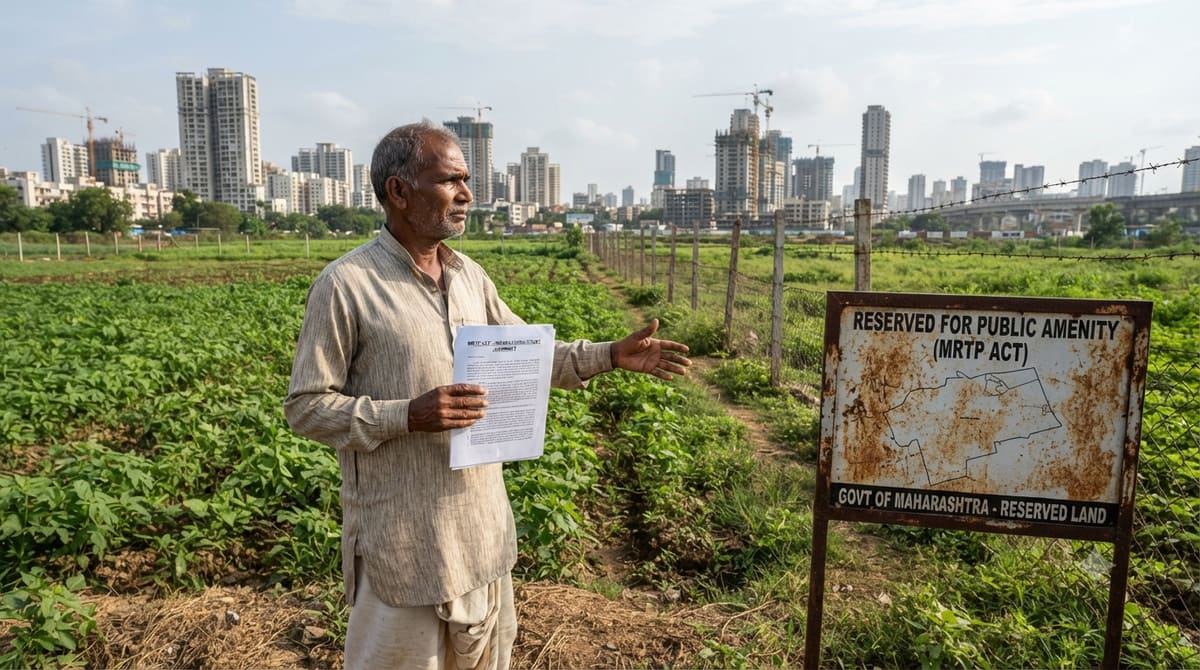
MRTP Act Sections 49, 126, 127 | Long-Term Land Reservation Without Acquisition Violates Right to Property; Statutory Process Cannot Be Bypassed by Writ: Bombay HC
Case Law Analysis
|Bombay High Court

MRTP Act Sections 49, 126, 127 | Long-Term Land Reservation Without Acquisition Violates Right to Property; Statutory Process Cannot Be Bypassed by Writ: Bombay HC

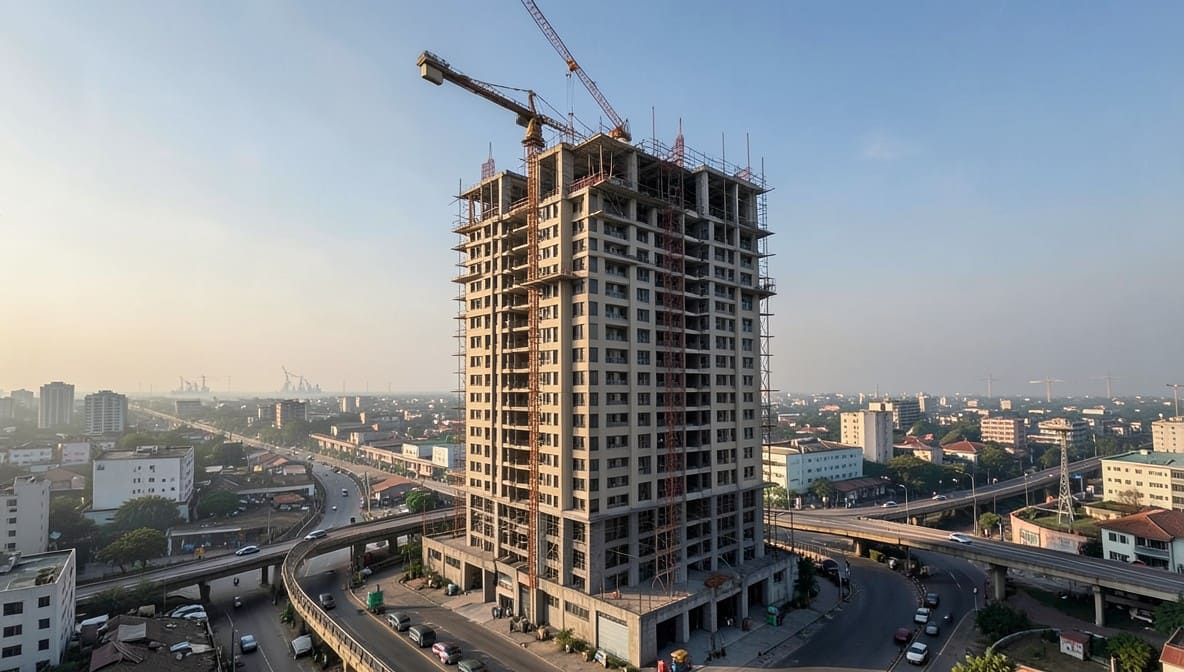
The Bombay High Court ruled that indefinite reservation of private land under the MRTP Act, without initiating formal acquisition under Sections 49, 126, and 127, amounts to an unconstitutional deprivation of property rights. Authorities cannot rely on administrative delay or changed land use plans to avoid statutory acquisition - this decision binds all municipal bodies holding land in legal limbo for over four decades.

Article 300A | NHAI Cannot Deny Compensation by Declaring 'Regular Acquisition' Unacceptable: Bombay HC
|Bombay High Court

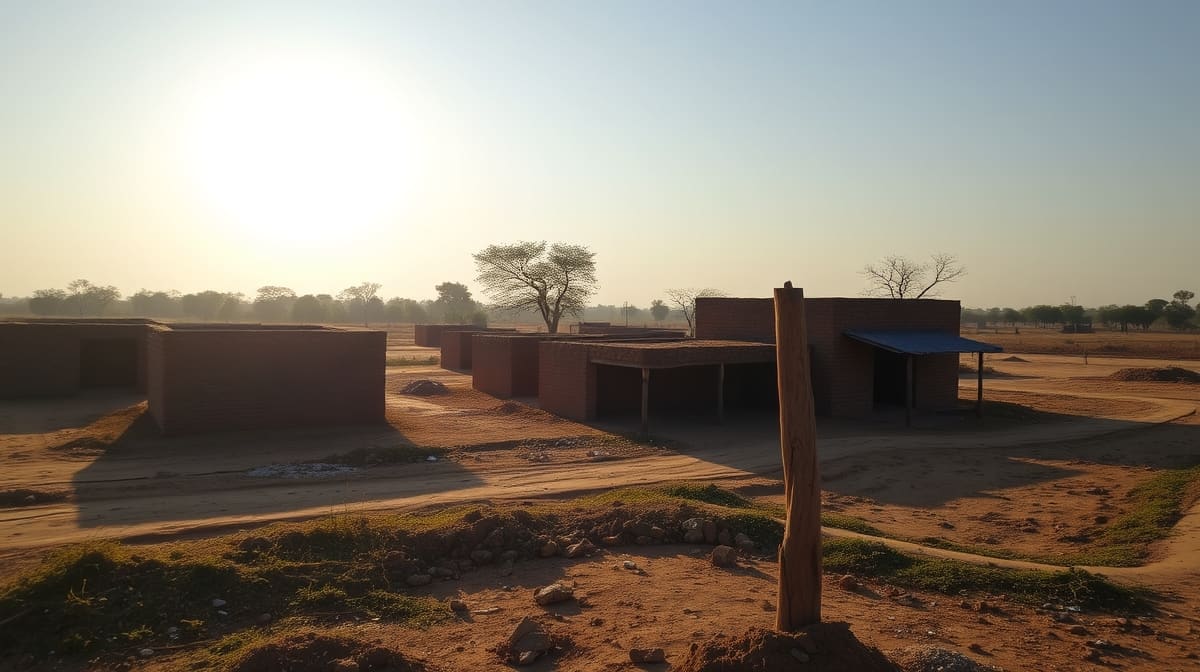
Article 300A | NHAI Cannot Deny Compensation by Declaring 'Regular Acquisition' Unacceptable: Bombay HC

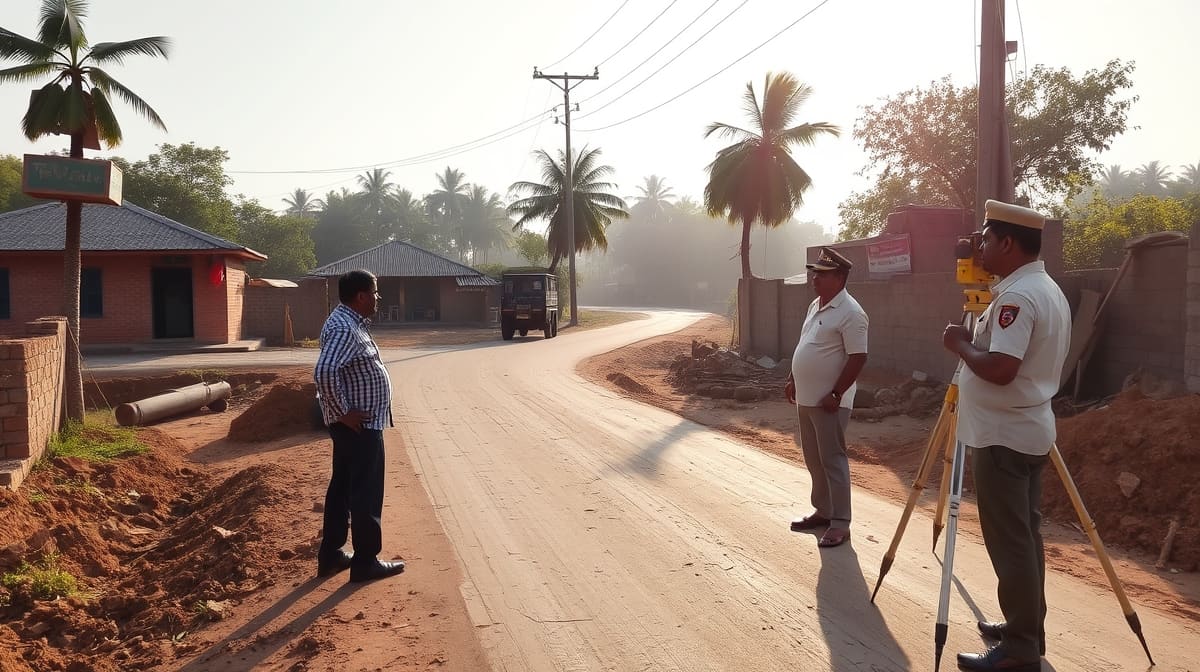
The Bombay High Court has ruled that denying landowners compensation on the grounds that 'regular acquisition was not acceptable' violates the constitutional right to property under Article 300A. This sets a critical precedent: administrative convenience cannot override constitutional obligations, and sympathetic ex-gratia payments cannot substitute for statutory compensation in public infrastructure projects.

Article 21 & 300A | No Demolition Without Notice, Survey, or Hearing: Andhra Pradesh HC Stays Arbitrary Panchayat Action
Case Law Analysis
|Andhra Pradesh High Court

Article 21 & 300A | No Demolition Without Notice, Survey, or Hearing: Andhra Pradesh HC Stays Arbitrary Panchayat Action

The Andhra Pradesh High Court ruled that demolition of private property without prior notice, survey, or hearing violates constitutional guarantees under Article 21 and 300A. The court directed authorities to follow due process, reinforcing that arbitrary actions by Panchayat or government bodies are unconstitutional and subject to judicial scrutiny.

Superseded Defence NOC Circulars Cannot Revive Extinguished Rights | Bombay HC Quashes Stop Work Notice for Lack of Legal Grounding
Case Law Analysis
|Bombay High Court

Superseded Defence NOC Circulars Cannot Revive Extinguished Rights | Bombay HC Quashes Stop Work Notice for Lack of Legal Grounding

Bombay High Court rules that rights crystallized under a superseded Ministry of Defence circular cannot be undone by its subsequent abeyance. The court quashed a stop work notice and denial of an occupation certificate, emphasizing that Defence NOC demands must be legally grounded and uniformly applied, not retroactively enforced.

Article 300A & Due Process | Bank Account Freeze Without FIR or Court Order Violates Right to Property: Punjab & Haryana HC
Case Law Analysis
|Punjab and Haryana High Court

Article 300A & Due Process | Bank Account Freeze Without FIR or Court Order Violates Right to Property: Punjab & Haryana HC

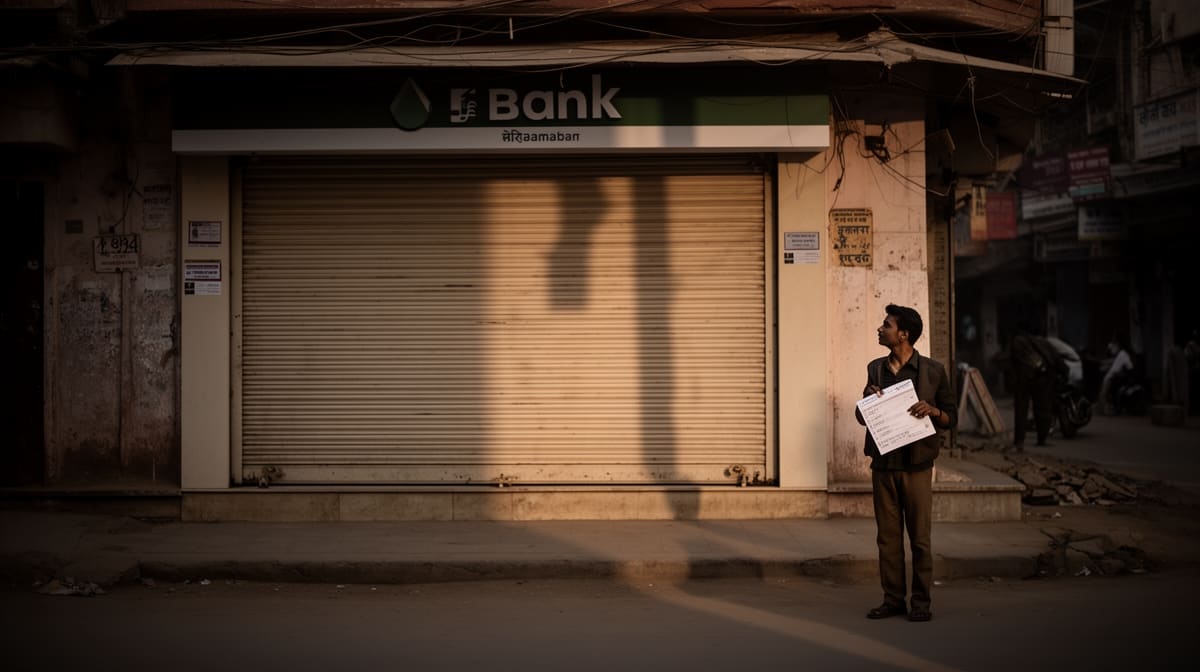
Punjab & Haryana High Court rules that banks cannot freeze accounts or impose liens based solely on automated cybercrime alerts without an FIR, court order, or verified suspicious transaction. The judgment reinforces that constitutional protections under Article 300A require due process before restricting property rights, impacting account holders and financial institutions.

Section 176 RBI Master Directions | Banks Must Specify Disputed Amount Before Freezing Accounts: Rajasthan HC
Case Law Analysis
|Rajasthan High Court

Section 176 RBI Master Directions | Banks Must Specify Disputed Amount Before Freezing Accounts: Rajasthan HC

Rajasthan High Court rules banks cannot freeze accounts without prior notice or clear identification of the disputed amount, reinforcing due process under RBI Master Directions. The judgment mandates a seven-day response window from investigating agencies, failing which banks must release funds, protecting account holders from arbitrary freezes.

Telangana Land Encroachment Act Notices Must Specify Extent & Legal Basis | Article 14 & 21 Violations Trigger Interim Relief: Telangana High Court
Case Law Analysis
|Telangana High Court

Telangana Land Encroachment Act Notices Must Specify Extent & Legal Basis | Article 14 & 21 Violations Trigger Interim Relief: Telangana High Court

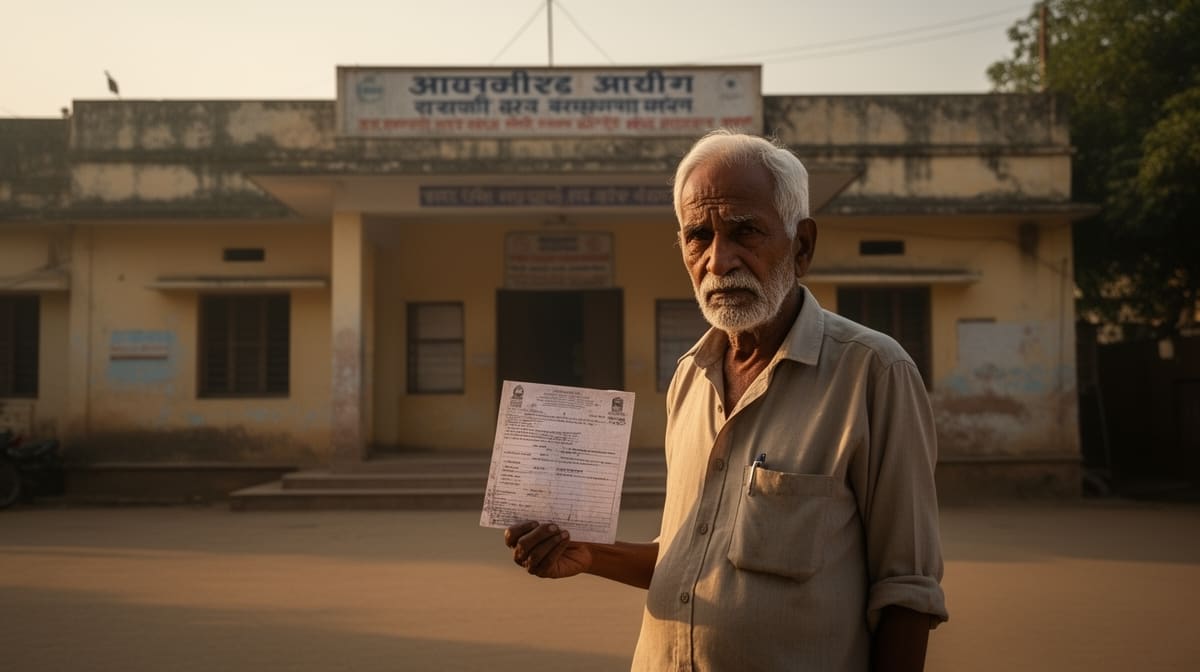
The Telangana High Court ruled that notices under the Land Encroachment Act, 1905, must clearly specify the extent of encroachment and the legal basis for government claims. Vague notices violate constitutional rights under Article 14 (equality) and Article 21 (fair procedure), entitling affected parties to interim relief. This judgment reinforces natural justice principles for landowners facing arbitrary administrative actions.