The Jammu & Kashmir and Ladakh High Court has reaffirmed that the state cannot permanently occupy private land without following due process of law, even if the occupation occurred decades ago. This judgment restores the primacy of Article 300A of the Constitution as a non-negotiable safeguard against arbitrary dispossession, regardless of time elapsed or administrative convenience.
Background & Facts
The Dispute
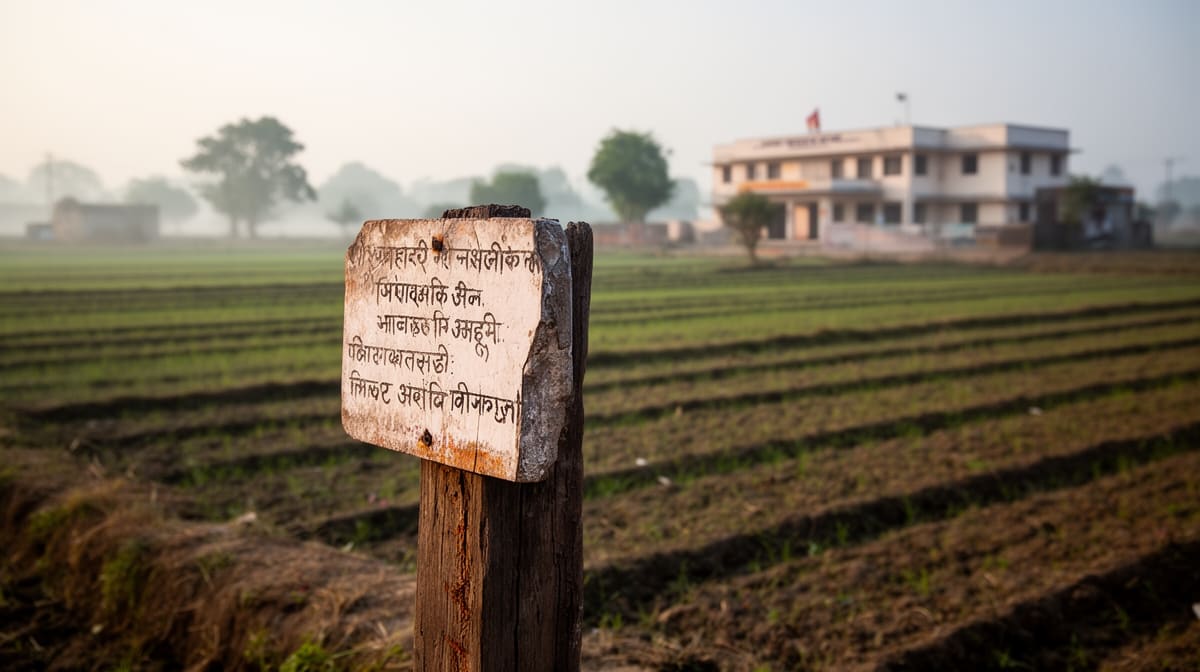
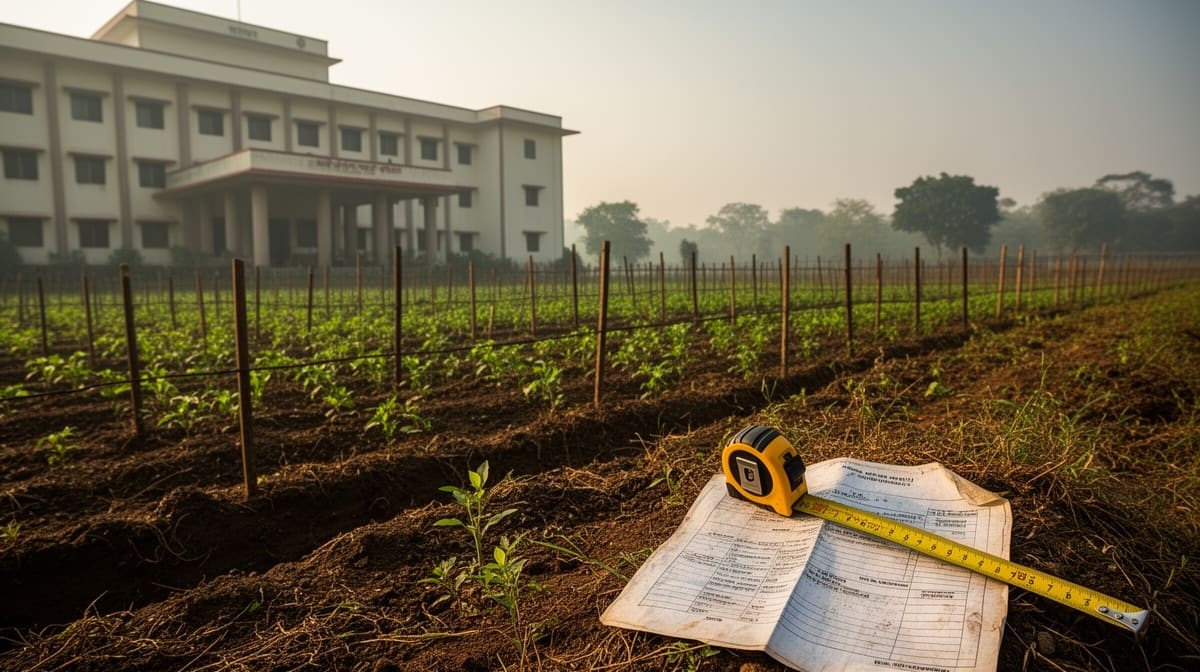
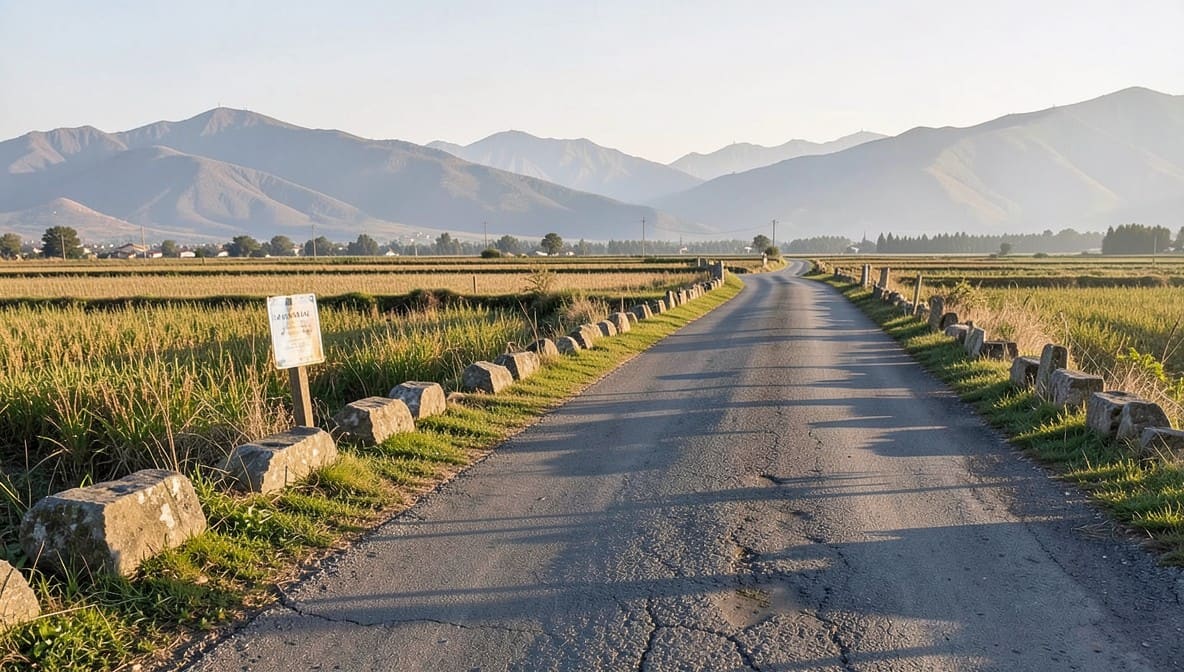
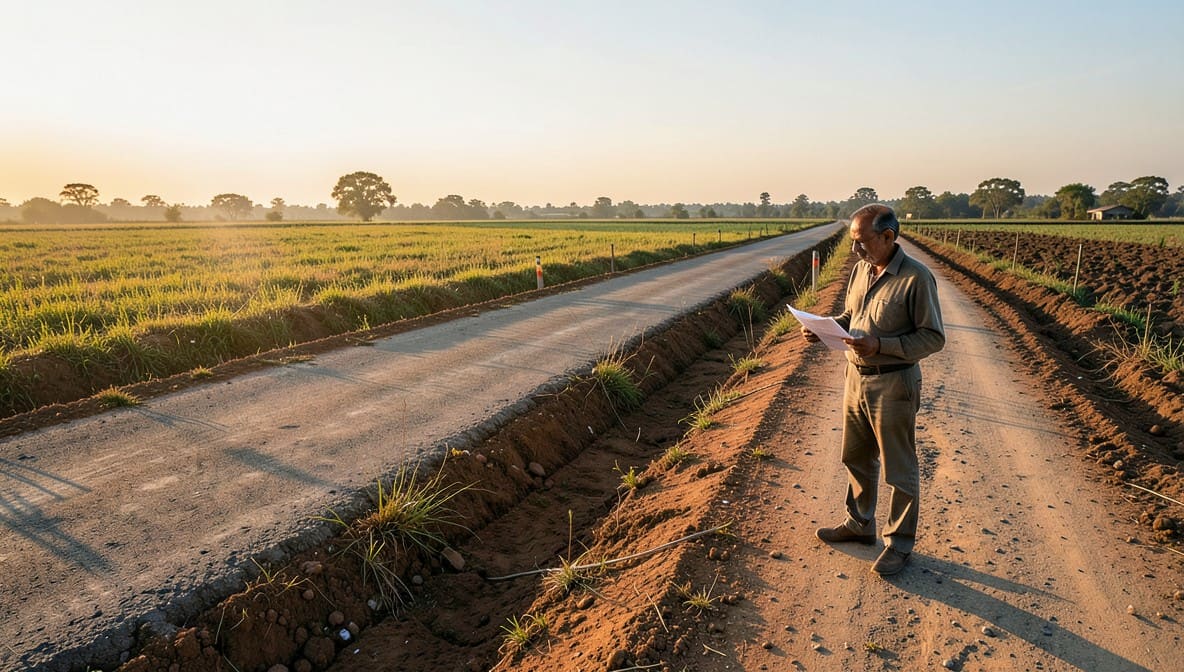
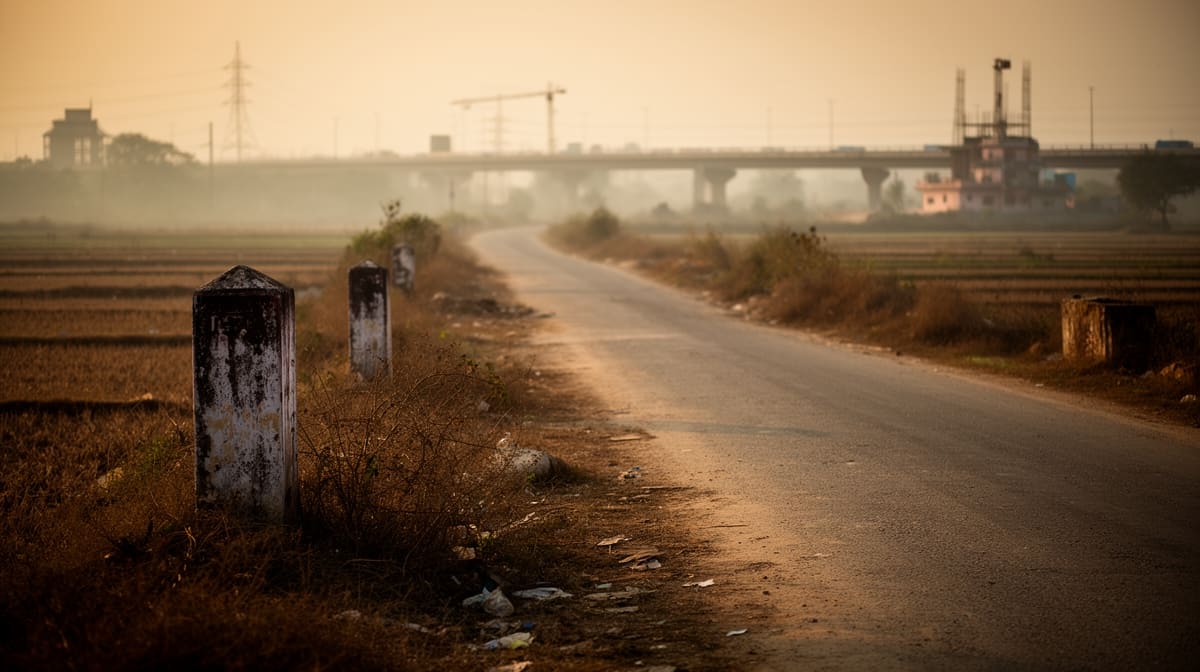
The petitioner, Ch. Mohd. Sadiq, claims ownership over two kanals of land in Khasra No. 299 (old), Village Digiana, Jammu, inherited from his father, Munshi Khan. The land was occupied by the Central Public Works Department (CPWD) in 1957 for the widening of the Jammu-Pathankot National Highway. No acquisition proceedings were initiated, no compensation was paid, and no formal transfer of title occurred. Despite repeated requests, the revenue records show no legal basis for the occupation.
Procedural History
- 1957: CPWD took physical possession of the land without any acquisition process.
- 2010: The road and associated land were transferred from CPWD to the Jammu & Kashmir Public Works Department (PWD).
- 2021: The land was transferred again to the National Highway Authority of India (NHAI) for the Delhi-Amritsar-Katra Six-Lane Expressway.
- 2020: Petitioner filed this writ petition seeking compensation or restoration of possession.
- 2022: Deputy Commissioner, Jammu, confirmed in writing that no acquisition records or compensation payments existed.
Relief Sought
The petitioner sought: (a) mandamus for payment of fair compensation with interest from 1957; (b) production of acquisition records; and (c) directions to the state to regularize the occupation through lawful acquisition or return possession.
The Legal Issue
The central question was whether the state’s prolonged, unauthorised occupation of private land - spanning over seven decades - constitutes a violation of Article 300A of the Constitution, and whether the passage of time can extinguish the right to just compensation or restoration of possession.
Arguments Presented
For the Petitioner
The petitioner’s counsel relied on Hari Krishna Mandir Trust v. State of Maharashtra and Vidya Devi v. State of Himachal Pradesh to argue that Article 300A protects property as a constitutional and human right. They contended that absence of acquisition proceedings, even if the land was used for public purpose, renders the occupation illegal. The petitioner emphasized that the state’s failure to maintain records or respond to inquiries amounted to a violation of natural justice and due process.
For the Respondent
The respondents, including NHAI and CPWD, argued that the petitioner had slept on his rights, invoking laches and delay. They claimed the land was held as "state land" and that the petitioner’s ownership claim could not be adjudicated in writ jurisdiction without evidence. NHAI further asserted that it inherited possession from PWD and had no obligation to trace historical acquisition.
The Court's Analysis
The Court conducted a rigorous analysis of Article 300A, which states: "No person shall be deprived of his property save by authority of law." The Court held that "authority of law" does not mean administrative convenience or long-standing possession - it requires a legally sanctioned process of acquisition.
"Deprivation by any other mode is not acquisition or taking possession under Article 300A. In other words, if there is no law, there is no deprivation."
The Court rejected the argument that delay bars relief, noting that property rights are not subject to limitation periods in the same manner as contractual claims. The state, as a fiduciary, cannot benefit from its own failure to follow legal procedure. The Court distinguished Vidya Devi, where forcible dispossession in 1967 was held unlawful despite the lapse of time, and applied the same logic here.
The Court further observed that the respondents’ silence - particularly CPWD’s failure to produce any acquisition record despite repeated requests - constituted an admission of illegality. The transfer of land from CPWD to PWD to NHAI did not cure the initial illegality; each successive custodian inherited the taint of unlawful possession.
The Court emphasized that public purpose does not justify unlawful means. Even if the highway serves national interest, the state must first comply with the law before taking possession. The absence of a formal acquisition process, whether under the Land Acquisition Act, 1894, or the Right to Fair Compensation Act, 2013, renders the occupation void ab initio.
The Verdict
The petitioner succeeded. The Court held that Article 300A prohibits state occupation of private property without lawful acquisition, regardless of duration. The Court directed NHAI to either initiate formal acquisition proceedings within six weeks or restore possession to the rightful owners.
What This Means For Similar Cases
Acquisition Cannot Be Assumed Through Long Possession
- Practitioners must challenge any state possession exceeding 10 years without acquisition records as prima facie illegal.
- The burden shifts to the state to prove lawful acquisition; silence or non-response from agencies constitutes an admission of illegality.
- Delay cannot be invoked to defeat claims under Article 300A when the state is the violator.
NHAI and Other Agencies Are Not Exempt from Legacy Liability
- NHAI, PWD, CPWD, and other agencies cannot claim immunity from historical violations by asserting they inherited possession.
- Each agency must verify the legal status of land before taking control; failure to do so exposes them to judicial intervention.
- Writ petitions remain maintainable even decades after occupation if no acquisition occurred.
Compensation Is Not the Only Remedy - Restoration Is Equally Viable
- Courts may now order restoration of possession as a primary remedy, not merely compensation.
- Petitioners should be advised to seek both remedies in alternative pleadings: compensation under the 2013 Act OR restoration of land.
- The choice between compensation and restoration lies with the court, not the state.