The Allahabad High Court has affirmed that while writ jurisdiction is generally not invoked when an efficacious statutory remedy exists, courts may intervene to prevent irreparable harm when procedural delays threaten fundamental rights. In this case, the Court directed the authority to decide the petitioner’s pending representation within six weeks and restrained demolition pending final adjudication, balancing procedural propriety with substantive justice.
Background & Facts
The Dispute
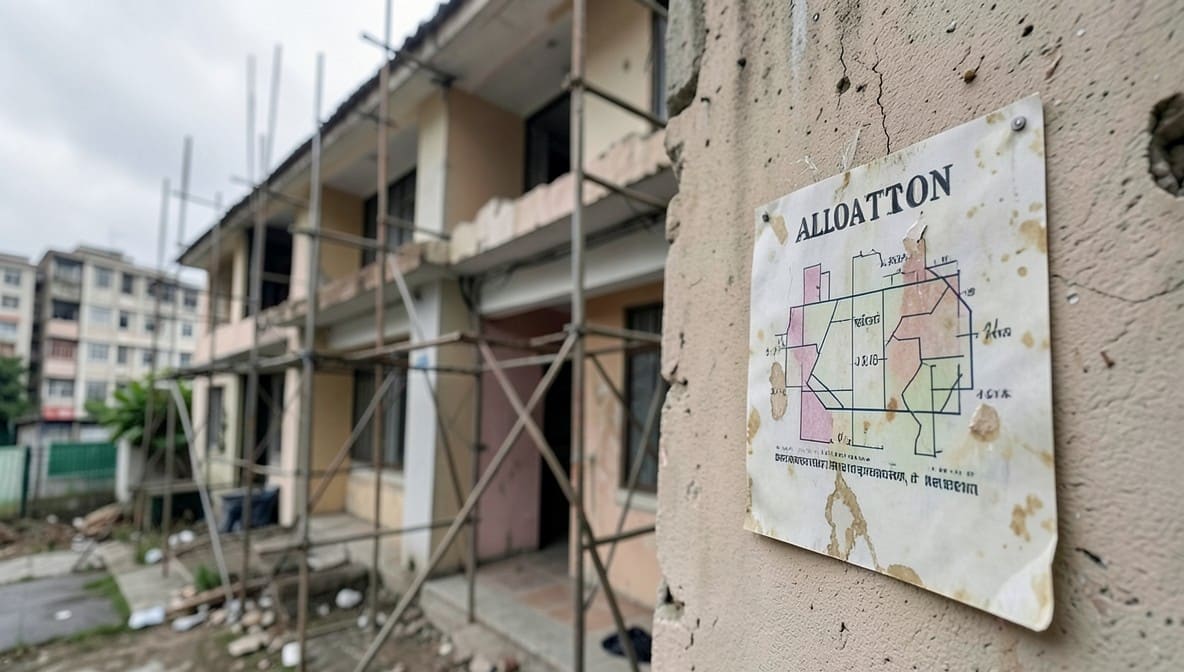
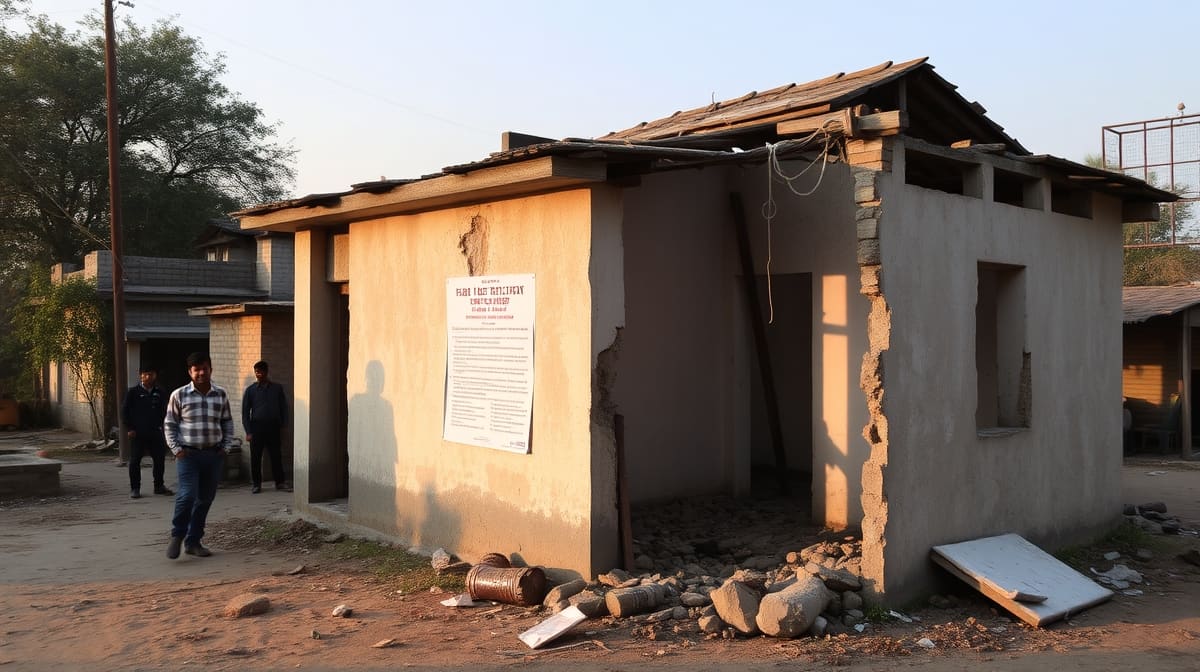
The petitioner, Hansraj, is the owner of an old abadi (settlement) situated on Khasra No. 9 in Village Surajpur, Gram Panchayat Surajpur, Block Bisrakh, Tehsil Sadar, District Gautam Buddha Nagar, Uttar Pradesh. On 02.04.2026, the Greater Noida Industrial Development Authority (GNIDA), respondent no. 2, issued a notice under Section 10 of the Uttar Pradesh Industrial Area Development Act, 1976, intimating the petitioner of potential demolition of the structure, alleging unauthorized construction on land earmarked for industrial development.
Key Facts
- The petitioner claims the structure is an old abadi, predating the industrial notification, and has been maintained and repaired over decades.
- The notice dated 02.04.2026 (Annexure-2) threatened demolition without prior adjudication of the petitioner’s rights.
- On 15.04.2026, the petitioner submitted a detailed written representation (Annexure-4) to the Chief Executive Officer of GNIDA, contesting the legality of the notice and asserting his legitimate claim to the land.
- As of the date of filing the writ petition, no final order had been passed on the representation.
- The petitioner alleged a credible apprehension that demolition might be carried out before his representation was heard, rendering any future remedy ineffective.
Procedural History
- 02.04.2026: GNIDA issued notice under Section 10 of the Uttar Pradesh Industrial Area Development Act, 1976, threatening demolition.
- 15.04.2026: Petitioner submitted detailed representation to the Chief Executive Officer, GNIDA, seeking stay of demolition and adjudication of his claim.
- Before 11.05.2026: No decision was rendered on the representation.
- 11.05.2026: Writ Petition No. 17246 of 2026 filed before the Allahabad High Court.
The Parties' Positions
Petitioner’s Position: The notice under Section 10 is premature and coercive. The petitioner has a legitimate, long-standing claim to the land as an old abadi. The pending representation is the only forum for adjudication, and delay would cause irreparable loss. The petitioner seeks neither immediate relief on merits nor stay of proceedings, but only expeditious disposal of his representation and assurance against unauthorized demolition.
Respondent’s Position: GNIDA and the State of Uttar Pradesh acknowledge the existence of the representation but argue that the writ petition is premature since statutory appeal mechanisms under the Act remain available. However, they do not oppose a direction for timely disposal of the representation.
Relief Sought
The petitioner sought:
- A writ of mandamus restraining GNIDA from demolishing the structure pending decision on the representation dated 15.04.2026.
- A direction to GNIDA to decide the representation within a stipulated time.
- Costs of the petition.
The Legal Issue
Can a writ petition be entertained under Article 226 of the Constitution to compel an administrative authority to decide a pending representation, where an alternative statutory remedy exists, but there is a credible apprehension of irreversible action such as demolition?
Arguments Presented
For the Petitioner
Learned counsel for the petitioner conceded that an appeal under the Uttar Pradesh Industrial Area Development Act, 1976, is available. However, he argued that the remedy is not efficacious if the petitioner’s property is destroyed before adjudication. He relied on the principle that the right to property, though no longer a fundamental right, remains a constitutional right under Article 300A, and procedural fairness demands that no coercive action be taken without hearing. He emphasized that the representation dated 15.04.2026 was the only pending forum for adjudication and that delay would render any future relief nugatory.
For the Respondent
The counsel for GNIDA and the State did not dispute the factual assertions. They acknowledged the representation was pending and did not oppose a direction for its expeditious disposal. They maintained that the statutory appeal mechanism under the Act was the proper forum for final adjudication, but conceded that no objection existed to the Court directing a timeline for decision-making.
The Court's Analysis
The Court did not examine the merits of the petitioner’s claim to the land or the legality of the notice under Section 10. It explicitly declined to express any opinion on whether the structure was lawful or unauthorized. Instead, the Court focused on the procedural posture: the representation was pending, no final order had been passed, and the petitioner faced a real and imminent threat of demolition.
The Court recognized the general rule that writ jurisdiction is not invoked when an alternative remedy exists. However, it invoked the well-established exception that where delay or inaction by the authority would cause irreparable harm, and where the petitioner has exhausted the only available administrative forum, judicial intervention is warranted.
"We expect that till finalization of the proceedings, no demolition shall be carried out except in accordance with law."
The Court noted that the petitioner had not sought an interim stay on demolition per se, but rather a guarantee against arbitrary action while his representation was pending. The State did not oppose this limited relief. The Court held that directing the authority to decide the representation within six weeks was a proportionate and minimal intrusion into administrative autonomy, designed to uphold the rule of law and prevent abuse of power.
The Court emphasized that the direction was not a determination of rights, but a procedural safeguard to ensure that administrative decisions are not rendered meaningless by premature enforcement.
The Verdict
The writ petition was disposed of with the following directions:
- The Greater Noida Industrial Development Authority shall decide the petitioner’s representation dated 15.04.2026 within six weeks from the date of production of the certified copy of this order.
- No demolition of the structure on Khasra No. 9 shall be carried out until the representation is finally decided, except in accordance with law.
- Costs of the petition are left to be borne by the parties.
What This Means For Similar Cases
Administrative Inaction Cannot Justify Coercive Action
- Practitioners may now cite this judgment to seek judicial intervention when authorities threaten demolition or seizure pending administrative adjudication.
- Even if statutory appeals exist, courts may intervene to prevent irreversible harm if the administrative forum is the only available channel for hearing.
- The burden shifts to the authority to demonstrate that no prejudice will arise from a short delay in enforcement.
Representation as a De Facto Administrative Remedy
- A written representation submitted to the competent authority, even without statutory mandate, may be treated as a procedural step triggering the duty of timely disposal.
- Courts may impose timelines for disposal of such representations, especially where property rights are at stake.
- Delay in deciding representations may be construed as a violation of Article 14 (equality) and Article 21 (right to life and liberty), including the right to shelter and property.
Judicial Restraint with Procedural Vigilance
- This judgment does not expand writ jurisdiction but reinforces its role as a guardian of procedural fairness.
- Lawyers should routinely file representations in land disputes and preserve proof of submission to invoke this precedent.
- Courts are likely to uphold similar petitions where demolition notices are issued without a final order, particularly in cases involving long-standing settlements or informal land use.