Topic

Right to Assembly

The right to peaceful assembly in India is protected under Article 19(1)(b) of the Constitution, allowing citizens to gather without arms for lawful purposes.

6 articlesLatest June 2026
Article 19(1)(b) & Writ of Mandamus | AP HC Directs Disposal of Assembly Permission Request Within 2 Days to Uphold Right to Peaceful Assembly : AP HC
Case Law Analysis
|Andhra Pradesh High Court

Article 19(1)(b) & Writ of Mandamus | AP HC Directs Disposal of Assembly Permission Request Within 2 Days to Uphold Right to Peaceful Assembly : AP HC

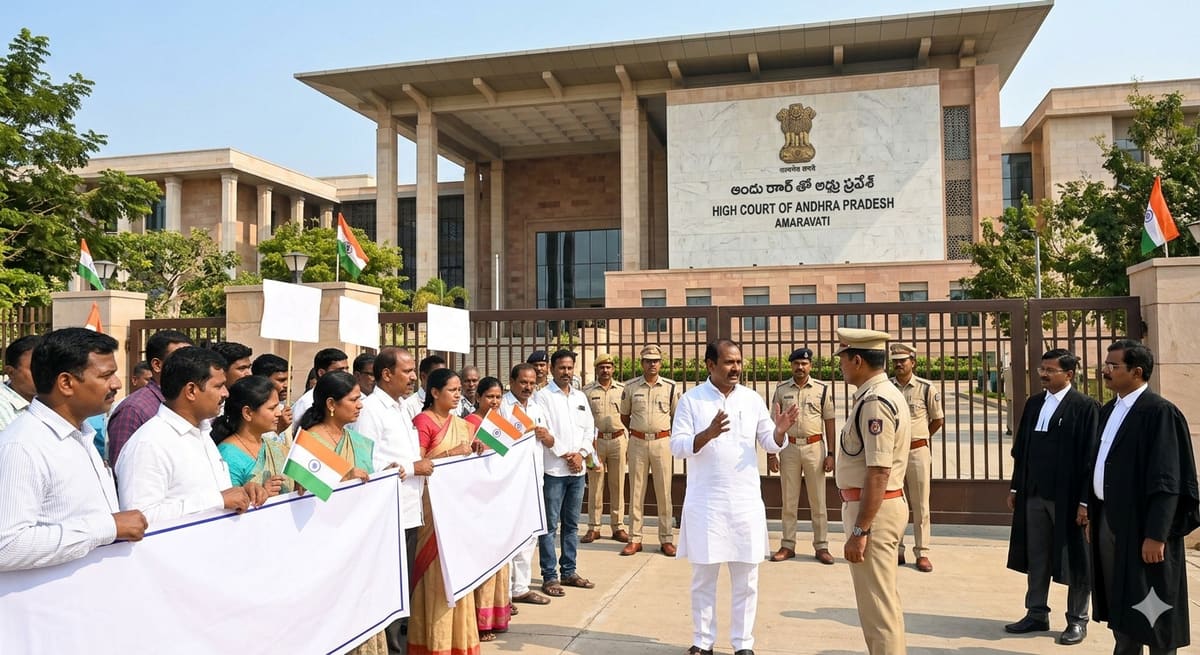
The Andhra Pradesh High Court ruled that authorities must dispose of requests for public assembly permissions within two days, emphasizing that undue delays violate constitutional rights under Articles 14, 19(1)(a), 19(1)(b), and 21. The judgment reinforces the state's obligation to facilitate, not obstruct, democratic dissent through timely administrative action.
Article 19(1)(b) | Administrative Delay Cannot Justify Denial of Peaceful Assembly; Calcutta HC Mandates Reasoned Alternatives
Case Law Analysis
|Calcutta High Court

Article 19(1)(b) | Administrative Delay Cannot Justify Denial of Peaceful Assembly; Calcutta HC Mandates Reasoned Alternatives

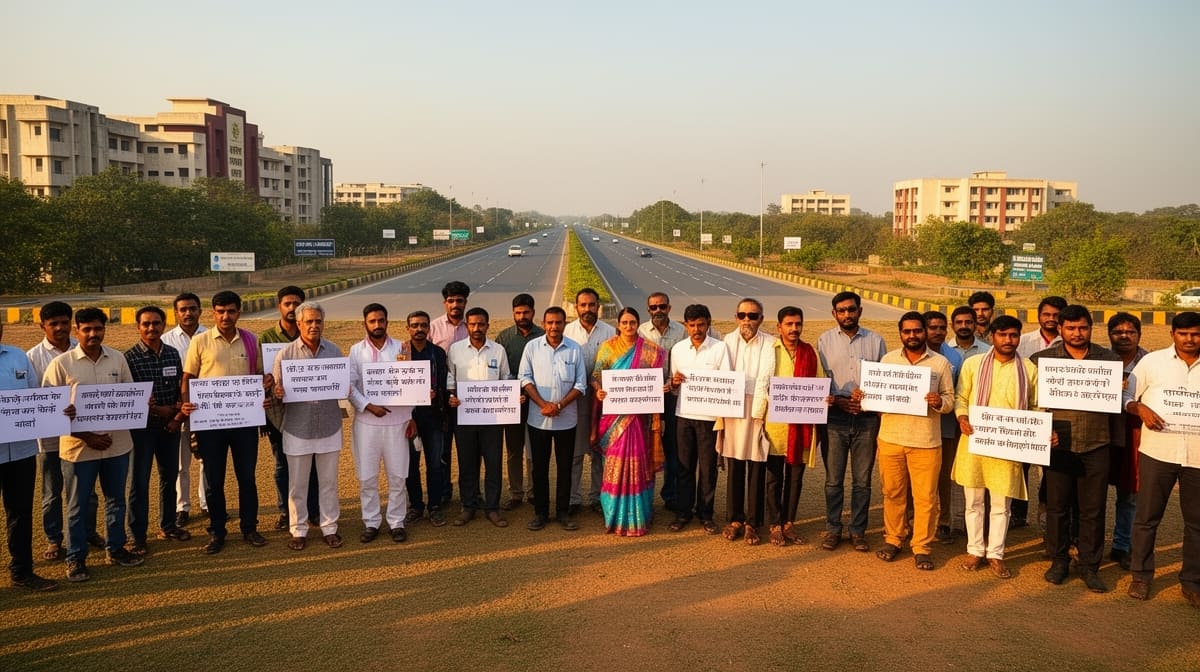
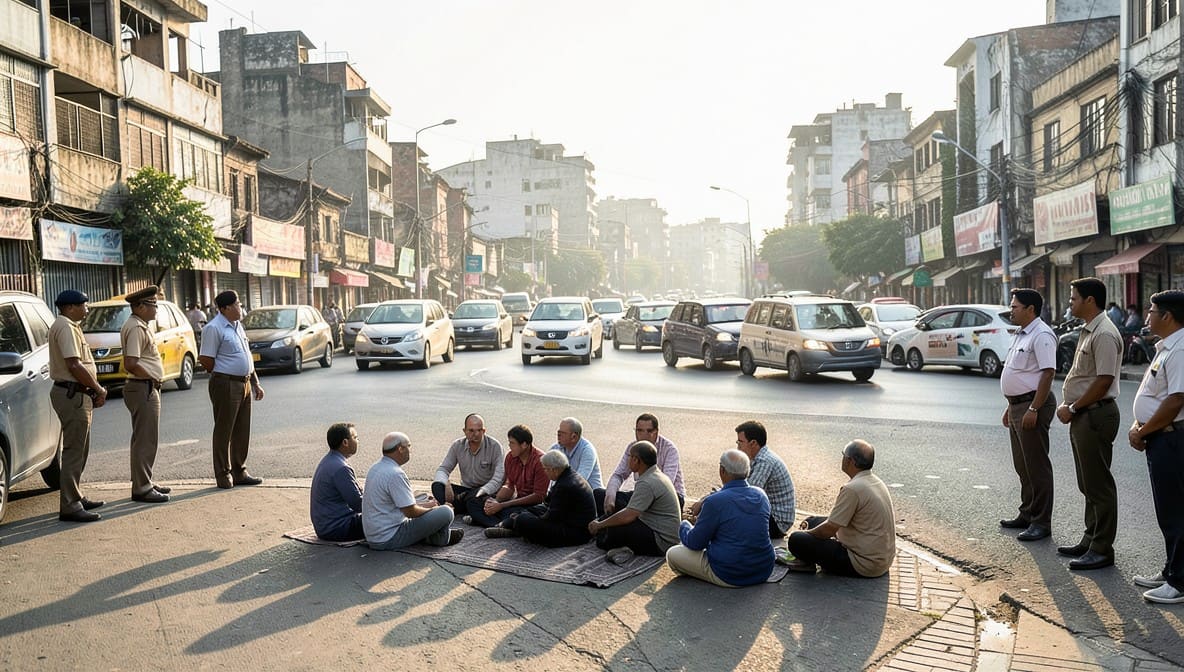
Calcutta High Court ruled that bureaucratic delays and offering non-equivalent alternative venues violate the right to peaceful assembly under Article 19(1)(b). The court directed authorities to permit a sit-in demonstration at Hazra More, emphasizing that constitutional rights cannot be diluted by procedural inaction or arbitrary alternatives.

Article 19(1)(a) & (b) | Non-Speaking Order Denying Election Meeting Permission Violates Right to Assembly : Madras HC
Case Law Analysis
|Madras High Court

Article 19(1)(a) & (b) | Non-Speaking Order Denying Election Meeting Permission Violates Right to Assembly : Madras HC

Madras HC quashes an administrative order denying permission for a hall meeting during elections, ruling that non-speaking orders restricting assembly rights under Article 19(1)(a) and (b) are unlawful. The Court directs reconsideration of the application, reinforcing that administrative silence cannot justify restrictions on fundamental rights.

Article 19(1)(b) | Vague Law-and-Order Concerns Cannot Justify Denial of Ambedkar Birth Anniversary Procession : Bombay HC (Nagpur Bench)
Case Law Analysis
|Bombay High Court

Article 19(1)(b) | Vague Law-and-Order Concerns Cannot Justify Denial of Ambedkar Birth Anniversary Procession : Bombay HC (Nagpur Bench)

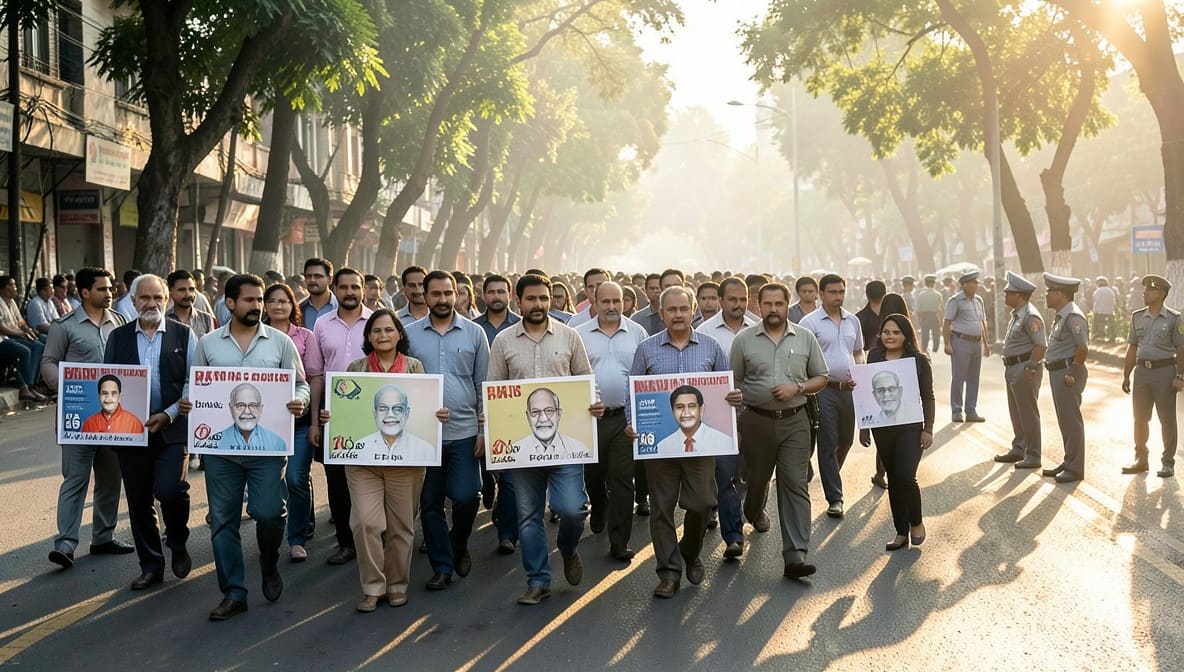
The Bombay HC (Nagpur Bench) struck down the denial of a procession permit for Dr. Ambedkar’s birth anniversary, ruling that speculative fears of unrest and police shortages are insufficient to override the fundamental right to peaceful assembly. This sets a critical precedent for cultural and commemorative processions nationwide, affirming that authorities must articulate concrete, evidence-based threats-not generic apprehensions-to restrict constitutional rights.

Article 19(1)(b) | Police Denial of Assembly Permission Without Hearing or Reasoned Order Violates Constitutional Right : Madras HC
Case Law Analysis
|Madras High Court

Article 19(1)(b) | Police Denial of Assembly Permission Without Hearing or Reasoned Order Violates Constitutional Right : Madras HC

Madras High Court quashes a police order rejecting permission for a political conference, ruling that arbitrary denial without affording a hearing or providing reasoned grounds infringes the fundamental right to peaceful assembly. The court emphasizes that public order concerns must be addressed through mitigation measures, not outright prohibition, setting a precedent for procedural fairness in police discretion.