Topic

procedural fairness

Procedural fairness in Indian law ensures that administrative and judicial decisions are made transparently, impartially, and with adequate opportunity to be heard, as guaranteed under Articles 14 and 21 of the Constitution.

485 articlesLatest July 2026
Section 250(6) IT Act | Ex-Parte Appellate Orders Without Reasoning Violate Natural Justice: ITAT Delhi
Case Law Analysis
|Income Tax Appellate Tribunal

Section 250(6) IT Act | Ex-Parte Appellate Orders Without Reasoning Violate Natural Justice: ITAT Delhi

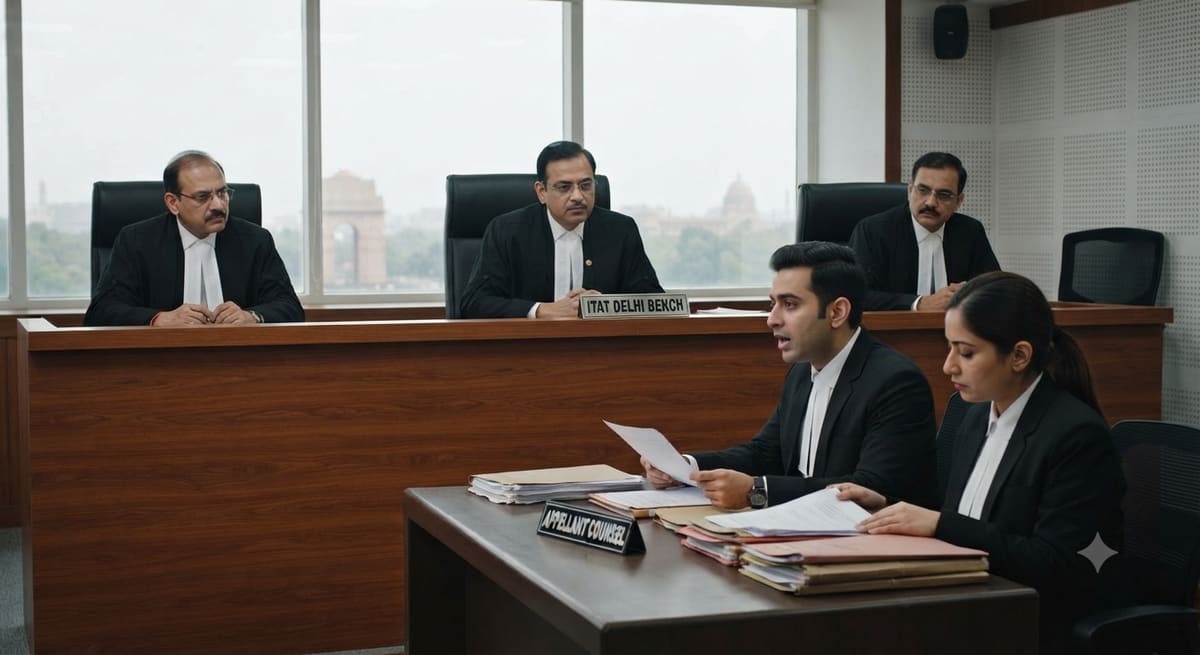
The ITAT Delhi has held that dismissing a tax appeal ex-parte without addressing merits or providing reasons violates Section 250(6) of the Income Tax Act, which mandates reasoned appellate orders. This ruling reinforces that procedural fairness cannot be sacrificed even when notices are allegedly missed, and sets a precedent for taxpayers facing technical dismissals due to administrative or personal hardship.

Condonation of Delay | Service of Notice at Outdated Address Despite Portal Updates Constitutes Sufficient Cause: ITAT Delhi
Case Law Analysis
|Income Tax Appellate Tribunal

Condonation of Delay | Service of Notice at Outdated Address Despite Portal Updates Constitutes Sufficient Cause: ITAT Delhi

The ITAT Delhi has ruled that sending tax notices to an outdated address, even when the assessee updated their details on the Income Tax Portal and Form 35, amounts to sufficient cause for condoning delay in filing appeals. This sets a critical precedent for taxpayers with mobility or health constraints, reinforcing that procedural fairness must override technical non-compliance when the tax department fails to use verified digital records.

Section 44AD Income Tax Act | Presumptive Taxation Invalid Beyond Rs. 1 Crore Turnover; Disallowed Expenses Must Be Reconsidered on Remand : ITAT Pune
Case Law Analysis
|Income Tax Appellate Tribunal

Section 44AD Income Tax Act | Presumptive Taxation Invalid Beyond Rs. 1 Crore Turnover; Disallowed Expenses Must Be Reconsidered on Remand : ITAT Pune

The ITAT Pune has ruled that a partnership firm cannot claim presumptive taxation under Section 44AD once gross receipts surpass Rs. 1 crore, even if income was initially declared at 8%. Crucially, it directed the Assessing Officer to reconsider disallowed business expenses on remand, reinforcing that denial of presumptive benefit does not automatically justify blanket expense rejection without proper scrutiny.

Bail on Surrender | Overseas Business Commitments Justify Non-Appearance Without Wilful Absconding: Kerala HC
Case Law Analysis
|Kerala High Court

Bail on Surrender | Overseas Business Commitments Justify Non-Appearance Without Wilful Absconding: Kerala HC

The Kerala High Court ruled that an accused’s non-appearance due to essential, unavoidable business obligations abroad does not constitute wilful absconding, and trial courts must consider bail applications on the date of surrender. This sets a critical precedent for global professionals caught in India’s criminal justice system, affirming that procedural fairness must accommodate legitimate international economic responsibilities.

Passport Issuance | Pendency of Criminal Case No Bar: Allahabad HC Mandates 8-Week Window for Court Permission
Case Law Analysis
|Allahabad High Court

Passport Issuance | Pendency of Criminal Case No Bar: Allahabad HC Mandates 8-Week Window for Court Permission

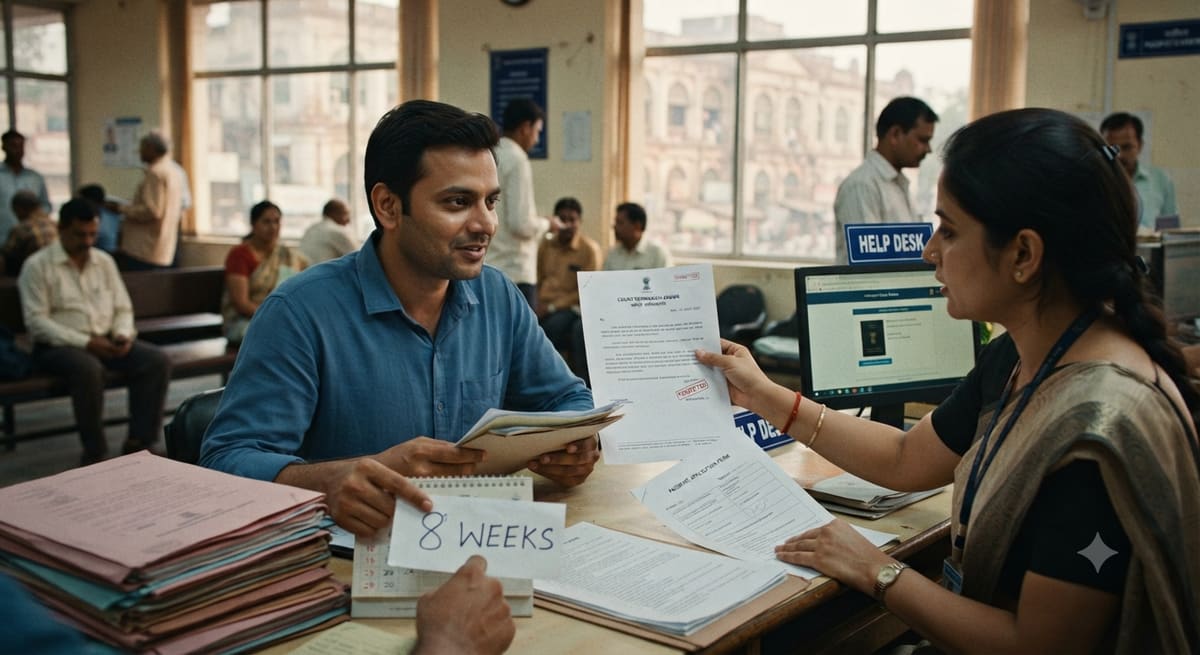
Allahabad HC rules that mere pendency of criminal proceedings, even at the investigation stage, cannot justify passport rejection. The Regional Passport Office must grant applicants an 8-week window to obtain court permission, failing which the passport must be issued expeditiously. This directive reinforces procedural fairness in administrative decisions affecting fundamental rights.

Natural Justice | Cancellation of Flat Allotment Without Hearing Violates Right to Fair Procedure: Allahabad HC
Case Law Analysis
|Allahabad High Court

Natural Justice | Cancellation of Flat Allotment Without Hearing Violates Right to Fair Procedure: Allahabad HC

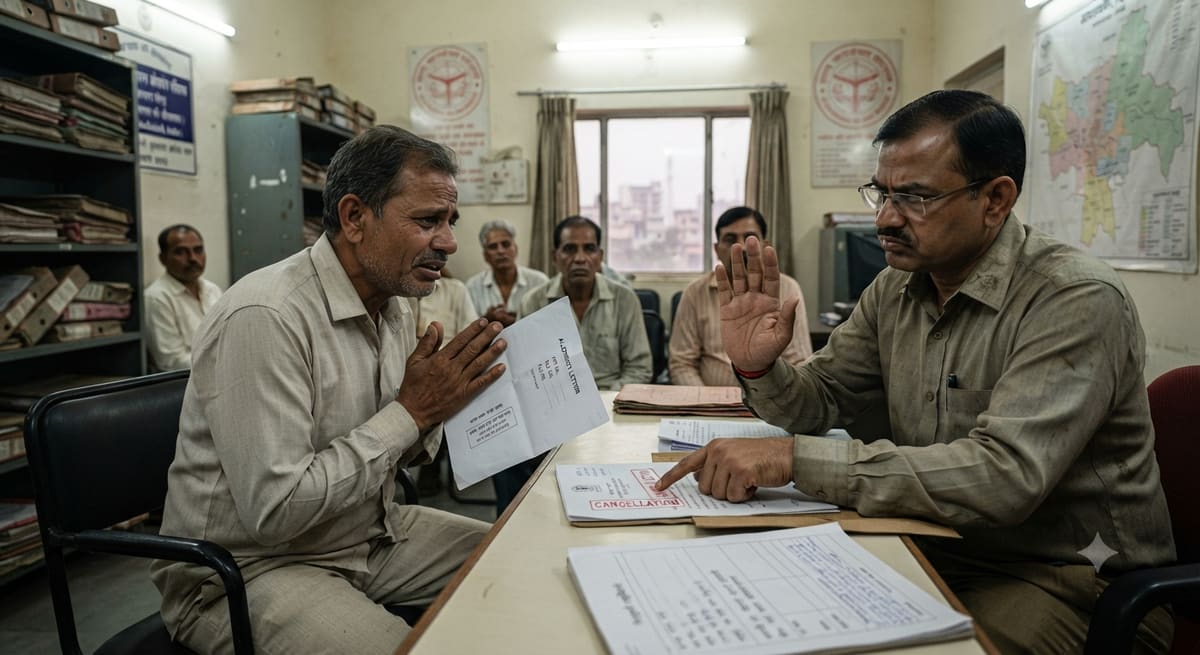
The Allahabad High Court has ruled that housing authorities cannot cancel flat allotments after payment has been made without providing the allottee a meaningful opportunity to be heard. This sets a critical precedent for public housing bodies, affirming that substantive rights accrue upon allotment and procedural fairness is non-negotiable - even in administrative schemes offering discounts.

Clause 35(4) Fertilizer Control Order | Show-Cause Notice Must Specify Charge Before Penalty : Andhra Pradesh HC
Case Law Analysis
|Andhra Pradesh High Court

Clause 35(4) Fertilizer Control Order | Show-Cause Notice Must Specify Charge Before Penalty : Andhra Pradesh HC

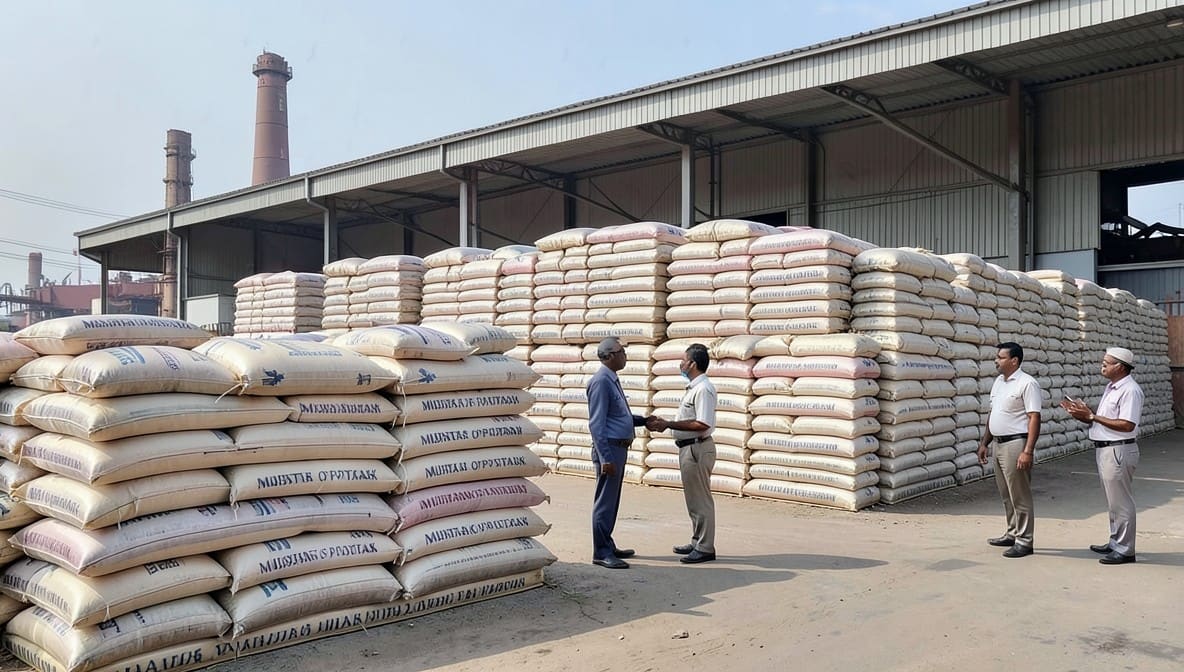
The Andhra Pradesh High Court quashed a ₹5 lakh penalty under the Fertilizer (Control) Order, 1985, ruling that regulatory authorities cannot impose penalties without explicitly stating the charge in the show-cause notice. This judgment reinforces procedural fairness in enforcement actions under the Essential Commodities Act, impacting companies and government agencies alike.

Motor Vehicles Act Section 173 | Right to Cross-Examine Witnesses Cannot Be Denied Due to COVID-19 Lockdown Delays: Karnataka HC
Case Law Analysis
|Karnataka High Court

Motor Vehicles Act Section 173 | Right to Cross-Examine Witnesses Cannot Be Denied Due to COVID-19 Lockdown Delays: Karnataka HC

The Karnataka High Court has ruled that denying cross-examination of witnesses in a Motor Accident Claims Tribunal proceeding due to pandemic-related delays violates natural justice and renders the award void. This sets a critical precedent: procedural fairness in compensation cases cannot be sacrificed for administrative convenience, even during emergencies, affecting claimants, insurers, and tribunals nationwide.

Section 77A MCS Act | Administrative Committee Must Be Temporarily Appointed for Election Neutrality, Not Day-to-Day Management : Bombay HC
Case Law Analysis
|Bombay High Court

Section 77A MCS Act | Administrative Committee Must Be Temporarily Appointed for Election Neutrality, Not Day-to-Day Management : Bombay HC

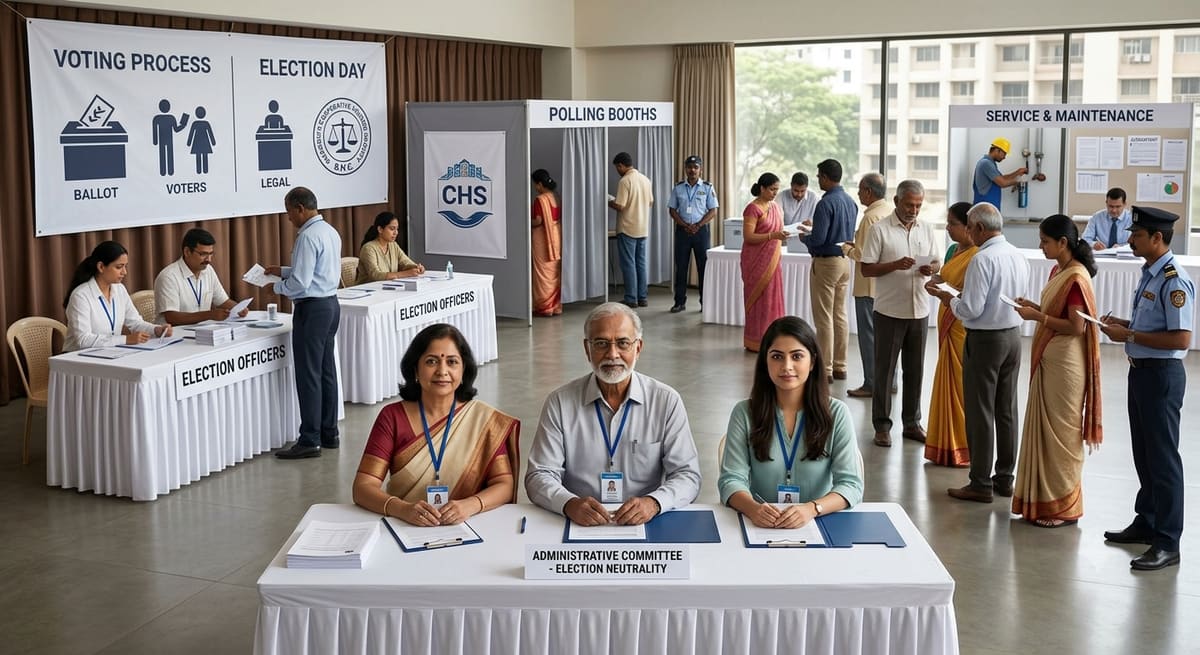
The Bombay High Court has ruled that an administrative committee appointed under Section 77A of the Maharashtra Co-operative Societies Act must be strictly confined to overseeing election processes and cannot assume control over the society’s daily affairs. This ensures impartiality in co-operative governance and prevents incumbent officeholders from manipulating electoral outcomes - a critical safeguard for member democracy in housing societies.

Section 465 CrPC | Simultaneous Trial of Case and Counter Case Not Mandatory Absent Prejudice : Bombay HC Aurangabad
Case Law Analysis
|Bombay High Court

Section 465 CrPC | Simultaneous Trial of Case and Counter Case Not Mandatory Absent Prejudice : Bombay HC Aurangabad

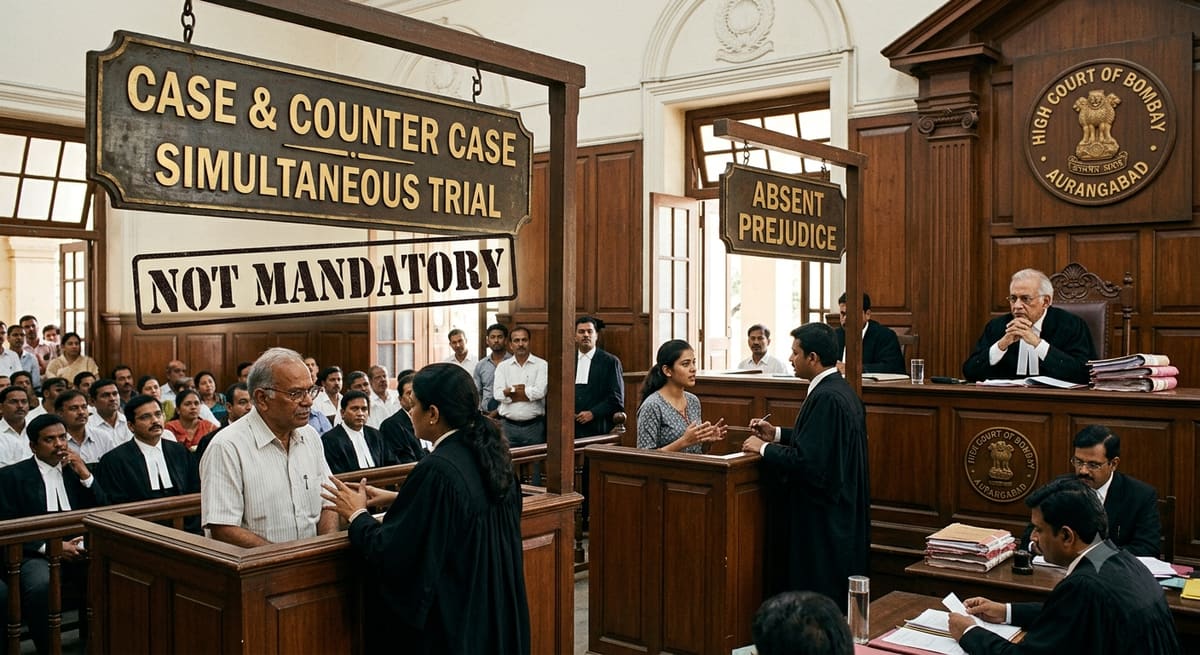
The Bombay High Court clarifies that procedural non-compliance in trying a criminal case and its counter case simultaneously does not invalidate proceedings unless the accused demonstrates actual prejudice. Section 465 CrPC operates as a curative provision, shielding convictions from technical defects when substantive justice is intact - a critical safeguard for prosecutors and trial courts navigating complex familial disputes.