In a significant ruling on the autonomy of recreational clubs, the Karnataka High Court has clarified that police cannot interfere with lawful activities of registered associations, provided they comply with regulatory safeguards. The judgment balances the right to recreational freedom with the state's power to prevent unlawful gaming, offering clear directives for clubs and law enforcement alike.
Background & Facts
The Dispute
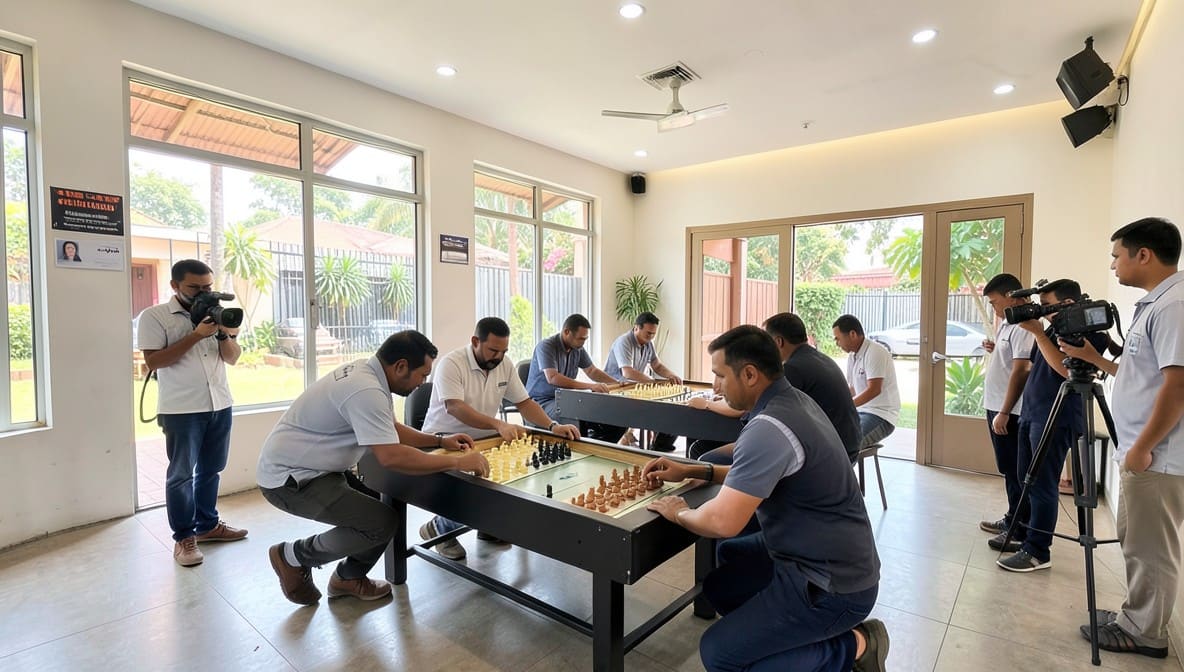
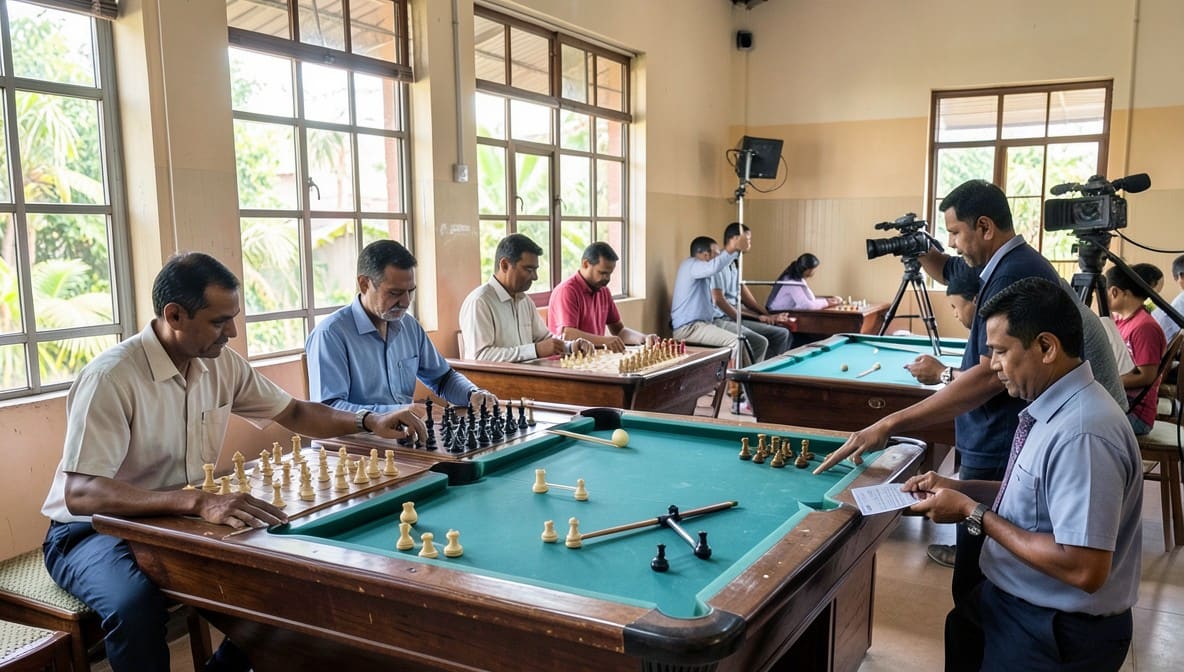
The petitioner, Good Hours Sports Association, a registered recreational club in Haveri district, approached the Karnataka High Court seeking a writ of mandamus to restrain police from interfering with its lawful activities. The club, registered under the Karnataka Societies Registration Act, 1960 (Registration No. DRHR/SOR/974/2025-2026 dated 31.12.2025), conducts skill-based games such as cricket, kabaddi, karate, carom, chess, snooker, volleyball, and non-gambling rummy and card games. The petitioner alleged that police were repeatedly visiting its premises without justification, disrupting its activities and intimidating its members.
Key Facts
- The petitioner is a registered society under the Karnataka Societies Registration Act, 1960, with registration dated 31.12.2025
- The club conducts exclusively skill-based recreational activities, with no gambling or stakes involved
- Police visits to the premises were alleged to be without cause, leading to disruption and intimidation
- The petitioner relied on a previous judgment of the Karnataka High Court in W.P. No. 30071/2014 (disposed of on 15.10.2024), which referenced the Division Bench ruling in D.V.R Recreation Club v. State of Karnataka (W.A. No. 20090/2015)
Procedural History
- 2026: Writ Petition (WP No. 100768/2026) filed under Articles 226 and 227 of the Constitution of India before the Karnataka High Court, Dharwad Bench
- The petition sought a writ of mandamus to direct respondents (State of Karnataka and police authorities) to refrain from interfering with the club's lawful activities
Relief Sought
The petitioner sought:
- A direction to respondents not to insist on a license for lawful recreational activities under the Licensing and Controlling of Places of Public Entertainment Amusement Act or the Karnataka Police Act, 1963
- Protection from police interference in skill-based games such as cricket, kabaddi, karate, carom, chess, snooker, volleyball, and non-gambling rummy and card games
- General reliefs in the interest of justice
The Legal Issue
The central question before the court was whether police authorities can interfere with the lawful recreational activities of a registered club in the absence of any evidence of unlawful gaming or gambling, and if so, under what conditions can such interference be justified under the Karnataka Police Act, 1963 and constitutional provisions.
Arguments Presented
For the Petitioner
The petitioner contended that:
- The club is registered under the Karnataka Societies Registration Act, 1960 and conducts only skill-based recreational activities
- Police interference was unjustified, as no unlawful activities were being conducted on the premises
- Reliance was placed on the judgment in W.P. No. 30071/2014 and the Division Bench ruling in D.V.R Recreation Club v. State of Karnataka, which held that police cannot interfere with lawful recreational activities without cause
- The petitioner argued that the club's activities fell outside the purview of Sections 2(14) and 2(15) of the Karnataka Police Act, 1963, which define prohibited gaming activities
For the Respondents
The respondents, represented by the State, likely argued that:
- Police have the authority to monitor public entertainment and recreational establishments to prevent unlawful activities under the Karnataka Police Act, 1963
- The absence of a license under the Licensing and Controlling of Places of Public Entertainment Amusement Act could justify police intervention
- There was a need to ensure that no games of chance or gambling were being conducted on the premises
The Court's Analysis
The court analyzed the petition in light of the right to recreational freedom and the state's regulatory powers under the Karnataka Police Act, 1963. Key observations included:
-
Registration and Lawful Activities: The court noted that the petitioner is a registered society conducting skill-based recreational activities, which are not prohibited under law. The mere fact that the club does not possess a license under the Licensing and Controlling of Places of Public Entertainment Amusement Act does not automatically justify police interference.
-
Precedent Reliance: The court relied on its earlier judgment in W.P. No. 30071/2014 and the Division Bench ruling in D.V.R Recreation Club v. State of Karnataka, which established that police cannot interfere with lawful recreational activities without evidence of unlawful conduct.
-
Regulatory Safeguards: While upholding the petitioner's right to conduct lawful activities, the court imposed several conditions to ensure compliance with the law:
- CCTV Installation: The petitioner was directed to install CCTV cameras at all access points and gaming areas within six weeks. Footage of at least 15 days was to be made available to police upon request
- Identity Cards: The club was required to issue identity cards to all members, to be produced during police raids or surveillance
- Prohibition on Gambling: The petitioner was expressly prohibited from permitting any games falling under Sections 2(14) and 2(15) of the Karnataka Police Act, 1963, or any games of chance as defined under Explanation (II) of Sub-section (7) of Section 2 of the Act. No stakes or profits were to be allowed in any games
- Police Oversight: The jurisdictional police were granted liberty to visit the premises periodically or upon receipt of information about unlawful activities
-
Balancing Rights and Regulation: The court emphasized that while recreational clubs have the right to conduct lawful activities, the state has a legitimate interest in preventing unlawful gaming. The conditions imposed were designed to strike a balance between these competing interests.
"The jurisdictional police shall have liberty to visit premises periodically and/or on receipt of any information about any unlawful activity being carried on in the petitioner’s premises."
"It is made clear that this order would not come in the way of the jurisdictional police invoking the provisions of the Act and taking action in accordance with law, if the member(s) of the petitioner are found to have indulged in any unlawful or immoral activities."
The Verdict
The court disposed of the writ petition with the following directions:
- The respondents were restrained from interfering with the lawful recreational activities of the petitioner's club
- The petitioner was directed to:
- Install CCTV cameras at all access points and gaming areas within six weeks
- Maintain CCTV footage for at least 15 days and make it available to police upon request
- Issue identity cards to all members, to be produced during police visits
- Ensure that no games of chance, gambling, or games with stakes are conducted on the premises
- Comply with all provisions of the Karnataka Police Act, 1963 and other applicable laws
- The jurisdictional police were granted liberty to visit the premises periodically or upon receipt of information about unlawful activities
- The court clarified that its order would not prevent police from taking action if any unlawful or immoral activities were found to be conducted by the club's members
What This Means For Similar Cases
Police Interference Must Be Justified
- No Automatic Right to Interfere: Police cannot interfere with the activities of registered recreational clubs merely on the ground that they lack a license under the Licensing and Controlling of Places of Public Entertainment Amusement Act. Interference must be based on evidence of unlawful conduct
- Burden of Proof: The burden lies on the police to establish that the club's activities fall within the prohibited categories under the Karnataka Police Act, 1963 before taking any action
Compliance with Regulatory Safeguards Is Non-Negotiable
- CCTV and Identity Cards: Clubs must proactively implement measures such as CCTV surveillance and member identity cards to demonstrate compliance with the law
- No Stakes or Gambling: Clubs must ensure that no games of chance or gambling are conducted, as these activities are strictly prohibited under Sections 2(14) and 2(15) of the Karnataka Police Act, 1963
- Periodic Inspections: Clubs should expect periodic visits by police and must cooperate by providing access to CCTV footage and member identity cards
Precedent for Future Litigation
- Reliance on Earlier Judgments: The judgment reinforces the principles laid down in D.V.R Recreation Club v. State of Karnataka and W.P. No. 30071/2014, providing a strong precedent for clubs facing similar police interference
- Writ of Mandamus: Recreational clubs can approach the High Court under Article 226 of the Constitution to seek protection from unjustified police interference, provided they comply with regulatory conditions
- Balancing Act: The judgment serves as a template for balancing the right to recreational freedom with the state's regulatory powers, offering clarity for both clubs and law enforcement agencies