The Allahabad High Court has reinforced the principle that police authorities cannot interfere in civil disputes between private parties. In a recent writ petition, the Court directed State respondents to comply with a government circular prohibiting such interference, while clarifying that this does not confer any preferential rights on the parties involved in ongoing litigation.
Background & Facts
The Dispute
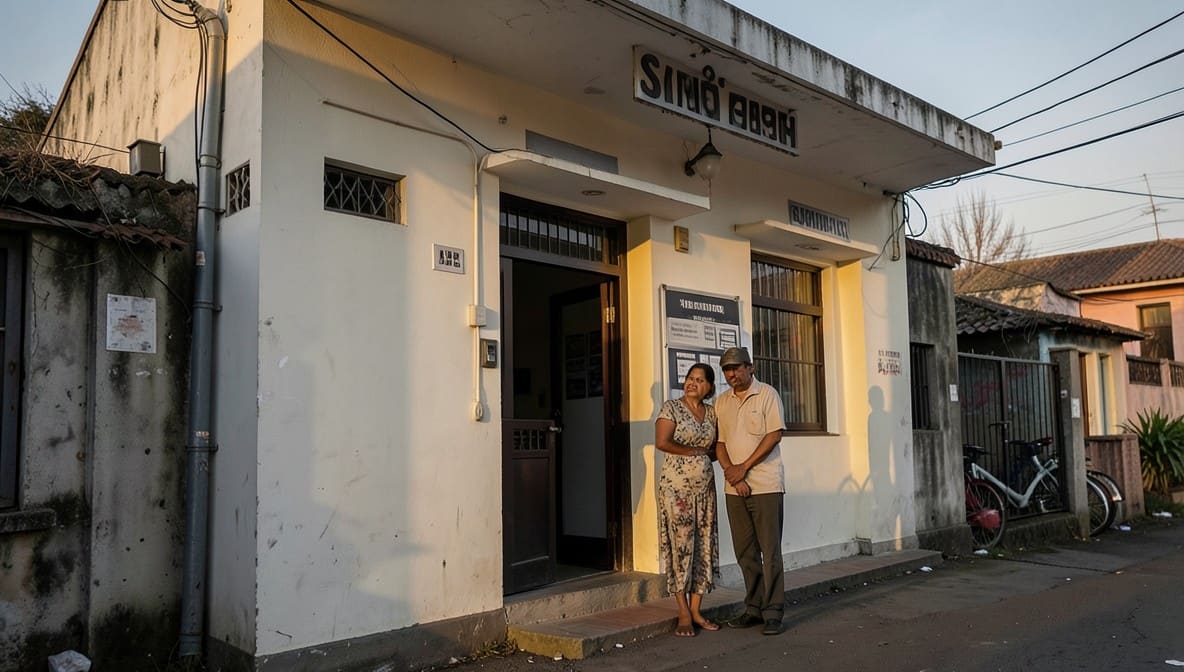
The petitioners, Vinod Kumar and 2 Others, approached the Allahabad High Court seeking protection from dispossession or interference by State authorities at the behest of private respondents, Mahesh Kumar and another. The parties are already engaged in a civil dispute before the civil court in Suit No. 873 of 2024 (Mahesh Kumar and another Vs. Vinod Kumar and others).
Key Facts
- The petitioners allege harassment by the private respondents, who they claim are exercising undue influence
- A representation was made to the Superintendent of Police, District Unnao, on this matter (Annexure No. 4), but no action was taken
- The dispute pertains to property rights, which are the subject of the pending civil suit
- The petitioners sought a direction to the State respondents to refrain from interfering in the matter
Procedural History
- 2024: Civil Suit No. 873 of 2024 filed between the parties
- Date not specified: Representation made to Superintendent of Police, Unnao (Annexure No. 4)
- 2026: Writ Petition No. 5028 of 2026 filed before the Allahabad High Court, Lucknow Bench
- 05.06.2026: Judgment delivered by the Division Bench
Relief Sought
The petitioners sought the following reliefs:
- A direction to the State respondents not to dispossess or interfere with the petitioners' rights at the behest of the private respondents
- Enforcement of the State Government's circular prohibiting police interference in civil disputes
The Legal Issue
The primary question before the Court was whether police authorities can interfere in a civil dispute pending between private parties, and if not, what directions should be issued to ensure compliance with the State Government's policy prohibiting such interference.
Arguments Presented
For the Petitioner
- The petitioners contended that they are being harassed by the private respondents, who are allegedly misusing their influence
- They relied on a representation made to the Superintendent of Police, which was not acted upon
- The petitioners urged the Court to direct the State authorities to refrain from interfering in the civil dispute, as per the State Government's circular
For the Respondent
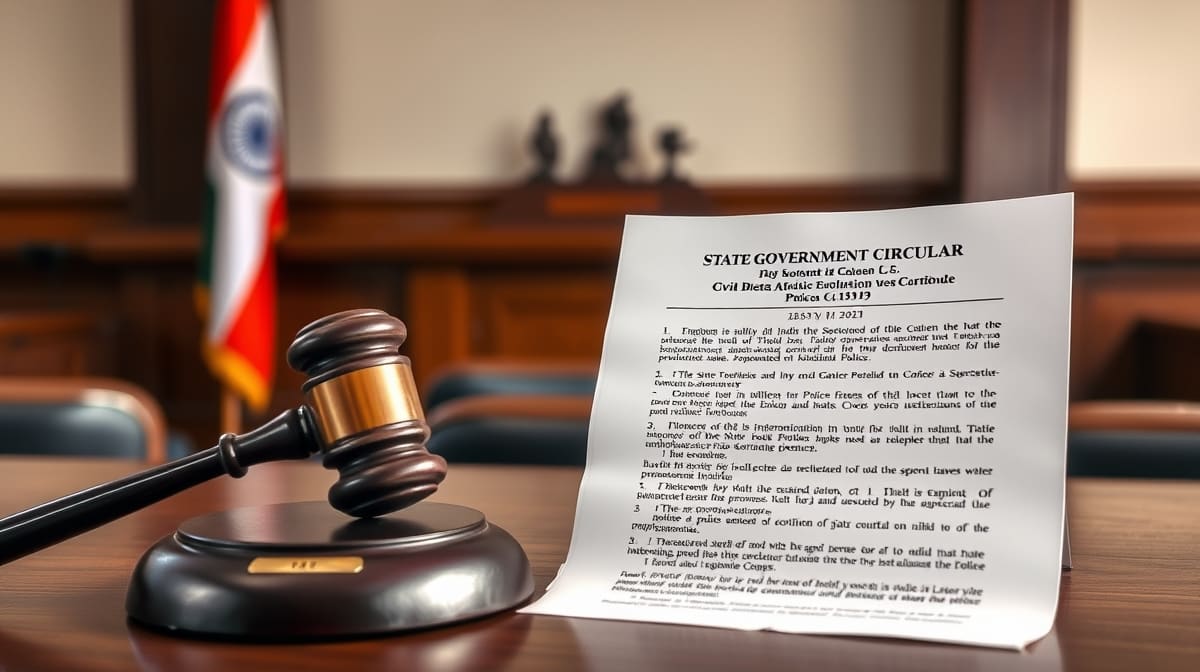
- The learned Chief Standing Counsel for the State respondents pointed out the existence of a State Government circular dated 11.03.2023 (DGP Letter No. 10/2023), which explicitly instructs police authorities not to interfere in civil disputes at the behest of any private party
- The State's stand was clear, and no counter-affidavit was deemed necessary
The Court's Analysis
The Court observed that the State Government's circular dated 11.03.2023 clearly prohibits police interference in civil disputes. The Court noted that the State's stand on this matter was unambiguous, and thus, it was not necessary to keep the petition pending or call for a counter-affidavit.
The Court emphasized that the circular reflects the State's policy, and the authorities are bound to abide by it. However, the Court clarified that this direction is subject to the rights of the parties as determined in the pending civil suit. The Court made it clear that its order should not be construed as conferring any injunction or preferential rights on the petitioners. The sole purpose of the order was to ensure that State authorities do not interfere in the civil dispute between the private parties.
"Since the stand of the State is clear in this regard, this Court does not deem it appropriate to keep the matter pending or call for a counter affidavit but it is of the opinion that ends of justice can be met by noticing that the State authorities shall abide by the said circular and will not make any interference."
The Verdict
The Court disposed of the writ petition with the following directions:
- The State authorities shall abide by the circular dated 11.03.2023 (DGP Letter No. 10/2023) and refrain from interfering in the civil dispute between the parties
- The order is subject to the rights of the parties as determined in the pending civil suit (Suit No. 873 of 2024)
- The order does not confer any injunction or preferential rights on the petitioners
- The petition stands disposed of accordingly
What This Means For Similar Cases
State Circulars Are Binding on Authorities
- Practitioners can rely on State Government circulars to argue against police interference in civil disputes
- Courts are likely to enforce such circulars if the State's stand is clear and unambiguous, as seen in this case
- This judgment reinforces that police authorities cannot act at the behest of private parties in civil matters
No Preferential Rights Conferred
- The Court clarified that its order does not grant any injunction or preferential rights to the petitioners
- Parties must rely on civil court proceedings to determine their rights, and this order merely prevents State interference
- This distinction is crucial for practitioners to understand when advising clients on the scope of writ remedies in property disputes
Civil Disputes Must Be Resolved Through Civil Courts
- The judgment underscores that civil disputes must be resolved through civil courts, and police authorities have no role in such matters
- This principle aligns with the broader legal framework that separates civil and criminal jurisdictions
- Practitioners should ensure that clients pursue appropriate legal remedies in civil courts rather than seeking police intervention in property or contractual disputes