Topic

Manufacture Definition

Under Indian tax law, 'manufacture' refers to a process that results in a new and distinct product with a recognizable market identity, as defined in Section 2(f) of the Central Excise Act.

7 articlesLatest August 2026
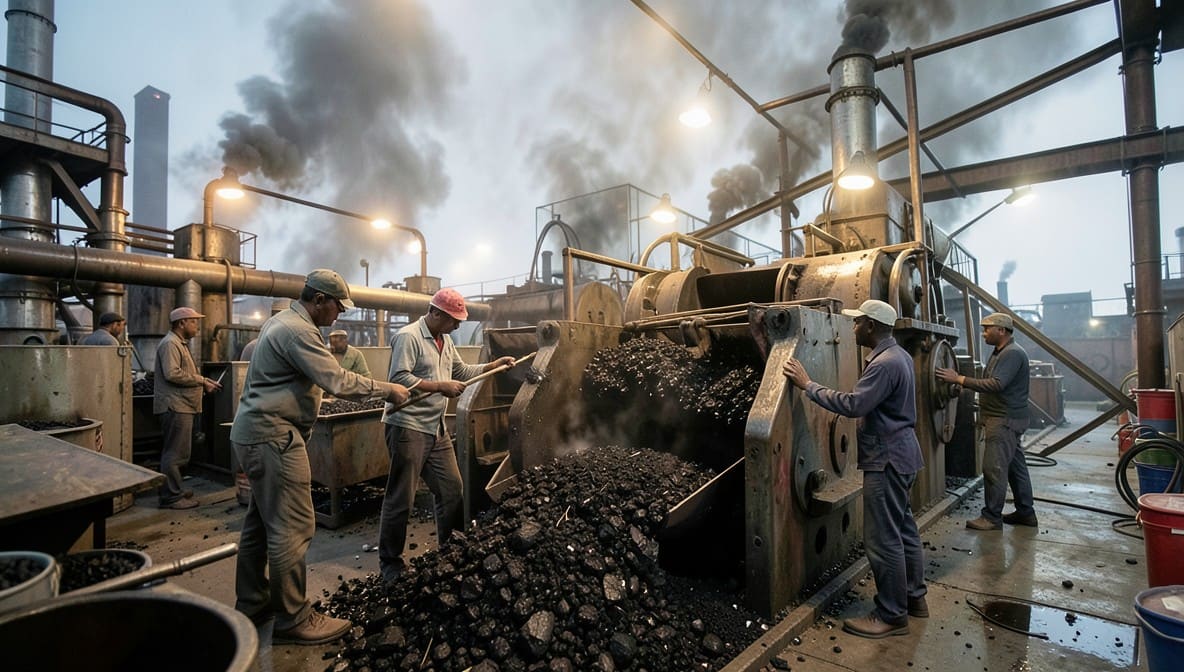
HSN Chapter Note 4 | Crushing and Screening of Iron Ore Not 'Manufacture' - Exemption for Ores Upheld : CESTAT Kolkata
Case Law Analysis
|Custom, Excise & Service Tax Tribunal

HSN Chapter Note 4 | Crushing and Screening of Iron Ore Not 'Manufacture' - Exemption for Ores Upheld : CESTAT Kolkata

The CESTAT Kolkata rules that mere size reduction and segregation of iron ore through crushing and screening do not amount to manufacture under HSN Chapter Note 4, preserving the unconditional exemption for raw ores under Notification No. 12/2012-CE. This clarifies the boundary between mining activities and taxable production, directly impacting miners, contractors, and tax authorities handling ore-based supply chains.

CENVAT Credit Admissible for Ore Processing Services Despite 15% Waste Discard | CESTAT Clarifies 'Incidental to Manufacture' Under CCR
Case Law Analysis
|Custom, Excise & Service Tax Tribunal

CENVAT Credit Admissible for Ore Processing Services Despite 15% Waste Discard | CESTAT Clarifies 'Incidental to Manufacture' Under CCR

CESTAT rules that CENVAT credit on services like transportation and crushing of ore remains valid even when up to 15% of material is discarded as waste, as long as the services are directly incidental to the manufacture of final goods. This clarifies that the threshold of material yield does not disqualify input service eligibility under Rule 2(l) of CCR, benefiting mining-integrated manufacturers across steel and mineral industries.

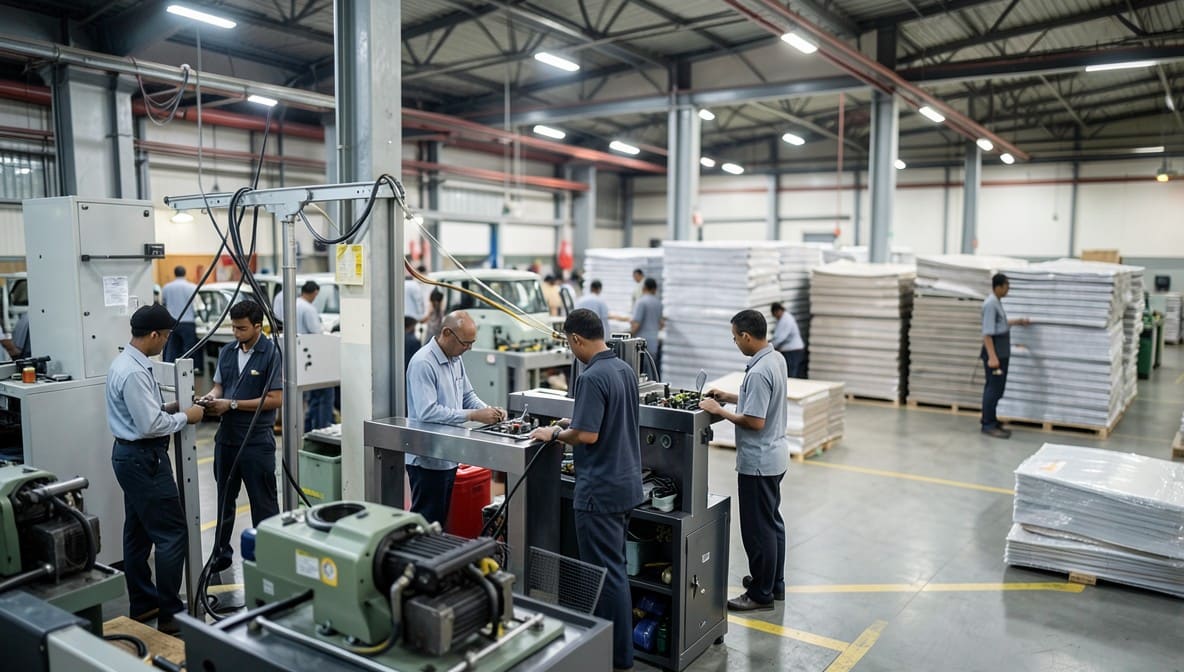
Section 2(f) Central Excise Act | Cutting & Grooving ACPs Not 'Manufacture' Without Marketable Transformation : SC
Case Law Analysis
|Supreme Court of India

Section 2(f) Central Excise Act | Cutting & Grooving ACPs Not 'Manufacture' Without Marketable Transformation : SC

Supreme Court rules that mere cutting and grooving of aluminum composite panels does not qualify as 'manufacture' under Section 2(f) of the Central Excise Act, 1944, unless the process results in a distinct, marketable product. The ruling clarifies the jurisdictional limits of excise duty and sets a precedent for similar disputes in tax and corporate law.

CENVAT Credit Reversal Mandatory on Duty Payment Even Without 'Manufacture' : CESTAT Chandigarh
Case Law Analysis
|Custom, Excise & Service Tax Tribunal

CENVAT Credit Reversal Mandatory on Duty Payment Even Without 'Manufacture' : CESTAT Chandigarh

CESTAT Chandigarh rules that payment of excise duty on the final product automatically reverses inadmissible CENVAT credit, regardless of whether the process constitutes 'manufacture' under the Central Excise Act. This precedent shifts the compliance burden onto assessees to verify credit eligibility before claiming input benefits, impacting manufacturers engaged in marginal processing activities.

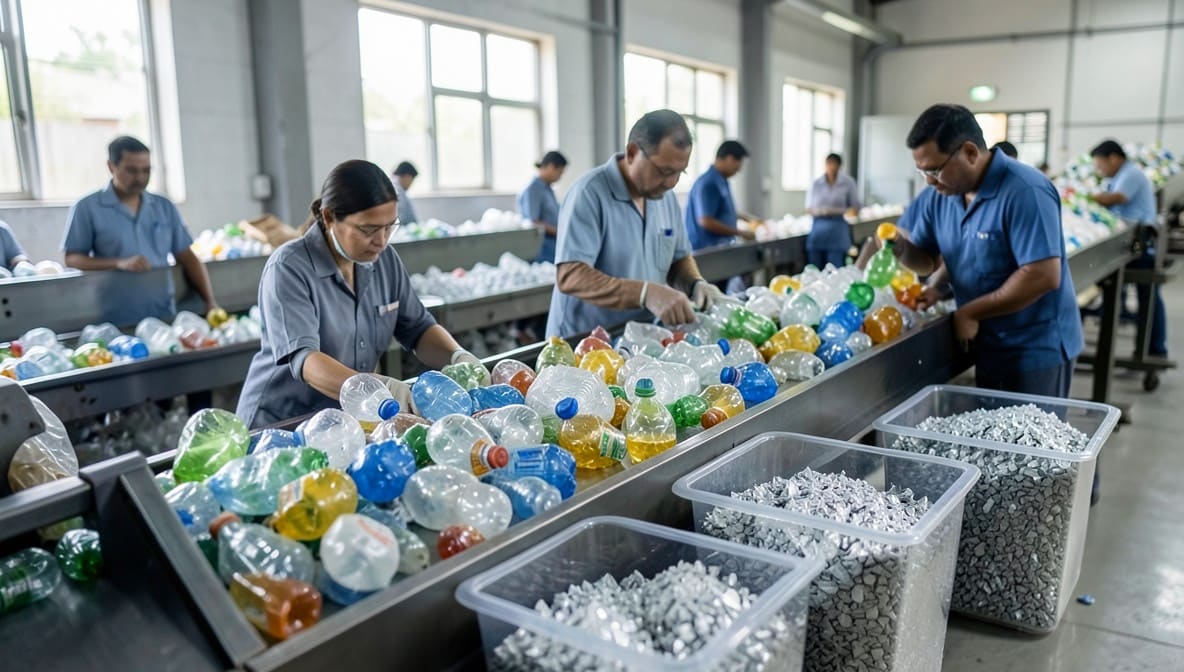
Section 2(f) Central Excise Act | Crushing Waste PET Bottles into Flakes Not 'Manufacture' : CESTAT Chennai
Case Law Analysis
|Custom, Excise & Service Tax Tribunal

Section 2(f) Central Excise Act | Crushing Waste PET Bottles into Flakes Not 'Manufacture' : CESTAT Chennai

CESTAT Chennai rules that sorting, crushing, and washing waste PET bottles into flakes does not qualify as 'manufacture' under the Central Excise Act, exempting such recycling units from excise duty. The ruling clarifies the legal threshold for 'manufacture' in waste processing, impacting PET recycling businesses and excise compliance.

Central Excise Duty | Job Worker, Not Principal, Liable for Duty on Contract Manufactured Goods Under Section 3 : CESTAT
Case Law Analysis
|Custom, Excise & Service Tax Tribunal

Central Excise Duty | Job Worker, Not Principal, Liable for Duty on Contract Manufactured Goods Under Section 3 : CESTAT

CESTAT clarifies that excise duty liability under Section 3 of the Central Excise Act rests with the job worker undertaking actual manufacturing, not the principal supplying raw materials. The ruling shields principals from duty demands where job workers avail area-based exemptions, impacting contract manufacturing agreements across industries.