Topic

Excise Duty

Excise duty in India refers to taxes levied on the manufacture or production of goods, governed primarily by the Central Excise Act, 1944, and related rules administered by the Central Board of Indirect Taxes and Customs.

14 articlesLatest 1 week ago
Sections 43B & 145A IT Act | Unpaid Excise Duty on Bonded Stock Not Taxable Under Exclusive Accounting Method Absent Deduction Claim : SC
Case Law Analysis
|Supreme Court of India

Sections 43B & 145A IT Act | Unpaid Excise Duty on Bonded Stock Not Taxable Under Exclusive Accounting Method Absent Deduction Claim : SC

The Supreme Court ruled that unpaid excise duty on sugar stock lying in a bonded warehouse cannot be added to taxable income under Sections 43B and 145A where the assessee follows the exclusive accounting method, has not claimed any deduction for such duty, and the goods remain unremoved. The decision clarifies that no tax liability crystallises under excise law until goods are actually cleared from the bonded warehouse, protecting manufacturers from phantom income additions on stock they cannot legally sell.


CENVAT Credit Admissible on Third-Party Owned Capital Goods Used in Manufacturing | CESTAT Hyderabad
Case Law Analysis
|Custom, Excise & Service Tax Tribunal

CENVAT Credit Admissible on Third-Party Owned Capital Goods Used in Manufacturing | CESTAT Hyderabad

CESTAT Hyderabad has ruled that CENVAT credit can be availed on duty-paid capital goods used in manufacturing, even when those goods are owned by a third party under lease and permanently installed in the factory. This clarifies that ownership, not usage or immovability, is not a barrier to credit - a critical win for manufacturers relying on leased infrastructure.

Rule 8 CEVR Exemption | Job Work Goods Consumed by Principal Not Subject to 110% Cost-Based Valuation : CESTAT Chennai
Case Law Analysis
|Custom, Excise & Service Tax Tribunal

Rule 8 CEVR Exemption | Job Work Goods Consumed by Principal Not Subject to 110% Cost-Based Valuation : CESTAT Chennai

CESTAT Chennai rules that job-worked goods consumed by the principal manufacturer are exempt from Rule 8 of the Central Excise Valuation Rules, which mandates 110% cost-based valuation. The tribunal affirms valuation based solely on material and conversion costs, providing relief to job workers and principal manufacturers from additional duty liabilities.

Central Excise Valuation | Customer-Requested Type Test Charges Not Part of Transaction Value : CESTAT Mumbai
Case Law Analysis
|Custom, Excise & Service Tax Tribunal

Central Excise Valuation | Customer-Requested Type Test Charges Not Part of Transaction Value : CESTAT Mumbai

CESTAT Mumbai rules that type test charges paid by customers for transformer certification are distinct service fees, not part of the goods' transaction value for excise duty. This clarifies the boundary between taxable goods and separable services, impacting manufacturers who outsource compliance testing and rely on CENVAT credit claims.

Rule 7 Central Excise Valuation Rules | Transaction Value Must Reflect Actual Sale Price, Not Arbitrary 'Greatest Aggregate Value' : CESTAT Hyderabad
Case Law Analysis
|Custom, Excise & Service Tax Tribunal

Rule 7 Central Excise Valuation Rules | Transaction Value Must Reflect Actual Sale Price, Not Arbitrary 'Greatest Aggregate Value' : CESTAT Hyderabad

CESTAT Hyderabad ruled that excise duty valuation under Rule 7 must be based on the actual transaction value, rejecting the Department's demand predicated on the highest price of the week. The Tribunal emphasized the one-to-one correlation between factory clearance and depot sales, invalidating arbitrary valuation methods that disregard contractual agreements.

Section 2(f) Central Excise Act | Crushing Waste PET Bottles into Flakes Not 'Manufacture' : CESTAT Chennai
Case Law Analysis
|Custom, Excise & Service Tax Tribunal

Section 2(f) Central Excise Act | Crushing Waste PET Bottles into Flakes Not 'Manufacture' : CESTAT Chennai

CESTAT Chennai rules that sorting, crushing, and washing waste PET bottles into flakes does not qualify as 'manufacture' under the Central Excise Act, exempting such recycling units from excise duty. The ruling clarifies the legal threshold for 'manufacture' in waste processing, impacting PET recycling businesses and excise compliance.

Cenvat Credit Rules | Job Worker Entitled to Credit on Capital Goods Invoiced to Principal Even Without Direct Purchase : CESTAT Chennai
Case Law Analysis
|Custom, Excise & Service Tax Tribunal

Cenvat Credit Rules | Job Worker Entitled to Credit on Capital Goods Invoiced to Principal Even Without Direct Purchase : CESTAT Chennai

CESTAT Chennai rules that job workers can avail Cenvat credit on capital goods invoiced to principals if the goods are received and used in manufacturing, even if not directly purchased. This overturns demands based on technical ownership, clarifying eligibility under Rule 2(k) of Cenvat Credit Rules for contract manufacturers and job work arrangements.

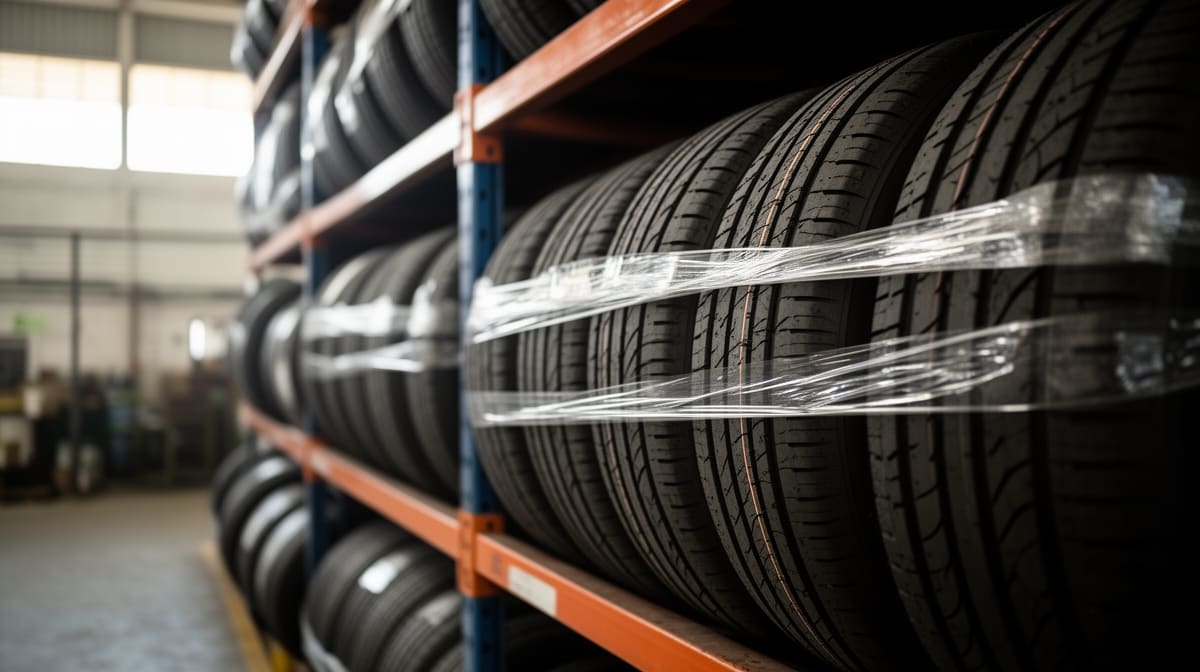
Section 4A Central Excise Act | Strapped Tyres Not 'Pre-Packaged Commodities' Under Legal Metrology Act : CESTAT Chennai
Case Law Analysis
|Custom, Excise & Service Tax Tribunal

Section 4A Central Excise Act | Strapped Tyres Not 'Pre-Packaged Commodities' Under Legal Metrology Act : CESTAT Chennai

CESTAT Chennai rules that tyres secured with plastic straps do not qualify as 'pre-packaged commodities' under the Legal Metrology Act, 2009, exempting them from valuation under Section 4A of the Central Excise Act. The ruling quashes a ₹221 crore demand, interest, and penalty, setting a precedent for similar valuation disputes in the tyre industry.

CENVAT Credit Rules | Waste Disposal & Air Pollution Survey Services Are 'Input Services' Integral to Manufacture : CESTAT Chandigarh
Case Law Analysis
|Custom, Excise & Service Tax Tribunal

CENVAT Credit Rules | Waste Disposal & Air Pollution Survey Services Are 'Input Services' Integral to Manufacture : CESTAT Chandigarh

CESTAT Chandigarh rules that CENVAT credit is allowable on waste disposal and air pollution survey services as 'input services' under Rule 2(l) of the CENVAT Credit Rules, 2004, if they are integral to the manufacturing process. This decision clarifies the eligibility of environmental compliance services for tax credit, impacting manufacturers availing such services.

Section 3A Central Excise Act | Capacity-Based Taxation Valid Despite Disconnect from Actual Output : Calcutta HC Upholds Deeming Fiction to Curb Evasion
Case Law Analysis
|Calcutta High Court

Section 3A Central Excise Act | Capacity-Based Taxation Valid Despite Disconnect from Actual Output : Calcutta HC Upholds Deeming Fiction to Curb Evasion

Calcutta High Court ruled that excise duty levied on production capacity under Section 3A of the Central Excise Act need not align with actual output, provided the mechanism serves the legislative intent to prevent tax evasion. The judgment validates the use of 'deeming fiction' in taxation, impacting manufacturers of notified goods like chewing tobacco.