The Central Excise and Service Tax Appellate Tribunal (CESTAT), Hyderabad, has delivered a landmark ruling affirming that CENVAT credit on capital goods is determined by use and receipt within a manufacturing unit, not by ownership or structural integration. This decision clarifies long-standing ambiguities in the application of the CENVAT Credit Rules, 2004, and provides critical guidance to manufacturers using leased or third-party-supplied equipment.
Background & Facts
The Dispute
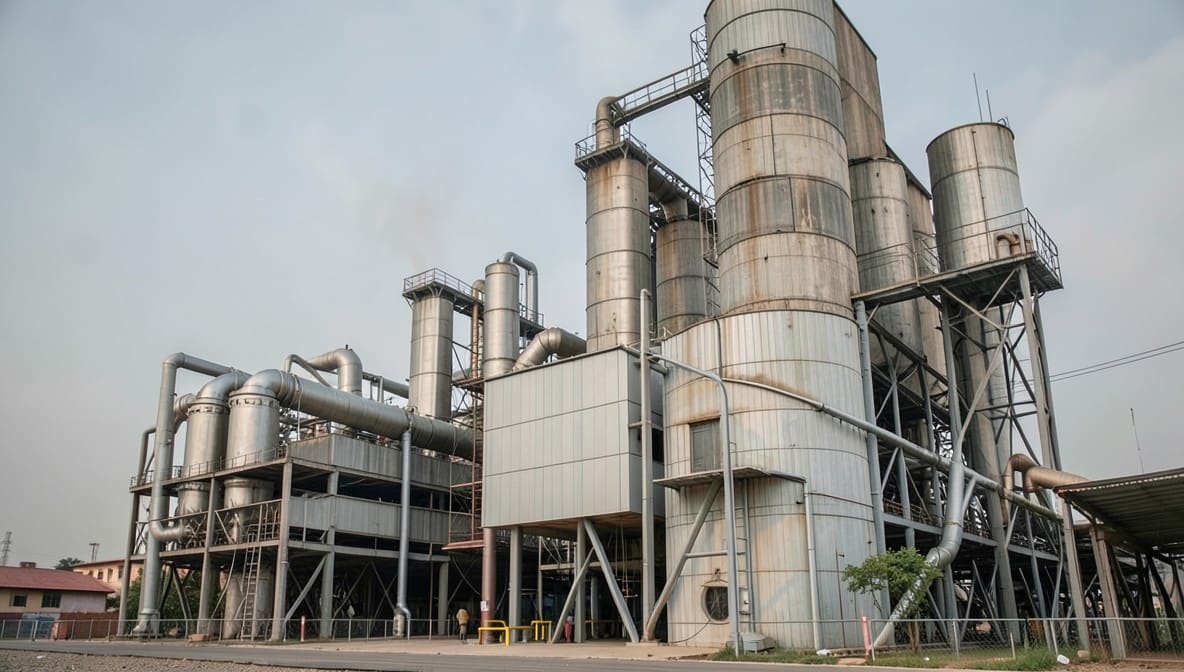
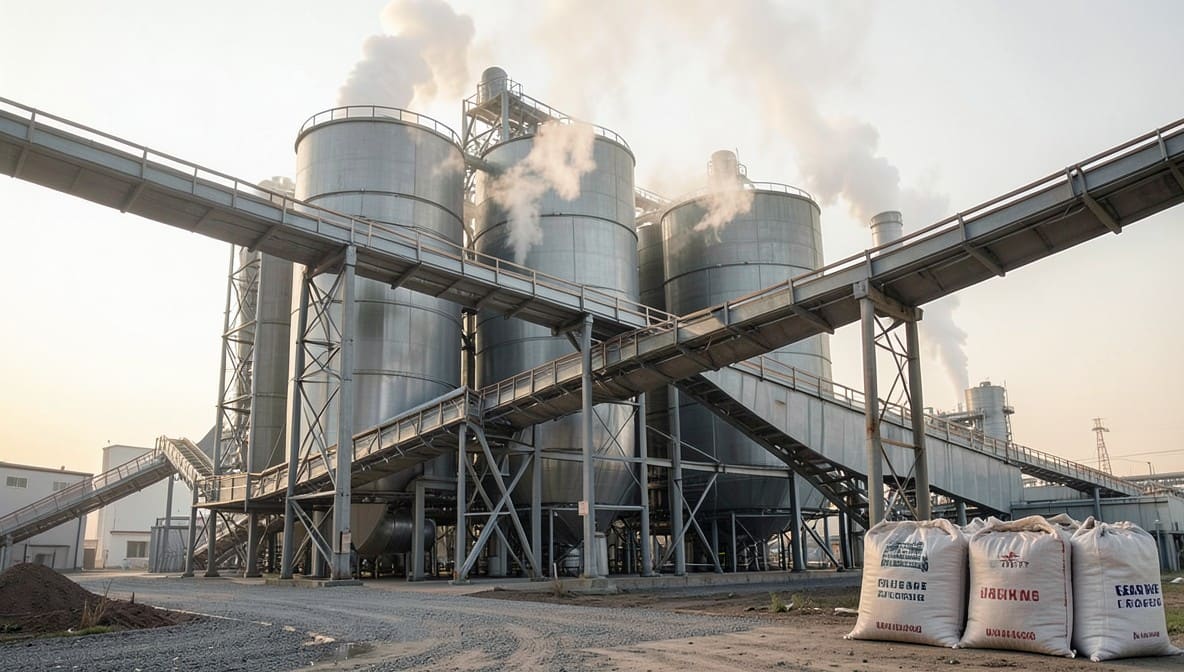
M/s ITC Ltd., a manufacturer of paper and paperboards under the Central Excise Tariff Act, 1985, required industrial gases - particularly oxygen - for its pulp and paper production process. To meet this requirement, it entered into an agreement on 27.09.2006 with Inox Air Products Ltd., under which Inox supplied machinery, components, and accessories for the erection of an Air Separation Plant within ITC’s factory premises at Sarapaka, Bhadrachalam. The goods were delivered under valid Central Excise invoices naming ITC as the consignee. ITC availed CENVAT credit of Rs. 1,89,28,243/- on these goods between October 2007 and April 2009, reflecting the credit in its statutory returns.
Key Facts
- The Air Separation Plant was constructed using machinery and equipment falling under Chapters 82, 84, 85, and 90 of the Central Excise Tariff Act, all of which are classified as capital goods under Rule 2(a) of the CENVAT Credit Rules, 2004.
- The plant was assembled on-site using nuts and bolts for operational stability and vibration control, but not permanently affixed to the earth.
- Inox retained legal ownership of the plant, leasing it to ITC under a contractual arrangement.
- The plant produced oxygen and other gases directly used in the manufacturing of excisable paper products.
- ITC disclosed all transactions and invoices to the Department via monthly returns and submitted a lease agreement on 12.07.2012.
- The disputed period of credit availed was October 2007 to April 2009, prior to the 07.07.2009 amendment to Rule 2(k).
Procedural History
- 27.09.2006: Agreement executed between ITC Ltd. and Inox Air Products Ltd. for supply and installation of Air Separation Plant.
- October 2007 - April 2009: CENVAT credit of Rs. 1,89,28,243/- availed on capital goods and inputs.
- 06.11.2012: Show Cause Notice (SCN) issued by Commissioner of Customs, Central Excise & Service Tax, Hyderabad, alleging denial of credit on grounds of non-ownership, immovability, and non-excisability of the plant.
- 31.03.2013: Order-in-Original No. 07/2013-CE-HYD-III-ADJN passed by Commissioner, disallowing credit, confirming interest under Rule 14 of CENVAT Credit Rules read with Section 11AA of the Central Excise Act, 1944, and imposing penalty under Rule 15 read with Section 11AC.
- 12.06.2013: Appeal filed before CESTAT, Hyderabad (Appeal No. E/27150/2013).
- 23.02.2026: Hearing concluded before CESTAT Hyderabad.
- 12.06.2026: Final Order passed allowing the appeal.
The Parties' Positions
For the Appellant (ITC Ltd.):
- Argued that the machinery and components used in the Air Separation Plant qualify as capital goods under Rule 2(a) of the CENVAT Credit Rules, 2004.
- Emphasized that ownership is irrelevant; use in manufacturing excisable goods is the sole criterion.
- Relied on JSW Ispat Steel Ltd. v. Commissioner of Central Excise (2013) and KCP Ltd. v. CCE (2009) to establish that assembly into an integrated plant does not negate eligibility.
- Contended that Rule 4(3) permits credit even if capital goods are leased from non-financing entities.
- Asserted that the 07.07.2009 amendment to Rule 2(k) is prospective and inapplicable to the disputed period.
- Stated that the SCN did not allege non-ownership as a ground, and the Commissioner’s order introduced a new ground, violating natural justice.
- Argued that extended period of limitation under Section 11A(1) is not applicable due to full disclosure and absence of suppression.
For the Respondent (Revenue):
- Contended that the Air Separation Plant, being attached to earth and not excisable as a whole, cannot be treated as capital goods.
- Argued that since Inox, not ITC, paid the duty and retained ownership, ITC is ineligible for credit.
- Relied on Explanation 2 to Rule 2(k) (amended 07.07.2009) to exclude goods used in construction of civil structures.
- Asserted that Rule 4(3) applies only if the lessor is a financing company.
- Claimed that the plant’s immovability renders the components ineligible for credit.
Relief Sought
The appellant sought:
- Setting aside of the Order-in-Original dated 31.03.2013.
- Restoration of the CENVAT credit of Rs. 1,89,28,243/-.
- Cancellation of interest and penalty imposed.
- Declaration that the extended period of limitation is not invocable.
The Legal Issue
The central questions were: (1) Whether duty-paid machinery and components used to set up an Air Separation Plant qualify as capital goods under Rule 2(a) of the CENVAT Credit Rules, 2004, even if assembled into an immovable plant and owned by a third party; and (2) Whether Rule 4(3) restricts credit to leases from financing companies only.
Arguments Presented
For the Appellant
The appellant relied on multiple precedents, including JSW Ispat Steel Ltd. v. Commissioner of Central Excise (2013), KCP Ltd. v. CCE (2009), and Bharati Airtel Ltd. v. CCE (2024), to establish that eligibility for CENVAT credit hinges on the use of goods in manufacturing excisable products, not on ownership or structural integration. It argued that Rule 2(a) explicitly includes machinery under Chapters 82, 84, 85, and 90, and their components, regardless of whether they are later assembled. The appellant further contended that Rule 4(3) is an enabling provision, not restrictive, and that the 07.07.2009 amendment to Rule 2(k) cannot be applied retrospectively. It emphasized that the SCN did not allege non-ownership as a ground, and the Commissioner’s reliance on this new ground violated principles of natural justice.
For the Respondent
The Revenue contended that the Air Separation Plant, being permanently attached to the earth, ceased to be goods and became immovable property, thereby disqualifying it from CENVAT credit. It argued that since Inox, not ITC, was the legal owner and had not discharged duty on the plant as a whole, ITC could not claim credit. It also invoked Explanation 2 to Rule 2(k), which excludes goods used in civil construction, and interpreted Rule 4(3) as requiring the lessor to be a financing company. The Revenue maintained that the absence of a specific provision for such arrangements meant credit was not intended.
The Court's Analysis
The Tribunal conducted a detailed analysis of the statutory framework, judicial precedents, and factual matrix. It emphasized that the CENVAT Credit Rules are designed to eliminate cascading taxation by allowing credit on inputs and capital goods used in the manufacture of excisable goods. The Tribunal held that the definition of capital goods under Rule 2(a) is inclusive and does not require the goods to remain separate or unattached.
"Merely because the various machinery, equipment, appliances and parts have been assembled at the site to set up the Oxygen Plant and such a plant being immovable property, Cenvat credit is sought to be denied. Nowhere in the Cenvat Credit Rules, it is envisaged that the machinery, equipment, appliances or their components should be used as such in the manufacture of excisable goods."
The Tribunal distinguished Vandana Global Ltd. and Bharati Airtel Ltd., noting that those cases dealt with materials used in constructing civil structures (e.g., cement, steel beams for towers), not machinery used in manufacturing. It held that fastening equipment with nuts and bolts for operational stability does not transform capital goods into immovable property.
Regarding Rule 4(3), the Tribunal clarified that the phrase "even if" is expansive, not restrictive. It cited LeaMak Healthcare Pvt Ltd. and Kalyani Seamless Tubes Ltd. to affirm that the rule extends credit eligibility to leased goods regardless of whether the lessor is a financing company.
The Tribunal further held that the SCN did not allege non-ownership as a ground for denial, and the Commissioner’s reliance on this new ground violated the principles of natural justice. It also ruled that the 07.07.2009 amendment to Rule 2(k) was a substantive change, not a clarification, and thus could not be applied retrospectively to the period October 2007 - April 2009.
Finally, the Tribunal found no suppression or intent to evade duty, as ITC had disclosed all transactions in statutory returns and submitted the lease agreement well before the SCN. Hence, the extended period of limitation under Section 11A(1) was not invocable.
The Verdict
The appeal was allowed. The Tribunal set aside the Order-in-Original dated 31.03.2013, restored the CENVAT credit of Rs. 1,89,28,243/-, and cancelled the interest and penalty imposed. The Tribunal held that the extended period of limitation is not applicable, and the demand is barred by limitation. All consequential reliefs, including refund of any amounts paid under protest, are to be processed in accordance with law.
What This Means For Similar Cases
Ownership Is Not a Barrier to CENVAT Credit
- Practitioners may now confidently argue that CENVAT credit is available on machinery and components used in manufacturing, even if owned by a third party under lease or supply agreements.
- The focus must be on receipt of goods in the factory, payment of duty, and use in producing excisable goods - not legal title.
- Lease agreements and consignee invoices are sufficient proof of eligibility.
Assembly into Integrated Plants Does Not Invalidate Credit
- Manufacturing plants comprising multiple machines (e.g., boilers, crushers, oxygen plants) are not rendered ineligible merely because they are assembled.
- Fastening equipment to the floor for operational purposes does not convert capital goods into immovable property.
- Precedents like JSW Ispat and KCP Ltd. now form the definitive standard for such cases.
Rule 4(3) Is Broadly Interpreted
- The term "Financing Company" in Rule 4(3) does not limit eligibility to banks or NBFCs.
- Any lessor - whether a manufacturer, supplier, or service provider - is permissible under the rule.
- Revenue authorities must cease denying credit on the ground that the lessor is not a financial institution.
Amendments Cannot Be Applied Retrospectively
- Substantive amendments to the CENVAT Credit Rules (e.g., 07.07.2009) cannot be applied to periods prior to their enactment.
- Practitioners should challenge demands based on post-amendment interpretations for pre-amendment periods.
- The burden is on the Revenue to prove suppression or fraud to invoke extended limitation.
Natural Justice Requires SCN Adherence
- Adjudicating authorities cannot introduce new grounds for denial not contained in the SCN.
- Any order based on a new ground is void for violating principles of natural justice.
- Practitioners must raise this objection at the first opportunity in appeals.