Topic

Article 226 writ petition

Article 226 of the Indian Constitution empowers High Courts to issue writs, including habeas corpus, mandamus, prohibition, quo warranto, and certiorari, to enforce fundamental rights or correct illegal actions by state authorities.

13 articlesLatest July 2026
Article 226 | State Must Consider Religious Festival Representation Without Arbitrary Delay : AP HC Directs Mandamus for Timely Permission
Case Law Analysis
|Andhra Pradesh High Court

Article 226 | State Must Consider Religious Festival Representation Without Arbitrary Delay : AP HC Directs Mandamus for Timely Permission

Andhra Pradesh High Court rules that state authorities must consider representations for religious festival permissions without undue delay, balancing public order with constitutional rights under Articles 14, 21, and 25. The court directed police to grant permission with necessary safeguards, reinforcing the duty to avoid arbitrary denial of religious freedoms.

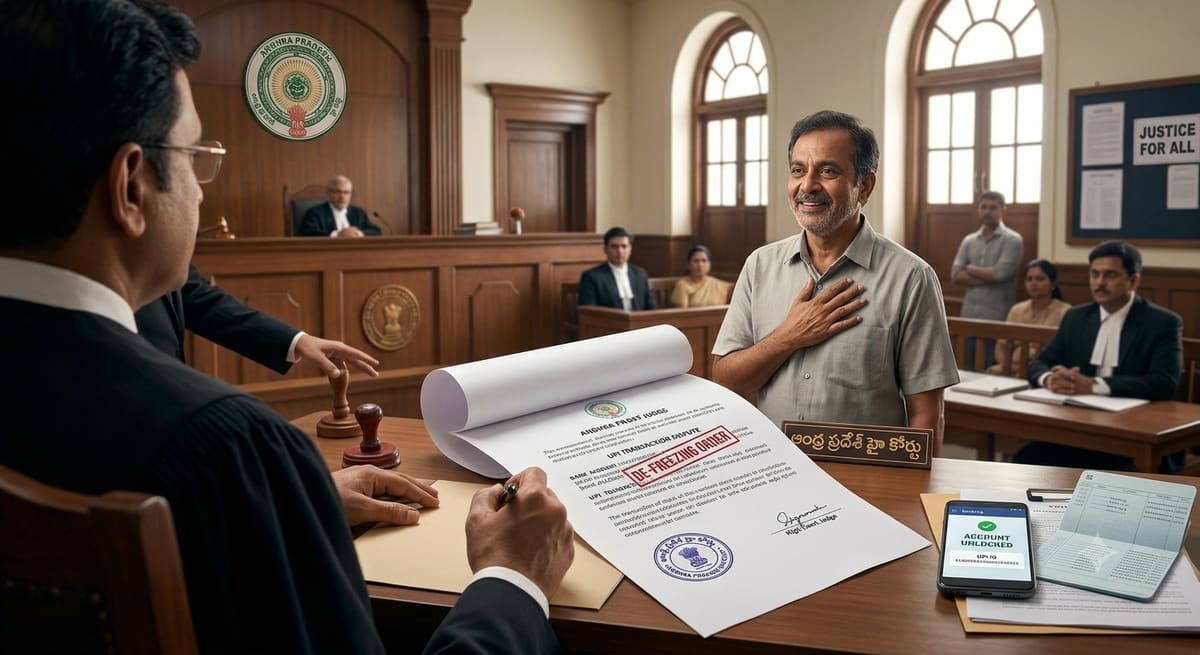
Bank Account Freezing Without Notice Violates Natural Justice | Andhra Pradesh HC Directs Defreezing in UPI Fraud Case : AP HC
Case Law Analysis
|Andhra Pradesh High Court

Bank Account Freezing Without Notice Violates Natural Justice | Andhra Pradesh HC Directs Defreezing in UPI Fraud Case : AP HC

The Andhra Pradesh High Court ruled that freezing a bank account without prior notice or hearing violates principles of natural justice under Articles 14, 19(1)(g), and 21 of the Constitution. The court directed the defreezing of an account holding Rs. 8.26 lakh, emphasizing that businesses cannot be held liable for third-party UPI fraud without due process. This judgment sets a precedent for safeguarding commercial entities from arbitrary financial restrictions.

APMMC Rules 1966 | Indefinite Seizure of Boat Without Due Process Violates Articles 14, 19(1)(g) & 21: AP HC
Case Law Analysis
|Andhra Pradesh High Court

APMMC Rules 1966 | Indefinite Seizure of Boat Without Due Process Violates Articles 14, 19(1)(g) & 21: AP HC

Andhra Pradesh High Court rules that seizure of a boat under APMMC Rules without following prescribed procedure infringes constitutional rights to equality, livelihood, and personal liberty. The court directed release of the boat on deposit of Rs. 1.5 lakh, reinforcing that environmental regulations must comply with fundamental rights and natural justice.

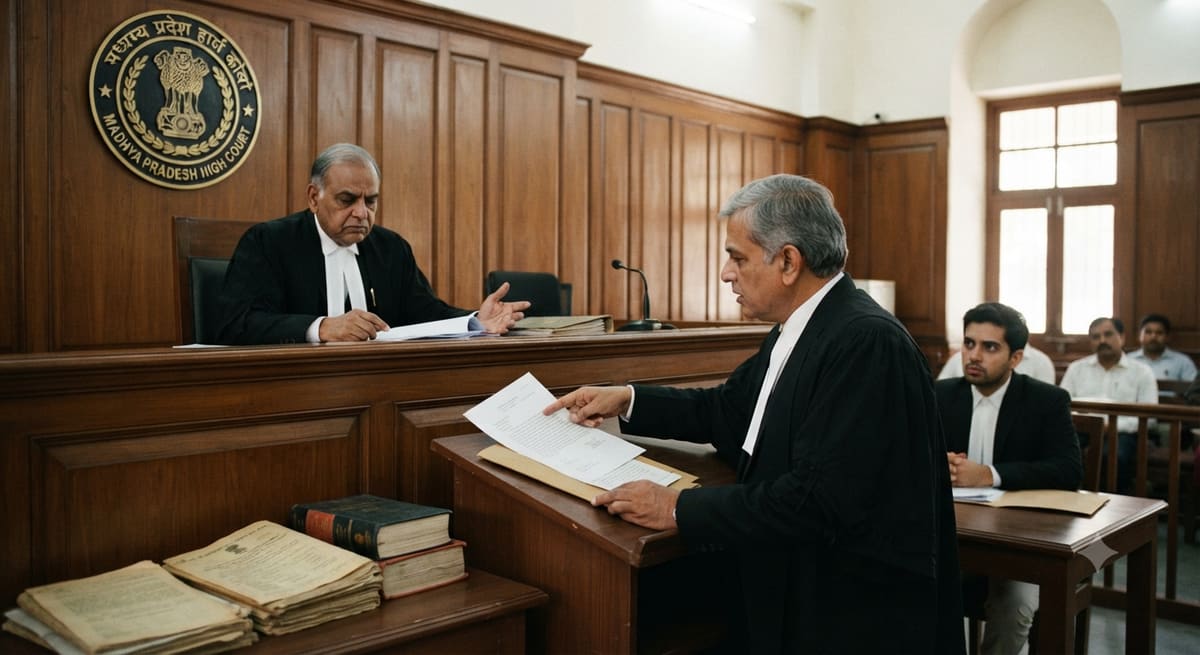
MNREGA Transfer Policy Clause 3.3 | Administrative Transfers Without Employee Application Violate Natural Justice: MP HC (Gwalior Bench)
Case Law Analysis
|Madhya Pradesh High Court

MNREGA Transfer Policy Clause 3.3 | Administrative Transfers Without Employee Application Violate Natural Justice: MP HC (Gwalior Bench)

The Madhya Pradesh High Court has stayed a transfer order under MNREGA, holding that employees cannot be moved on administrative grounds unless the policy explicitly permits it - and here, the policy requires employee-initiated requests. This reinforces that even temporary workers are protected from arbitrary administrative action, setting a clear limit on district authorities' discretion under welfare schemes.

Equal Pay for Equal Work | Temple Employees Entitled to Time Scale Benefits Under Article 14: Andhra Pradesh HC
Case Law Analysis
|Andhra Pradesh High Court

Equal Pay for Equal Work | Temple Employees Entitled to Time Scale Benefits Under Article 14: Andhra Pradesh HC

The Andhra Pradesh High Court has ruled that temple employees performing duties equivalent to government staff are entitled to time scale pay benefits, affirming that Article 14 prohibits arbitrary pay discrimination even in religious institutions managed by the state. This sets a precedent for thousands of similar cases involving endowment department workers across India.

Article 226 | Police Cannot Interfere in Civil Disputes Like Land Acquisition Compensation Without Statutory Process : Andhra Pradesh HC
|Andhra Pradesh High Court

Article 226 | Police Cannot Interfere in Civil Disputes Like Land Acquisition Compensation Without Statutory Process : Andhra Pradesh HC

Andhra Pradesh High Court holds that police lack jurisdiction to summon parties in civil disputes, such as land acquisition compensation, without following statutory remedies under the Land Acquisition Act, 2013. The ruling reinforces that writ petitions under Article 226 are the appropriate recourse for aggrieved parties, preventing arbitrary police interference in civil matters.

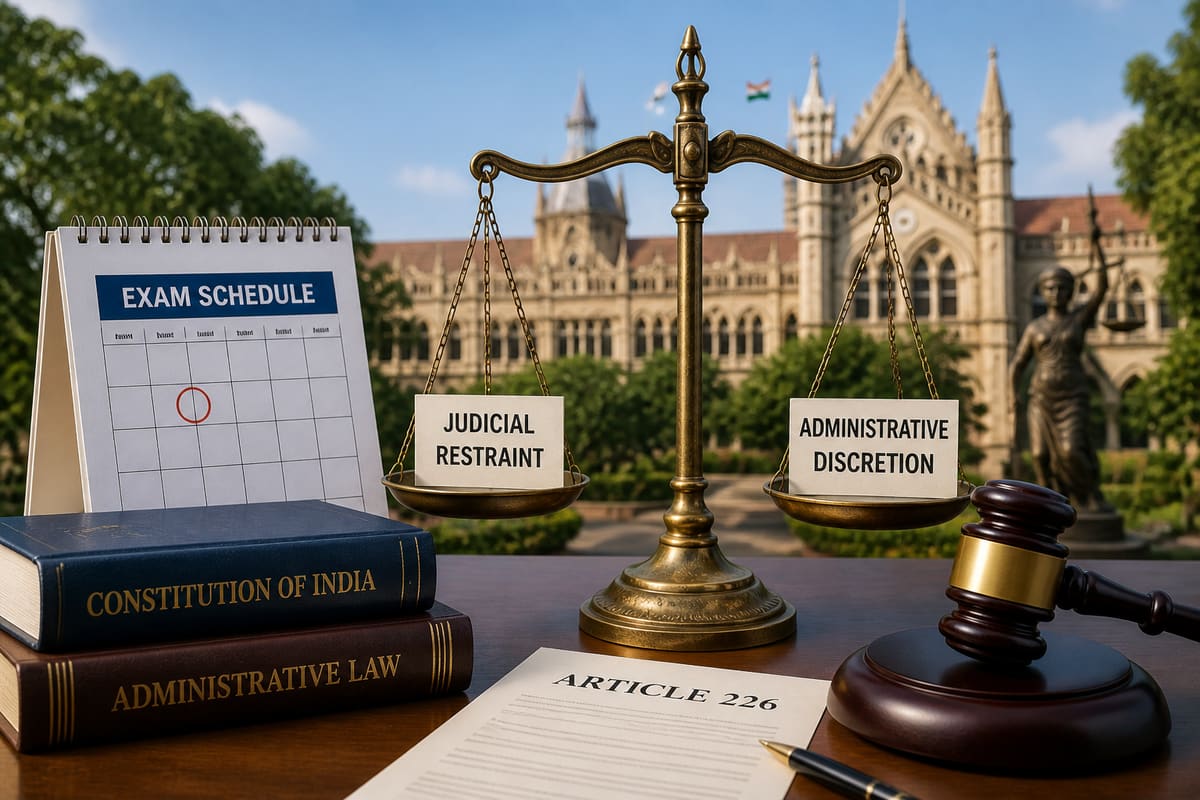
Article 226 | Judicial Restraint in Exam Scheduling: MP HC Upholds Administrative Discretion Over Reasonable Gap Challenge
Case Law Analysis
|Madhya Pradesh High Court

Article 226 | Judicial Restraint in Exam Scheduling: MP HC Upholds Administrative Discretion Over Reasonable Gap Challenge

The Madhya Pradesh High Court dismissed a writ petition challenging the scheduling of the Sub-Inspector Mains Exam merely two days after the MPPSC Prelims, reaffirming that courts will not interfere with administrative discretion in recruitment timelines unless arbitrary. The ruling underscores the limited scope of judicial review under Article 226 for logistical scheduling disputes.

Recruitment Category Once Chosen is Binding | Punjab & Haryana HC Upholds 'Sacrosanct' Advertisement Terms Under Service Law : Punjab & Haryana HC
Case Law Analysis
|Punjab and Haryana High Court

Recruitment Category Once Chosen is Binding | Punjab & Haryana HC Upholds 'Sacrosanct' Advertisement Terms Under Service Law : Punjab & Haryana HC

The Punjab & Haryana High Court ruled that candidates cannot alter their chosen recruitment category post-selection, even due to disability or third-party error. The judgment reinforces that advertisement terms are final, binding candidates to their initial category choice under Article 226, impacting disability rights and service law jurisprudence.

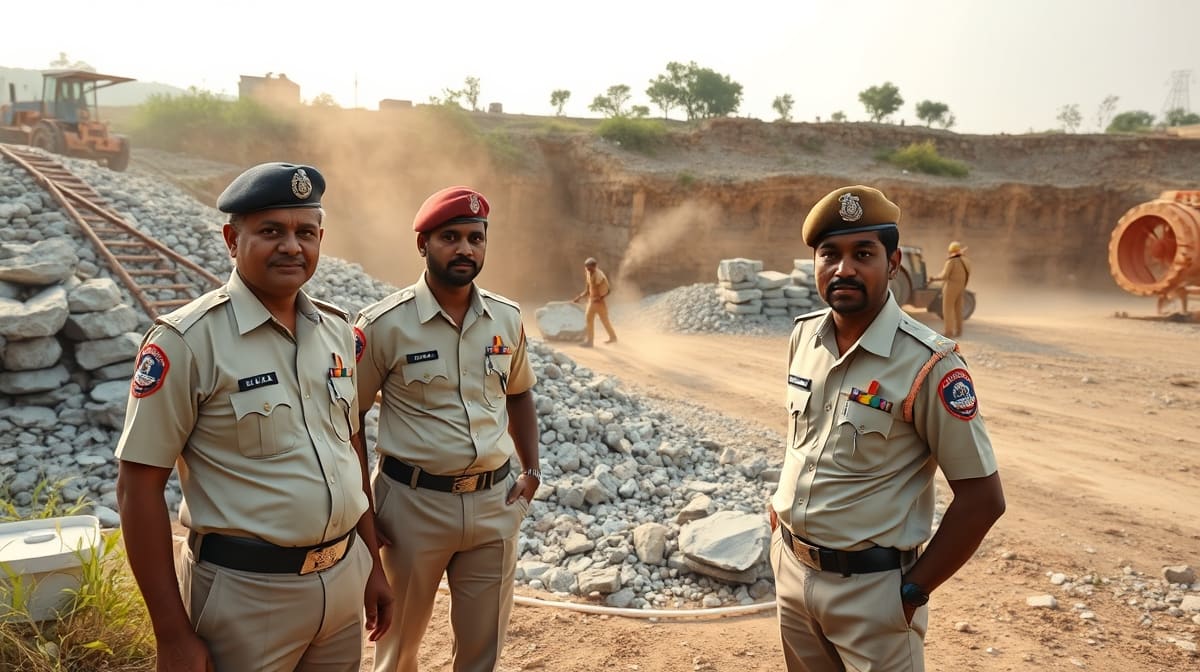
Article 19(1)(g) & Police Duty | Fundamental Right to Lawful Business Includes Police Protection Against Obstruction: Madras HC Directs Mandamus for Quarry Operations
Case Law Analysis
|Madras High Court

Article 19(1)(g) & Police Duty | Fundamental Right to Lawful Business Includes Police Protection Against Obstruction: Madras HC Directs Mandamus for Quarry Operations

Madras High Court reinforces that licensed quarry operators with statutory clearances hold a fundamental right under Article 19(1)(g) to operate without unlawful obstruction. The Court directed police to act on protection requests within a reasonable time, emphasizing that failure to do so violates constitutional guarantees and enables lawful business disruptions.