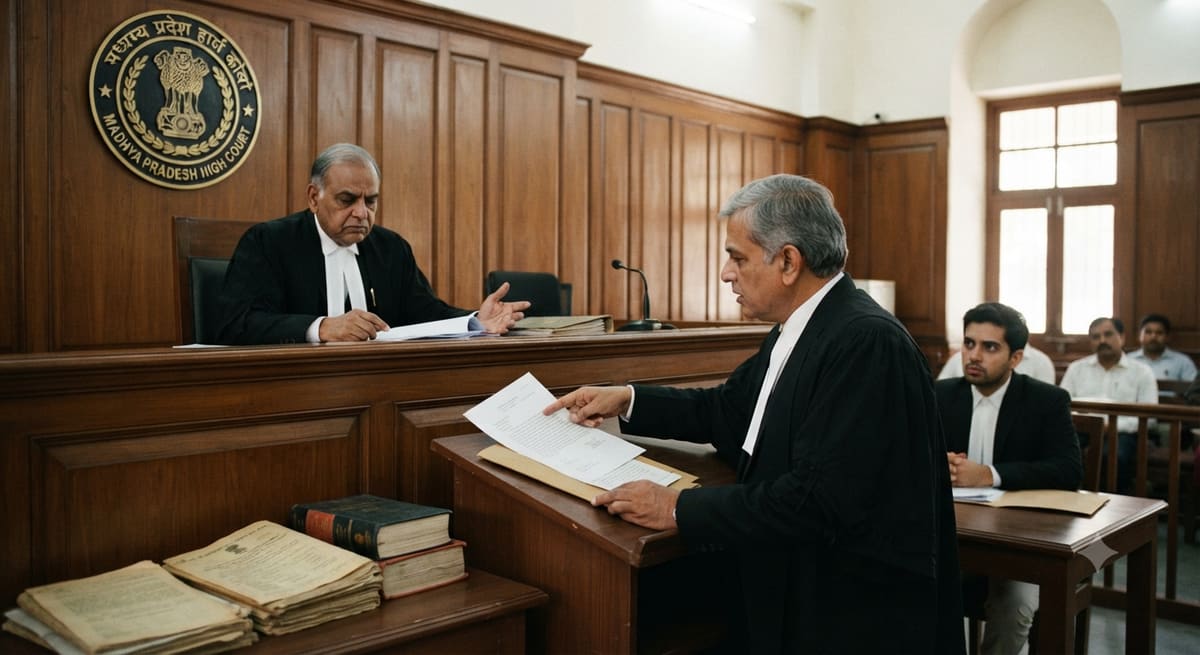
The Madhya Pradesh High Court has clarified that recovery of excess government payments older than five years is impermissible, reinforcing the precedent set in State of Punjab v. Rafiq Masih. The judgment underscores the necessity of affording an opportunity of hearing before any recovery is initiated, balancing administrative efficiency with principles of natural justice.
Background & Facts
The Dispute
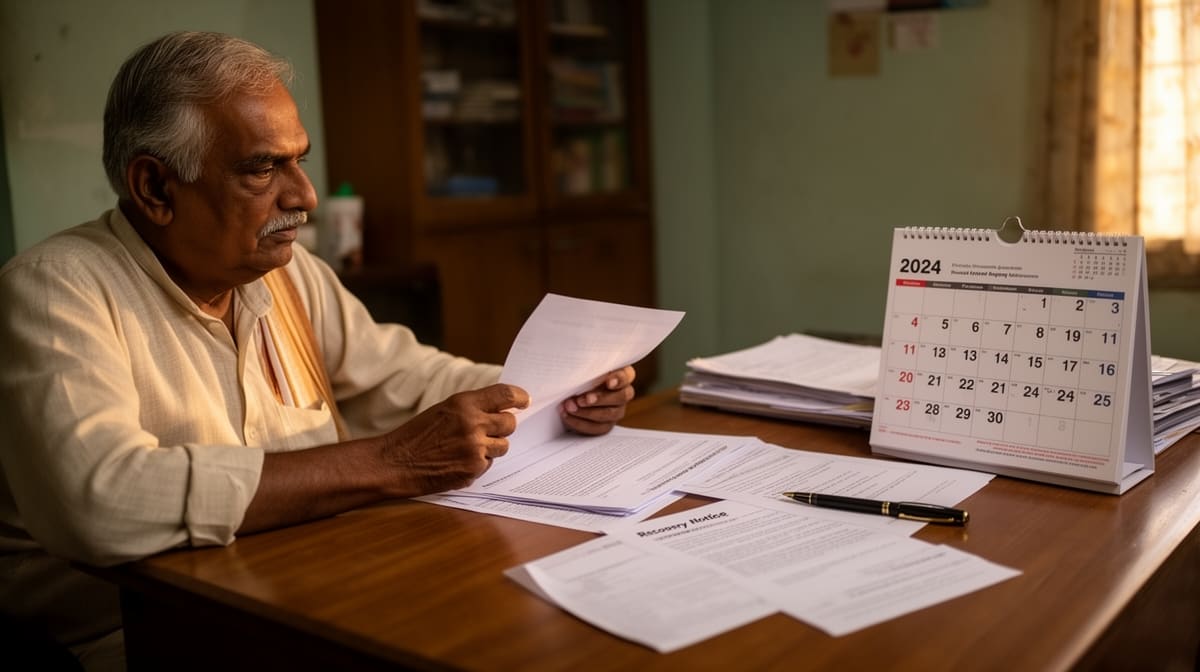
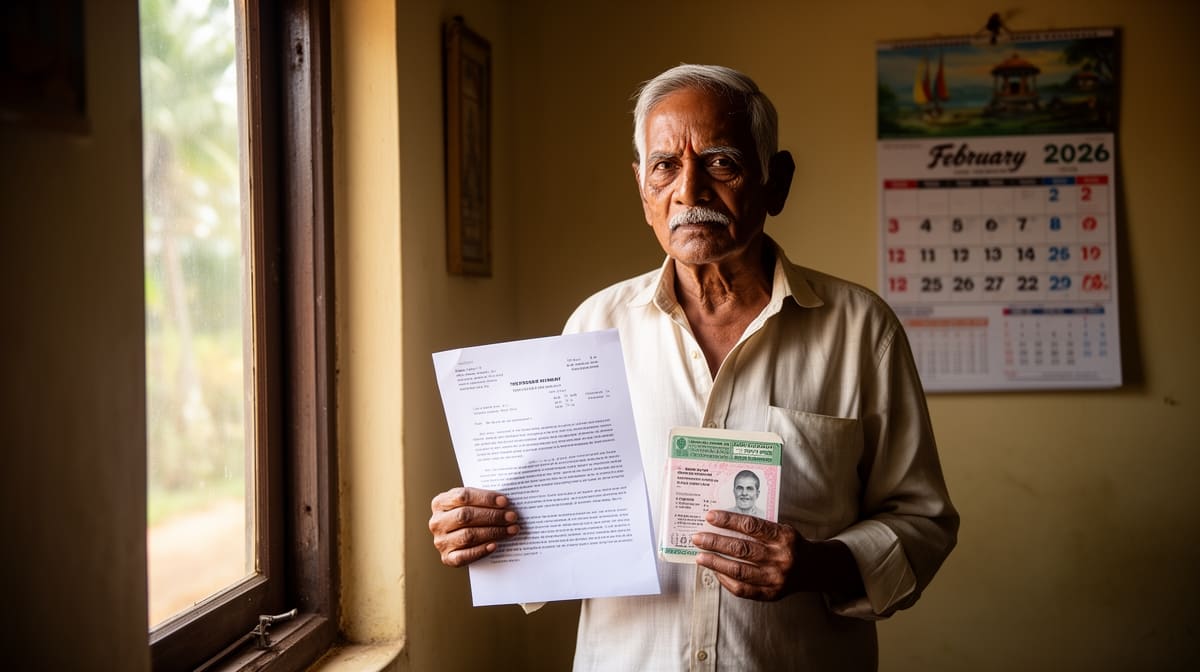
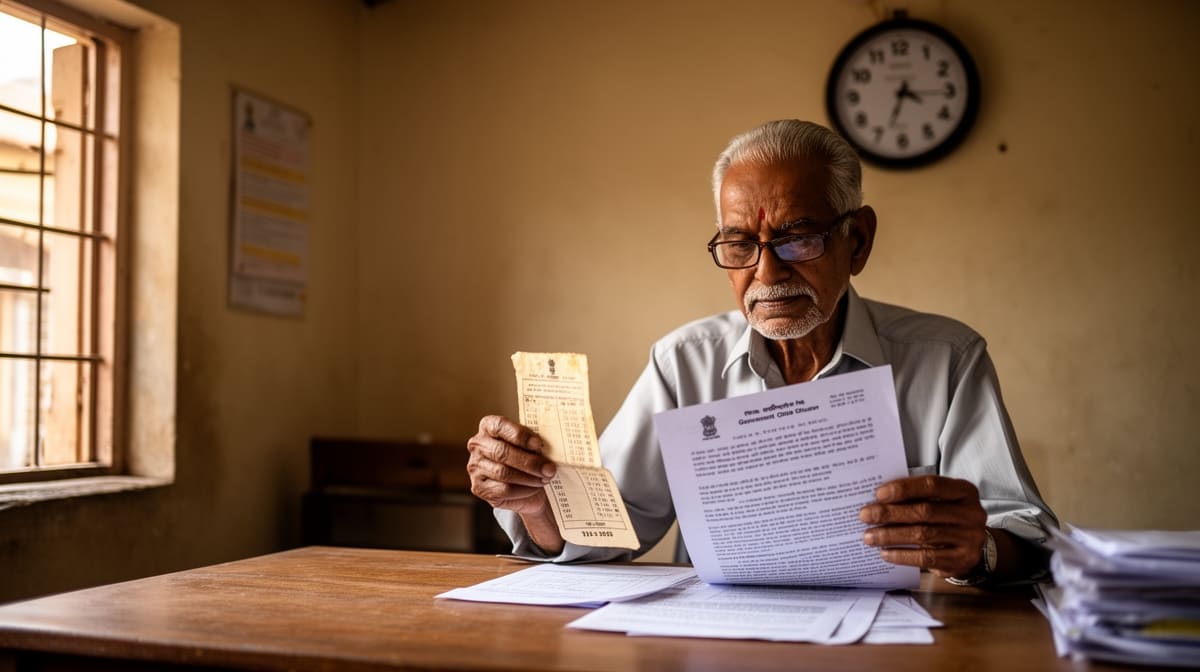
The petitioner, Ganesh Prasad Choudhary, a government employee, challenged two impugned orders dated 23.05.2026 and 02.01.2021 (Annexure P-1 and P-2) under Article 226 of the Constitution of India. The orders sought to recover excess payments made to the petitioner between 2006 and 2021. The petitioner contended that the recovery of dues older than five years was barred by the Supreme Court’s ruling in State of Punjab v. Rafiq Masih (White Washer), (2015) 4 SCC 334, and that he was not afforded an opportunity of hearing before the impugned orders were passed.
Key Facts
The petitioner received excess payments from the government between 2006 and 2021.
The respondents sought to recover the entire excess amount in a lumpsum.
The petitioner argued that recovery of dues older than five years was impermissible under Rafiq Masih.
The petitioner was not given an opportunity of hearing before the impugned orders were passed.
Procedural History
23.05.2026: First impugned order (Annexure P-1) passed.
02.01.2021: Second impugned order (Annexure P-2) passed.
2026: Writ Petition No. 22868 of 2026 filed before the Madhya Pradesh High Court.
Relief Sought
The petitioner sought:
Quashing of the impugned orders dated 23.05.2026 and 02.01.2021.
A direction to the respondents to limit recovery to dues not older than five years.
An opportunity of hearing before any recovery is initiated.
The Legal Issue
The central question was whether the respondents could recover excess government payments made more than five years prior to the impugned orders, and whether the petitioner was entitled to an opportunity of hearing before such recovery.
Arguments Presented
For the Petitioner
Relied on State of Punjab v. Rafiq Masih, (2015) 4 SCC 334, to argue that recovery of dues older than five years is barred.
Contended that the petitioner was not afforded an opportunity of hearing before the impugned orders were passed, violating principles of natural justice.
For the Respondent/State
Submitted that the petitioner was still in service and would not suffer hardship akin to a retired employee.
Argued that recovery could be made in installments to mitigate hardship, and thus, no interference was warranted.
The Court's Analysis
The Court examined the precedent set in Rafiq Masih, wherein the Supreme Court held that recovery of government dues older than five years is impermissible. The Court emphasized that this limitation is rooted in the principle of equity and fairness, preventing undue hardship to employees.
"Respondents can only recover five years old dues and before making recovery of said dues, opportunity of hearing be given to petitioner."
The Court further noted that the absence of an opportunity of hearing before the impugned orders were passed violated the principles of natural justice. It directed the respondents to treat the impugned orders as show cause notices, affording the petitioner a hearing before passing fresh orders.
The Verdict
The Court disposed of the writ petition with the following directions:
The impugned orders dated 23.05.2026 and 02.01.2021 shall be treated as show cause notices.
The petitioner shall be afforded an opportunity of hearing.
Fresh orders shall be passed within 90 days from the date of the judgment.
Recovery shall be limited to dues not older than five years.
No interest shall be charged on the amount to be recovered, as there was no misrepresentation on the petitioner’s part.
Any amount recovered pursuant to the impugned orders shall be returned to the petitioner after the fresh order is passed.
What This Means For Similar Cases
Five-Year Limitation Period for Recovery
The judgment reaffirms that recovery of government dues older than five years is barred, aligning with the Supreme Court’s ruling in Rafiq Masih.
Practitioners should argue this limitation period to prevent undue hardship to employees or beneficiaries.
Opportunity of Hearing Is Mandatory
The Court’s insistence on affording an opportunity of hearing underscores the importance of procedural fairness.
Any recovery action must be preceded by a show cause notice and a hearing, failing which the action may be set aside.
No Interest on Recoverable Amount Without Misrepresentation
Where there is no misrepresentation or fraud on the part of the employee, no interest shall be charged on the recoverable amount.
This principle protects employees from additional financial burden in cases of genuine excess payments.