Topic

Arnesh Kumar

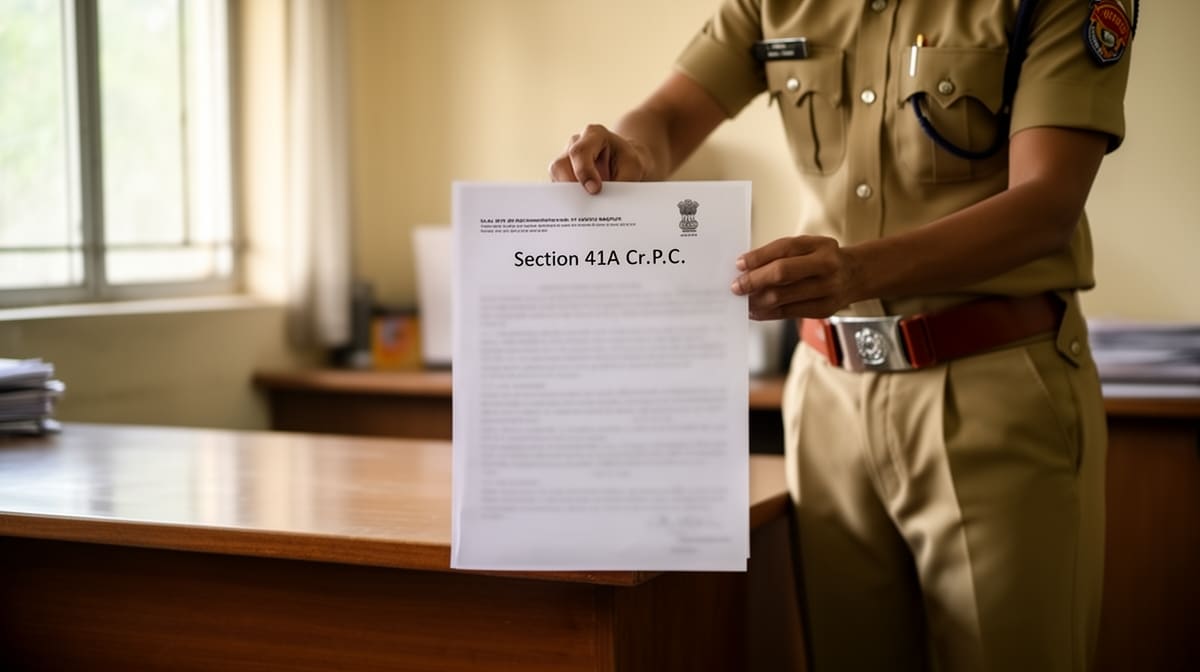
The Arnesh Kumar guidelines, established by the Supreme Court of India, prohibit automatic arrests in offences punishable with less than seven years imprisonment and mandate compliance with Section 41-A of the CrPC and Section 35(3) of the BNSS.

11 articlesLatest July 2026
Arnesh Kumar Guidelines Mandatory for Arrests in Excise Act Cases | MP HC Gwalior Directs Compliance Despite Withdrawn Bail Application
Case Law Analysis
|Madhya Pradesh High Court

Arnesh Kumar Guidelines Mandatory for Arrests in Excise Act Cases | MP HC Gwalior Directs Compliance Despite Withdrawn Bail Application

The Madhya Pradesh High Court, while dismissing an anticipatory bail application as withdrawn, issued a binding directive that investigating officers must strictly follow the Arnesh Kumar guidelines before arresting anyone under the Excise Act. This reinforces procedural safeguards against arbitrary detention in non-bailable excise offences, affecting police conduct across Madhya Pradesh and setting a precedent for other states.

SC/ST Act & BNSS | Mandatory Compliance with Arnesh Kumar & Satender Kumar Antil Bail Guidelines Before Arrest : MP HC
Case Law Analysis
|Madhya Pradesh High Court

SC/ST Act & BNSS | Mandatory Compliance with Arnesh Kumar & Satender Kumar Antil Bail Guidelines Before Arrest : MP HC

Madhya Pradesh High Court reinforces that arrest under the SC/ST Act and Bharatiya Nyaya Sanhita must strictly follow Supreme Court bail guidelines, including Arnesh Kumar and Satender Kumar Antil, ensuring procedural safeguards before detention. Non-compliance risks judicial intervention, impacting law enforcement and trial courts handling similar cases.

Contempt of Court | Mere Allegations Without Proven Deliberate Disobedience of D.K. Basu Guidelines Are Insufficient : Karnataka HC
Case Law Analysis
|Karnataka High Court

Contempt of Court | Mere Allegations Without Proven Deliberate Disobedience of D.K. Basu Guidelines Are Insufficient : Karnataka HC

The Karnataka High Court dismissed a contempt petition because allegations of police non-compliance with Supreme Court arrest guidelines, without proof of intentional defiance, cannot trigger contempt proceedings. This reinforces that contempt requires clear, willful disregard-not procedural lapses or unverified claims-shaping how public accountability cases are framed against law enforcement.

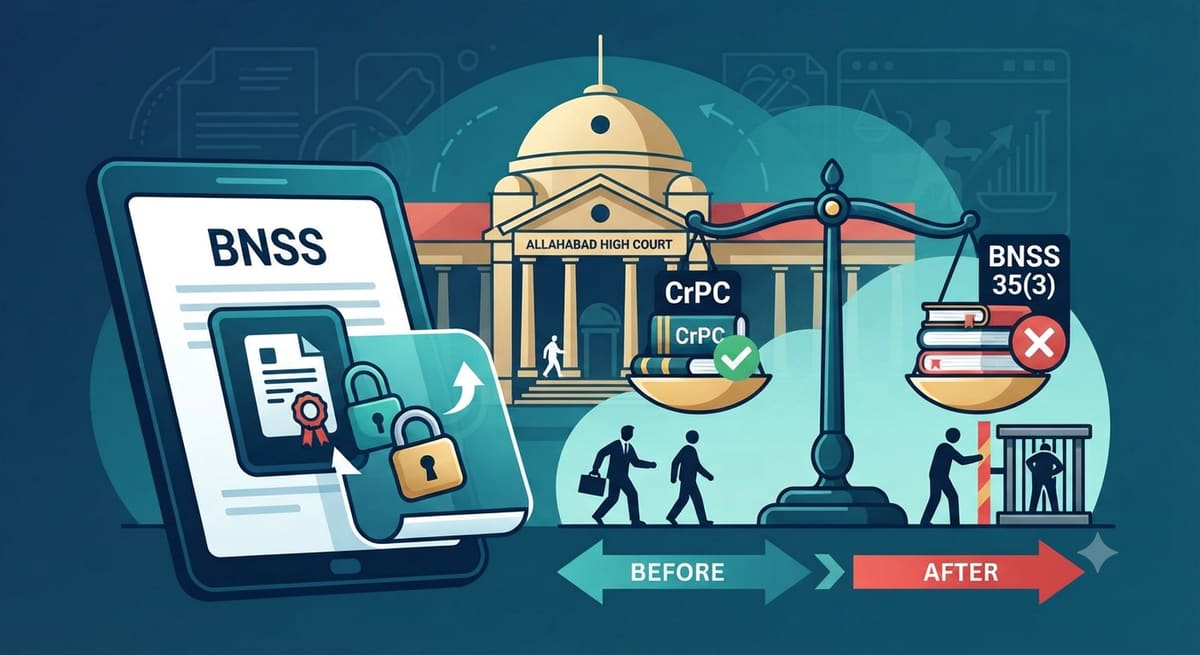
BNSS Section 35(3) | Mandatory Notice & Written Reasons Required Before Arrest in Offences Below 7 Years : Telangana HC Reaffirms Arnesh Kumar Safeguards
Case Law Analysis
|Telangana High Court

BNSS Section 35(3) | Mandatory Notice & Written Reasons Required Before Arrest in Offences Below 7 Years : Telangana HC Reaffirms Arnesh Kumar Safeguards

Telangana High Court rules that police must issue a notice and record written reasons before arresting accused in offences punishable by less than seven years under BNSS Section 35(3). The judgment reinforces that arrest is not automatic even during investigation, aligning with the Arnesh Kumar principles to prevent arbitrary detention and uphold due process for non-bailable offences.