The Himachal Pradesh High Court has unequivocally held that a Gram Panchayat lacks jurisdiction to adjudicate disputes concerning access paths on privately owned land, rendering any such order a nullity. This judgment clarifies the limits of quasi-judicial powers vested in local bodies under the Himachal Pradesh Panchayati Raj Act, 1994, and invalidates execution proceedings based on ultra vires orders.
Background & Facts
The Dispute
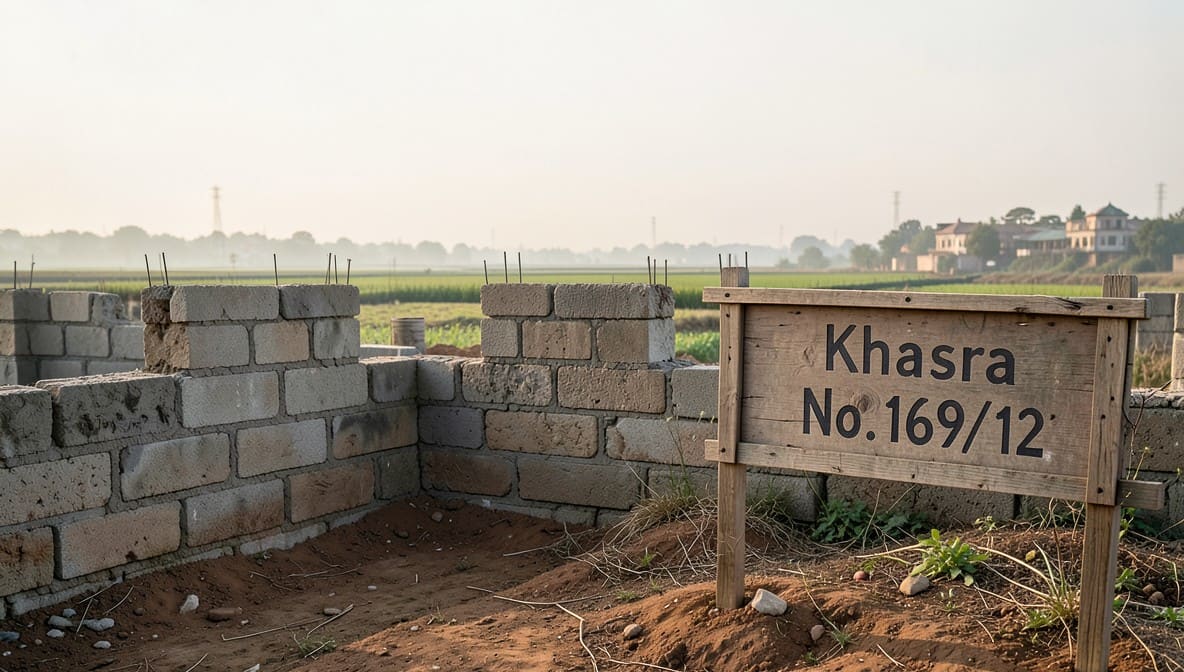
The respondent, Braham Lal, filed a complaint against the petitioner, Amar Chand, and his mother, Smt. Banti Devi, alleging obstruction of a path on the petitioner’s private land in Village Kandraur Ghat, Bilaspur. The respondent claimed the path was used by the general public and sought its restoration. The Gram Panchayat Kandaraur initially took up the matter but transferred the inquiry to Gram Panchayat Kuddi upon the petitioner’s objection.
Key Facts
- The disputed path lies entirely on land owned by the petitioner, Amar Chand.
- Gram Panchayat Kuddi passed an order on 13.01.2015 directing the petitioner to open the path for public use and imposing a fine for obstruction.
- The petitioner was not given an opportunity to present evidence or cross-examine witnesses prior to the order.
- No issues were framed, and no formal evidence was recorded by the Gram Panchayat.
- The petitioner’s mother, Smt. Banti Devi, died on 21.10.2015, but the execution proceedings continued against her name.
- The respondent filed an application under Section 71 of the Himachal Pradesh Panchayati Raj Act, 1994, seeking execution of the Gram Panchayat’s order.
- The executing Civil Judge, Bilaspur, issued a warrant of attachment against the petitioner’s movable and immovable property and directed him to unblock the path.
Procedural History
- 13.01.2015: Gram Panchayat Kuddi passes order directing opening of path and imposing penalty for obstruction.
- 21.10.2015: Smt. Banti Devi, co-respondent, dies.
- 07.01.2020: Civil Judge, Bilaspur, issues warrant of attachment and direction to unblock path under Section 71 of the Panchayati Raj Act.
- 09.04.2026: Revision petition heard and reserved by the High Court.
- 27.04.2026: Judgment delivered setting aside the execution order.
The Parties' Positions
For the Petitioner: Argued that the Gram Panchayat had no jurisdiction to adjudicate a dispute over private land, that the order was passed without evidence or hearing, and that execution proceedings against a deceased person without invoking Section 50 CPC are invalid.
For the Respondent: Contended that the Gram Panchayat’s order was final under Section 68 of the Panchayati Raj Act and that the petitioner’s failure to appeal rendered the order enforceable.
Relief Sought
The petitioner sought quashing of the execution order dated 07.01.2020, setting aside the warrant of attachment, and declaration that the Gram Panchayat’s order of 13.01.2015 was void ab initio for want of jurisdiction.
The Legal Issue
The central question was whether a Gram Panchayat has jurisdiction under the Himachal Pradesh Panchayati Raj Act, 1994 to pass an order directing the opening of a path on privately owned land, and whether such an order, passed without evidence or hearing, can serve as the basis for civil execution proceedings.
Arguments Presented
For the Petitioner
The petitioner relied on Section 41 of the Himachal Pradesh Panchayati Raj Act, 1994, which limits Gram Panchayat jurisdiction to suits involving movable property, contracts not relating to immovable property, cattle trespass, or specific revenue matters under the Tenancy Act. He argued that a dispute over access to a path on private land falls outside these categories. He cited Pran Nath Kundu v. The King-Emperor to establish that a path on private land cannot be deemed public merely by usage. He further relied on Cicily Kallarackal v. Vehicle Factory and Jagmittar Sain Bhagat v. Director, Health Services, Haryana to argue that an order passed without jurisdiction is a nullity and can be challenged at any stage, even without prior appeal.
For the Respondent
The respondent contended that the Gram Panchayat’s order was final under Section 68 of the Act and that the petitioner’s failure to file an appeal under Section 67 within 30 days rendered the order enforceable. He argued that the executing court was merely implementing a valid decree and that the petitioner’s objections were belated and without merit.
The Court's Analysis
The Court undertook a detailed examination of Section 41 of the Himachal Pradesh Panchayati Raj Act, 1994, and found that none of the enumerated categories of suits - money due on contract, recovery of movable property, cattle trespass, or revenue matters under Section 58 of the Tenancy Act - encompassed a dispute over access to a path on private land. The Court emphasized that the Gram Panchayat’s jurisdiction is strictly statutory and cannot be expanded by implication.
"The Gram Panchayat had no jurisdiction to adjudicate the dispute in respect of the land of the petitioner. Such rights can only be adjudicated by a Civil Court and such rights cannot be determined in a summary proceeding."
The Court further noted that the order was passed without framing issues, recording evidence, or affording the petitioner a fair hearing, violating the principles of natural justice. The fact that the order was not appealed did not cure the jurisdictional defect. Citing Jagmittar Sain Bhagat, the Court held that a decree passed without jurisdiction is a coram non judice and amounts to a nullity, which can be challenged at any stage.
"The law does not permit any Court/Tribunal/Authority to usurp jurisdiction on any ground whatsoever in case such an authority does not have jurisdiction on the subject matter."
The Court also rejected the respondent’s argument that the execution court was bound to enforce the order, noting that a court cannot execute a nullity. The attachment of property based on such an order was therefore illegal. The Court further observed that continuation of proceedings against a deceased person without invoking Section 50 CPC compounded the illegality.
The Verdict
The petitioner succeeded. The Court quashed and set aside the order dated 07.01.2020 passed by the Civil Judge, Bilaspur, directing attachment of movable and immovable property and unblocking of the path. All pending applications arising from the execution proceedings stand disposed of. The Gram Panchayat’s order dated 13.01.2015 is declared void ab initio for want of jurisdiction.
What This Means For Similar Cases
Gram Panchayat Orders on Private Land Are Nullities
- Practitioners must challenge any Gram Panchayat order affecting private land rights as void for want of jurisdiction, regardless of whether an appeal was filed.
- Execution proceedings based on such orders are illegal and can be quashed under Article 226 or Section 115 CPC.
Civil Courts Retain Exclusive Jurisdiction Over Land Access Disputes
- Disputes concerning right of way, easement, or obstruction on private land must be adjudicated by Civil Courts under the Indian Easements Act, 1882, or the Specific Relief Act, 1963.
- Gram Panchayats cannot assume jurisdiction by default, even if the dispute involves public usage.
Procedural Compliance Is Non-Negotiable
-
Any quasi-judicial order must be preceded by proper notice, opportunity of hearing, and recording of evidence.
-
Failure to comply with procedural safeguards renders the order vulnerable to challenge on grounds of natural justice, even if jurisdiction is otherwise present.
-
Always verify the statutory jurisdiction of local bodies before relying on their orders in litigation.
-
Do not assume finality of Gram Panchayat orders - always examine whether the subject matter falls within Section 41 of the Panchayati Raj Act.
-
In execution proceedings, verify whether the underlying order was passed against a deceased person without invoking Section 50 CPC.