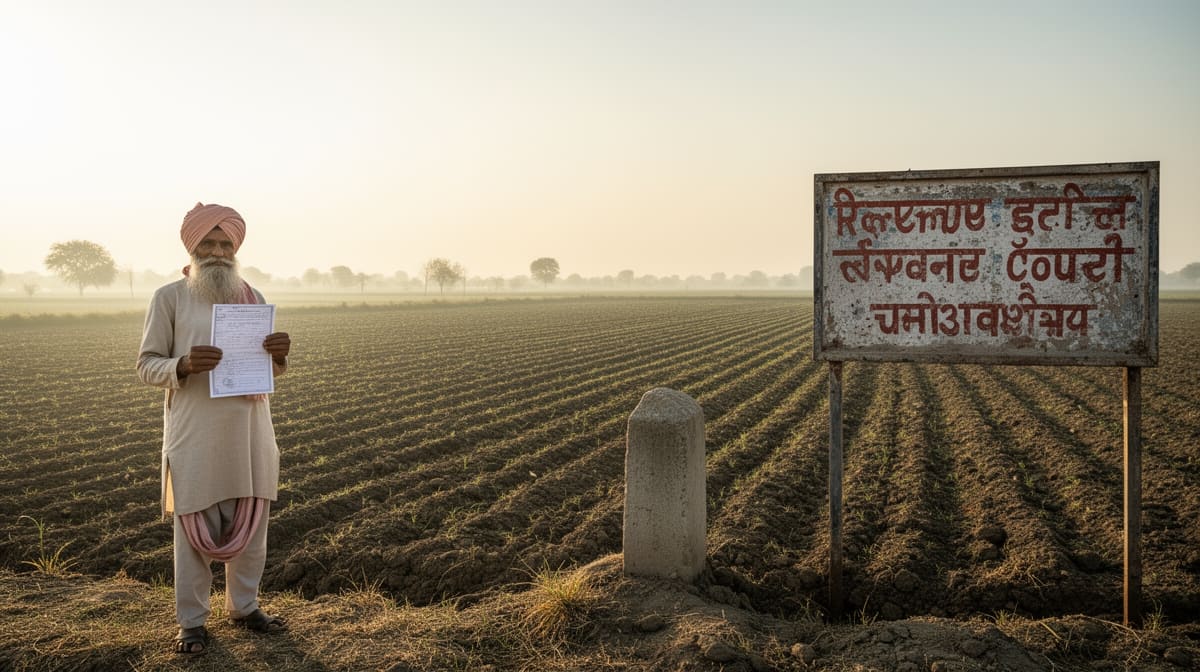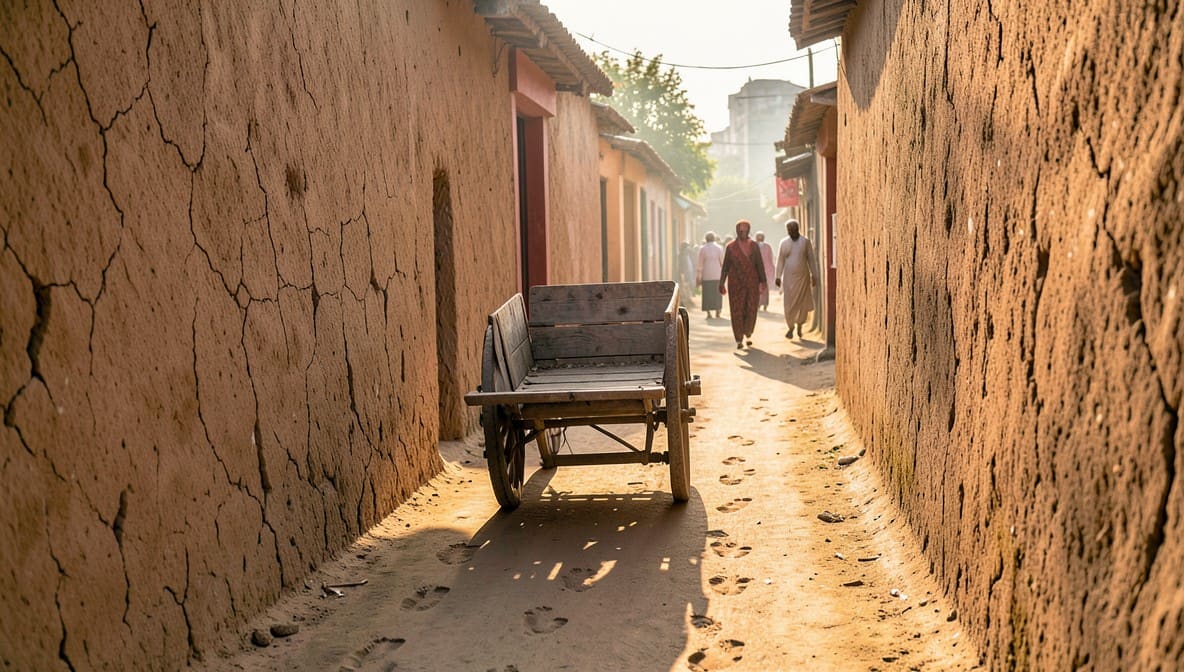
The Punjab & Haryana High Court has clarified that civil courts retain jurisdiction to adjudicate private disputes concerning obstruction of village common passages, even when the land is classified as shamlat deh under the Punjab Village Common Lands (Regulation) Act, 1961. This ruling reinforces the distinction between ownership disputes and civil remedies for nuisance or encroachment.
Background & Facts
The Dispute
The respondents, as plaintiffs, filed a civil suit seeking a decree of mandatory injunction to remove alleged encroachment and a permanent injunction to prevent further obstruction of a village common passage. They asserted that the passage, described as a "gair mumkin" passage, was reserved for the common use and enjoyment of villagers and formed part of shamlat deh land. The petitioners, as defendants, contested the suit and filed an application under Order VII Rule 10 of the Code of Civil Procedure, 1908, seeking return of the plaint on the ground that the Civil Court lacked jurisdiction due to the bar under Section 13 of the Punjab Village Common Lands (Regulation) Act, 1961.
Key Facts
- The suit property is described as a "gair mumkin" passage on shamlat deh land, owned by the mustarka malkaan hasad rasad khewat.
- The plaintiffs did not dispute the classification of the land as shamlat deh.
- The defendants did not deny the passage’s character as a common village route but claimed no encroachment had occurred.
- The dispute is confined to the physical obstruction of the passage, not to title, ownership, or validity of any order by the Panchayat.
- No challenge was made to any order passed by a revenue authority under the Punjab Village Common Lands (Regulation) Act, 1961.
Procedural History
- Date of filing of suit: Not specified in judgment, but application under Order VII Rule 10 CPC filed prior to 29.09.2025.
- 29.09.2025: Civil Judge (Junior Division), Mukerian, dismissed the application under Order VII Rule 10 CPC, holding that the Civil Court had jurisdiction.
- 23.03.2026: Civil Revision Petition filed before the Punjab & Haryana High Court challenging the dismissal order.
The Parties' Positions
For the Petitioners (Defendants):
- Argued that the suit property is shamlat deh land.
- Relied on Section 13 of the Punjab Village Common Lands (Regulation) Act, 1961, which bars civil courts from adjudicating questions relating to shamlat nature of land.
- Cited Bhim Singh v. Gram Panchayat of Village Kharkheri (1983 AIR (Punjab) 415) to assert that any dispute touching upon shamlat land is exclusively within the domain of revenue authorities.
For the Respondents (Plaintiffs):
- Contended that the suit is not about ownership or title but about removal of obstruction from a common passage.
- Emphasized that the relief sought is purely civil - mandatory and permanent injunctions against private parties.
- Relied on Mir Singh v. Sajjan Singh (RSA-227-1998), Mohd. Ashraf v. Mohd. Razak (CR-5096-2024), and Jai Parkash v. Ram Narain (RSA-1666-2007) to establish that civil courts can entertain suits for removal of obstruction even on shamlat land.
Relief Sought
The petitioners sought return of the plaint under Order VII Rule 10 CPC, arguing that the Civil Court had no jurisdiction. The respondents sought continuation of the suit and dismissal of the application for return of plaint.
The Legal Issue
Can a Civil Court entertain a suit for mandatory and permanent injunction against private parties for removal of obstruction from a village common passage, when the land is classified as shamlat deh under the Punjab Village Common Lands (Regulation) Act, 1961?
Arguments Presented
For the Petitioner
The petitioners contended that Section 13 of the Punjab Village Common Lands (Regulation) Act, 1961 expressly bars civil courts from adjudicating any question relating to whether land is shamlat deh or whether it vests in the Panchayat. They relied on Bhim Singh v. Gram Panchayat of Village Kharkheri, where this Court held that even appellate civil courts cannot determine the shamlat nature of land, as it would amount to indirect adjudication on a barred issue. They argued that any dispute over use of shamlat land, including obstruction, inherently involves the nature of the land and thus falls outside civil court jurisdiction.
For the Respondent
The respondents argued that the suit does not question the ownership, title, or classification of the land as shamlat deh. The dispute is limited to the physical obstruction of a passage used by villagers, which gives rise to a civil wrong actionable in tort. They cited Mir Singh v. Sajjan Singh, which held that civil suits for removal of obstruction from a passage are maintainable even if the passage lies on shamlat land, provided the relief sought does not challenge the Panchayat’s title. They further relied on Mohd. Ashraf v. Mohd. Razak, where the appointment of a Local Commissioner to inspect an alleged encroachment on a street was upheld, confirming civil court competence.
The Court's Analysis
The Court undertook a careful statutory interpretation of Section 13 of the Punjab Village Common Lands (Regulation) Act, 1961. It observed that the bar under Section 13 applies only to disputes concerning the "shamlat nature" of land, its vesting in the Panchayat, or the legality of orders passed by revenue authorities under the Act. The Court emphasized that the provision does not oust jurisdiction in cases where the dispute is purely between private parties over obstruction, nuisance, or encroachment.
"The present suit for mandatory injunction does not involve any challenge to the right, title, or interest of the Gram Panchayat in the suit property. Nor does it assail any order passed by a competent authority under the Punjab Village Common Lands (Regulation) Act, 1961, or pertain to any matter which falls within the exclusive domain of any authority empowered under the said Act."
The Court distinguished Bhim Singh on the ground that it dealt with a direct challenge to the classification of land as shamlat deh, whereas the present case involves no such challenge. The respondents admitted the land was shamlat deh; their grievance was solely about physical obstruction. The Court held that allowing civil courts to adjudicate such disputes does not undermine the Act’s scheme, as the revenue authorities retain exclusive jurisdiction over land classification and vesting.
The Court also affirmed the trial court’s reliance on Mir Singh and Mohd. Ashraf, noting that these precedents correctly drew the line between jurisdictional questions and civil remedies. The trial court’s decision to permit the suit to proceed was therefore legally sound.
The Verdict
The Civil Revision Petition was dismissed. The High Court upheld the order dated 29.09.2025 of the Civil Judge (Junior Division), Mukerian, which refused to return the plaint. The suit for mandatory and permanent injunction remains maintainable in the Civil Court. No costs were awarded.
What This Means For Similar Cases
Civil Courts Can Adjudicate Obstruction Claims on Shamlat Land
- Practitioners may now confidently file suits for mandatory injunctions against private parties obstructing common passages on shamlat deh land, provided the claim does not challenge land ownership or Panchayat authority.
- Applications under Order VII Rule 10 CPC seeking return of plaint on jurisdictional grounds will fail if the dispute is confined to nuisance or encroachment.
Statutory Bar Under Section 13 PVCL Act Is Narrow
- The bar under Section 13 applies only to questions of land classification, vesting, or validity of revenue orders - not to civil wrongs arising from physical interference.
- A party cannot invoke Section 13 to defeat a suit merely because the land is shamlat deh; the nature of the relief sought is decisive.
Precedents on Passage Disputes Are Binding
- Mir Singh v. Sajjan Singh and Mohd. Ashraf v. Mohd. Razak are now firmly established as controlling precedents for civil suits involving village passages.
- Courts may appoint Local Commissioners to inspect alleged encroachments on such passages without violating the PVCL Act.