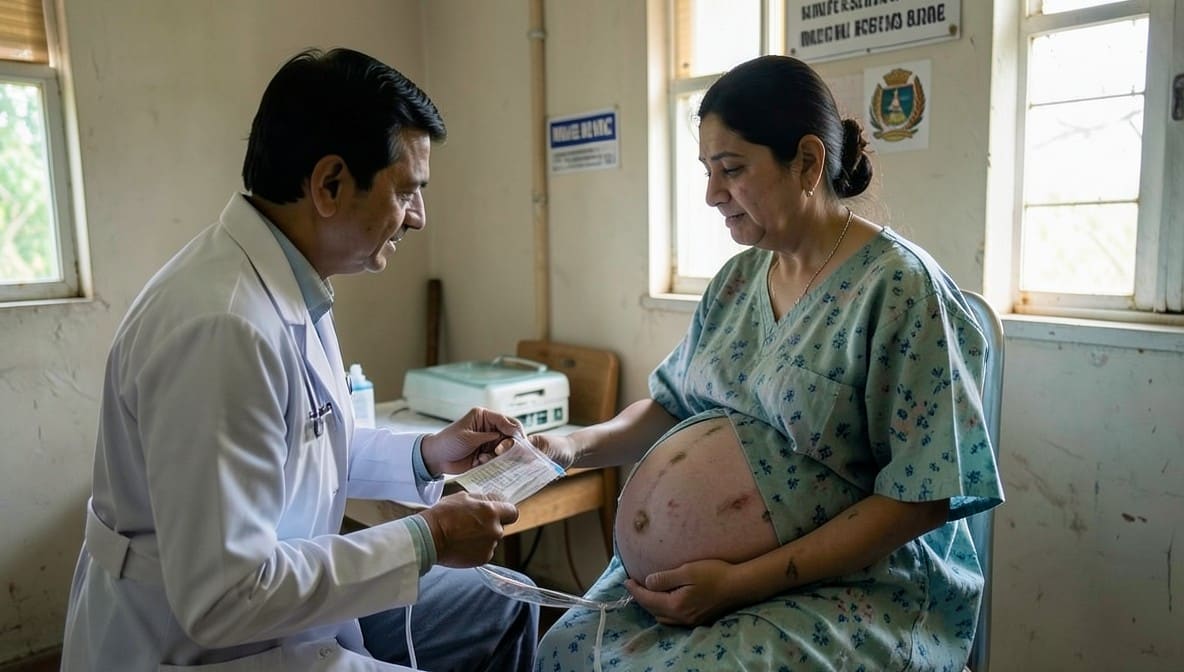
In a significant order balancing humanitarian concerns with criminal justice, the Madhya Pradesh High Court temporarily suspended the seven-year sentence of a woman convicted under Section 304(1) of the Indian Penal Code, granting her bail on grounds of pregnancy. The Court's decision underscores the judiciary's discretion to prioritize medical necessities in exceptional circumstances, even for serious offences.
Background & Facts
The Conviction
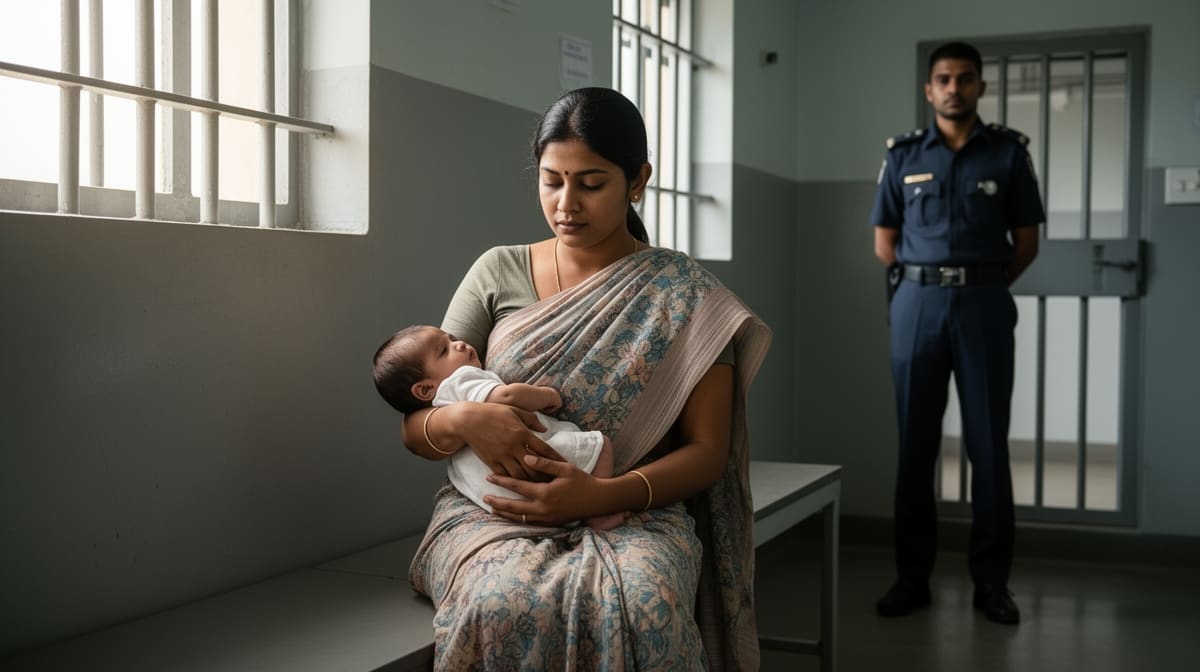
The appellant, Kajal Sankhwar, was convicted by the 19th Additional Sessions Judge, Gwalior, in S.T. No. 583/2023 for the following offences:
- Section 304(1) IPC: Sentenced to seven years' rigorous imprisonment (RI) with a fine of Rs. 5,000
- Section 328 IPC (two counts): Sentenced to three years' RI for each count, with a fine of Rs. 2,000 per count, along with default stipulations
The judgment of conviction and sentence was passed on 12.01.2026.
The Medical Grounds
The appellant filed I.A. No. 10661/2026, seeking temporary suspension of her sentence on the ground of pregnancy. Key facts supporting her plea included:
- The appellant was pregnant prior to her conviction
- She faced difficulties in receiving adequate medical treatment in the jail hospital
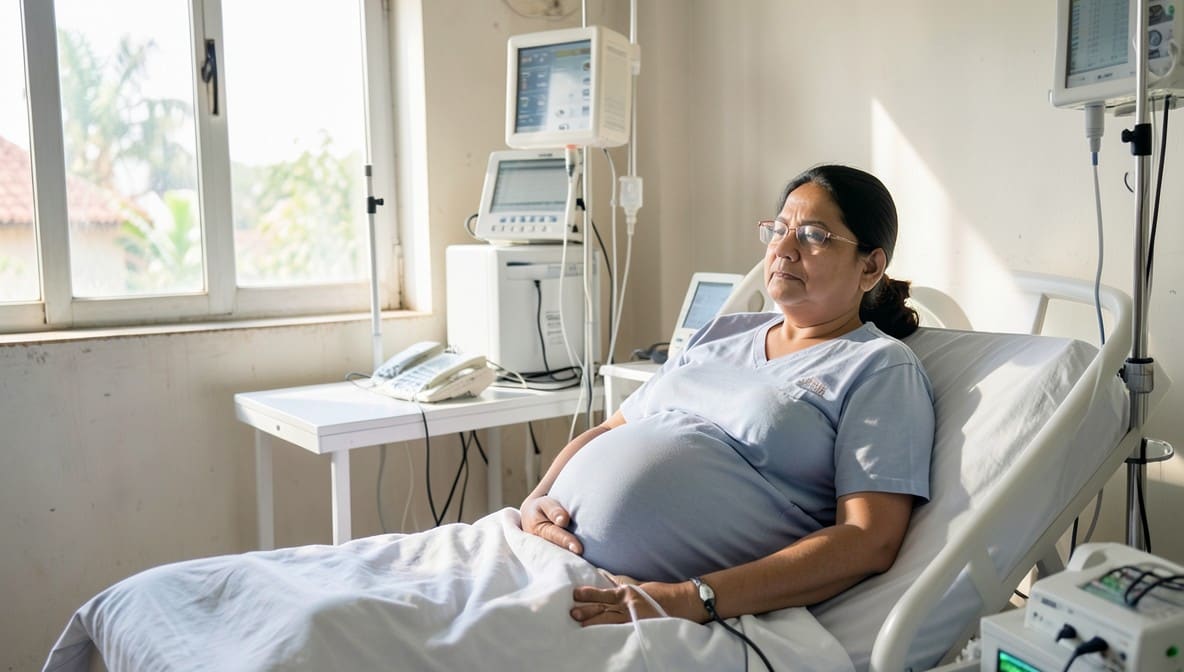
- A medical report dated 05.05.2026 from the jail doctor confirmed she was five months pregnant on that date
- She had been admitted to the jail hospital multiple times for treatment:
- 28.02.2026 to 06.03.2026
- 10.03.2026
- 09.04.2026
- 16.04.2026
- 24.04.2026
- The jail hospital lacked surgical facilities for childbirth, necessitating external medical care
Procedural History
- 12.01.2026: Conviction and sentence passed by the trial court
- I.A. No. 10661/2026: Application for temporary suspension of sentence filed before the High Court
- I.A. No. 10660/2026: Application for urgent hearing, disposed of alongside the main application
- 12.06.2026: High Court allowed the application for temporary suspension of sentence
Relief Sought
The appellant sought temporary suspension of her sentence for six months to enable her to receive requisite medical care during her pregnancy.
The Legal Issue
The central question before the Court was whether a convicted woman's pregnancy, coupled with inadequate medical facilities in jail, justified the temporary suspension of her sentence under Section 389 of the Code of Criminal Procedure (CrPC), even for serious offences like Section 304(1) IPC.
Arguments Presented
For the Appellant
- The appellant was pregnant and required continuous medical attention, which was not available in the jail hospital
- The jail hospital lacked surgical facilities for childbirth, posing a risk to the appellant and her unborn child
- The appellant's medical condition warranted temporary suspension of sentence to ensure her well-being
- Reliance was placed on humanitarian grounds and the judicial discretion under Section 389 CrPC to suspend sentences in exceptional circumstances
For the Respondent/State
- The State did not oppose the application, as the medical report confirmed the appellant's pregnancy
- The State acknowledged the inadequacy of medical facilities in the jail hospital for childbirth
The Court's Analysis
The Court examined the medical report and the appellant's repeated admissions to the jail hospital, which corroborated her claim of requiring continuous medical care. The Court noted:
"Looking to the fact that the surgical facilities for childbirth are unavailable in the jail hospital, as well as the fact that the appellant has required continuous medical treatment, this Court deems it appropriate to temporarily suspend the sentence of appellant for a period of four months."
The Court relied on the broad discretionary power under Section 389 CrPC, which allows appellate courts to suspend the execution of a sentence pending appeal. While Section 389 CrPC is typically invoked for bail during appeal, the Court extended its application to temporary suspension of sentence on humanitarian grounds, particularly in cases involving pregnant convicts.
The Court also considered the absence of opposition from the State, which further strengthened the appellant's plea. The decision aligns with judicial precedents where courts have prioritized medical and humanitarian concerns over the strict enforcement of sentences, especially for vulnerable individuals like pregnant women.
The Verdict
The Court allowed I.A. No. 10661/2026, granting the appellant temporary suspension of her sentence for four months. Key directions included:
- The appellant was required to furnish a bail bond of Rs. 50,000 along with one solvent surety of the like amount to the satisfaction of the trial court
- The sentence was suspended from the date of receipt of the certified copy of the order
- The appellant was directed to surrender before the trial court/remand court on or before 12.10.2026
- The Registry was directed to list the matter under "direction" if the appellant failed to comply with the surrender condition
- A copy of the order was to be sent to the trial court for compliance
What This Means For Similar Cases
Pregnancy as a Ground for Temporary Suspension of Sentence
- Courts may suspend sentences for pregnant convicts under Section 389 CrPC, even for serious offences, if medical facilities in jail are inadequate
- The absence of opposition from the State can strengthen such pleas, as it indicates official acknowledgment of the medical necessity
- Practitioners should highlight the lack of surgical/medical facilities in jail hospitals to justify temporary suspension
Judicial Discretion Under Section 389 CrPC
- Section 389 CrPC is not limited to bail during appeal but can also be used for temporary suspension of sentence in exceptional circumstances
- Courts may balance humanitarian concerns with the gravity of the offence, especially when the convict's health or life is at risk
- The duration of suspension may be tailored to the medical necessity (e.g., four months in this case)
Compliance and Surety Requirements
- Courts may impose strict conditions for temporary suspension, such as:
- Bail bonds with solvent sureties (e.g., Rs. 50,000 in this case)
- Surrender deadlines (e.g., on or before 12.10.2026)
- Compliance reporting to the trial court and the High Court
- Failure to comply with these conditions may result in re-listing of the matter and revocation of the suspension order