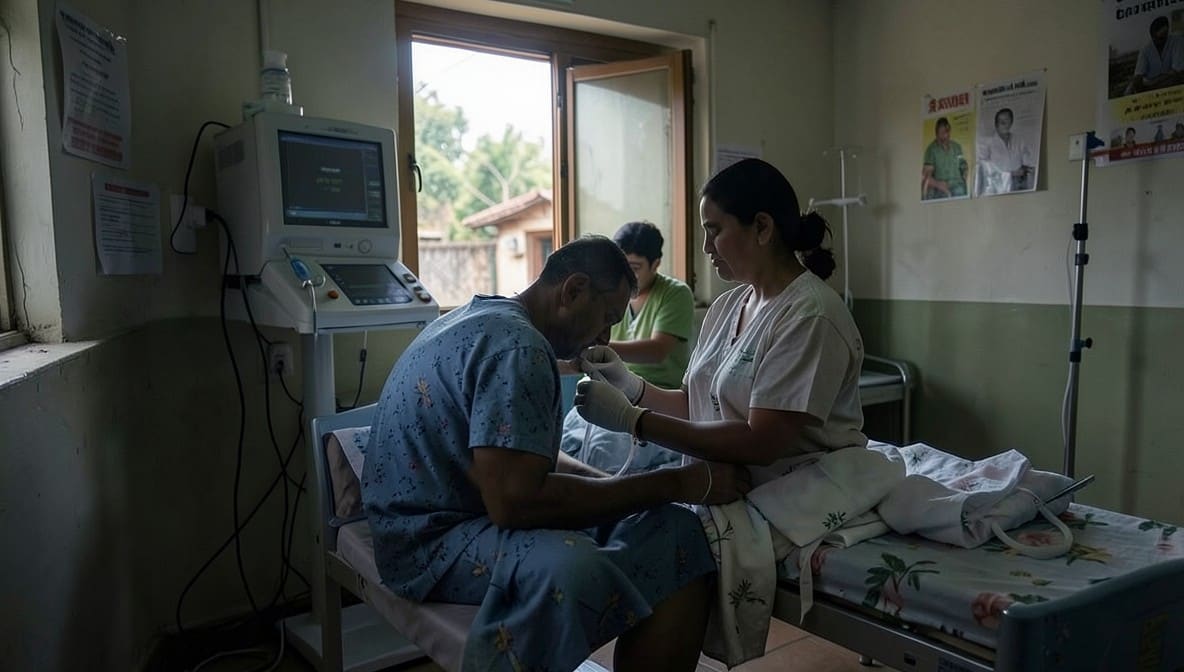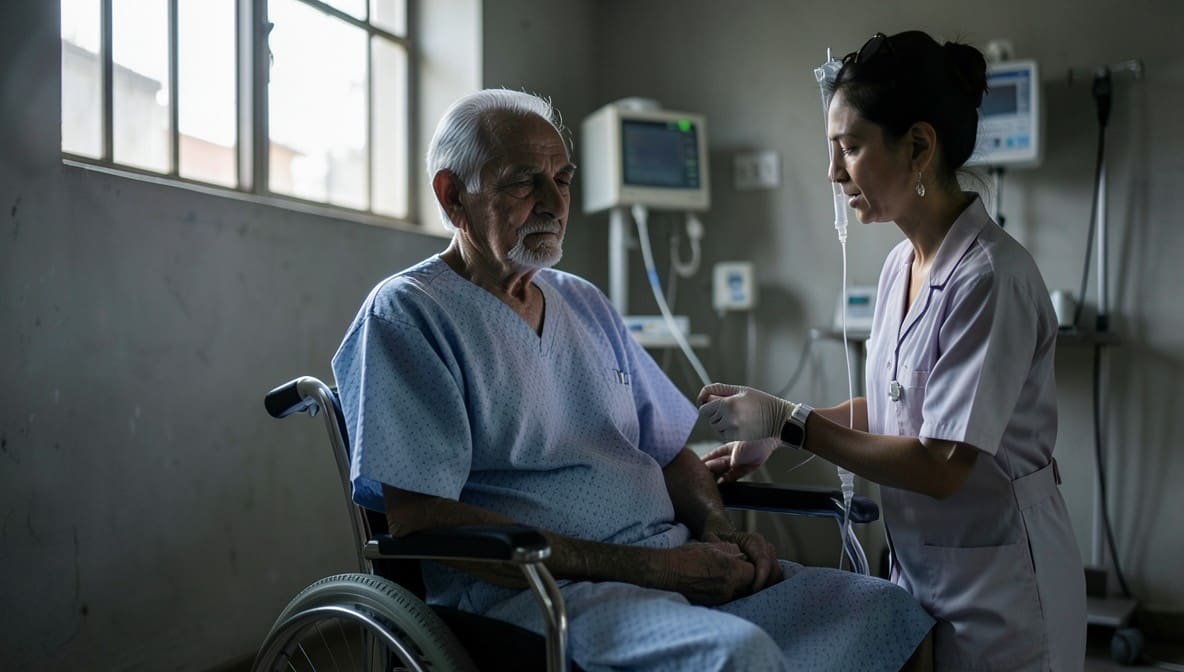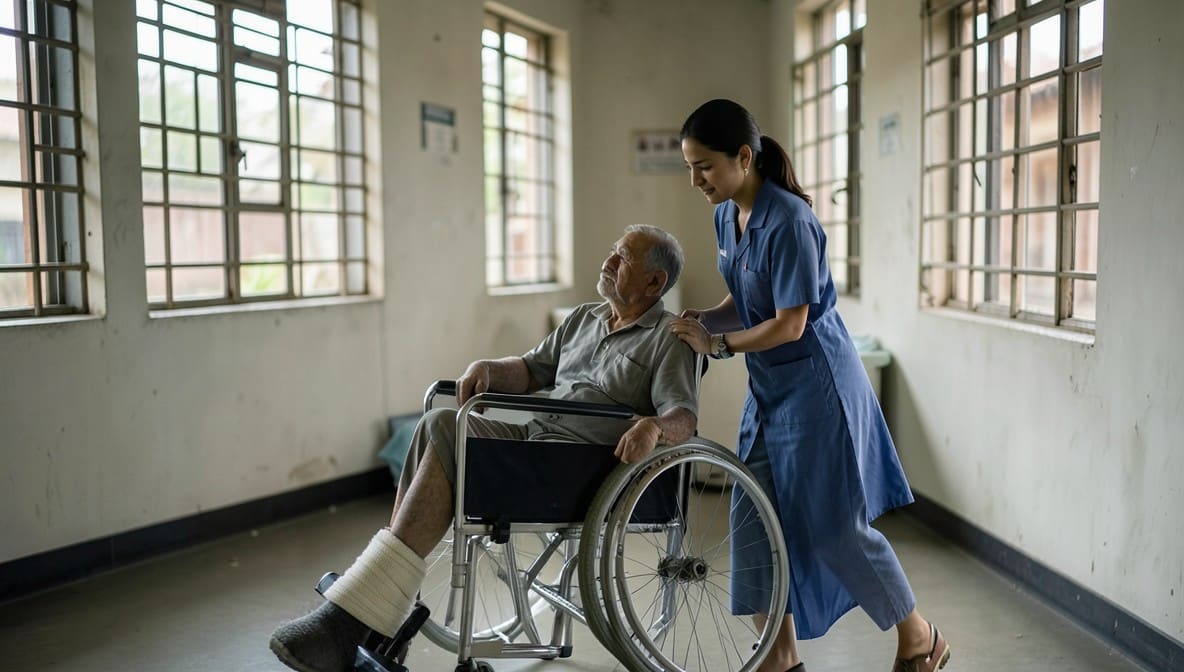
The Madhya Pradesh High Court has recognized that severe medical conditions, even in cases involving serious drug offences, may justify temporary suspension of sentence to ensure access to adequate care. In this instance, the Court granted bail to a convict suffering from a compound fracture, balancing penal consequences with humanitarian obligations under constitutional principles.
Background & Facts
The Dispute
The present appellant, Devansh Raghuwanshi, was convicted by the Special Judge (NDPS Act, 1985), Narsinghpur, in SC NDPS No. 40/2023 for an offence under Section 8 read with Section 20(b)(ii)(b) of the Narcotic Drugs and Psychotropic Substances Act, 1985. He was sentenced on 29.07.2025 to four years of rigorous imprisonment and a fine of Rs. 50,000, with a default stipulation.
Key Facts
- The appellant is suffering from a compound fracture of his right leg, a condition requiring specialized medical attention and immobilization
- His medical condition has reportedly deteriorated while in custody
- He is unable to receive adequate rehabilitation or physiotherapy within the jail infrastructure
- His counsel submitted that family supervision and home-based treatment are essential for recovery
- The State, through the Public Prosecutor, acknowledged the factual accuracy of the appellant’s medical condition
- The State also confirmed that while the jail authorities are providing regular treatment, it is insufficient for the nature of the injury
Procedural History
- 29.07.2025: Conviction and sentencing by Special Judge, Narsinghpur
- 12.05.2026: High Court issued an order directing the State to file a response on the appellant’s medical condition
- 15.06.2026: Application I.A. No. 6864/2026 filed before the High Court seeking temporary suspension of sentence and bail on medical grounds
- 15.06.2026: Hearing concluded with submission of medical status report by the State
Relief Sought
The appellant sought:
- Temporary suspension of his four-year rigorous imprisonment sentence
- Grant of bail for a period of two months to undergo treatment under family supervision
- Release subject to personal bond and surety
- Return to custody after the medical leave period
The Legal Issue
The central question was whether a convict serving a sentence under the NDPS Act may be granted temporary bail on medical grounds, even when the offence is serious, if the condition is severe, documented, and inadequately treatable in custody.
Arguments Presented
For the Appellant
The learned counsel argued that the compound fracture constitutes a serious medical emergency requiring surgical follow-up, physiotherapy, and rest - none of which can be adequately provided in jail. He relied on the principle that the right to health under Article 21 of the Constitution extends to prisoners and that denial of adequate medical care amounts to cruel and unusual punishment. He emphasized that the State itself had conceded the severity of the condition and that temporary release would not compromise public interest.
For the Respondent
The Public Prosecutor acknowledged the factual accuracy of the appellant’s medical condition but contended that the gravity of the offence under the NDPS Act militated against any relaxation of sentence. He submitted that the jail authorities were providing regular medical care and that granting bail could set a precedent undermining deterrence.
The Court's Analysis
The Court examined the nature of the injury and the State’s own admission regarding its severity. It noted that while the NDPS Act imposes strict penalties, it does not preclude judicial discretion in matters of personal liberty and health. The Court held that the right to life and personal dignity under Article 21 is not forfeited upon conviction and must be upheld even during incarceration.
"As the appellant is suffering from compound fracture, therefore, keeping in view the health status report submitted by the counsel for State, it appears just and proper to allow the application for grant of temporary suspension of sentence and grant of bail to the present appellant."
The Court distinguished this from cases involving routine medical complaints, noting that a compound fracture is a traumatic, non-routine injury requiring specialized care beyond the scope of prison medical facilities. It further observed that the State’s concession on the factual basis of the ailment removed any doubt regarding its legitimacy. The Court emphasized that temporary bail is not a commutation of sentence but a procedural accommodation to preserve life and health.
The Verdict
The application I.A. No. 6864/2026 was allowed. The appellant, Devansh Raghuwanshi, was granted temporary bail for a period of one month from the date of his release, subject to furnishing a personal bond of Rs. 50,000 with one solvent surety in the same amount, to be approved by the trial court. He is required to surrender before the trial court upon completion of one month to serve the remainder of his sentence. The trial court was directed to inform the High Court Registry of his surrender. Failure to surrender will result in immediate arrest and recommitment to jail.
What This Means For Similar Cases
Medical Emergency Overrides Rigidity of NDPS Sentencing
- Practitioners may now invoke Article 21 to seek temporary bail for convicts with severe, documented injuries or illnesses, even in drug cases
- The State’s acknowledgment of medical severity is a decisive factor - courts will not require independent medical reports if the prosecution concedes the condition
- Temporary bail under these circumstances does not imply leniency on the offence, but recognition of constitutional obligations
Temporary Bail Is Not a Sentence Commutation
- The Court made clear that bail is strictly time-bound and conditional
- Surrender is mandatory; failure triggers automatic arrest without fresh proceedings
- The personal bond amount (Rs. 50,000) mirrors the fine imposed, indicating proportionality
- This precedent supports applications for temporary release in cases involving fractures, dialysis, cancer treatment, or psychiatric emergencies
Procedural Clarity for Trial Courts
- Trial courts must now proactively monitor compliance with temporary bail orders
- Registry intimations to the High Court are mandatory and form part of the record
- This creates a clear audit trail for judicial accountability