Topic

Section 304 IPC

Section 304 IPC defines culpable homicide not amounting to murder under Indian criminal law, covering cases where death results from intentional acts without premeditated murder or from gross negligence.

16 articlesLatest August 2026
Unbroken Chain of Circumstantial Evidence & Proper Identification Required for Murder Conviction (Sec 302 IPC) | Delhi HC
Case Law Analysis
|Delhi High Court

Unbroken Chain of Circumstantial Evidence & Proper Identification Required for Murder Conviction (Sec 302 IPC) | Delhi HC

The Delhi High Court set aside murder convictions where the prosecution could not prove a continuous chain of circumstantial evidence or correctly identify the accused, reducing some to culpable homicide. This ruling stresses that without an unbroken evidentiary link and reliable identification, a murder charge cannot be sustained, impacting pending murder appeals.


Single Blow in Sudden Quarrel | Section 302 IPC Downgraded to Section 304 Part-II IPC : Allahabad HC Clarifies Intent vs Knowledge
Case Law Analysis
|Allahabad High Court

Single Blow in Sudden Quarrel | Section 302 IPC Downgraded to Section 304 Part-II IPC : Allahabad HC Clarifies Intent vs Knowledge

Allahabad High Court reduces conviction from murder to culpable homicide where a single blow was struck in a sudden quarrel without premeditation, emphasizing the distinction between intent and knowledge. The ruling sets guidelines for evaluating hostile witness testimony and mandates victim compensation under Section 357 CrPC, offering critical precedent for similar cases.

Section 389 CrPC | Temporary Bail for Pregnant Convict Due to Inadequate Jail Medical Facilities : MP HC
Case Law Analysis
|Madhya Pradesh High Court

Section 389 CrPC | Temporary Bail for Pregnant Convict Due to Inadequate Jail Medical Facilities : MP HC

The Madhya Pradesh High Court suspended a seven-year sentence for a pregnant woman convicted under Section 304(1) IPC, granting four months of temporary bail because jail hospitals lack surgical infrastructure for childbirth and continuous care. This ruling reinforces that humanitarian grounds rooted in constitutional rights under Article 21 can override punitive timelines when state facilities fail to meet basic medical needs during pregnancy.

Section 304A IPC | Conviction Impermissible When Charge Was Only for Section 304 IPC Due to Divergent Mens Rea : HP HC
Case Law Analysis
|Himachal Pradesh High Court

Section 304A IPC | Conviction Impermissible When Charge Was Only for Section 304 IPC Due to Divergent Mens Rea : HP HC

The Himachal Pradesh High Court held that convicting an accused under Section 304A IPC for an act charged under Section 304 IPC violates procedural fairness, as the two offences require fundamentally different mental states-culpable homicide versus negligence. This ruling reinforces that charge framing is not a mere formality but a constitutional safeguard ensuring fair trial rights under CrPC.

Section 302 vs 304 IPC | Heat of Passion Without Premeditation Reduces Murder to Culpable Homicide : Allahabad HC
Case Law Analysis
|Allahabad High Court

Section 302 vs 304 IPC | Heat of Passion Without Premeditation Reduces Murder to Culpable Homicide : Allahabad HC

Allahabad High Court modifies a murder conviction under Section 302 IPC to Section 304 Part II IPC, ruling that the accused's act-though brutal-lacked premeditated intent and arose from sudden provocation. The judgment reinforces the critical distinction between murder and culpable homicide based on mens rea, affecting sentencing outcomes in similar cases involving impulsive violence.

SC/ST Act Bail Denial | Trial Delay Not Attributable to Court Does Not Entitle Accused to Bail When Criminal Antecedents Exist : Allahabad HC
Case Law Analysis
|Allahabad High Court

SC/ST Act Bail Denial | Trial Delay Not Attributable to Court Does Not Entitle Accused to Bail When Criminal Antecedents Exist : Allahabad HC

The Allahabad High Court denied bail to a repeat offender under the SC/ST Act despite claims of trial stagnation, holding that unexplained prior convictions and obstruction of discharge proceedings outweigh procedural delays not caused by the court. This reinforces that criminal history and conduct can override Article 21 arguments in bail applications under stringent statutes.

Section 304 IPC | Bail Granted Due to Material Contradictions in Prosecution Evidence and Prolonged Pre-Trial Custody: MP HC
Case Law Analysis
|Madhya Pradesh High Court

Section 304 IPC | Bail Granted Due to Material Contradictions in Prosecution Evidence and Prolonged Pre-Trial Custody: MP HC

Madhya Pradesh High Court suspends a 10-year sentence under Section 304 IPC, emphasizing material contradictions in prosecution witness depositions and 22 months of pre-trial custody as grounds for bail. The ruling underscores the court's discretion to grant bail pending appeal where evidence reliability is seriously doubted, even in serious offences.

Section 304 Part II IPC | Gross Negligence in School Transport Causing Deaths Constitutes Culpable Homicide: MP HC Upholds Conviction
Case Law Analysis
|Madhya Pradesh High Court

Section 304 Part II IPC | Gross Negligence in School Transport Causing Deaths Constitutes Culpable Homicide: MP HC Upholds Conviction

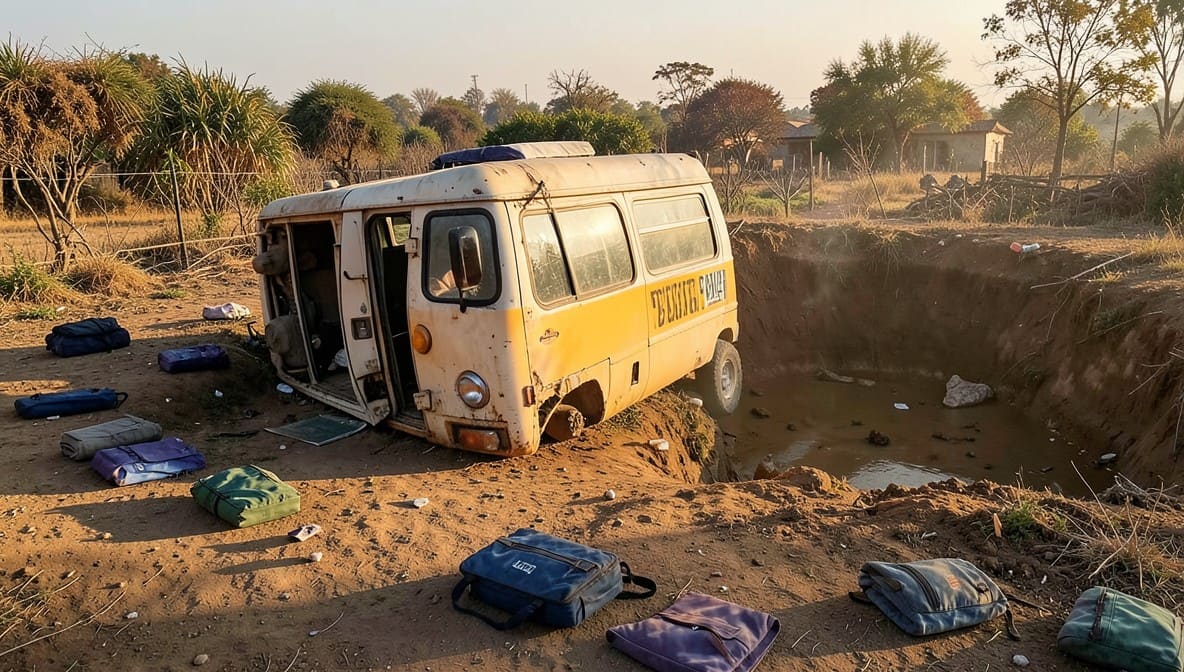
The Madhya Pradesh High Court ruled that overloading a school van with 22 children in a 7-seater and driving with earphones, leading to three deaths, amounts to culpable homicide under Section 304 Part II IPC. The judgment underscores that reckless vehicular negligence resulting in fatalities attracts criminal liability, setting a precedent for school transport safety and vehicular manslaughter cases.

Dying Declaration Sufficient for Conviction Despite Identity Dispute in Burn Murder Case | Allahabad HC Upholds Life Sentence Under Section 304 IPC
Case Law Analysis
|Allahabad High Court

Dying Declaration Sufficient for Conviction Despite Identity Dispute in Burn Murder Case | Allahabad HC Upholds Life Sentence Under Section 304 IPC

The Allahabad High Court upheld a life sentence based solely on a dying declaration where the victim identified her attacker as Ashiq alias Ashish, rejecting the defence of mistaken identity. This reinforces that a credible dying declaration, even without corroboration, can sustain a conviction for murder by burning - setting a critical precedent for cases involving severe burn injuries and disputed identity.

Section 483 BNSS | Gravity of Triple Fatality in Roof-Travel Bus Accident Justifies Bail Denial at Pre-Framing Stage : Punjab & Haryana HC
Case Law Analysis
|Punjab and Haryana High Court

Section 483 BNSS | Gravity of Triple Fatality in Roof-Travel Bus Accident Justifies Bail Denial at Pre-Framing Stage : Punjab & Haryana HC

The Punjab & Haryana High Court denied regular bail to a bus operator whose negligence led to three deaths when passengers were allowed to ride on the roof, holding that the extreme gravity of the offense and the nascent stage of trial outweigh custody duration and unframed charges. This sets a precedent that fatal public safety violations, even without formal framing, can justify pre-trial detention under BNSS bail jurisprudence.

Section 304 Part II IPC | Alcohol-Fueled Domestic Quarrel Lacks Murderous Intent: Telangana HC Downgrades Conviction from Section 302
Case Law Analysis
|Telangana High Court

Section 304 Part II IPC | Alcohol-Fueled Domestic Quarrel Lacks Murderous Intent: Telangana HC Downgrades Conviction from Section 302

Telangana High Court rules that an impulsive killing during a drunken domestic quarrel lacks the premeditation or intention required for murder under Section 302 IPC, reclassifying it as culpable homicide under Section 304 Part II. The judgment reinforces that mens rea must be proven beyond reasonable doubt, even where death was likely.