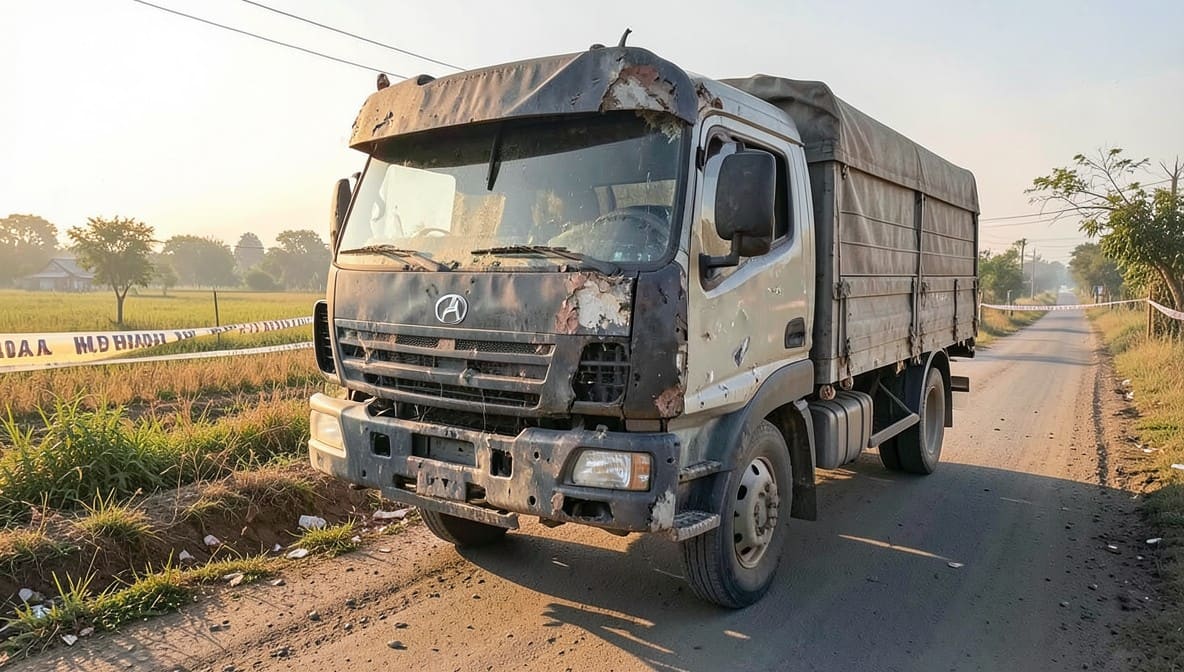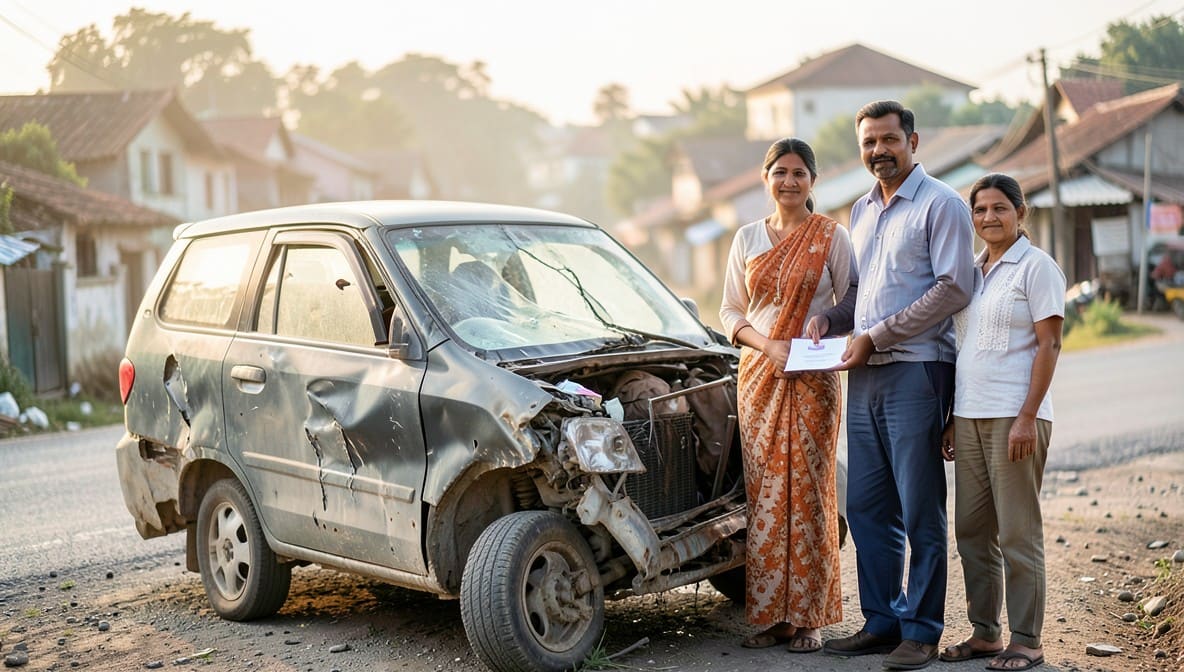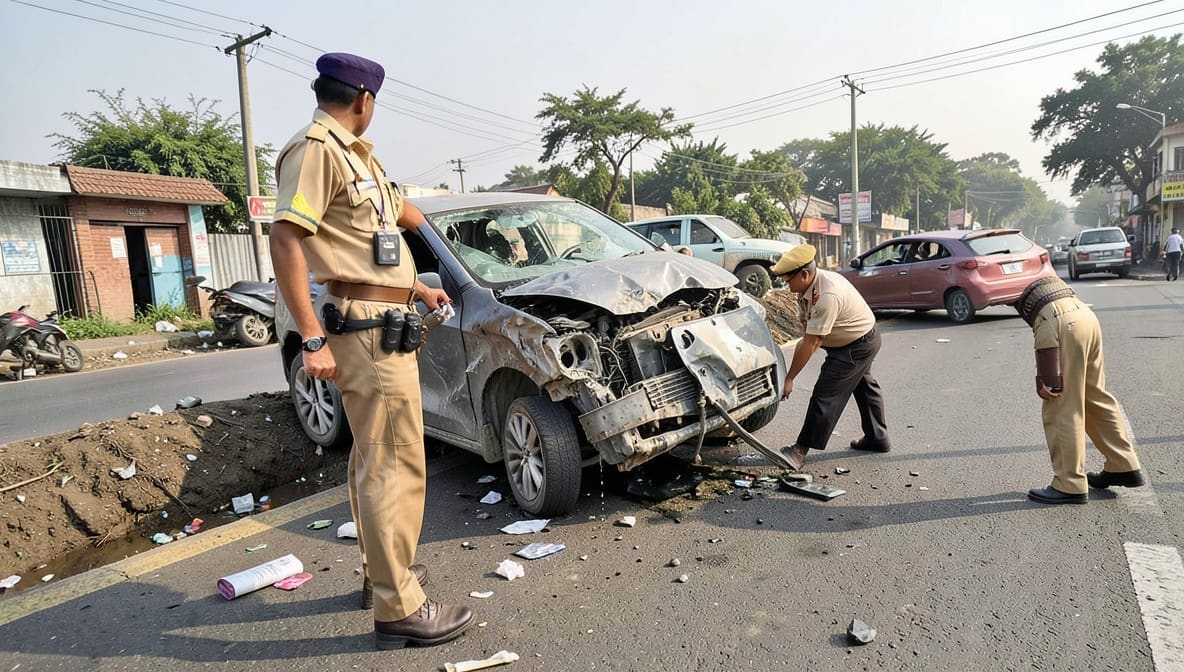
The Madhya Pradesh High Court has reaffirmed that insurers cannot evade liability under the Motor Vehicles Act merely by alleging policy breaches without adducing credible evidence. In this case, the court upheld the Claims Tribunal’s award of compensation, emphasizing that the burden of proving breach lies squarely with the insurer.
Background & Facts
The Dispute
The dispute arose from a fatal motor accident involving a vehicle insured with United India Insurance Co. Ltd. The deceased, Atul Sharma, was killed in the accident, prompting his legal heirs - Smt. Mithlesh and others - to file a claim petition before the Motor Accident Claims Tribunal, Gwalior, seeking compensation.
Key Facts
- The accident occurred on an unspecified date prior to the filing of the claim petition in 2019
- The claim petition was filed in Claim Case No. 603/2019 before the I Motor Accident Claims Tribunal, Gwalior
- The Claims Tribunal found the driver of the offending vehicle negligent and held the insurer liable
- The Tribunal awarded compensation of Rs. 10,48,460/- to the claimants, with interest from the date of filing of the claim petition until realization
- The appellant-insurer challenged the award on the ground that the vehicle involved did not possess a valid fitness certificate at the time of the accident
- No documentary evidence, such as a copy of the expired or invalid fitness certificate, was produced by the insurer during the tribunal proceedings
- The insurer did not call any witness or submit any official record to substantiate its claim of breach
Procedural History
- Date of accident: Not specified in judgment, but occurred prior to filing of claim petition in 2019
- 2019: Claim petition filed before I Motor Accident Claims Tribunal, Gwalior (Claim Case No. 603/2019)
- 05.01.2022: Claims Tribunal awarded Rs. 10,48,460/- with interest from date of filing
- 2022: Appellant filed Misc. Appeal No. 1235 of 2022 before the High Court of Madhya Pradesh at Gwalior under Section 173(1) of the Motor Vehicles Act, 1988
- 06.05.2026: Hearing before Justice Hirdesh; application under Order XLI Rule 22 CPC dismissed as not pressed
Relief Sought
The appellant sought to set aside the award of Rs. 10,48,460/- and be exonerated from liability on the ground that the vehicle lacked a valid fitness certificate, thereby violating the insurance policy terms. The claimants sought dismissal of the appeal and confirmation of the Tribunal’s award.
The Legal Issue
The central question was whether an insurer can be exonerated from liability under the Motor Vehicles Act merely by alleging that the insured vehicle lacked a valid fitness certificate at the time of the accident, without adducing any credible evidence to substantiate that allegation.
Arguments Presented
For the Appellant
The appellant contended that the vehicle involved in the accident did not possess a valid fitness certificate at the time of the incident, which constituted a breach of the insurance policy’s terms and conditions. It argued that such a breach absolves the insurer of liability under the policy and under Section 147 of the Motor Vehicles Act, 1988. The insurer relied on the general presumption that a vehicle without a valid fitness certificate is not roadworthy and therefore not covered under the policy.
For the Respondent
The claimant’s counsel argued that the insurer failed to discharge its burden of proof. No documentary evidence, such as a copy of the fitness certificate, inspection records, or official verification, was produced to establish the alleged breach. The claimant relied on the Tribunal’s findings, which were based on the available record and the insurer’s failure to rebut the presumption of valid insurance coverage.
The Court's Analysis
The Court emphasized that the burden of proving a breach of policy terms lies with the insurer. Mere assertion without evidence is insufficient to defeat a claim under the Motor Vehicles Act. The Court noted that the insurer did not produce any official record, inspection report, or certificate from the Regional Transport Office to prove the absence of a valid fitness certificate. The Court observed that the insurer’s reliance on a general allegation, without supporting documentation, amounted to a failure to meet the standard of proof required in civil and insurance matters.
"Upon perusal of record it is found that the appellant/Insurance Company has not adduced any cogent and reliable evidence to establish that, at the time of the accident, the offending vehicle did not possess a valid fitness certificate. In the absence of any substantial evidence, the appellant has failed to prove breach of the terms and conditions of the insurance policy on the part of the owner and driver of the offending vehicle."
The Court further held that the Claims Tribunal’s findings were based on the evidence on record and were neither perverse nor illegal. The absence of any challenge to the findings on negligence or causation meant those findings stood unassailed. The Court concluded that the insurer’s appeal was devoid of merit and could not succeed on speculative grounds.
The Verdict
The appeal was dismissed. The High Court affirmed the award of Rs. 10,48,460/- passed by the Claims Tribunal on 05.01.2022, with interest from the date of filing of the claim petition until realization. No costs were awarded. The insurer remains liable for the full compensation amount.
What This Means For Similar Cases
Burden of Proof Rests with the Insurer
- Practitioners must ensure insurers produce concrete, admissible evidence - such as RTO records, inspection logs, or certified copies of fitness certificates - to prove policy breaches
- Mere oral assertions or generic allegations of non-compliance will not suffice
- Courts will not infer breach from silence or absence of proof
Policy Exclusions Require Documentary Substantiation
- Any exclusion clause in an insurance policy (e.g., invalid fitness, expired permit) must be proven with official documentation
- Claimants may successfully resist exclusion pleas by highlighting the insurer’s failure to discharge its evidentiary burden
- This judgment reinforces the principle that insurance coverage is presumed valid unless affirmatively and substantively challenged
Strategic Implications for Claimants
- In motor accident claims, claimants should request the insurer to produce all relevant documents during tribunal proceedings
- Where the insurer fails to produce evidence, claimants should formally submit a prayer for adverse inference under Section 114 of the Indian Evidence Act
- This precedent strengthens the position of claimants in cases where insurers raise technical defenses without evidentiary support