The Bombay High Court has clarified that an insurance company cannot be held liable for a motor accident claim unless the Tribunal explicitly addresses and disposes of a specific plea in the written statement denying coverage of the offending vehicle. This ruling reinforces the foundational principle that liability cannot be imposed without adjudication of a material defence.
Background & Facts
The Dispute
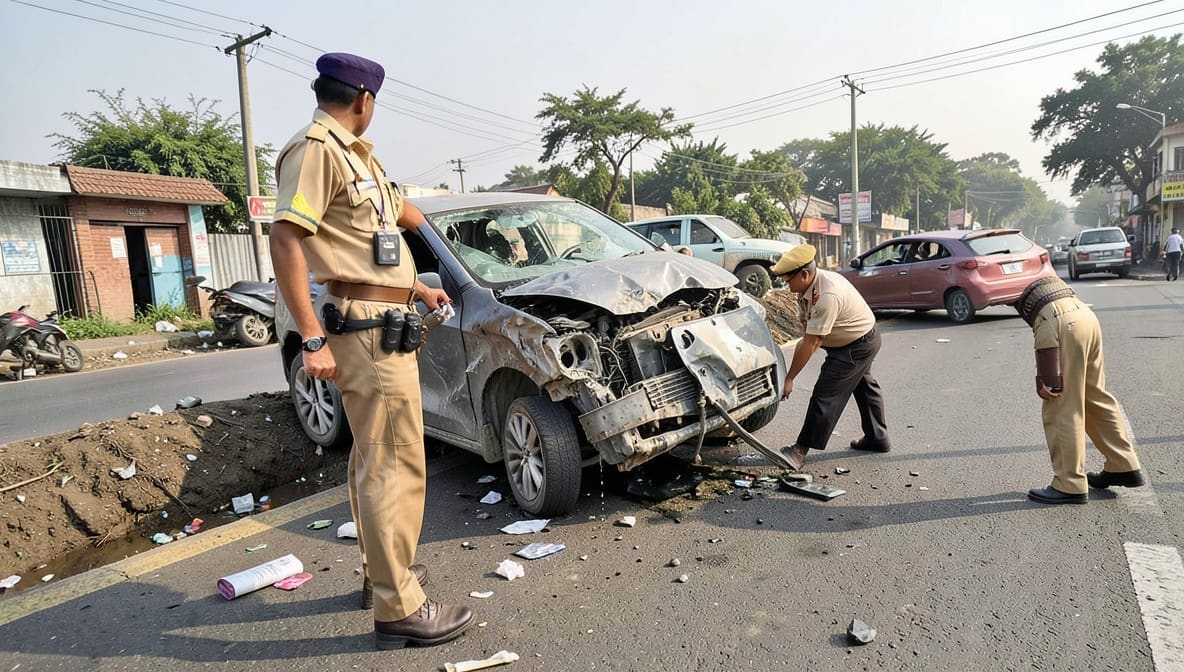
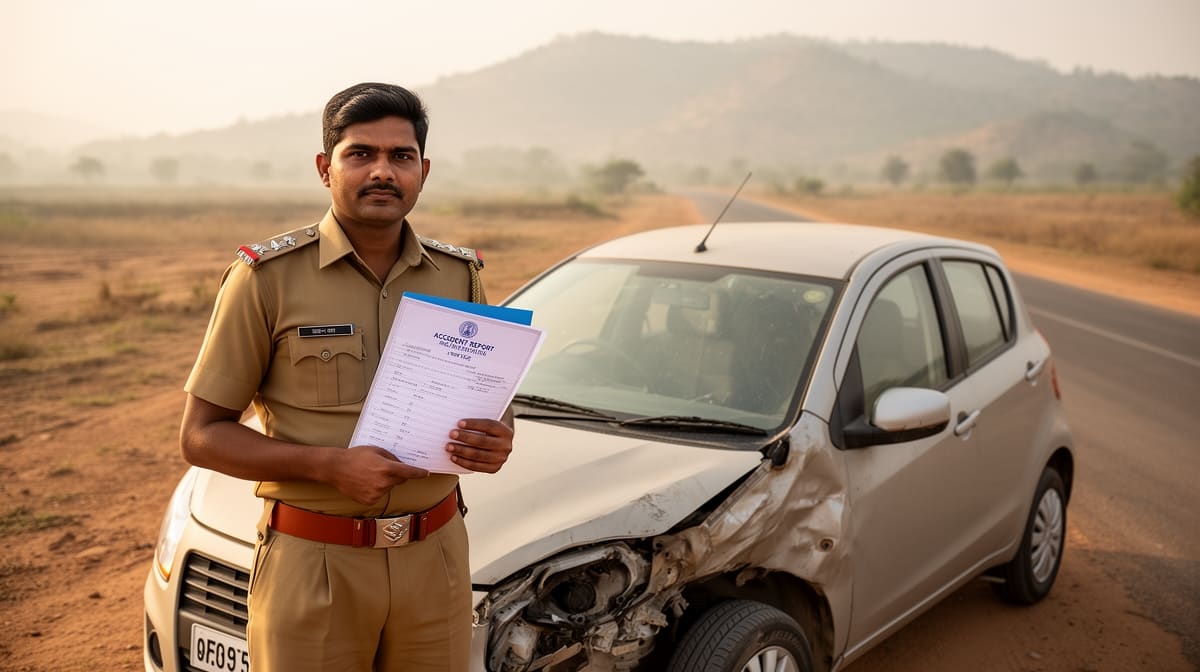
The dispute arose from a motor accident that occurred in 2007 involving a vehicle driven by one of the respondents, Babasaheb Shankarrao Shingote. The accident resulted in fatal injuries to a third party, prompting the original claimants to file a claim petition before the Motor Accident Claims Tribunal, Pune, seeking compensation. The claim petition named both the vehicle owner and the New India Assurance Co. Ltd. as respondents, alleging that the vehicle was insured with the insurer at the time of the accident.
Key Facts
- The accident occurred in the year 2007
- The claim petition was filed before the Motor Accident Claims Tribunal (MACT), Pune, in 2008
- The New India Assurance Co. Ltd. filed a written statement on 15.02.2009, in which Paragraph 3 specifically pleaded that the offending vehicle was not insured under any policy issued by them
- The insurer tendered a policy document before the Tribunal, but contended it covered a different vehicle, not the one involved in the accident
- No party, including the claimants, filed any rebuttal or evidence to contradict the insurer’s plea of non-coverage
- The Tribunal passed its order on 08.03.2011, holding the insurer and the vehicle owner jointly and severally liable to pay Rs. 2,00,000 without addressing the specific plea in Paragraph 3 of the written statement
Procedural History
- 2007: Motor accident occurred
- 2008: Claim petition filed before MACT, Pune
- 15.02.2009: Insurance company filed written statement with specific plea of non-insurance (Paragraph 3)
- 08.03.2011: MACT passed order holding insurer liable without addressing the plea of non-coverage
- 13.10.2011: First Appeal No. 1944 of 2011 filed before Bombay High Court
- 06.05.2026: Final hearing conducted before the High Court after a 15-year delay
The Parties' Positions
The insurer contended that the Tribunal erred in imposing liability without examining the specific denial of coverage. The claimants, while defending the Tribunal’s award, did not dispute the factual accuracy of the insurer’s plea but argued that the insurer had participated in the proceedings and should not be allowed to escape liability.
Relief Sought
The appellant insurer sought quashing of the Tribunal’s order to the extent it held the insurer liable, and a direction that the statutory deposit of Rs. 25,000 made by the insurer be refunded. The insurer also sought clarification that any amount already paid to the claimants would not be recoverable from them.
The Legal Issue
The central question was whether a Motor Accident Claims Tribunal can impose liability on an insurance company when a specific, unchallenged plea in the written statement denies that the offending vehicle was covered under the policy tendered before it.
Arguments Presented
For the Appellant
Mr. S.M. Dange, counsel for the insurer, submitted that the Tribunal failed to discharge its statutory duty under Section 166 of the Motor Vehicles Act, 1988, to adjudicate all material pleas raised in the written statement. He emphasized that the insurer’s plea in Paragraph 3 was clear, specific, and uncontroverted. He relied on the principle that no party can be held liable without a fair opportunity to rebut allegations, and that the Tribunal’s silence on a material defence renders the order legally unsustainable.
For the Respondent
Mr. Manish M. Pabale, counsel for the claimants, argued that the insurer had participated in the proceedings, submitted documents, and did not seek a formal framing of issues. He contended that the insurer’s failure to press the plea during evidence or cross-examination amounted to waiver. He further submitted that the claimants had relied on the insurer’s presence in the proceedings and that setting aside the award would cause undue hardship.
The Court's Analysis
The Court observed that the Tribunal’s order was silent on the insurer’s specific plea in Paragraph 3 of the written statement. The Tribunal did not frame an issue on coverage, did not record any findings on whether the policy tendered related to the offending vehicle, and did not examine any evidence on the matter.
"In my view, it was incumbent upon the Tribunal to have framed an issue or at least considered this issue before imposing liability on the insurance company."
The Court held that the insurer’s plea was not a mere technicality but a substantive defence going to the root of liability. The absence of any rebuttal from the claimants meant the plea stood unchallenged. The Court emphasized that the Tribunal’s duty under the Motor Vehicles Act is not merely procedural but substantive - it must adjudicate all material pleas, regardless of whether they are formally framed as issues.
The Court further noted the extraordinary delay of 15 years in the adjudication of the matter, from the accident in 2007 to the final hearing in 2026. While acknowledging the prejudice to the claimants, the Court held that justice cannot be achieved by ignoring legal principles. The Court declined to remand the matter, citing the futility of further proceedings after such prolonged delay.
The Verdict
The appeal was allowed. The High Court set aside the Tribunal’s order to the extent it held the New India Assurance Co. Ltd. liable. The insurer is absolved of liability for the Rs. 2,00,000 award. The statutory deposit of Rs. 25,000 made by the insurer shall be transferred to the MACT, Pune, along with interest, and the insurer is entitled to withdraw the same. The vehicle owner remains liable for the full amount of Rs. 2,00,000. The Court directed that if any amount has already been withdrawn by the claimants from the insurer’s deposit, the insurer shall not seek recovery from them.
What This Means For Similar Cases
A Specific Plea of Non-Coverage Cannot Be Ignored
- Practitioners must ensure that written statements in MACT proceedings clearly and specifically deny coverage, including policy number, vehicle registration, and period of insurance
- Tribunals are under a mandatory duty to address such pleas - silence amounts to legal error
- Failure to frame an issue on coverage does not waive the right to raise it; the Tribunal must still examine it
Delay Does Not Override Procedural Fairness
- While delay may discourage remand, it does not justify bypassing substantive legal requirements
- Courts will not condone imposition of liability on insurers without adjudication of a material defence, even after long delays
- Claimants must actively rebut denials of coverage; passive participation is insufficient
Insurance Companies Must Actively Assert Defences
- Merely filing a written statement is not enough - insurers should seek formal framing of issues or request specific findings
- In cases where the Tribunal ignores a plea, the appropriate remedy is immediate appeal, not acquiescence
- Deposits made under statutory obligation remain recoverable if liability is later set aside