
The Central Information Commission has reaffirmed a foundational principle of the Right to Information Act: the obligation of public authorities is limited to disclosing existing records, not generating new information, offering opinions, or resolving personal grievances. This decision clarifies the boundaries of the right to information and prevents its misuse as a tool for indirect redressal of employment disputes.
Background & Facts
The Dispute
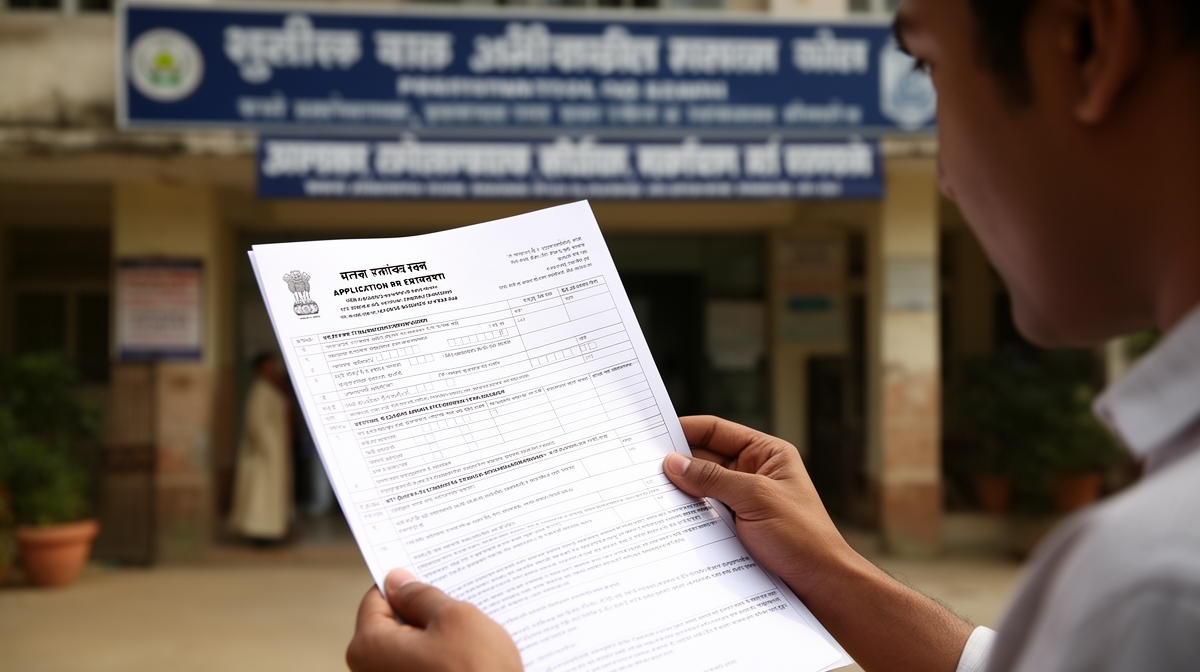
The appellant, Sheela Kashyap, filed an RTI application seeking details of actions taken by various Delhi government ministers and officials on her applications for compassionate employment in Delhi Transco Limited following the death of her husband in 2003. The application listed eight distinct queries, each referencing letters sent to ministers, MPs, MLAs, and departmental officers between 2020 and 2024, with registered post numbers attached.
Procedural History
- 16 July 2024: RTI application filed with PIO, Delhi Transco Limited.
- 2 August 2024: PIO replied, directing appellant to a prior RTI response (ID No. 3377) and enclosing copies of existing records.
- 28 August 2024: First appeal filed with First Appellate Authority (FAA).
- 11 September 2024: FAA upheld the PIO’s response, stating information had been provided.
- 8 October 2024: Second appeal filed with the Central Information Commission.
Relief Sought
The appellant sought disclosure of actions taken on her compassionate employment requests and demanded penalty against the public authority for alleged non-disclosure. However, the core grievance was not about missing records, but about the denial of a job appointment.
The Legal Issue
The central question was whether the RTI Act obligates a public authority to generate, collate, or advise on actions taken on applications for employment, when such information does not exist in its records as data, abstracts, or analysed material.
Arguments Presented
For the Appellant
The appellant’s representative, Abhishek Kumar, argued that the public authority had failed to provide specific information regarding the status of her applications. He contended that the PIO’s reply was evasive and that the lack of a substantive response constituted a violation of Section 6 of the RTI Act. He alleged discrimination and corruption in appointments, framing the issue as one of transparency and accountability.
For the Respondent
The PIO, Ms. Meenu Baghel, countered that all information available in official records had been disclosed in prior responses. She emphasized that the appellant’s queries sought opinions, status updates, and grievance redressal - not existing records. The authority had no obligation to track or summarize ministerial correspondence or create a narrative of actions taken.
The Court's Analysis
The Commission examined the nature of the information sought and found that none of the eight queries requested existing documents, data, or records. Instead, each question demanded an account of actions taken by external officials, opinions on eligibility, or explanations for non-decision - none of which are obligations under the RTI Act.
"The RTI Act provides access to all information that is available and existing... But where the information sought is not a part of the record of a public authority, and where such information is not required to be maintained under any law or the rules or regulations of the public authority, the Act does not cast an obligation upon the public authority, to collect or collate such non-available information and then furnish it to an applicant."
The Commission relied on the landmark judgment in Central Board of Secondary Education & Anr. v. Aditya Bandopadhyay & Ors., which clarified that Section 2(f) defines information as that which is already held or recorded. The Act does not require authorities to create new records, draw inferences, or provide advice. The appellant’s repeated applications, the Commission noted, reflected a pattern of using the RTI Act as a substitute for grievance redressal mechanisms, which fall outside its scope.
The Commission further observed that the appellant’s representative failed to identify any specific information withheld or any record denied. The entire focus was on the denial of employment - a matter for administrative appeal or court remedy, not RTI.
The Verdict
The appeal was dismissed. The Court held that the RTI Act does not compel public authorities to generate, collate, or advise on actions taken on external applications, and that grievances regarding employment decisions are outside its purview. No penalty was imposed.
What This Means For Similar Cases
Information Must Be Pre-Existing
- Practitioners must ensure RTI applications seek records already maintained, not summaries, opinions, or status updates.
- Applications asking "What did you do?" or "Why was my application rejected?" without referencing specific documents are likely to be rejected.
Grievance Redressal Is Not RTI
- Applicants cannot use RTI to bypass departmental appeal mechanisms for job denials, promotions, or service matters.
- Legal advisors should advise clients to pursue administrative remedies or writ petitions for employment grievances, not RTI.
Pattern of Abuse Will Be Penalized
- Repeated, voluminous, or frivolous RTI applications aimed at harassing officials may attract adverse observations under Section 25(5).
- Public authorities may cite Aditya Bandopadhyay to reject applications that seek creation of information rather than access to it.