Topic

right to information

The Right to Information (RTI) Act, 2005, empowers Indian citizens to request and obtain information from public authorities, ensuring transparency and accountability in governance.

16 articlesLatest 1 week ago
Kerala Co-operative Societies Act Sections 65 & 66 | Registrar's Statutory Access to Society Documents for RTI Not Fettered by Prior Inquiry Satisfaction : SC
Case Law Analysis
|Supreme Court of India

Kerala Co-operative Societies Act Sections 65 & 66 | Registrar's Statutory Access to Society Documents for RTI Not Fettered by Prior Inquiry Satisfaction : SC

The Supreme Court ruled that the Registrar's statutory power under Sections 65 and 66 of the Kerala Co-operative Societies Act to access society documents for RTI purposes is not contingent on a prior subjective satisfaction to hold an inquiry. This ensures members of cooperative societies can obtain records such as construction agreements and general body minutes through the RTI route without the Registrar first initiating a formal inquiry.
Article 19 Right to Certified Answer Sheets | Bombay HC Mandates Marathi-Language LL.B. Exam Access & Academic Transparency
Case Law Analysis
|Bombay High Court

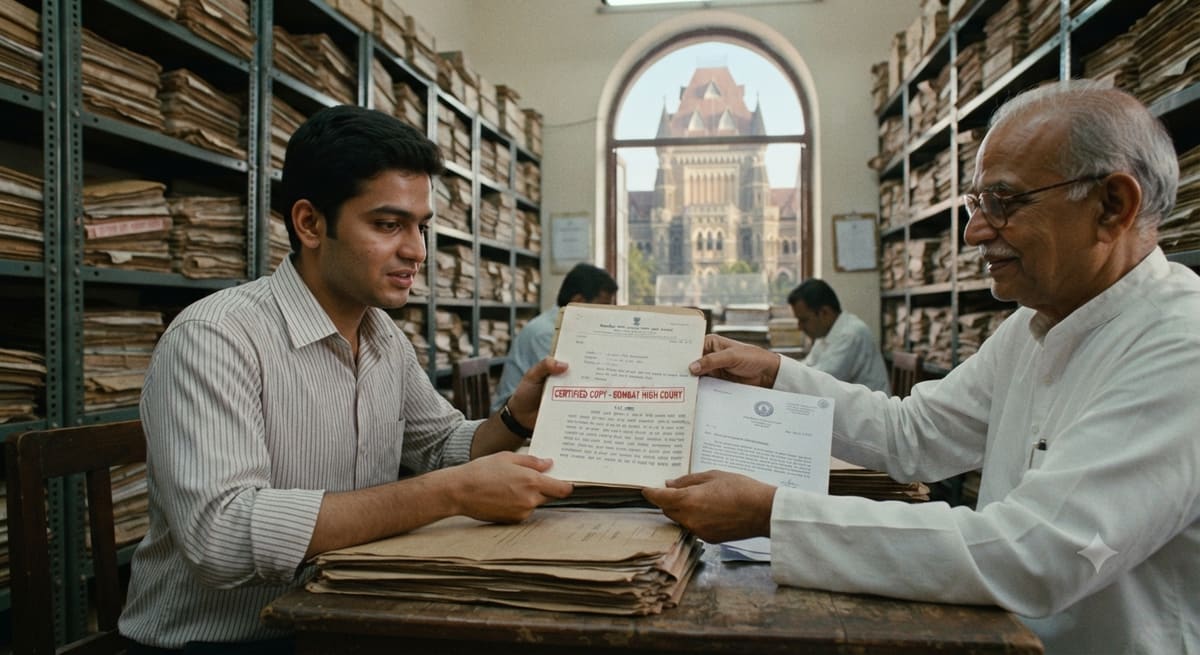
Article 19 Right to Certified Answer Sheets | Bombay HC Mandates Marathi-Language LL.B. Exam Access & Academic Transparency

Bombay High Court ruled that universities must provide certified answer sheets in the student's preferred language (Marathi) and cannot restrict access to only two subjects. The judgment reinforces the right to information in education under Article 19, ensuring linguistic equity and academic transparency for law students, particularly senior citizens facing financial hardship.

RTI Act Section 19(3) | Second Appeal Must Be Decided Within Statutory Timeline; MP HC Directs Expedited Disposal : MPHC Gwalior
Case Law Analysis
|Madhya Pradesh High Court

RTI Act Section 19(3) | Second Appeal Must Be Decided Within Statutory Timeline; MP HC Directs Expedited Disposal : MPHC Gwalior

Madhya Pradesh High Court reinforces that second appeals under the RTI Act must be decided within the prescribed statutory timeline, directing the appellate authority to dispose of the pending appeal within two weeks. The ruling underscores that writ jurisdiction cannot be invoked for factual disputes where statutory remedies remain available, ensuring compliance with the RTI Act’s mandate for timely information access.

RTI Act | Insured Can Access LIC Policy Details Without Policy Number If Key Identifiers Provided : Delhi HC
Case Law Analysis
|Delhi High Court

RTI Act | Insured Can Access LIC Policy Details Without Policy Number If Key Identifiers Provided : Delhi HC

Delhi High Court rules that insured individuals can obtain LIC policy details under the RTI Act even without a policy number, provided they furnish identifying details like name, DOB, and NEFT. The judgment underscores that public authorities must facilitate information access when sufficient alternative identifiers are available, reinforcing the RTI Act's purpose of transparency.

RTI Act Section 6(5) | SPIOs Must Obtain & Provide Information Even If Not Record Custodian; Unilateral Corrigenda Void : Calcutta HC
Case Law Analysis
|Calcutta High Court

RTI Act Section 6(5) | SPIOs Must Obtain & Provide Information Even If Not Record Custodian; Unilateral Corrigenda Void : Calcutta HC

Public Information Officers cannot evade their duty under the RTI Act by claiming they are not custodians of records-they must actively seek and furnish information. The Calcutta High Court has ruled that attempting to terminate proceedings via unilateral corrigenda violates natural justice and undermines the fundamental right to information under Article 19(1)(a), setting a binding precedent for all SPIOs across India.

RTI Act | Right to Immediate Answer Sheet Inspection Post-Result Declaration : Uttarakhand HC Strikes Down Delay Until Recruitment Completion
Case Law Analysis
|Uttarakhand High Court

RTI Act | Right to Immediate Answer Sheet Inspection Post-Result Declaration : Uttarakhand HC Strikes Down Delay Until Recruitment Completion

Uttarakhand High Court ruled that unsuccessful candidates in public recruitment exams have an enforceable right under the RTI Act to inspect their evaluated answer sheets immediately after results are declared, rejecting rules that deferred access until the entire selection process concluded. The judgment reinforces transparency and prevents irreparable prejudice to candidates.

Section 19(1) RTI Act | Appellate Authorities Must Decide Appeals Within Four Weeks: Rajasthan HC
Case Law Analysis
|Rajasthan High Court

Section 19(1) RTI Act | Appellate Authorities Must Decide Appeals Within Four Weeks: Rajasthan HC

The Rajasthan High Court has mandated that appellate authorities under the RTI Act must dispose of first appeals within four weeks, enforcing statutory deadlines to prevent indefinite delays in public information disclosure. This ruling directly impacts gram panchayats and district-level officials, transforming procedural timelines into enforceable rights for citizens seeking transparency.

Section 7 RTI Act | Processing Fees for Answer Book Copies Cannot Exceed Statutory Caps : Rajasthan HC Strikes Down ₹1,000 Fee
Case Law Analysis
|Rajasthan High Court

Section 7 RTI Act | Processing Fees for Answer Book Copies Cannot Exceed Statutory Caps : Rajasthan HC Strikes Down ₹1,000 Fee

Rajasthan High Court ruled that universities cannot impose processing fees exceeding the statutory limits under the RTI Act Rules 2012 for providing answer book copies. The court held that a ₹1,000 processing fee per answer book violates Section 7 of the RTI Act, reinforcing fee caps to ensure public access to information without undue financial burden.