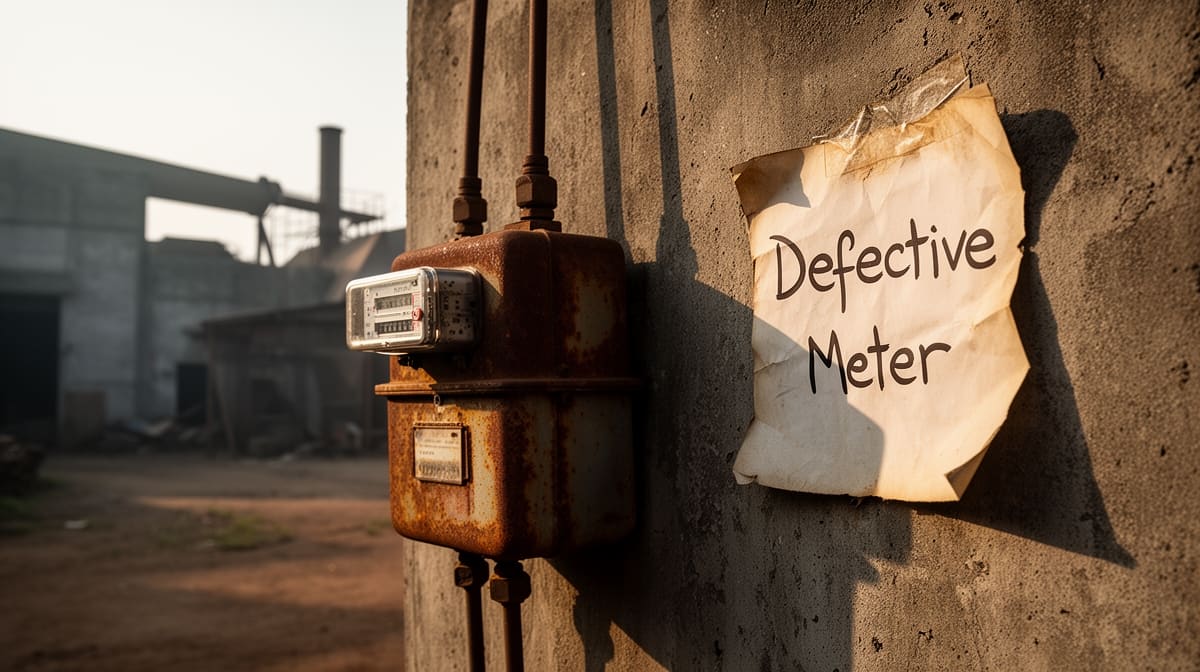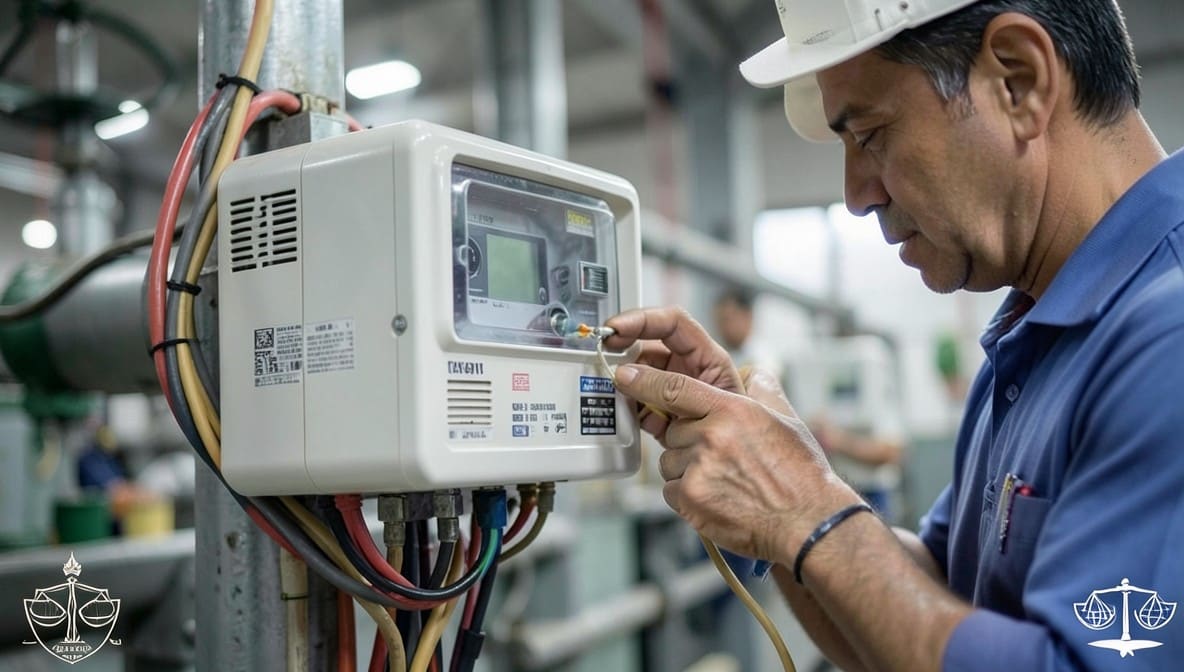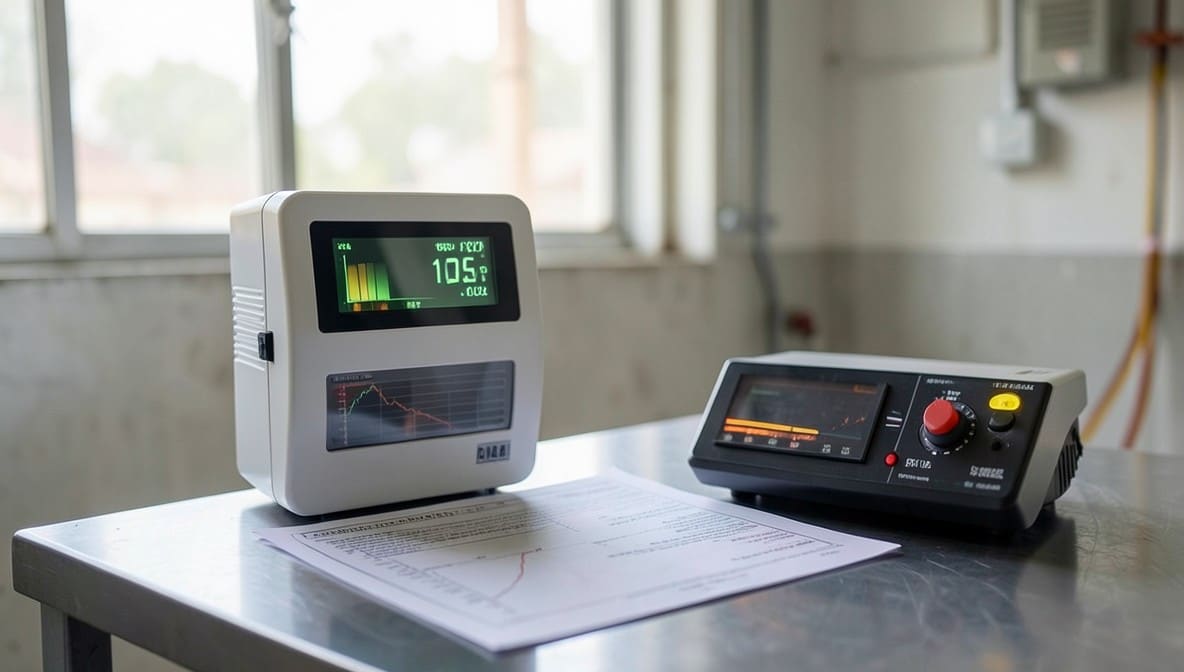
The Punjab and Haryana High Court has clarified the legal framework for calculating transmission losses in electricity billing under independent feeders, affirming that such losses must be apportioned from the sub-station yard meter, not the consumer-end meter. This judgment resolves a critical ambiguity in regulatory compliance for electricity distributors and provides binding guidance on consumer billing practices under the Haryana Electricity Regulatory Commission Regulations, 2016.
Background & Facts
The Dispute
The dispute arose between Dakshin Haryana Bijli Vitran Nigam Limited (DHBVN), a licensed electricity distributor, and its consumers who were billed for transmission losses based on a differential between sub-station and consumer-end meter readings. DHBVN, through an audit conducted in late 2024, alleged a 26-27% transmission loss on the Aggarwal Fabric Independent Feeder and issued a demand notice dated 22.11.2024 for ₹54,92,165. After review, the distributor revised the claim to ₹2,49,862, still based on sub-station-to-consumer meter differential. The consumers contested this, asserting that billing must be based solely on the meter installed in the yard at the sub-station, as per Regulation 4.8.2 of the Haryana Electricity Regulatory Commission (Duty to supply electricity on request, Power to recovery expenditure incurred in providing supply and Power to require security) Regulations, 2016.
Key Facts
- The consumers’ electricity supply is provided through an independent feeder named ‘Aggarwal Fabric Independent Feeder’.
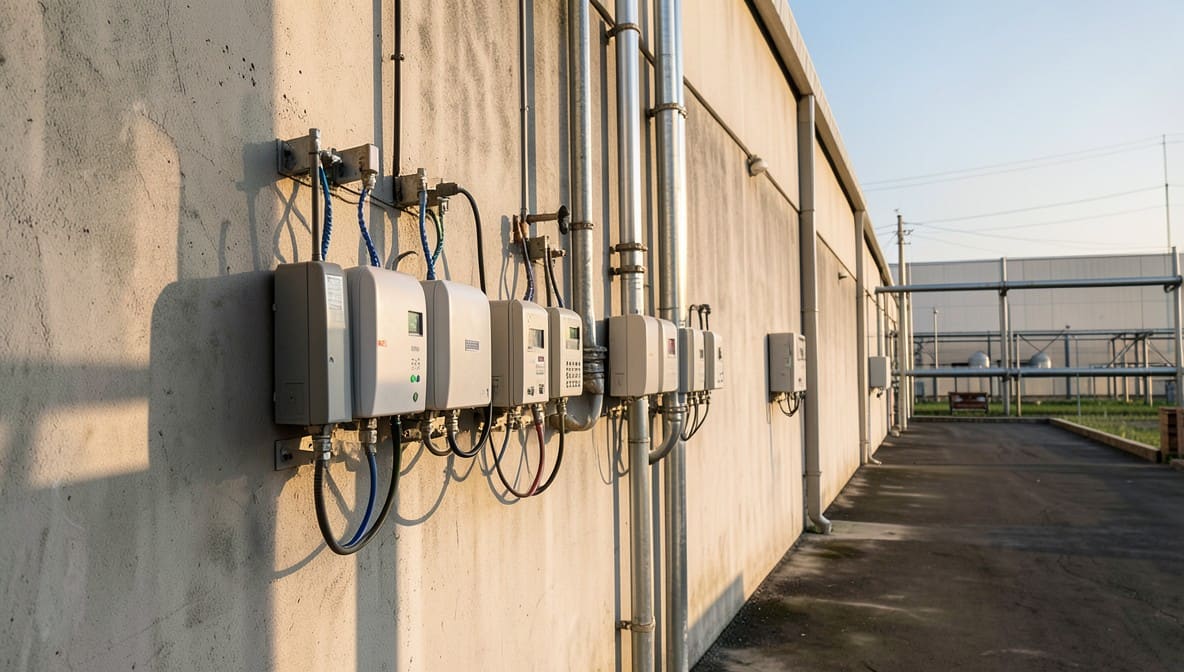
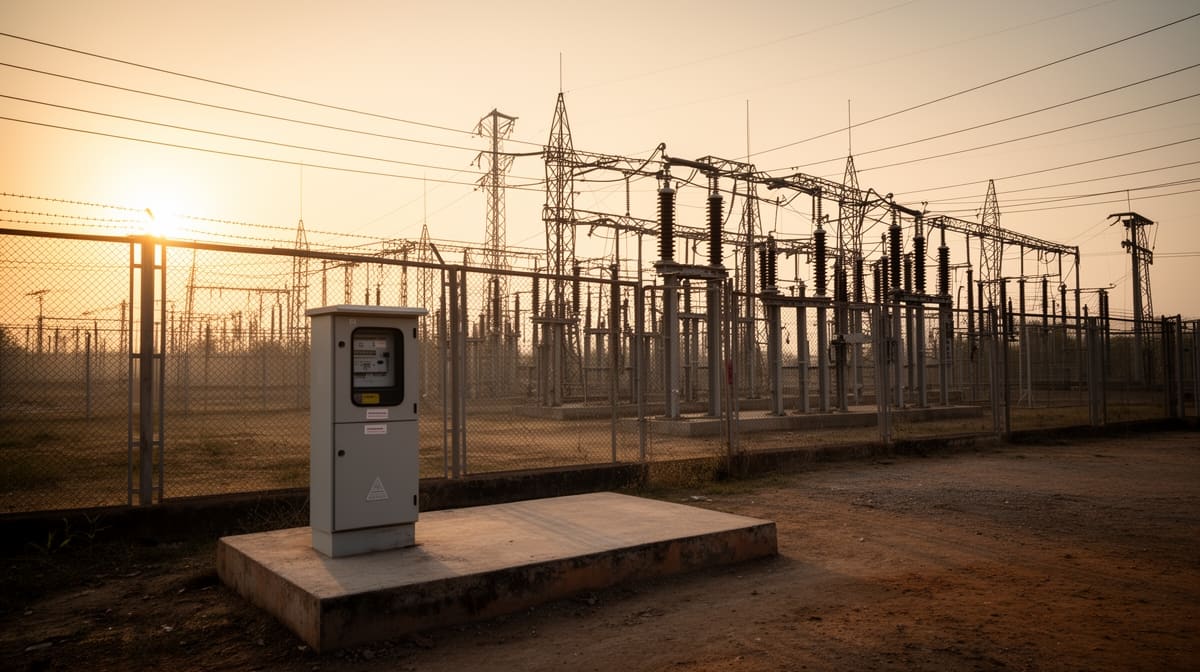
- DHBVN installed two meters: one at the sub-station (VCB meter) and another at the yard adjacent to the sub-station (yard meter).
- The VCB meter at the sub-station does not record readings; only the yard meter does.
- DHBVN’s audit relied on the difference between sub-station and consumer-end meter readings to calculate transmission loss.
- The consumers argued that Regulation 4.8.2 mandates billing based on the yard meter reading, not the consumer-end meter.
- On 20.06.2024, the Chief Engineer (Commercial), DHBVN, issued a circular clarifying that billing for independent feeders must be based on the sub-station yard meter reading.
- The consumers filed a complaint before the Corporate Forum for Redressal of Consumer Grievances on the January 2025 bill.
Procedural History
- 22.11.2024: DHBVN issued demand notice for ₹54,92,165 based on transmission loss audit.
- December 2024: DHBVN revised demand to ₹2,49,862 after internal review.
- January 2025: Consumers received bill including transmission loss charges.
- February 2025: Complaint filed before Corporate Forum for Redressal of Consumer Grievances.
- 24.04.2025: Corporate Forum allowed complaint, directed refund of transmission loss charges from April 2024 to August 2024, and ordered compliance with Regulation 4.8.2.
- 13.03.2026: Writ petition filed by DHBVN under Articles 226/227 before the Punjab and Haryana High Court.
The Parties' Positions
Petitioners (DHBVN): Argued that transmission loss should be calculated from the sub-station meter to the consumer meter, as per the technical definition of transmission loss. They claimed internet-based remote meter reading renders physical consumer presence unnecessary.
Respondents (Consumers): Contended that Regulation 4.8.2 explicitly requires billing based on the yard meter reading at the sub-station, and that consumers must be informed and present for joint meter reading unless internet facility is effective.
Relief Sought
The petitioners sought to set aside the Corporate Forum’s order dated 24.04.2025, arguing that the Forum misinterpreted Regulation 4.8.2. They requested a declaration that transmission loss may be calculated from sub-station meter to consumer meter and that physical consumer presence is not mandatory where remote reading is feasible.
The Legal Issue
The central question was whether Regulation 4.8.2 of the Haryana Electricity Regulatory Commission Regulations, 2016 mandates that transmission losses for independent feeders be billed based on the meter reading at the sub-station yard meter, or whether the differential between sub-station and consumer-end meters may be used.
Arguments Presented
For the Petitioner
DHBVN contended that the term "meter placed at the sub-station" in Regulation 4.8.2 refers to the VCB meter located within the sub-station, and that transmission loss is inherently the difference between the point of supply (sub-station) and point of consumption (consumer meter). They argued that the yard meter is merely a convenience and not the statutory meter for billing. They further asserted that modern internet-based metering systems eliminate the need for physical consumer presence, making the requirement for joint reading obsolete.
For the Respondent
The consumers relied on the letter dated 20.06.2024 from the Chief Engineer (Commercial), which explicitly directed billing based on the yard meter. They emphasized that Regulation 4.8.2(ii) states that billing shall be done "as per the meter reading taken jointly by consumer and licensee, of the meter placed at the sub-station from where the independent feeder is emanating." They argued that the yard meter is the only functional meter at the sub-station and that the VCB meter is not used for recording readings. They further contended that where internet connectivity is unreliable, consumer presence is mandatory under the regulation.
The Court's Analysis
The Court undertook a detailed textual analysis of Regulation 4.8.2, particularly clause (ii), which states: "The licensee will inform the consumer through phone/SMS to be present for joint reading of meter. In case the consumer fails to be present, it will be treated as deemed to be present for meter reading. [...] for billing purposes only the sub-station meter reading shall be used."
"The meter installed at the place of independent feeder is not relevant. It is sub-station which is relevant for billing and measuring consumption of electricity."
The Court rejected DHBVN’s argument that the VCB meter qualifies as the "sub-station meter" under the regulation, noting that the VCB meter does not record readings and is functionally inert. The Court accepted the respondents’ position that the yard meter, installed immediately adjacent to the sub-station and used for actual recording, is the only meter that satisfies the regulatory requirement. The Court further held that the Chief Engineer’s letter dated 20.06.2024, issued under statutory authority, was a valid interpretation of the regulation and binding on the distributor.
Regarding consumer presence, the Court acknowledged the technological advancement in remote metering but declined to override the regulation’s explicit requirement. The Court held that while internet-based reading may dispense with physical presence where effective, the burden lies on the distributor to prove such effectiveness. In the absence of evidence, the regulation’s default requirement of notice and opportunity for joint reading must be honored.
The Court emphasized that the regulation’s purpose is to ensure transparency and prevent arbitrary billing. Allowing distributors to use consumer-end meters for loss calculation would shift the burden of infrastructure inefficiencies onto consumers, contrary to the regulatory intent.
The Verdict
The petition was dismissed. The Court upheld the Corporate Forum’s order dated 24.04.2025, directing DHBVN to refund all transmission loss charges collected from April 2024 to August 2024. The Court affirmed that billing for independent feeders must be based exclusively on the yard meter reading at the sub-station, and that consumers must be notified in advance for joint meter reading unless internet-based remote reading is demonstrably effective. DHBVN was directed to comply with Regulation 4.8.2 in full, including the requirement for joint reading where internet facility is not effective.
What This Means For Similar Cases
Transmission Loss Cannot Be Billed from Consumer-End Meters
- Practitioners must now argue that any attempt to calculate transmission loss using the difference between sub-station and consumer-end meters is legally invalid under Regulation 4.8.2.
- Distributors must install and maintain a functional meter at the sub-station yard for billing purposes.
- Consumers may challenge any bill that includes transmission loss calculated from non-yard meters.
Consumer Presence Is Not Optional Without Proof of Effective Remote Reading
- Electricity distributors must maintain records proving the reliability of internet-based metering systems.
- In areas with poor connectivity, failure to notify consumers for joint reading renders billing non-compliant.
- Consumers may claim refunds for bills issued without proper notice, even if remote reading was attempted.
Regulatory Clarifications by Officials Are Binding
- Circulars or letters issued by Chief Engineers or Regulatory Commission officers interpreting regulations carry legal weight if issued within statutory authority.
- Distributors cannot override such clarifications through internal audit practices.
- Legal challenges to such clarifications must be grounded in textual conflict with the regulation itself, not operational convenience.