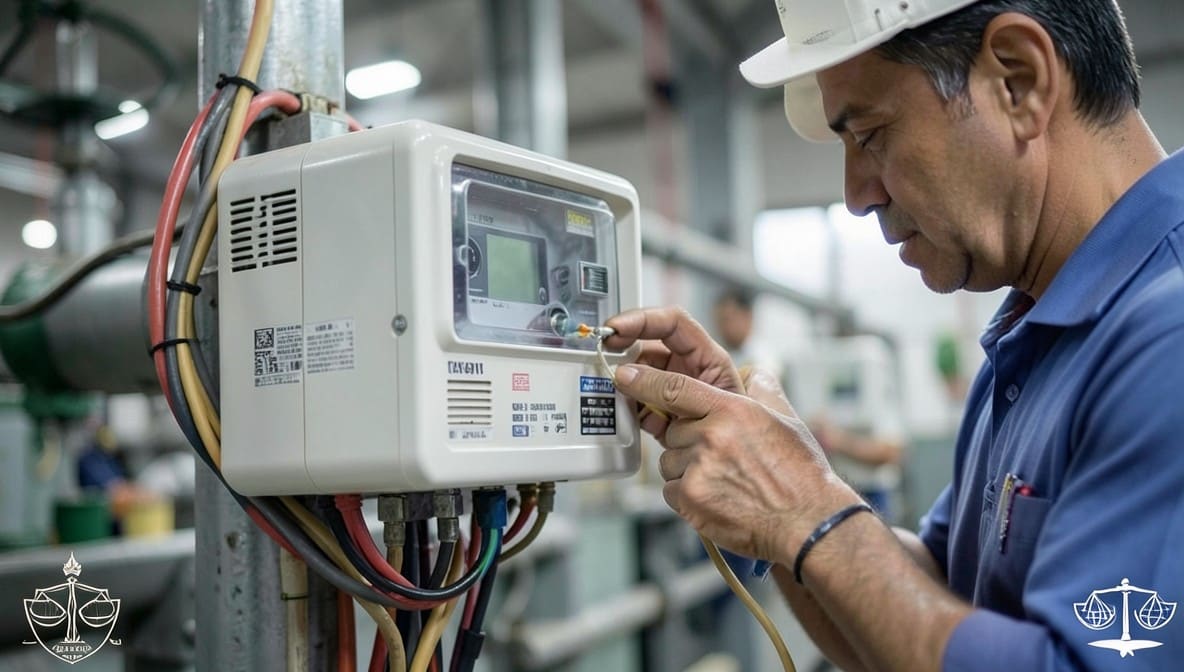
The Madhya Pradesh High Court has affirmed that electricity distribution companies may lawfully bill consumers for excess connected load when supported by consistent, long-term meter data, even in the face of isolated meter defects. This ruling establishes a clear doctrinal standard for adjudicating disputes over unauthorized electricity usage beyond sanctioned capacity.
Background & Facts
The Dispute
The petitioner, Executive Engineer, City Division (Central), M.P.M.K.V.V. Comp. Ltd., is a licensed electricity distribution company under the Electricity Act, 2003, responsible for supply in the Gwalior region. The respondent, M/S Mahamaya Pisai Kendra, was granted an industrial electricity connection with a sanctioned load of 20 HP (14.92 kW) for operating a flour mill. The billing for this connection was governed by the applicable tariff regulations, which mandated separate charges for any load exceeding the sanctioned capacity.
Key Facts
- Sanctioned load: 20 HP (14.92 kW) as per connection grant
- Inspection conducted on 21.10.2008 revealed connected load of 44 HP (approximately 32.8 kW)
- Inspection report signed by respondent’s representative on 21.10.2008
- Electronic meter recorded Maximum Demand (MD) consistently above sanctioned load over multiple years
- MD readings: 21.9 kW (Oct 2007), 25.8 kW (Dec 2007 - Feb 2008), 33.06 kW (Apr 2008), 35.4 kW (Oct 2008)
- Continued high MD readings: 32.08 kW (Dec 2009), 32 kW (Jan - Feb 2010), 32.8 kW (Apr - Jun 2010)
- Meter replaced three times: 26.07.2010, 02.11.2010, and 20.05.2011
- Post-replacement MD readings: 22.03 kW (Sep 2010), 24.56 kW (Nov 2010), 21.76 kW (Dec 2010), 19.06 kW (Jan 2011), 21.84 kW (Mar 2011), 24.8 kW (Jul 2011)
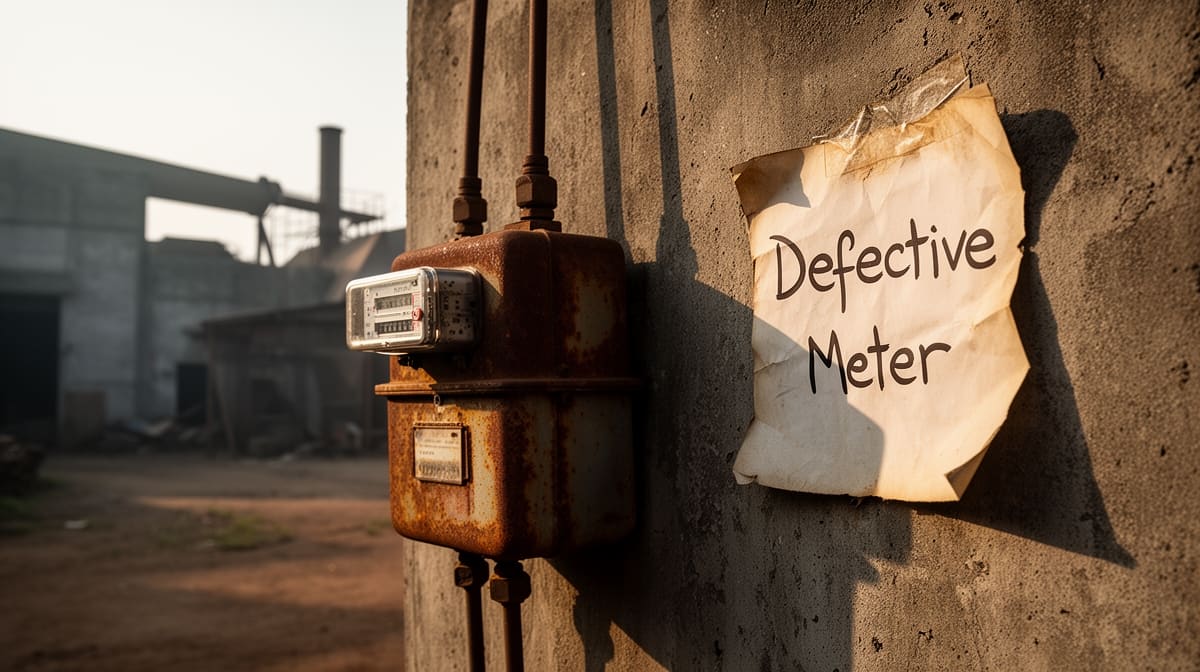
- Laboratory test on one meter (dated 2011) found defects in RTC and MD recording mechanism for a limited period, but confirmed correct consumption recording
- Respondent never applied for enhancement of sanctioned load or reduced load despite awareness
- No evidence presented that all meters were defective or that the pattern was due to systemic failure
Procedural History
- 21.10.2008: Inspection conducted; excess load detected and documented
- 2009 - 2011: Petitioner raised successive bills for excess load based on MD data
- 2011: Respondent filed complaint with Electricity Consumer Forum (Case No. C-0088311)
- 08.11.2011: Forum quashed excess load bills, relying on lab test defects and consumption units
- 2012: Petitioner filed Writ Petition No. 66 of 2012 before the High Court of Madhya Pradesh at Gwalior
Relief Sought
The petitioner sought quashing of the Forum’s order dated 08.11.2011 and restoration of all excess load bills raised from 2008 onwards, along with recovery of outstanding dues and costs.
The Legal Issue
The central question was whether continuous Maximum Demand readings from multiple meters, despite isolated defects in one meter, constitute sufficient evidence to justify billing for excess connected load under electricity tariff regulations, or whether such billing must be invalidated based on partial meter anomalies.
Arguments Presented
For the Petitioner
The petitioner argued that the inspection report signed by the respondent’s representative, combined with over three years of consistent Maximum Demand data across three different meters, established a clear pattern of unauthorized usage. It emphasized that tariff provisions distinguish between electricity theft and excess load usage, and that infrastructure stress from sustained high demand justifies separate billing. The petitioner contended that the Forum erred by focusing on consumption units rather than Maximum Demand, and that isolated lab defects could not override the totality of technical evidence.
For the Respondent
The respondent argued that the lab test revealed defects in the RTC and MD recording mechanism, rendering the entire dataset unreliable. It contended that the inspection report lacked independent technical verification and that consumption patterns remained consistent with the sanctioned load, suggesting no actual excess usage. The respondent further argued that repeated meter replacements indicated systemic meter failure, and that billing based on defective data was arbitrary and violative of natural justice.
The Court's Analysis
The Court conducted a meticulous review of the meter data, inspection reports, and laboratory findings. It noted that while one meter showed defects in RTC and MD recording for a limited period, the data before and after that period remained consistently elevated. Crucially, the same high MD pattern persisted after three separate meter replacements, eliminating the possibility that the readings were due to isolated mechanical failure.
"This consistent pattern across different meters rules out the possibility that the excess demand was a result of any isolated meter defect."
The Court held that the Forum committed a material error by conflating consumption units with Maximum Demand. Under the applicable tariff, the relevant metric for excess load billing is not total energy consumed (kWh), but the peak demand (kW) recorded over time. The tariff explicitly provides for enhanced fixed charges and separate billing when actual load exceeds sanctioned capacity, irrespective of total consumption.
The Court further emphasized that the respondent had neither reduced the load nor applied for an increase in sanctioned capacity, thereby continuing unauthorized usage. The signed inspection report, corroborated by years of meter data, formed a reliable chain of evidence. The Court rejected the argument that meter replacement implied systemic failure, noting that replacements were routine maintenance and did not negate the continuity of the high-demand pattern.
The Court also clarified that the issue was not theft of electricity but unauthorized use of load beyond sanctioned limits - a distinction critical under the Electricity Act and tariff rules. The burden of proof lay with the respondent to demonstrate that the high readings were erroneous, which it failed to do.
The Verdict
The writ petition was allowed. The impugned order dated 08.11.2011 passed by the Electricity Consumer Forum was set aside. The petitioner’s billing for excess load, including all subsequent bills raised on the same basis, was held valid and lawful. The respondent is directed to pay all outstanding dues, including current bills, failing which the petitioner may proceed under law for recovery. Costs are awarded to the petitioner.
What This Means For Similar Cases
Technical Evidence Trumps Isolated Anomalies
- Practitioners must argue that isolated meter defects do not invalidate long-term, multi-meter data patterns
- A single lab report showing limited defects cannot override consistent, corroborated MD readings over years
- The burden shifts to the consumer to prove systemic meter failure, not merely raise suspicion
Maximum Demand Is the Key Metric
- Electricity billing disputes must focus on Maximum Demand (kW), not total consumption (kWh)
- Tariff provisions for excess load are triggered by peak demand exceeding sanctioned capacity, regardless of total units used
- Legal arguments must cite specific tariff clauses defining excess load and associated charges
Procedural Compliance Is Critical
- Signed inspection reports by consumer representatives carry evidentiary weight
- Failure to apply for load enhancement or reduce usage constitutes acquiescence to unauthorized usage
- Utilities must maintain detailed, timestamped meter data logs to substantiate claims