The Bombay High Court’s recent order in Public Interest Litigation No. 188 of 2022 underscores the judiciary’s active role in ensuring procedural integrity in public infrastructure projects. Rather than adjudicating rights or liabilities, the Court focused on institutional accountability, mandating real-time documentation and on-site verification to safeguard public interest.
Background & Facts
The Dispute
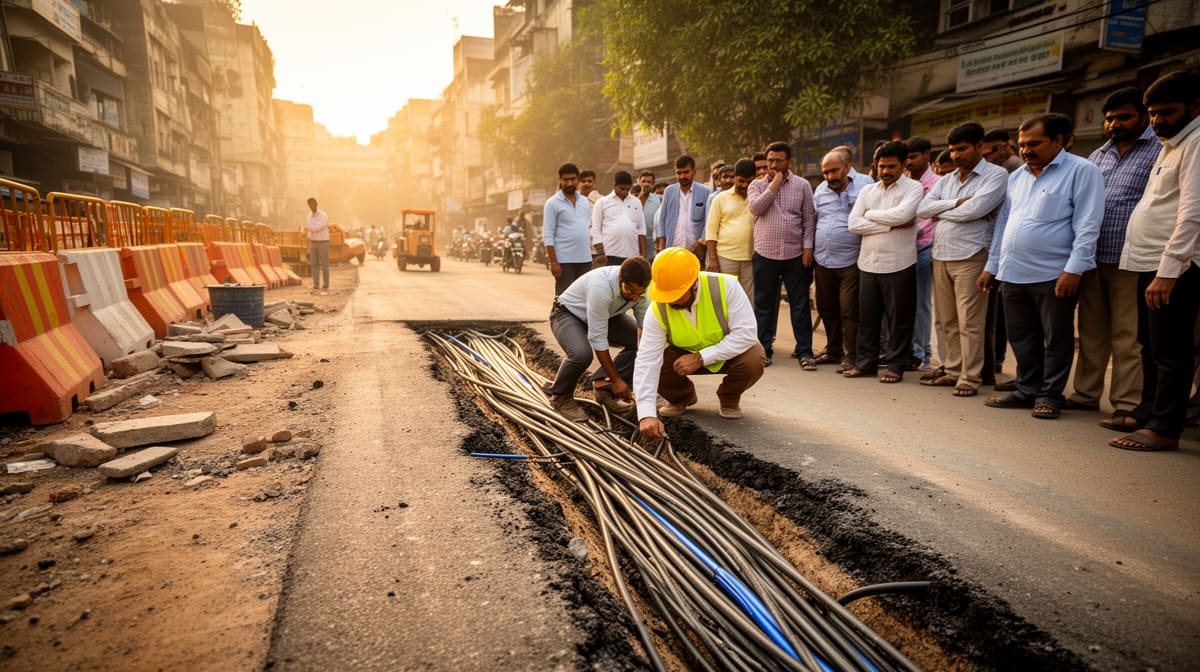
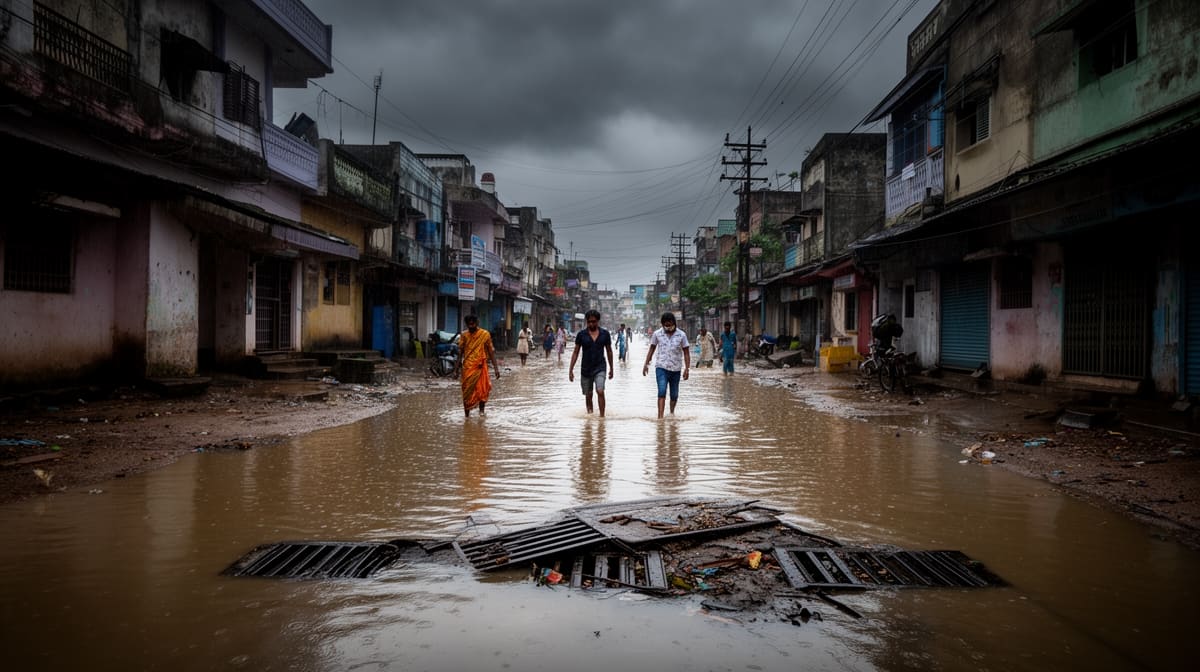
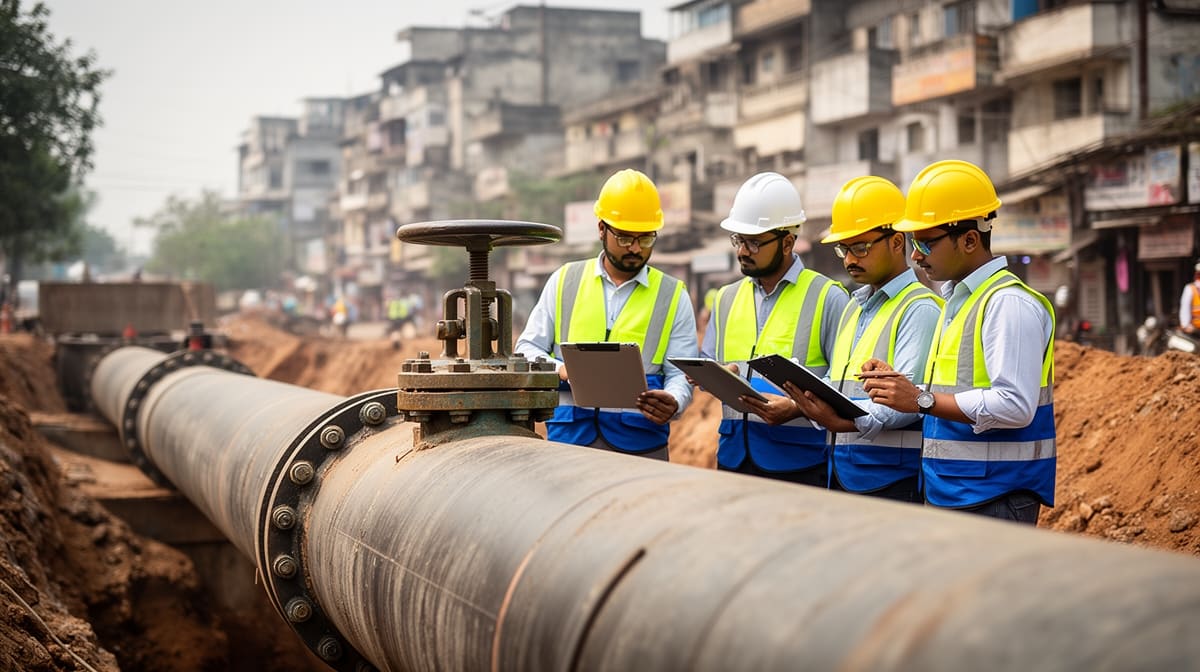
The PIL arose from persistent failures in the implementation of a major water supply project in Chattrapati Sambhaji Nagar, Maharashtra. Residents and civic groups alleged that despite substantial public funds being allocated, the pipeline network remained non-functional due to incomplete flushing, unverified pipe cleaning, and lack of documented compliance with technical protocols. The absence of transparent reporting mechanisms raised concerns about corruption, mismanagement, and violation of the right to clean water under Article 21.
Procedural History
The case was initially filed in 2022 by Shrihari S/o Anant Shidore, representing affected citizens. Multiple intervenors joined, including municipal bodies, contractors, and engineering firms:
- 2022: Original PIL filed seeking inspection and accountability
- 2023: Court constituted a High Court Constituted Committee (HCCC) to monitor progress
- January 30, 2026: Court directed the Maharashtra Jeewan Pradhikaran (MJP) to submit a detailed status report
- February 10, 2026: HCCC submitted its meeting minutes (marked as 'X-76')
- February 17, 2026: MJP filed an additional affidavit and the 'Extra Items Rate List' (marked as 'Y-109')
Relief Sought
The petitioners sought: (1) immediate commencement of pipeline flushing through the 12 scour valves; (2) public disclosure of payment status for pending bills; (3) mandatory on-site verification by technical officers; and (4) institutional accountability for delays.
The Legal Issue
The central question was whether judicial oversight in public interest litigation requires courts to mandate documented procedural compliance and real-time reporting by public authorities, even in the absence of a specific statutory violation.
Arguments Presented
For the Petitioner
The petitioners, supported by Amicus Curiae Mr. Shambhuraje Deshmukh, argued that Article 21 imposes a positive obligation on the State to ensure access to clean water. They cited M.C. Mehta v. Union of India to assert that judicial intervention is justified when public infrastructure projects suffer from systemic opacity. They emphasized that mere assurances from officials without verifiable documentation constitute a breach of natural justice and public accountability.
For the Respondent-State
The State, represented by Government Pleader Mr. A.B. Girase, contended that the project was on track and that technical delays were due to logistical constraints. They argued that the HCCC report and the affidavit filed by MJP demonstrated sufficient compliance. They further claimed that judicial direction to conduct on-site inspections and publish rate lists exceeded the scope of PIL jurisdiction and encroached upon administrative discretion.
The Court's Analysis
The Court rejected the notion that procedural transparency is optional in public infrastructure projects. It held that public funds used for essential services demand a higher standard of accountability, irrespective of whether a specific statute has been breached. The Court emphasized that judicial review in PILs is not confined to legal violations but extends to institutional maladministration.
"The right to water is not merely a theoretical entitlement; it is rendered meaningless if the mechanisms to deliver it remain shrouded in silence and undocumented assurances."
The Court examined the HCCC report and the MJP affidavit, finding them incomplete without cross-verification of physical progress. It noted that the 'Extra Items Rate List' (Y-109) was submitted without context or audit trail, rendering it legally insufficient. The Court distinguished this from routine administrative delays, holding that failure to document technical compliance in public works constitutes a denial of public trust.
The Court also affirmed that PIL jurisdiction is not exhausted by the filing of reports - it requires active judicial monitoring to ensure implementation. The presence of senior officers at the scheduled inspection was not a substitute for prior documentation.
The Verdict
The petitioners prevailed. The Court held that procedural transparency is non-negotiable in public infrastructure projects and directed the State to conduct five rounds of pipeline flushing under documented supervision, publish all pending bill statuses within ten days, and submit a compliance affidavit verified by independent engineers before any further disbursement.
What This Means For Similar Cases
Documentation Is Not Optional
- Practitioners must now insist on documented technical compliance reports in all PILs involving public utilities
- Oral assurances from officials are insufficient; courts will require signed, timestamped, and verifiable records
- Failure to produce such records may trigger contempt proceedings under Article 21 enforcement
Judicial Monitoring Is Proactive, Not Reactive
- Courts will not wait for a crisis to intervene; ongoing monitoring is now part of PIL jurisprudence
- Petitioners can request court-appointed technical observers in infrastructure cases
- Authorities must anticipate judicial scrutiny and maintain audit-ready records from project inception
Public Access to Rate Lists Is a Right
- Rate lists for extra items in public contracts must be publicly accessible and contemporaneously updated
- Concealment or delayed disclosure of such data may be treated as mala fide under State of U.P. v. Raj Narain
- Citizens and NGOs may now file applications under Section 4 of the Right to Information Act to compel disclosure of such documents