The Bombay High Court has affirmed that public infrastructure projects of urgent national importance cannot be stalled by procedural delays in land acquisition. In a decisive order, the Court imposed a strict one-year deadline for completing acquisition proceedings, reinforcing that the right to public access trumps indefinite bureaucratic inertia.
Background & Facts
The Dispute
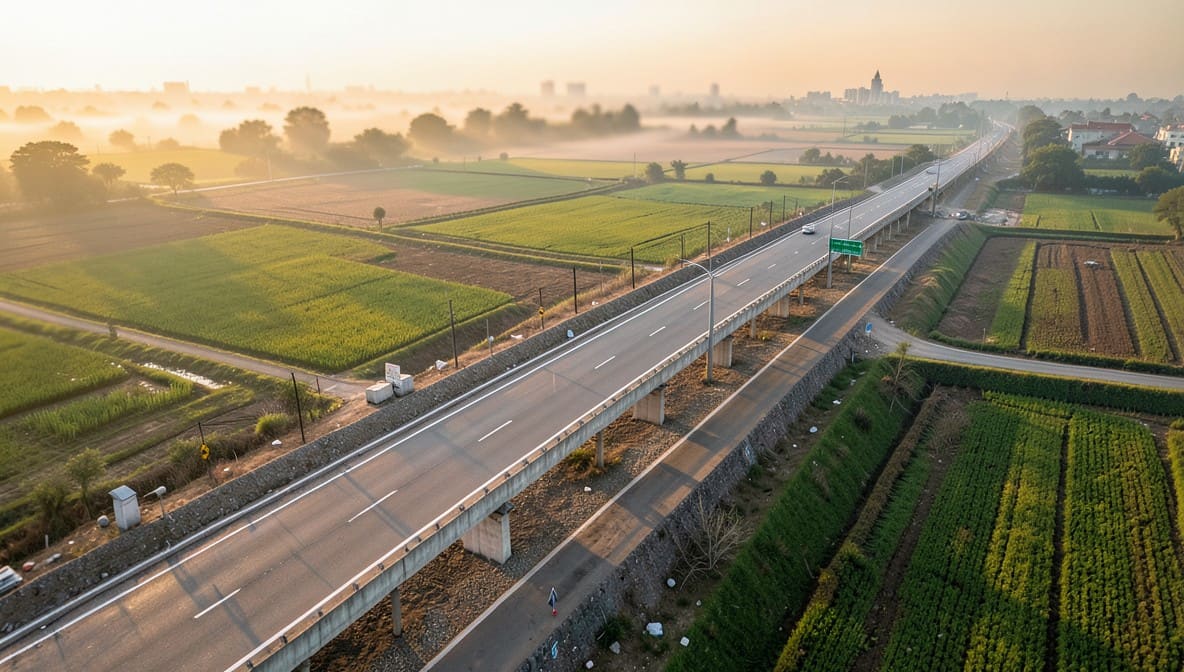
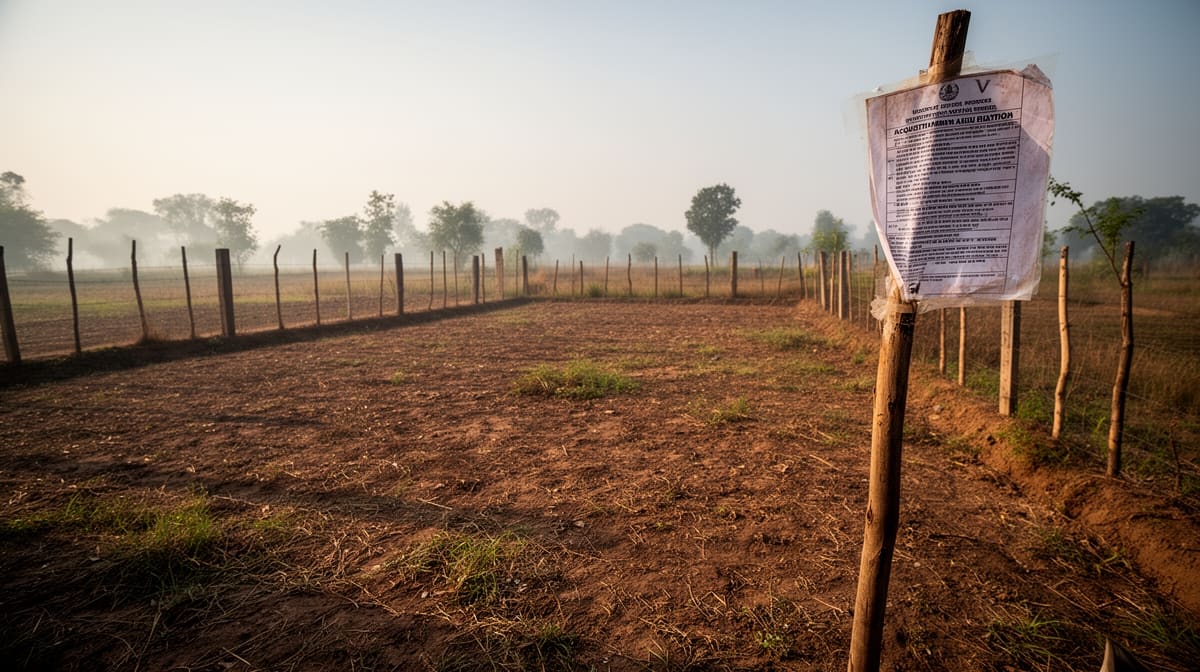
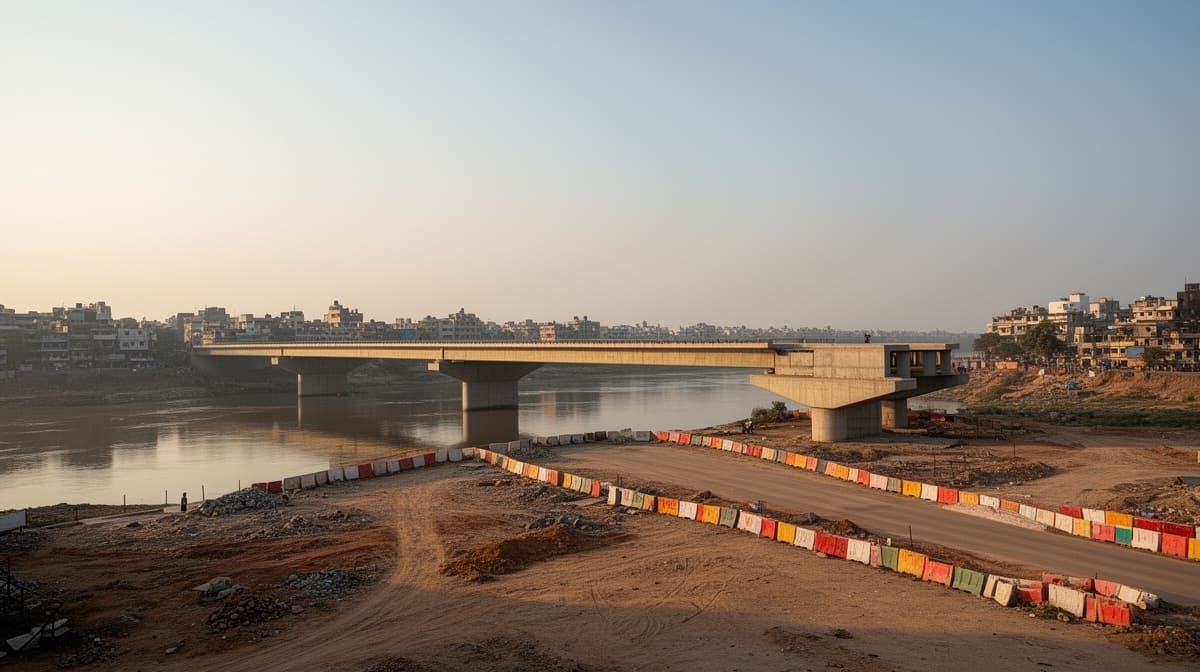
The petitioner, Ankush Mahatu Balwadkar, owns land adjacent to a newly constructed bridge over the Mula-Mutha river in Pune. Despite the bridge being structurally complete, the absence of an approach road has rendered it unusable by the public. The Pune Municipal Corporation acknowledged that the petitioner’s land is essential for constructing this critical access route.
Procedural History
- The matter was initially raised in Public Interest Litigation No.106 of 2024, where the Court noted the public’s hardship due to the unconnected bridge.
- On 9 April 2025, the Court directed authorities to expedite land acquisition formalities for the approach road.
- The petitioner filed this writ petition seeking a binding direction for acquisition of his land, with a specific prayer for fair compensation.
- The respondents conceded the necessity of acquisition but had not initiated formal proceedings.
Relief Sought
The petitioner sought a direction to the respondents to initiate land acquisition under the Right to Fair Compensation and Transparency in Land Acquisition, Rehabilitation and Resettlement Act, 2013, and to ensure payment of just compensation. He also raised a separate claim regarding land already used for bridge pillars, which the Court declined to adjudicate at this stage.
The Legal Issue
The central question was whether the Court can impose a binding timeline for land acquisition under the Act of 2013 when public infrastructure is stalled due to administrative delay, and whether such a directive constitutes judicial overreach.
Arguments Presented
For the Petitioner
The petitioner’s counsel argued that the prolonged inaction violated the fundamental right to mobility and public utility under Article 21 of the Constitution. He relied on State of Maharashtra v. Manubhai Pragjibhai Patel to assert that delay in land acquisition for public purposes amounts to denial of justice. He emphasized that the respondents had already admitted the necessity of acquisition and that the petitioner was willing to surrender the land upon fair compensation.
For the Respondent
The Pune Municipal Corporation and the State did not contest the need for acquisition. Their counsel submitted that the process was pending due to administrative backlogs and that they were ready to deposit the requisite compensation percentage. However, they resisted any judicial imposition of a fixed timeline, arguing that statutory procedures under the Act of 2013 must be followed without external deadlines.
The Court's Analysis
The Court rejected the notion that statutory procedures are immune to judicial timelines when public interest is at stake. It held that while the Act of 2013 provides a procedural framework, it does not sanction indefinite delays that defeat the very purpose of the project. The Court emphasized that public utility overrides procedural rigidity when the delay causes tangible harm to citizens.
"The right of the public to use a completed bridge cannot be held hostage to bureaucratic inertia. The State’s obligation to provide infrastructure is not a discretionary privilege but a constitutional imperative."
The Court distinguished this case from routine acquisition disputes by highlighting the unique context: the bridge was already built, the land requirement was undisputed, and the public had been deprived of access for years. It noted that the respondents had not only admitted the necessity of acquisition but had also expressed willingness to proceed. This rendered the matter ripe for judicial intervention to enforce accountability.
The Court further clarified that while the Act of 2013 governs the process, the Court retains the power under Article 226 to ensure its timely implementation. The one-year deadline was not arbitrary but calibrated to allow sufficient time for notice, objection, and compensation determination under the Act.
The Verdict
The petitioner succeeded. The Court held that land acquisition for critical public infrastructure must be completed within one year when the necessity is undisputed and public hardship is evident. It directed the respondents to initiate and complete acquisition under the Act of 2013 within that timeframe, while preserving the petitioner’s right to challenge compensation amounts.
What This Means For Similar Cases
Timely Implementation Is a Constitutional Obligation
- Practitioners must now argue that delay in land acquisition for completed public infrastructure violates Article 21.
- Courts may impose fixed timelines even under statutory regimes when public access is blocked.
- Administrative inaction cannot be shielded by citing procedural complexity.
Compensation Claims Must Be Separately Agitated
- Claims for additional compensation, including for land already used without formal acquisition (e.g., bridge pillars), must be filed as separate proceedings.
- Courts will not adjudicate ancillary claims during urgent public interest writs unless directly tied to the primary relief.
- Practitioners should file distinct applications for rental compensation or damages under Section 30 of the Act of 2013.
Judicial Oversight of Statutory Processes Is Valid
- This judgment establishes that judicial timelines under Article 226 are permissible to enforce statutory mandates when public interest is compromised.
- It reinforces that statutory procedures are not ends in themselves but means to achieve public good.
- Lawyers in land acquisition matters should now routinely pray for time-bound directions in writ petitions involving stalled infrastructure.