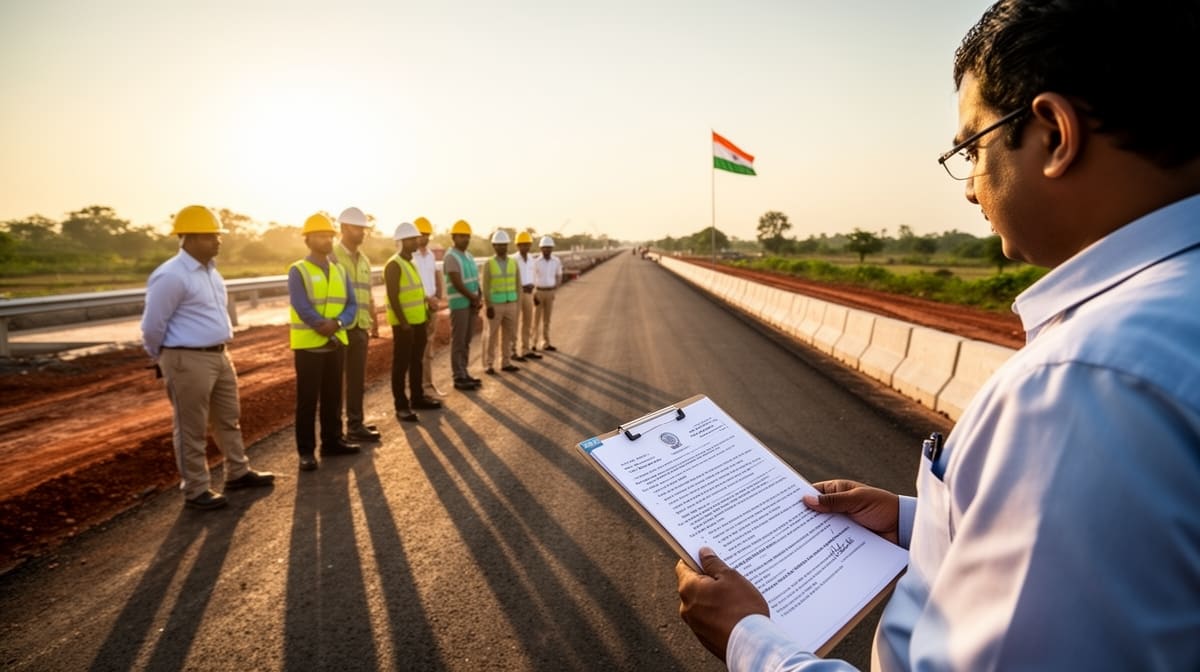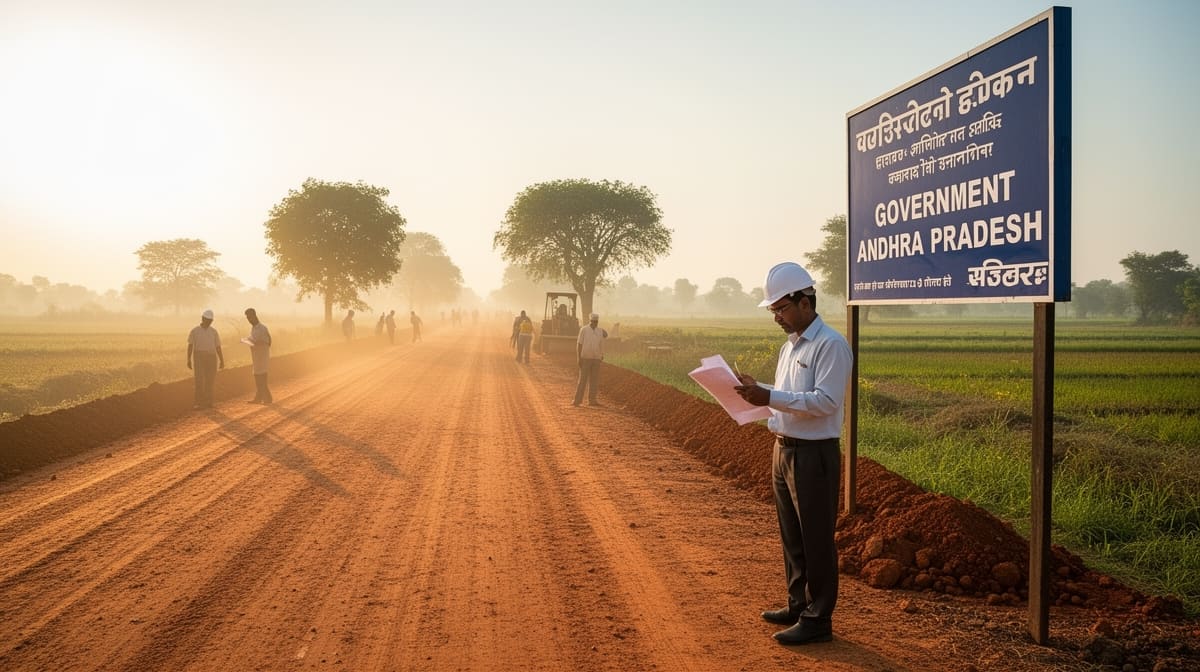
The Bombay High Court has reaffirmed that the State cannot withhold payment for undisputed work under public contracts, even in the absence of formal adjudication. This judgment underscores the duty of public authorities to honor contractual obligations promptly, particularly when delays threaten public infrastructure and contractor viability.
Background & Facts
The Dispute
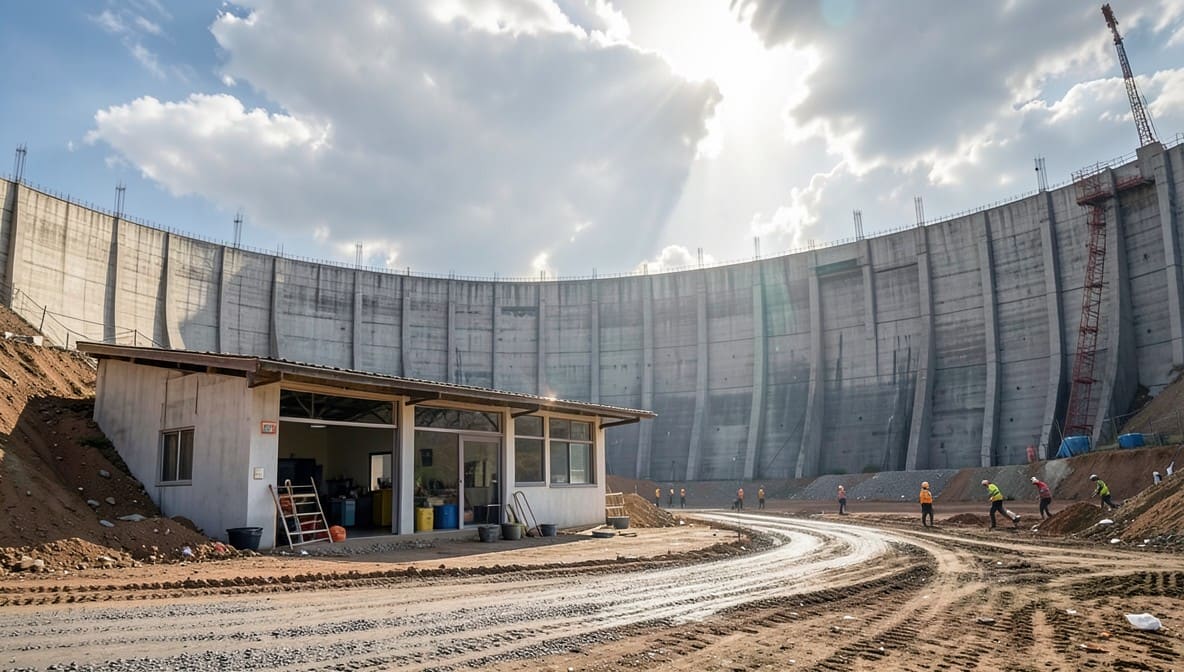
The petitioner, F.A. Construction Engineers And Contractors, a construction company represented by its partner Nisar Fateh Mohd Khatri, was awarded a tender by Respondent No. 2, the Konkan Irrigation Development Corporation, for the construction of a dam. The petitioner completed 100% of the contracted work and submitted the final bill. Running bills, raised periodically in accordance with the work order and contract terms, remain entirely unpaid.
Key Facts
- The petitioner executed all contractual obligations and completed the dam construction in full
- Running bills were raised at regular intervals as per the terms of the contract and work orders
- The final bill has been formally submitted to the State authorities
- No dispute has been raised by the State regarding the quantum or validity of the running bills or final bill
- The petitioner is unable to service bank loans due to non-payment, leading to coercive financial action against the firm
- Continued non-payment risks suspension of contractual obligations and jeopardizes the public infrastructure project
Procedural History
- Undated: Contract awarded and work commenced
- Undated: Running bills raised periodically during construction
- Undated: Final bill submitted after completion of 100% work
- Before 19.06.2026: Repeated representations made to Respondents for payment; no response or payment made
- 19.06.2026: Writ Petition No. 17680 of 2024 filed before the Bombay High Court, Circuit Bench at Kolhapur
Relief Sought
The petitioner sought immediate payment of all pending running bills and the final bill, along with a direction to the State to ensure compliance and prevent further financial harm to the contractor.
The Legal Issue
The central question was whether the State can withhold payment for undisputed running bills under a public works contract, even when non-payment threatens the continuity of public infrastructure and the financial survival of the contractor.
Arguments Presented
For the Petitioner
Mr. Surel Shah, Senior Advocate, argued that there is no dispute over the validity or quantum of the running bills. The State’s inaction constitutes a breach of contractual obligation and violates the principle of good faith in public contracting. He cited Maha Active Engineers India Pvt. Ltd. v. Maharashtra State Electricity Transmission Co. Ltd. to establish that courts will not tolerate delay in payment where no dispute exists. He emphasized that continued non-payment endangers public interest by risking project abandonment and financial collapse of the contractor.
For the Respondent
Mr. A.P. Vanarase, Additional Government Pleader, did not contest the factual assertions regarding non-payment or the absence of dispute. No counter-arguments were presented challenging the petitioner’s claim or the legal obligation to pay.
The Court's Analysis
The Court observed that the State has not raised any objection to the running bills or the final bill. The absence of dispute is critical: when a public authority accepts work performed and does not challenge the bill, payment becomes a mandatory obligation, not a discretionary act. The Court emphasized that public contracts are not merely commercial arrangements but instruments of public welfare. Delay in payment undermines contractor confidence, disrupts project timelines, and ultimately harms the public.
"This Court will not tolerate any indiscretion in such issues where no dispute is raised by the State regarding the running bills."
The Court relied on its earlier decision in Maha Active Engineers India Pvt. Ltd. v. Maharashtra State Electricity Transmission Co. Ltd., which held that undisputed dues must be cleared without delay. The Court noted that the State’s failure to act is not a mere administrative lapse but a systemic failure that affects the viability of private entities engaged in public infrastructure.
The Verdict
The petitioner succeeded. The Court directed the Secretary, Irrigation and Water Resources Department, to ensure that all pending running bills of the petitioner are paid forthwith and, in any event, within two weeks from the date this order is placed before him. The Court warned that failure to comply will result in the Secretary being called upon to provide an adequate explanation. The matter is to be listed for compliance on 1st July 2026, first on the board.
What This Means For Similar Cases
Payment of Undisputed Dues Is Non-Discretionary
- Public departments cannot delay payment of running bills merely due to internal procedural delays
- Absence of dispute = legal obligation to pay; no need for adjudication or arbitration
- Contractors may seek immediate judicial intervention under Article 226 when payment is withheld without justification
Public Interest Overrides Bureaucratic Inertia
- Delays in paying contractors jeopardize infrastructure projects and violate the public’s right to timely delivery of public works
- Courts will intervene proactively to prevent project stagnation caused by State inaction
- Contractors facing financial distress due to non-payment may cite this judgment to seek urgent relief
Precedent Binding Across State Departments
- The Maha Active Engineers precedent is now binding on all State departments handling public contracts
- Any department withholding undisputed dues risks contempt proceedings or judicial censure
- Legal officers must advise departments to clear undisputed bills within 15 days of submission