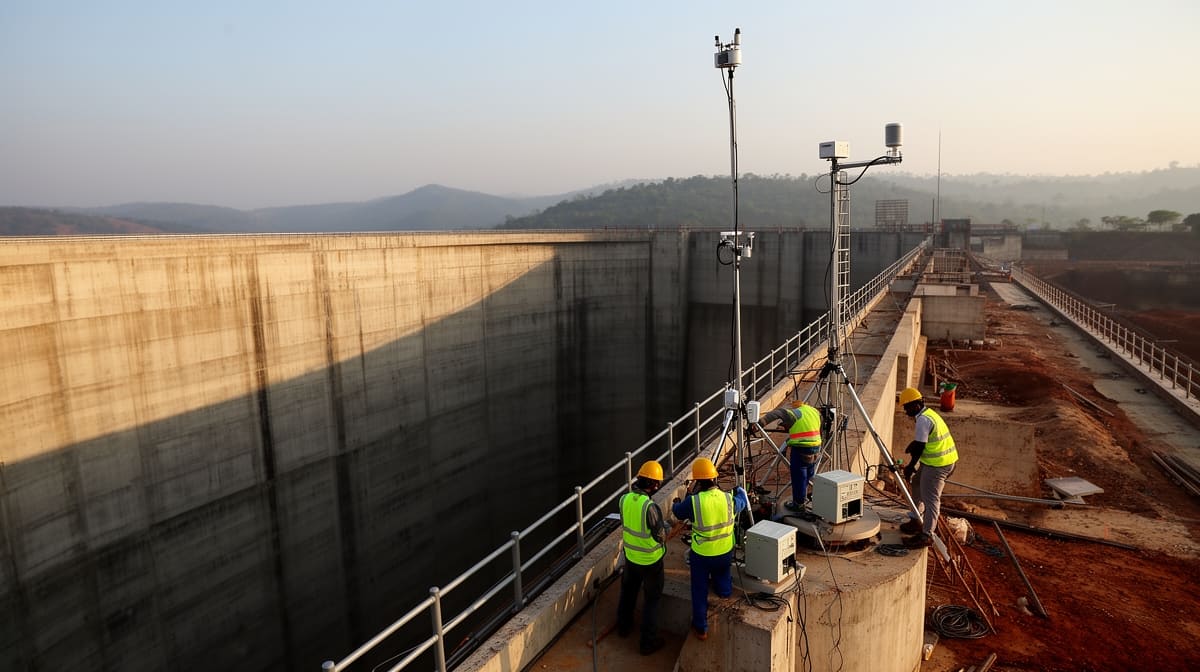
The National Green Tribunal’s suo motu intervention in the Kaleshwaram Lift Irrigation Scheme case underscores a critical principle: statutory obligations for dam safety are not contingent on administrative delays or pending inquiries. When public safety and environmental risk are at stake, compliance with scientific and legal mandates must be immediate, not conditional.
Background & Facts
The Dispute
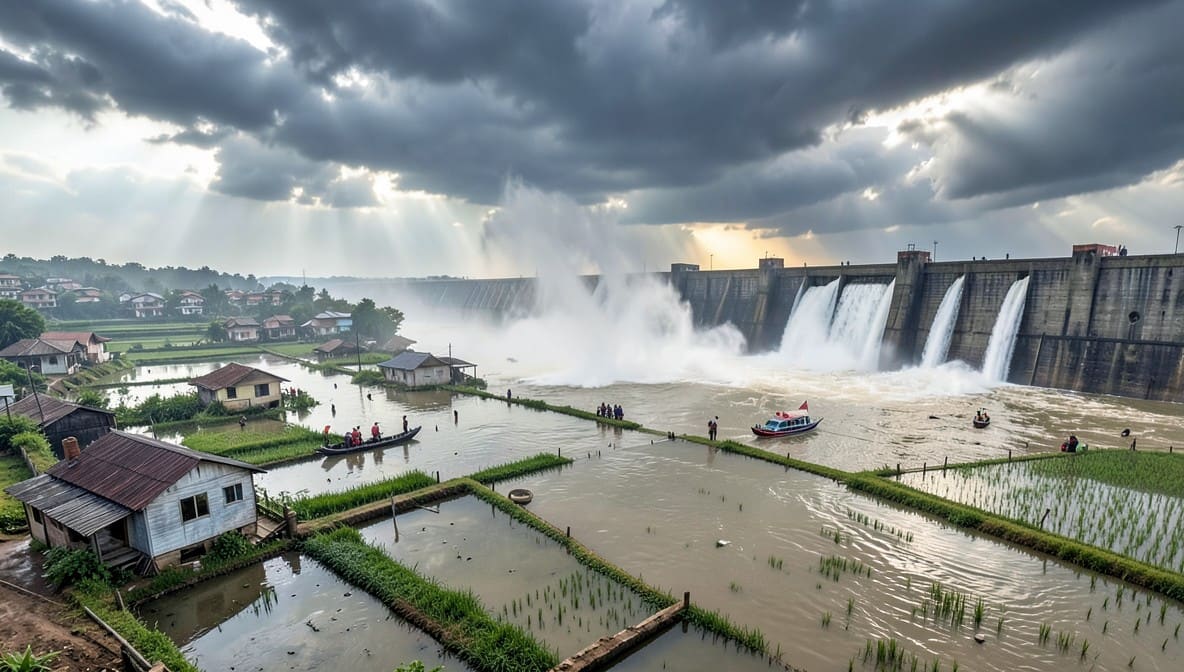
The National Green Tribunal took cognizance of a 2024 Deccan Chronicle report citing the Comptroller and Auditor General (CAG) that the Sri Komaravelli Mallannasagar Reservoir - part of the Kaleshwaram Lift Irrigation Scheme (KLIS) - was constructed without mandatory seismic studies. The reservoir, with a 50 TMC ft capacity and Full Reservoir Level at +557.000 meters, posed potential risks to nearby habitations due to the absence of a detailed seismic vulnerability assessment and an Emergency Action Plan (EAP).
Procedural History
- December 2017: Environmental Clearance granted for KLIS by Ministry of Environment, Forests and Climate Change.
- January 2024: CAG’s findings published in media, highlighting lack of seismic studies and EAP.
- February 2024: NGT registered the matter suo motu and impleaded key state and central agencies.
- February 2024: Irrigation Department responded, acknowledging CAG’s observations and initiating corrective steps.
- September 2025: CWPRS team conducted field assessment for EAP.
- July 2025: One-Man Commission under Justice P.C. Ghose submitted its report on structural issues of KLIS barrages.
Relief Sought
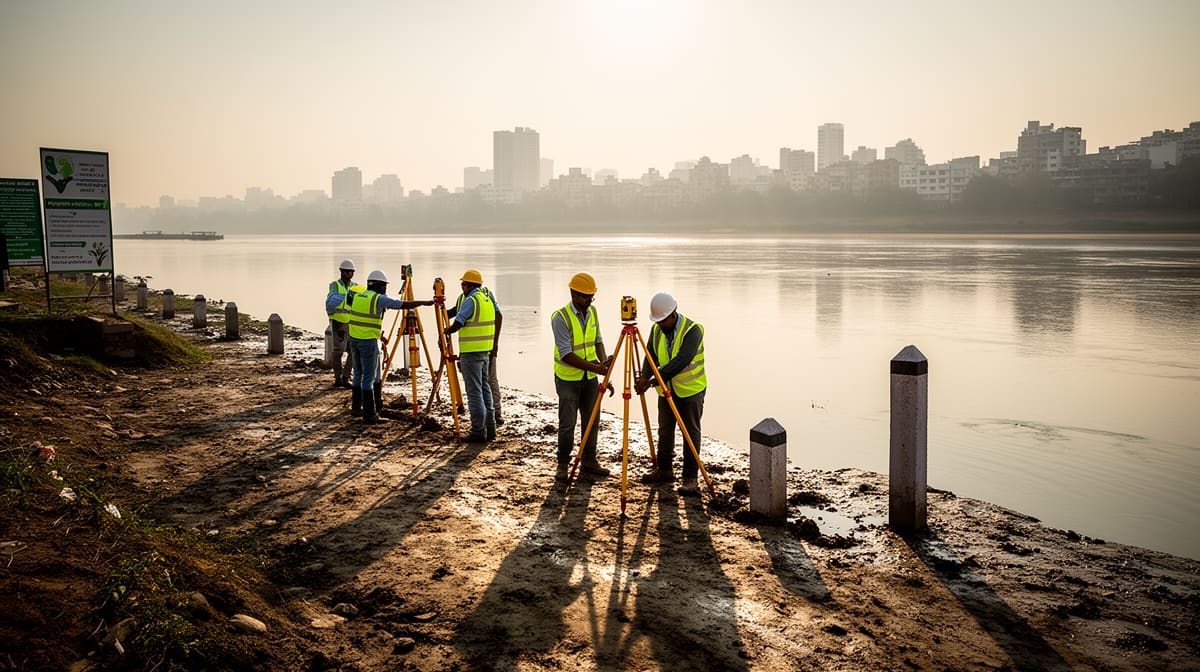
The Tribunal sought assurance that statutory obligations under the Dam Safety Act, 2021 would be fulfilled without delay, including installation of seismic monitoring systems and finalization of the EAP.
The Legal Issue
The central question was whether the Dam Safety Act, 2021 imposes an immediate and non-negotiable obligation to install seismological stations and finalize an Emergency Action Plan, even when internal inquiries are pending.
Arguments Presented
For the Petitioner (Suo Motu)
The Tribunal, acting on public interest, argued that the CAG’s findings revealed systemic negligence in adhering to Section 34(1) of the Dam Safety Act, 2021, which mandates seismological monitoring for dams over 30 meters. Delay in implementing these safeguards, it was contended, violates the precautionary principle under environmental law and endangers lives under Article 21.
For the Respondent (State and Union)
The respondents acknowledged the lapse but emphasized that corrective measures were underway: NGRI had been engaged for seismic studies, and CWPRS was finalizing the EAP. They argued that the constitution of the One-Man Commission under Justice P.C. Ghose demonstrated due diligence and that further directions would be redundant.
The Court's Analysis
The Tribunal examined the statutory framework under the Dam Safety Act, 2021, particularly Section 34(1), which requires every specified dam to establish a seismological station for continuous monitoring. The Court emphasized that such provisions are not advisory but mandatory, designed to prevent catastrophic failure before it occurs.
"Compliance with these requirements cannot be delayed and must be treated as a continuing obligation."
The Tribunal rejected the argument that pending inquiries absolve the state of its statutory duties. It noted that while the Ghose Commission’s report may offer broader administrative insights, it does not substitute for the technical and scientific mandates under the Act. The fact that seismic instruments had not yet been installed and the EAP remained pending after over a year of notice constituted a failure to meet the minimum standard of care required for public infrastructure of this scale.
The Court also referenced the doctrine of sustainable development and the polluter pays principle, holding that the state, as custodian of critical infrastructure, bears the burden of proactive risk mitigation. Merely initiating steps is insufficient; the law demands timely completion.
The Verdict
The Tribunal dismissed the original application, finding that while the state had initiated corrective measures, no further directions were warranted because the process was already underway. However, the judgment implicitly affirmed that statutory compliance under the Dam Safety Act, 2021 is non-negotiable and time-bound, and any future delay would invite renewed scrutiny.
What This Means For Similar Cases
Statutory Compliance Is Not Optional
- Practitioners must treat Section 34(1) of the Dam Safety Act, 2021 as an immediate obligation - not a recommendation.
- Environmental clearance alone does not satisfy dam safety mandates; seismic monitoring and EAP are separate, non-derogable duties.
Pending Inquiries Do Not Suspend Safety Obligations
- Even if a judicial or administrative commission is examining broader issues, technical safety measures must proceed independently.
- Delay in installing monitoring systems or finalizing EAPs can be challenged as a violation of public trust doctrine and Article 21.
Documentation and Timelines Are Critical
- Government agencies must maintain auditable records of compliance timelines for dam safety measures.
- Failure to complete EAPs or install seismic instruments within a reasonable period may trigger contempt proceedings or fresh petitions under Section 14 of the NGT Act, 2010.