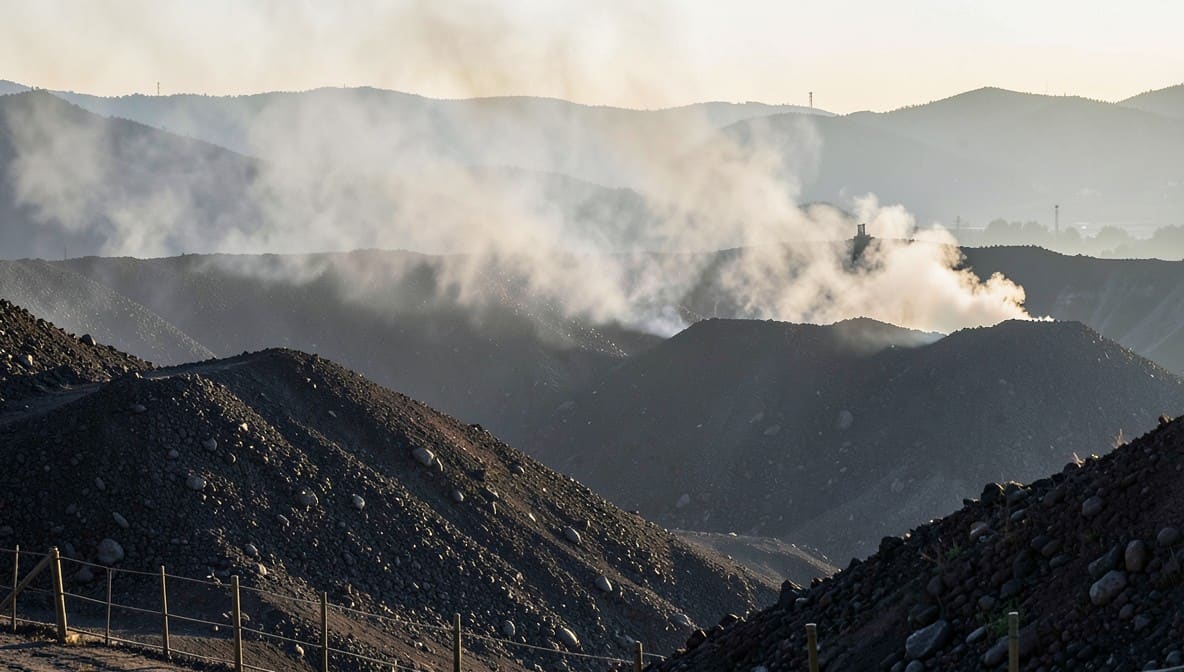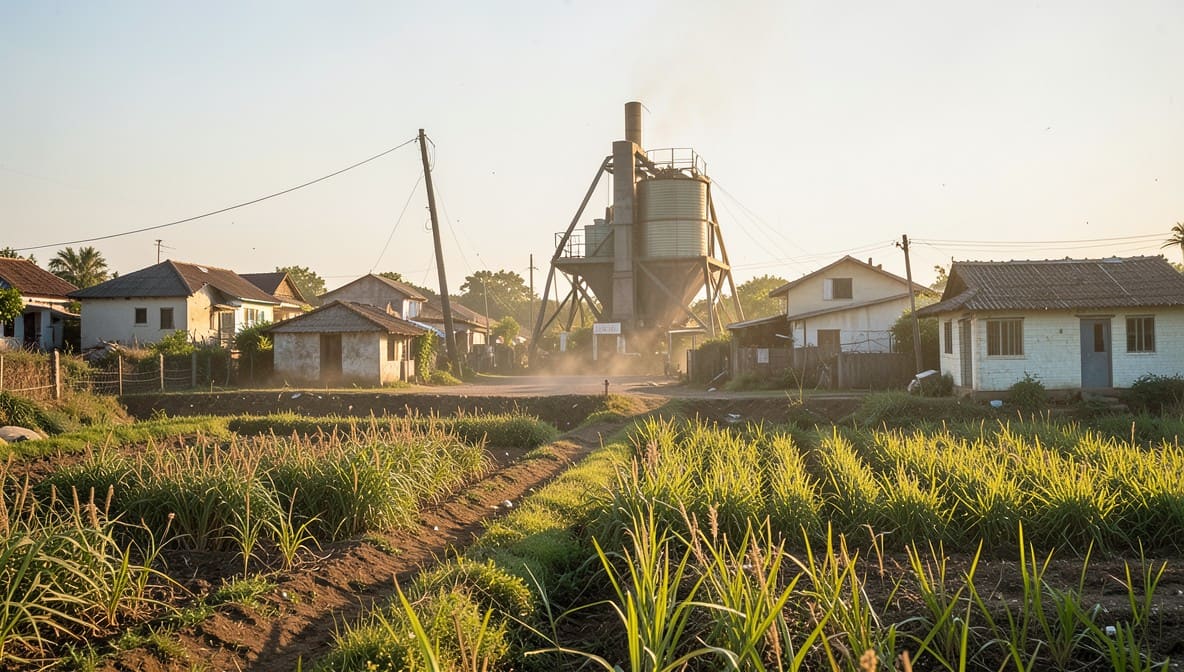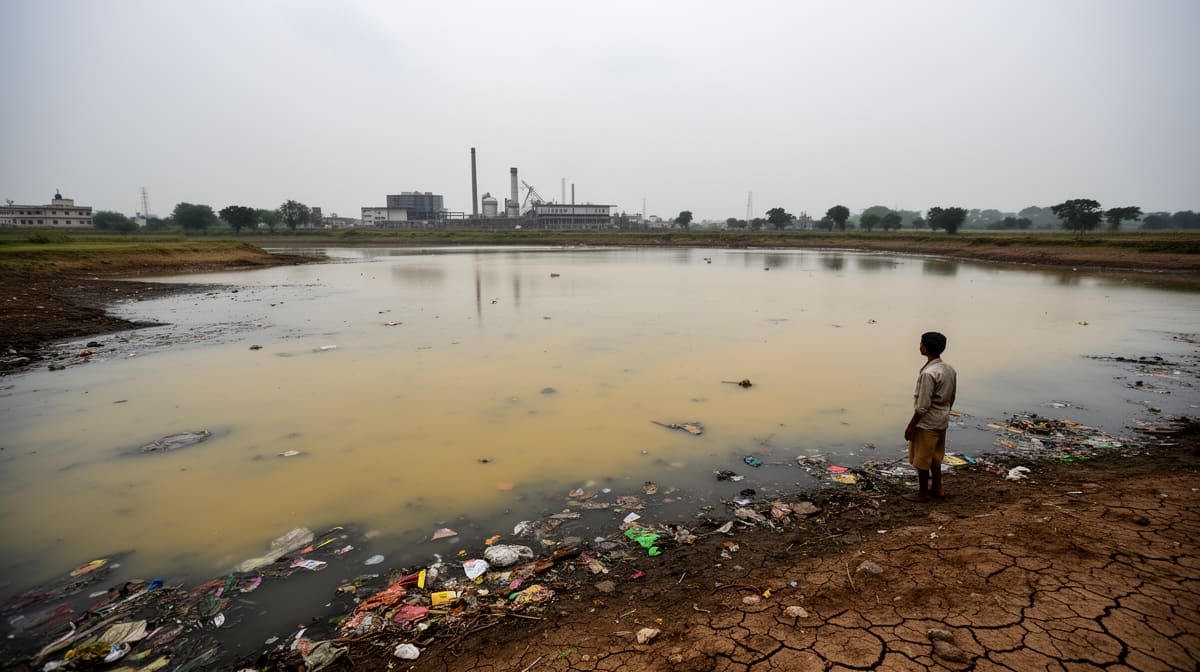
The Jharkhand High Court has affirmed that environmental protection under Article 21 demands more than reactive enforcement - it requires proactive, precautionary oversight. In a Public Interest Litigation concerning coal washery operations in Ramgarh, the Court declined to adjudicate unverified allegations but imposed binding obligations on statutory bodies to investigate pollution claims and ensure compliance before permitting new industrial projects.
Background & Facts
The Dispute
The petitioners, residents of Basantpur in Ramgarh district, allege that the existing Kedla Washery operated by Central Coalfields Limited (CCL) has caused severe pollution of local water bodies. They further express credible apprehension that the proposed Basantpur Washery, if permitted without remediation of existing damage, will replicate or exacerbate environmental harm.
Procedural History
- The petition was filed as a Public Interest Litigation under Article 226 of the Constitution.
- Petitioners submitted photographs and rejoinders dated September 15, 2025, documenting alleged water contamination.
- No formal complaint had been filed with the Jharkhand State Pollution Control Board (JSPCB) prior to this petition.
- The CCL had obtained environmental clearance for the proposed Basantpur Washery but had not applied for consent to establish or operate.
Relief Sought
The petitioners sought a writ of mandamus directing:
- Immediate investigation into pollution caused by the Kedla Washery;
- Suspension of the proposed Basantpur Washery until environmental restoration is completed;
- Enforcement of environmental undertakings given by CCL.
The Legal Issue
The central question was whether the precautionary principle under Article 21 permits the approval of new industrial projects when existing environmental damage remains unremediated and unverified, and whether statutory authorities can defer action pending formal complaints.
Arguments Presented
For the Petitioner
Mrs. Aprajita Bhardwaj argued that the precautionary principle, recognized by the Supreme Court in Vellore Citizens Welfare Forum v. Union of India, obligates the state to prevent environmental harm even in the face of scientific uncertainty. She contended that CCL’s documented non-compliance with prior environmental undertakings at Kedla Washery created a pattern of breach, making future assurances unreliable. The petitioners urged the Court to impose a condition precedent: environmental restoration before new project approval.
For the Respondent
Mr. A.K. Das for CCL and Mrs. Richa Sanchita for JSPCB argued that the petition was premature. No consent to establish had been granted for the Basantpur Washery, and no formal complaints had been lodged with the JSPCB. They emphasized that environmental clearances are granted only after rigorous assessment and that allegations without scientific evidence cannot justify judicial intervention.
The Court's Analysis
The Court explicitly declined to accept or reject the petitioners’ allegations, noting the absence of scientific reports or formal complaints. However, it recognized the constitutional imperative under Article 21 to protect life and environment, invoking the precautionary principle as a non-negotiable component of environmental governance.
"Environmental issues need to be addressed with seriousness given the precautionary principle referred to by Mrs. Bhardwaj on behalf of the petitioners."
The Court held that while it could not adjudicate unverified claims, it could not abdicate its duty to ensure that statutory authorities act proactively. It distinguished between judicial fact-finding and administrative enforcement, directing the JSPCB and other agencies to investigate the Kedla Washery’s impact within two months. The Court emphasized that environmental harm cannot be justified by procedural silence - the burden of due diligence lies with the state.
The Court further clarified that the proposed Basantpur Washery, being in the pre-establishment phase, could not be restrained without evidence of imminent harm. However, it mandated that any future complaints regarding the project must be promptly investigated, reinforcing that public apprehension grounded in prior violations triggers a duty to inquire.
The Verdict
The petitioners prevailed in principle. The Court held that statutory authorities must investigate environmental complaints proactively, and that the precautionary principle requires remediation of existing pollution before permitting new projects. No injunction was granted, but binding directions were issued to the JSPCB to act within two months.
What This Means For Similar Cases
Environmental Complaints Trigger Mandatory Investigation
- Practitioners must now file formal, evidence-based complaints with pollution boards before approaching courts - this is no longer optional.
- Authorities cannot dismiss PILs alleging pollution merely because no prior complaint exists; they must initiate suo motu inquiries where credible evidence is presented.
- Failure to act within the mandated two-month window may render the authority liable for contempt.
Precautionary Principle Overrides Procedural Formalities
- Environmental clearance alone is insufficient to justify project commencement if prior violations remain unaddressed.
- Courts may now require proof of remediation as a condition precedent for new clearances, especially where a pattern of non-compliance exists.
- Petitioners may cite this judgment to argue that repeated breaches create a presumption of future harm, shifting the burden to the project proponent to prove safety.
Judicial Restraint Does Not Mean Judicial Apathy
- Courts will not substitute their judgment for that of technical authorities, but they will compel those authorities to act.
- This judgment establishes that passive non-action by regulators constitutes a violation of constitutional rights under Article 21.
- Practitioners should document all communications with pollution boards and retain copies of submissions to establish a record of administrative inaction.